EN
EN
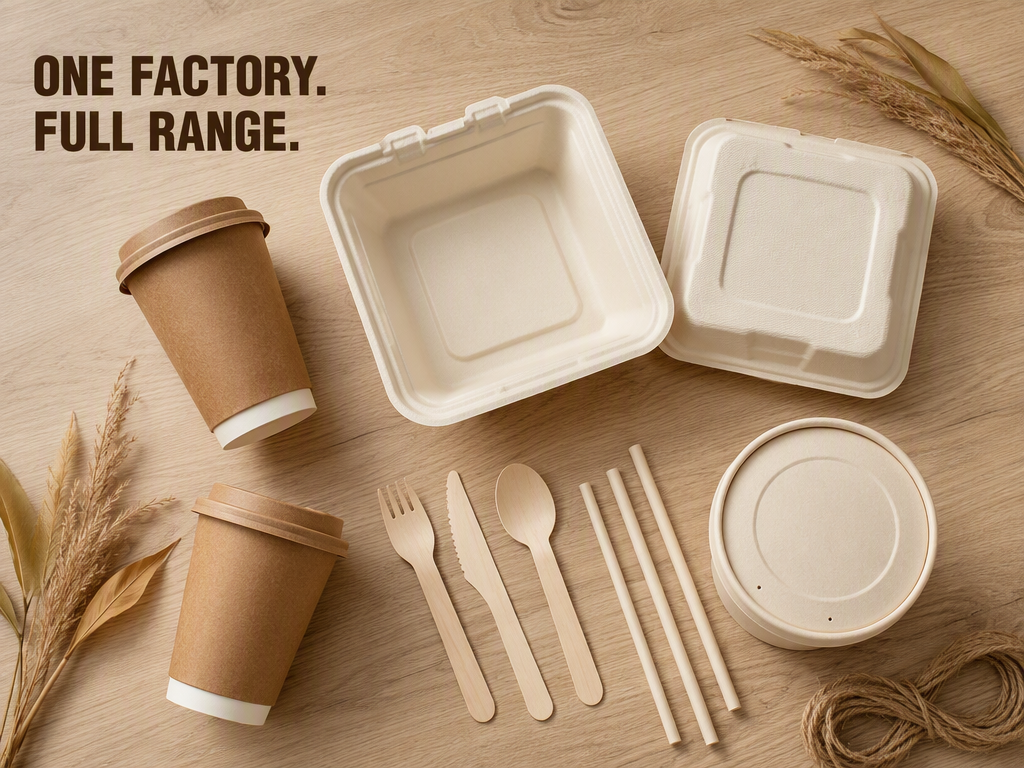
Empaque completo para servicios de alimentos desde una sola fábrica: contenedores de bagazo, tazas de papel, cubiertos y más
2026/08/14
2026/05/07
Envases para alimentos en 2026: seguridad, sostenibilidad y presentación de marca
Los envases para alimentos en 2026 se ven impulsados por la seguridad en contacto con alimentos, los materiales sostenibles y la presentación de marca. Descubra cómo los recipientes de papel para alimentos, las tazas de papel, las bolsas de papel kraft y los envases para alimentos personalizados pueden apoyar a los compradores modernos del sector de servicios alimentarios.
Los envases para alimentos entran en una nueva etapa en 2026. Para las marcas alimentarias, restaurantes, negocios de comida para llevar, importadores y distribuidores, los envases ya no se limitan únicamente a contener o proteger los alimentos. Se están convirtiendo en un componente esencial de la seguridad alimentaria, la estrategia de sostenibilidad, la experiencia del cliente y la presentación de marca.
A medida que los compradores globales enfrentan regulaciones cambiantes y expectativas más altas por parte de los clientes, las decisiones sobre el embalaje de alimentos se están volviendo más estratégicas. Los compradores buscan envases que sean seguros para el contacto con alimentos, prácticos para la entrega y el consumo fuera del lugar, más fáciles de reciclar y adecuados para una presentación de marca personalizada.
El embalaje de alimentos debe cumplir, ante todo, el requisito básico de seguridad. Los materiales que entran en contacto con los alimentos pueden incluir papel, recubrimientos, tintas, adhesivos, colorantes y otras sustancias utilizadas en los componentes del embalaje.
La FDA estadounidense explica que las sustancias en contacto con alimentos incluyen los envases y sus componentes, así como los materiales aplicados sobre las superficies de los envases, como adhesivos, colorantes, antimicrobianos y antioxidantes. En muchos casos, las sustancias en contacto con alimentos que se consideran aditivos alimentarios deben ser autorizadas antes de su comercialización, y la FDA revisa los datos de seguridad, como la migración y la información toxicológica.
Para los compradores de envases para alimentos, esto significa que la selección de materiales no es solo una decisión de coste, sino también una decisión relacionada con la seguridad y el cumplimiento normativo. Los proveedores de envases deben apoyar a los compradores con materiales adecuados, producción fiable y estructuras de envase diseñadas para distintas aplicaciones en el sector de servicios alimentarios.
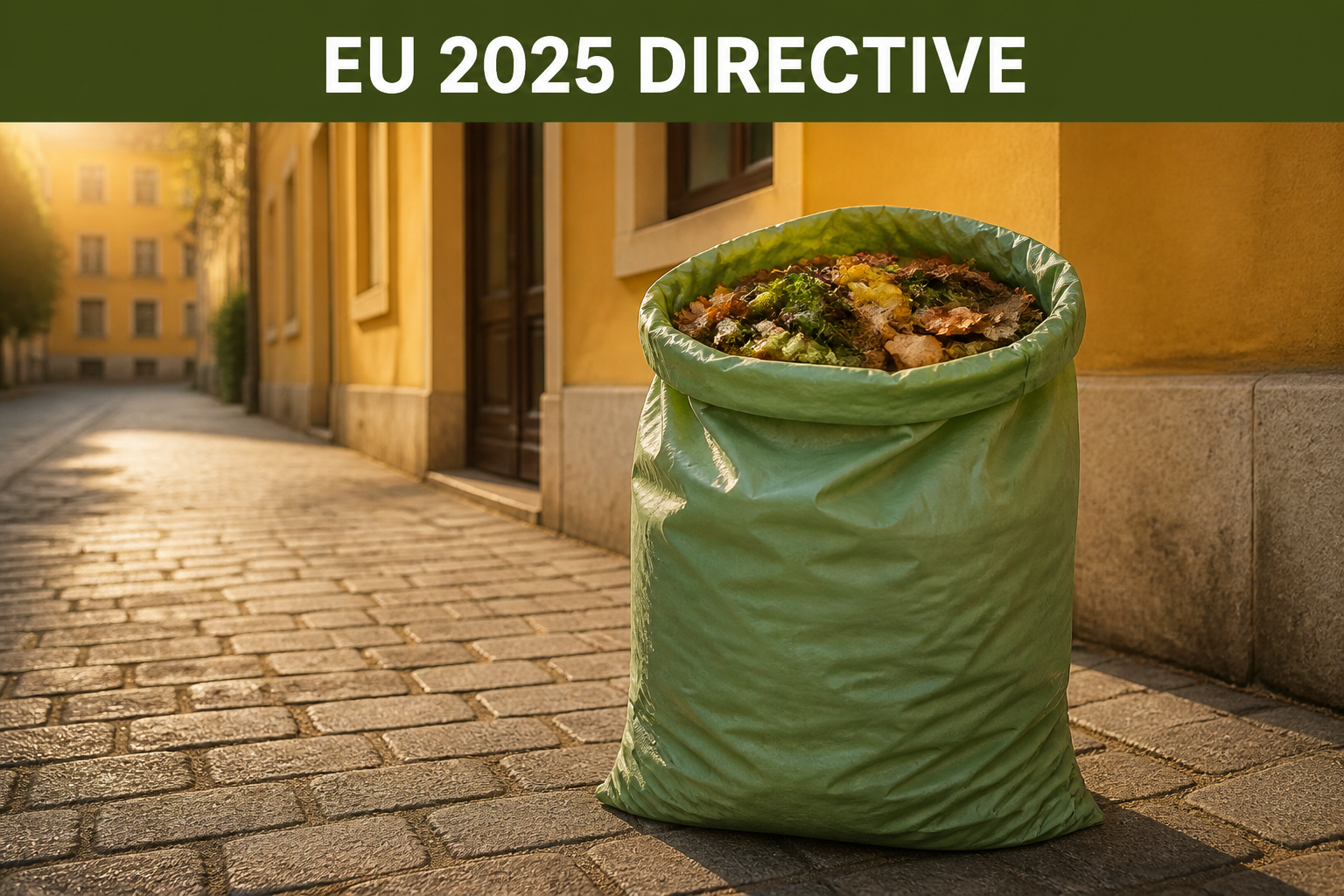
La sostenibilidad también se está convirtiendo en un factor más relevante en la adquisición de envases para alimentos. El Reglamento de la UE sobre envases y residuos de envases, conocido también como PPWR, entró en vigor el 11 de febrero de 2025 y será de aplicación general a partir del 12 de agosto de 2026. Este reglamento abarca todos los envases y residuos de envases, independientemente del material o del origen, y establece requisitos relacionados con la fabricación y composición de los envases, su reutilizabilidad, su recuperabilidad, la prevención de residuos y la gestión de los residuos de envases.
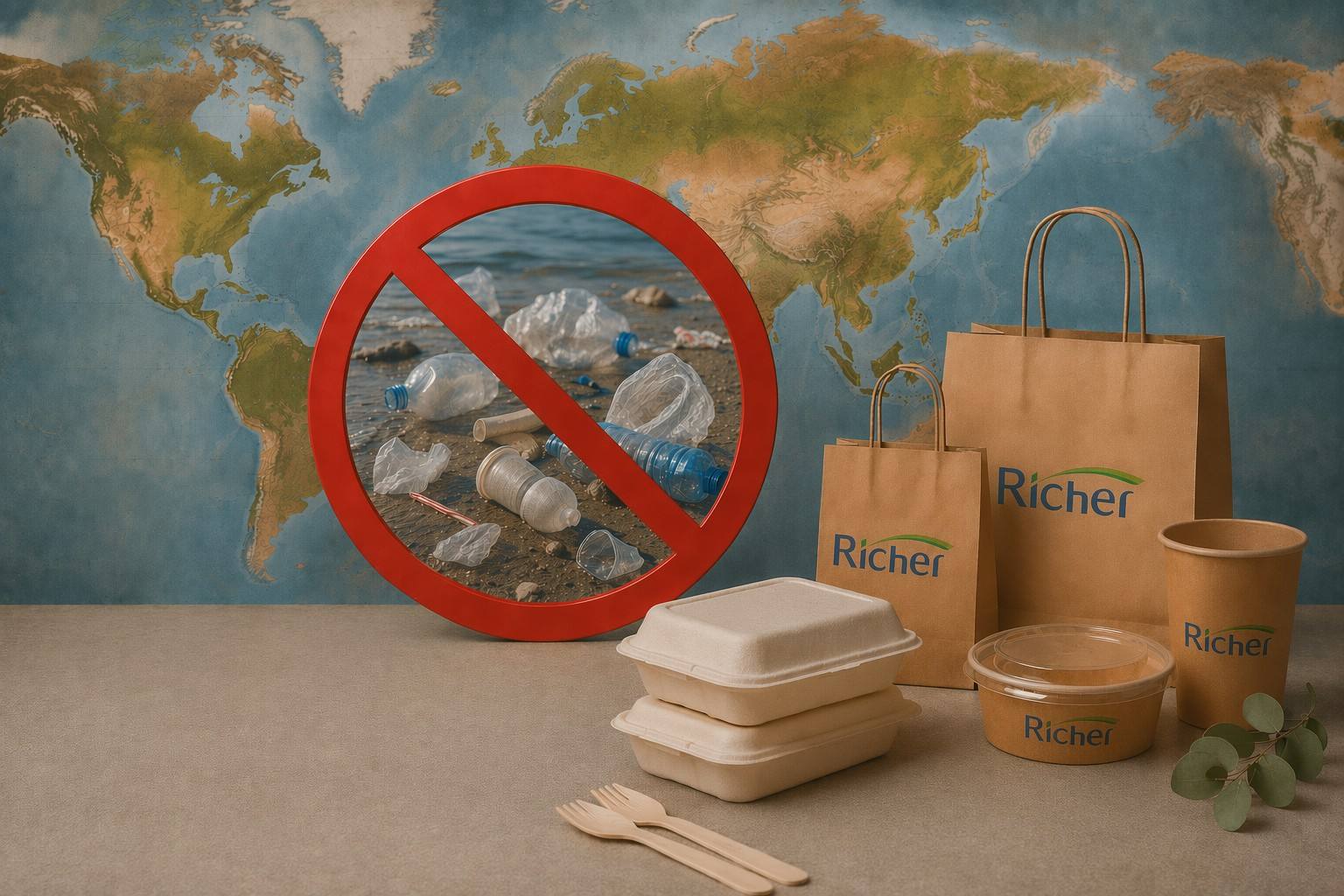
Para el envasado de alimentos, esto es especialmente importante. El reglamento también incluye restricciones relacionadas con ciertos plásticos de un solo uso y tiene como objetivo minimizar las sustancias preocupantes, incluidas las restricciones sobre los PFAS en los envases en contacto con alimentos si superan ciertos umbrales.
Esto genera una mayor demanda de soluciones de envasado para alimentos basadas en papel, reciclables y eficientes desde el punto de vista de los materiales, especialmente en mercados donde los compradores deben prepararse para los futuros requisitos de envasado.
Los datos del mercado también respaldan esta tendencia. Según Fortune Business Insights, el mercado global de envasado sostenible para servicios alimentarios tenía un valor de 75 870 millones de USD en 2026 y se proyecta que alcance los 134 720 millones de USD para 2034, con una tasa anual compuesta de crecimiento (CAGR) del 7,44 % entre 2026 y 2034.
El informe también señala que el material de papel constituye un segmento dominante en el embalaje sostenible para servicios alimentarios, respaldado por su relación costo-beneficio, su menor impacto ambiental, su reciclabilidad y su amplia aplicación en el embalaje para servicios alimentarios.
Para los compradores de embalajes, esto demuestra que el embalaje alimentario a base de papel no es simplemente una tendencia a corto plazo; se está convirtiendo en una dirección importante para restaurantes, negocios de comida para llevar, marcas alimentarias y embalajes alimentarios minoristas.
Además de la seguridad y la sostenibilidad, el embalaje alimentario desempeña también un papel directo en la presentación de la marca. Para la comida para llevar, las cafeterías, las panaderías, las cadenas de comida rápida y las marcas alimentarias minoristas, el embalaje suele ser el primer contacto físico entre el cliente y la marca.
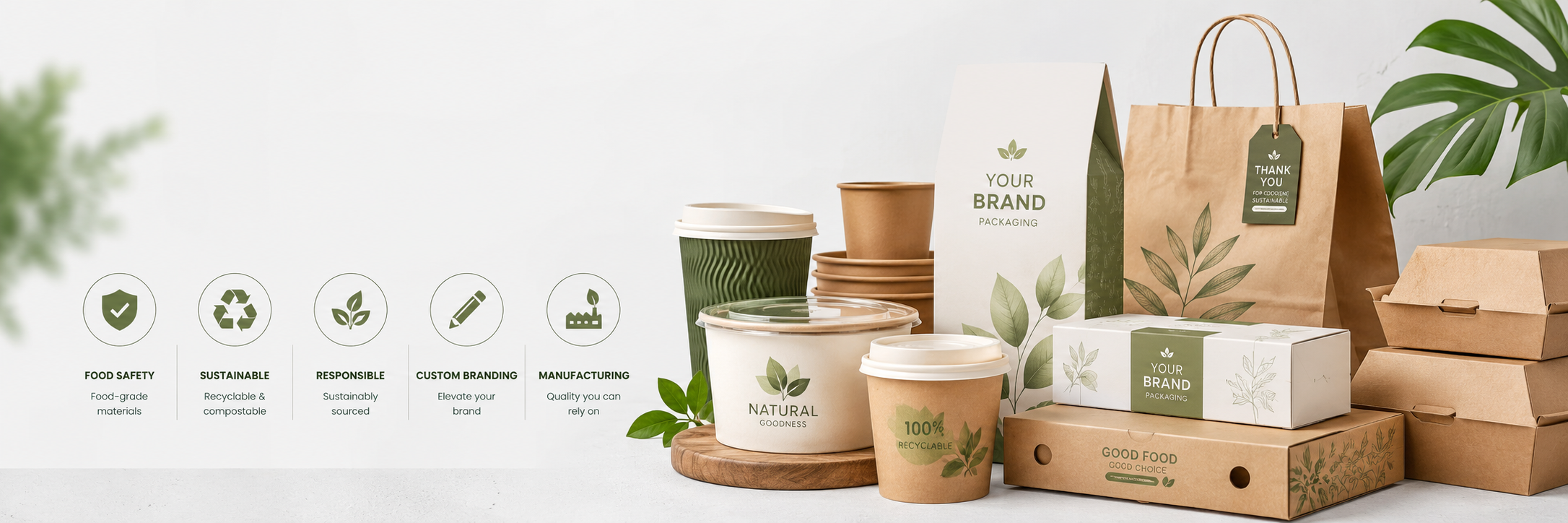
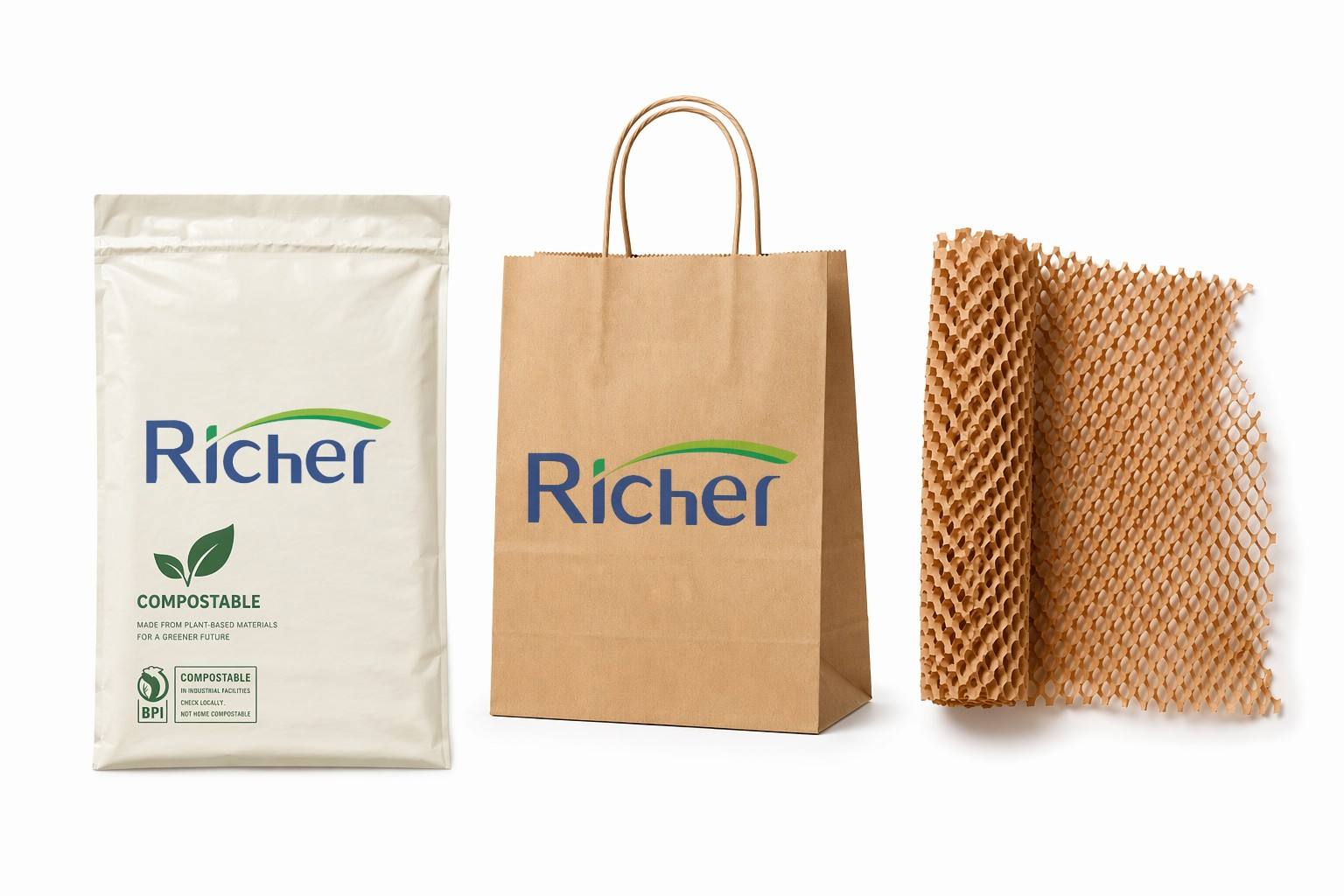
Una taza de papel, una bolsa de papel kraft, un recipiente para alimentos o una caja de entrega bien diseñada puede ayudar a que una marca parezca más profesional y reconocible. La impresión personalizada, la adecuada combinación de colores, la colocación clara del logotipo y una estructura práctica del embalaje pueden mejorar conjuntamente la experiencia del cliente.
En 2026, los compradores buscan cada vez más embalajes que equilibren funcionalidad y posicionamiento de marca. El embalaje para alimentos debe proteger el producto, garantizar la seguridad alimentaria, reducir los residuos innecesarios y, al mismo tiempo, comunicar el valor de la marca.
Ofrecemos una amplia gama de soluciones de embalaje para alimentos dirigidas a compradores internacionales, entre las que se incluyen:
Nuestras soluciones de embalaje son adecuadas para restaurantes, marcas de comida para llevar, cafeterías, panaderías, distribuidores de alimentos, supermercados y empresas de comercio electrónico especializadas en alimentos.
A medida que los requisitos de los envases para alimentos siguen evolucionando, elegir al proveedor adecuado de envases puede ayudar a los compradores a mejorar la presentación del producto, apoyar sus objetivos de sostenibilidad y prepararse para las cambiantes expectativas del mercado.
Los envases para alimentos en 2026 están siendo moldeados por la seguridad, la sostenibilidad y la presentación de la marca. Los compradores ya no buscan únicamente envases de bajo costo; necesitan soluciones prácticas, fiables, personalizables y listas para el mercado.
Para los negocios de servicios de alimentos y comercio minorista de alimentos, unos mejores envases pueden favorecer un contacto más seguro con los alimentos, reforzar la imagen de marca y facilitar decisiones de abastecimiento más responsables.