
 EN
EN
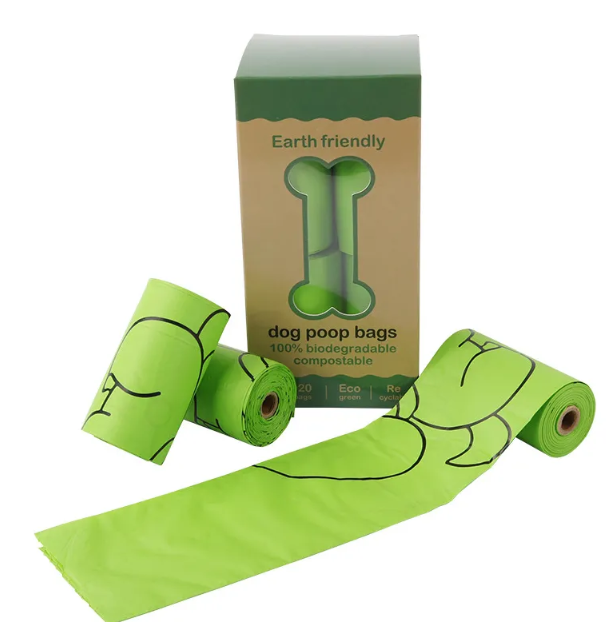
Կենսաքայքայվող ընդդեմ կոմպոստավորելի. Ինչու՞ է կարևոր պիտակը կենսաքայքայվող շան մետաղական թափոնների պայուսակների համար
Մարդիկ հաճախ շփոթում են «կենսաքայքայվող» և «կոմպոստավորվող» տերմինները, սակայն այս պիտակները իրականում շատ տարբեր իմաստ ունեն այն դեպքում, երբ խոսքը վերաբերում է նյութերի քայքայման գործընթացին: Էկոլոգիապես մաքուր տարբերակներ փնտրող առաջնային հոգատար սեփականատերերը պետք է իմանան այս երկու հասկացությունների միջև եղած տարբերությունը: Երբ մի բան անվանվում է «կենսաքայքայվող», դա հիմնականում նշանակում է, որ այն վերջապես կարող է ինքնուրույն քայքայվել բնության մեջ, սակայն որևէ մեկը չի գիտի ճշգրիտ թե որքան ժամանակ է անհրաժեշտ դրա համար կամ ինչ տեսակի միջավայր է անհրաժեշտ այդ գործընթացի իրականացման համար: Սակայն «կոմպոստավորվող» ապրանքները աշխատում են այլ կերպ: Այս առարկաները իրոք վերածվում են անվտանգ օրգանական նյութի, որը իրականում բարելավում է հողի որակը, սակայն միայն այն դեպքում, երբ դրանք տեղադրվում են հատուկ պայմանների տակ: Հաճախակի դա նշանակում է, որ դրանք պետք է ուղարկվեն արդյունաբերական կոմպոստավորման կենտրոններ, որտեղ ջերմաստիճանը, խոնավության մակարդակը և այլ գործոններ հսկվում են քայքայման գործընթացը արագացնելու համար:
ASTM D6400/D6868 հավաստագրում. միակ հուսալի չափանիշը
Արտադրողները, որոնք պնդում են, որ նյութերը կոմպոստավորելի են, պետք է համապատասխանեն ASTM D6400 (պլաստմասսաների համար) կամ D6868 (պատված թղթի/պլաստմասսայի կոմպոզիտների համար) ստանդարտներին՝ խիստ երրորդ կողմի ստանդարտներին, որոնք հաստատում են ամբողջական քայքայումը 180 օրվա ընթացքում առևտրային կոմպոստավորման միջավայրերում: Այս սերտիֆիկացիաները պահանջում են, որ նյութերը.
- Բաժանվեն ածխածնի երկօքսիդի, ջրի և կենսազանգվածի
- Չթողնեն որևէ թունավոր մնացորդ
- Արտադրեն վերջնական կոմպոստ, որը անվտանգ է հողի առողջության համար
ASTM սերտիֆիկացիայի բացակայության դեպքում կոմպոստավորելիության մասին պնդումները չեն հիմնվում գիտական վավերացման վրա և վտանգում են «կանաչ մաքրումը» (greenwashing): Առաջատար նյութերի գիտնականները ընդգծում են, որ այս ստանդարտներն են միակ օբյեկտիվ և չափելի մեթոդները՝ իրական կոմպոստավորելիությունը գնահատելու համար, և դրանք անփոխարինելի են տեղեկացված գնումների որոշումներ կայացնելու համար:
FTC-ի կանաչ ցուցումներ և «կենսաքայքայվող» միտումնավոր շփոթեցնող հայտարարություններ
FTC-ի կանաչ ցուցումները արգելում են առանց որակավորման կենսաքայքայվող լինելու մասին հայտարարություններ անել, քանի որ շատ վերամշակման միջավայրեր, այդ թվում՝ սահմանափակ թթվածնի, խոնավության և միկրոբիոլոգիական ակտիվության պայմաններ ունեցող տեղամասերը, չեն ապահովում ժամանակին քայքայումը: Հետազոտությունները հաստատում են.
- Չփորձարկված կենսաքայքայվող պայուսակները մնում են 20+ տարի սահմանափակ թաղման վայրերում , արդյունավետորեն վարվելով ինչպես սովորական պլաստիկ
- Քիմիական ավելացումները հաճախ բաժանվում են միկրոպլաստիկների, այլ ոչ թե ապահով կենսազանգված տալիս
- սպառողների 87%-ը սխալմամբ մեկնաբանում է կենսաքայքայվող տերմինը որպես շրջակա միջավայրի համար առավելություն տվող (ԱՄՆ Շրջակա միջավայրի պաշտպանության գործակալության հարցում, 2023 թ.)
| Հատկություն | Կենսաքայքայվող պայուսակներ | Սերտիֆիկավորված կոմպոստավորելի պայուսակներ |
|---|---|---|
| Փտման ժամանակը | Տարիներ (ստուգված չէ) | 180 օր (ստուգված) |
| Վերջնական արդյունքը | Միկրոպլաստիկները տարածված են | Ոչ թունավոր հումուս |
| Կարգավորող վերահսկողություն | Ոչինչ | Պահանջվում է ASTM D6400/D6868 |
| Տեղամասի շահագործման ցուցանիշներ | Աննշան քայքայում | Պահանջում է արդյունաբերական կոմպոստավորում |
ՖՏԿ-ն սահմանում է պատժամիջոցներ խաբեբայության մեջ ներգրավված նպատակային նշանակումների համար, սակայն շատ ապրանքանիշեր շարունակում են օգտագործել անորոշ տերմինաբանությունը: Միշտ ստուգեք ASTM սերտիֆիկացիան՝ մի հավատալով մարքեթինգային լեզվին, մինչև վստահել էկոլոգիական հայտարարությանը:
Իրական աշխարհում քայքայումը. Որտե՞ղ են իրականում քայքայվում կենդանիների մերժված նյութերի կենսաքայքայվող պայուսակները
Տեղամասի իրականությունը. Անօդային պայմանները դանդաղեցնում են քայքայումը (20+ տարի)
Շատ ավելի քան 95 %-ը կենդանիների մերժված նյութերի վերածվում է տեղամասերում՝ թթվածնի պակասով, կնքված միջավայրերում, որտեղ օդային միկրոօրգանիզմները չեն կարող աճել: Այս անօդային պայմաններում նույնիսկ այսպես կոչված կենսաքայքայվող պայուսակները ցուցաբերում են աննշան քայքայում: Համագործակցային վերանայված ուսումնասիրությունները հաստատում են մնացորդների պահպանվելը երկու տասնամյակ կամ ավելի , ինչը լրիվ վտանգում է դրանց շրջակա միջավայրի վրա հիմնված պատճառաբանությունը:
Արդյունաբերական կոմպոստավորում. միակ ապացուցված ճանապարհը՝ սակայն շատ հազվադեպ հասանելի շան սեփականատերերի համար
Որպես կոմպոստավորելի նշված պայուսակները քայքայվում են մոտավորապես 90–180 օրվա ընթացքում, սակայն դա տեղի է ունենում միայն այն դեպքում, երբ դրանք հայտնվում են արդյունաբերական կոմպոստավորման կենտրոններում, որտեղ ջերմաստիճանը պահպանվում է մոտավորապես 55–60 աստիճան Ցելսիուսի սահմաններում՝ միաժամանակ ապահովելով խոնավության և միկրոօրգանիզմների ճիշտ համամասնությունը: Խնդիրն այն է, որ Ամերիկայի ամբողջ տարածքում շան մերժումները կոմպոստավորման համար սահմանային ծառայությամբ հավաքելու ծրագրեր ունեցող համայնքների թիվը 15 տոկոսից պակաս է: Ավելի վատ է այն, որ շատ կոմպոստավորման կենտրոններ ընդհանրապես չեն ընդունում շան մերժումներ՝ վտանգավոր բակտերիաների վարակման վախի պատճառով: Ի՞նչ է դա նշանակում: Այսպես կոչված «կոմպոստավորելի» պայուսակների մեծամասնությունը պարզապես չի հասնում այն հատուկ պայմաններին, որոնք անհրաժեշտ են դրանց ճիշտ քայքայման համար:
Կենսաքայքայվող շան մերժումների պայուսակների նյութային ճշմարտությունները
Կորնիստարչ, PBAT և խառնուրդներ. կատարողականությունը ընդդեմ ընկալման
Այսպես կոչված կենսաքայքայվող շան մետաղահանդիսացող պայուսակները, որոնք վաճառվում են շուկայում, սովորաբար պատրաստվում են կարտոֆիլի կամ ցորենի օսլայի նման բուսական օսլաների և PBAT անվանումով սինթետիկ նյութերի խառնուրդից՝ ապահովելու համար դրանց անհրաժեշտ ամրությունը իրական օգտագործման համար: Ցորենի օսլան կարող է ստացվել բույսերից, սակայն այն չի դիմանում այն պահին, երբ մեկը ստիպված է մաքրել իր շան մետաղահանդիսացող մնացորդները: Հենց դրա համար էլ արտադրողները ավելացնում են PBAT-ը: Սակայն այստեղ կա մեկ կարևոր նրբություն. PBAT-ը իրականում չի քայքայվում, եթե չի անցնում արդյունաբերական կոմպոստավորման կենտրոններով: Եթե այս խառնուրդները նետվեն սահմանափակ տարածքով թաղման վայրերում, ապա դրանք վարվում են ինչպես սովորական պլաստմասսայից պատրաստված թափոններ: Մարդիկ սովորաբար ենթադրում են, որ ցանկացած «բուսական ծագման» նշված ապրանք անպայման բարենպաստ է միջավայրի համար, սակայն իրականում կարևոր է այն, թե որտեղ են այդ ապրանքները վերջնականապես հայտնվում: Իրականում մեծամասնության բնակավայրերում այդ հատուկ կոմպոստավորման կենտրոններին մուտք չկա: Այսպիսով, չնայած բոլոր այդ միջավայրին բարենպաստ լինելու մասին շուկայավարման հայտարարություններին, այս այսպես կոչված «էկոլոգիապես մաքուր» տարատեսակները նույնպես ստեղծում են խնդիրներ, եթե դրանք ճիշտ չեն վերամշակվում:
Գործնական հարցեր. Էկոլոգիական հայտարարությունների, ամրության, արժեքի և օգտագործողի վարքագծի հավասարակշռում
Իրականում կայուն շան մետաղական պայուսակների ընտրությունը պահանջում է իրատեսական փոխզիջման վերլուծություն, ոչ թե միայն պիտակների ստուգում: Համառությունը մնում է անվերացելի՝ պայուսակները պետք է դիմացնեն բացվելու և հոսելու ռիսկերին մշակման ընթացքում՝ պահպանելով իրենց ամբողջականությունը մինչև վերացումը: Ուսումնասիրությունները ցույց են տալիս, որ օգտագործողները հուսալի ամրության կարևորությունը համարում են հավասար կայունության վավերագրերի կարևորությանը. վատ որակի պայուսակները վտանգում են հիգիենայի պահպանումը և կարող են առաջացնել երկրորդային աղտոտում:
Այլ մի խոչընդոտ է գինը. ASTM-ով սերտիֆիկացված կոմպոստավորելի տարբերակները 20–30 % ավելի թանկ են սովորական պլաստիկ այլընտրանքներից, ինչը սահմանափակում է դրանց ընդունումը՝ չնայած շրջակա միջավայրի նկատմամբ աճող գիտակցությանը:
Իրականում շրջակա միջավայրի վրա ազդեցության հարցում կարևորվում է մարդկանց այս ապրանքներով իրականում ինչ են անում: Վերցրեք, օրինակ, այդ հատուկ էկոլոգիապես սերտիֆիկացված պայուսակները՝ դրանք ճիշտ քայքայվում են միայն այն դեպքում, եթե մոտակայքում առկա են համապատասխան կոմպոստավորման համար նախատեսված հարմարանքներ: Խնդիրն այն է, որ շուն պահողների մոտավորապես 95 տոկոսը չունի մուտք այդ հատուկ արդյունաբերական կոմպոստավորիչներին, այսպես որ ենթադրեք՝ դրանք որտե՞ղ են վերջանում: Այո, ուղիղ սահմանափակված տարածքներում (տեղամասերում): Պայուսակների վրա գեղեցիկ հնչող պիտակներ տեղադրելը առանց սովորական սպառողների համար իրական կոմպոստավորման տարբերակների առկայության բավարար չէ: Այս կենսաքայքայվող ապրանքներ արտադրող ընկերությունները պետք է կենտրոնանան այնպիսի գների վրա, որոնք համատեղելի են ամենօրյա բյուջեների հետ, միաժամանակ ապահովելով լավ արդյունքներ: Բայց ահա դժվարությունը՝ արտադրողները նաև պետք է բացատրեն, թե ինչպես են այս պայուսակները իրականում աշխատում պրակտիկայում: Ոչ ոք չի ցանկանում մեկ այլ բան գնել «կանաչ» լինելու համար, որպեսզի հետագայում պարզի, որ դրա համար անհրաժեշտ է ինչ-որ հրաշալի կոմպոստավորման տուփ, որպեսզի այն ընդհանրապես ազդեցություն ունենա:
FAQ բաժին
Ի՞նչ է տարբերությունը կենսաքայքայվող և կոմպոստավորվող շների մեկուսացման պայուսակների միջև:
Կենսաքայքայվող պարկերը կարող են բնական ճանապարհով քայքայվել, սակայն առանց սահմանված ժամկետի կամ անհրաժեշտ միջավայրի, իսկ կոմպոստավորվող պարկերը պետք է քայքայվեն հատուկ պայմաններում՝ վերածվելով ոչ թունավոր նյութերի, որոնք բարելավում են հողի որակը:
Ինչու՞ է ASTM սերտիֆիկացիան կարևոր կոմպոստավորվող պարկերի համար:
ASTM սերտիֆիկացիան տրամադրում է ստուգված ստանդարտ, որը երաշխավորում է, ո что կոմպոստավորվող պարկերը ամբողջությամբ քայքայվելու են 180 օրվա ընթացքում առևտրային կոմպոստավորման միջավայրում՝ թողնելով որևէ թունավոր մնացորդ:
Կենսաքայքայվող պարկերը քայքայվում են արդյոք սահմանափակ թթվածնի պայմաններում (տեղամասերում):
Ոչ, կենսաքայքայվող պարկերը սովորաբար չեն քայքայվում տեղամասերում՝ թթվածնի պակասի պատճառով և հաճախ մնում են ավելի քան 20 տարի:
Կարո՞ղ եմ օգտագործել կոմպոստավորվող պարկեր, եթե տեղական կոմպոստավորման կենտրոնները չեն ընդունում անասնաբուժական թափոններ:
Եթե տեղական կենտրոնները չեն ընդունում անասնաբուժական թափոններ, կոմպոստավորվող պարկերը կարող են վերջանալ տեղամասերում՝ վարվելով սովորական պլաստմասսայի նման, քանի որ դրանք քայքայվելու համար պահանջում են հատուկ պայմաններ:
Բովանդակության սեղան
- Կենսաքայքայվող ընդդեմ կոմպոստավորելի. Ինչու՞ է կարևոր պիտակը կենսաքայքայվող շան մետաղական թափոնների պայուսակների համար
- Իրական աշխարհում քայքայումը. Որտե՞ղ են իրականում քայքայվում կենդանիների մերժված նյութերի կենսաքայքայվող պայուսակները
- Կենսաքայքայվող շան մերժումների պայուսակների նյութային ճշմարտությունները
- Գործնական հարցեր. Էկոլոգիական հայտարարությունների, ամրության, արժեքի և օգտագործողի վարքագծի հավասարակշռում
-
FAQ բաժին
- Ի՞նչ է տարբերությունը կենսաքայքայվող և կոմպոստավորվող շների մեկուսացման պայուսակների միջև:
- Ինչու՞ է ASTM սերտիֆիկացիան կարևոր կոմպոստավորվող պարկերի համար:
- Կենսաքայքայվող պարկերը քայքայվում են արդյոք սահմանափակ թթվածնի պայմաններում (տեղամասերում):
- Կարո՞ղ եմ օգտագործել կոմպոստավորվող պարկեր, եթե տեղական կոմպոստավորման կենտրոնները չեն ընդունում անասնաբուժական թափոններ: