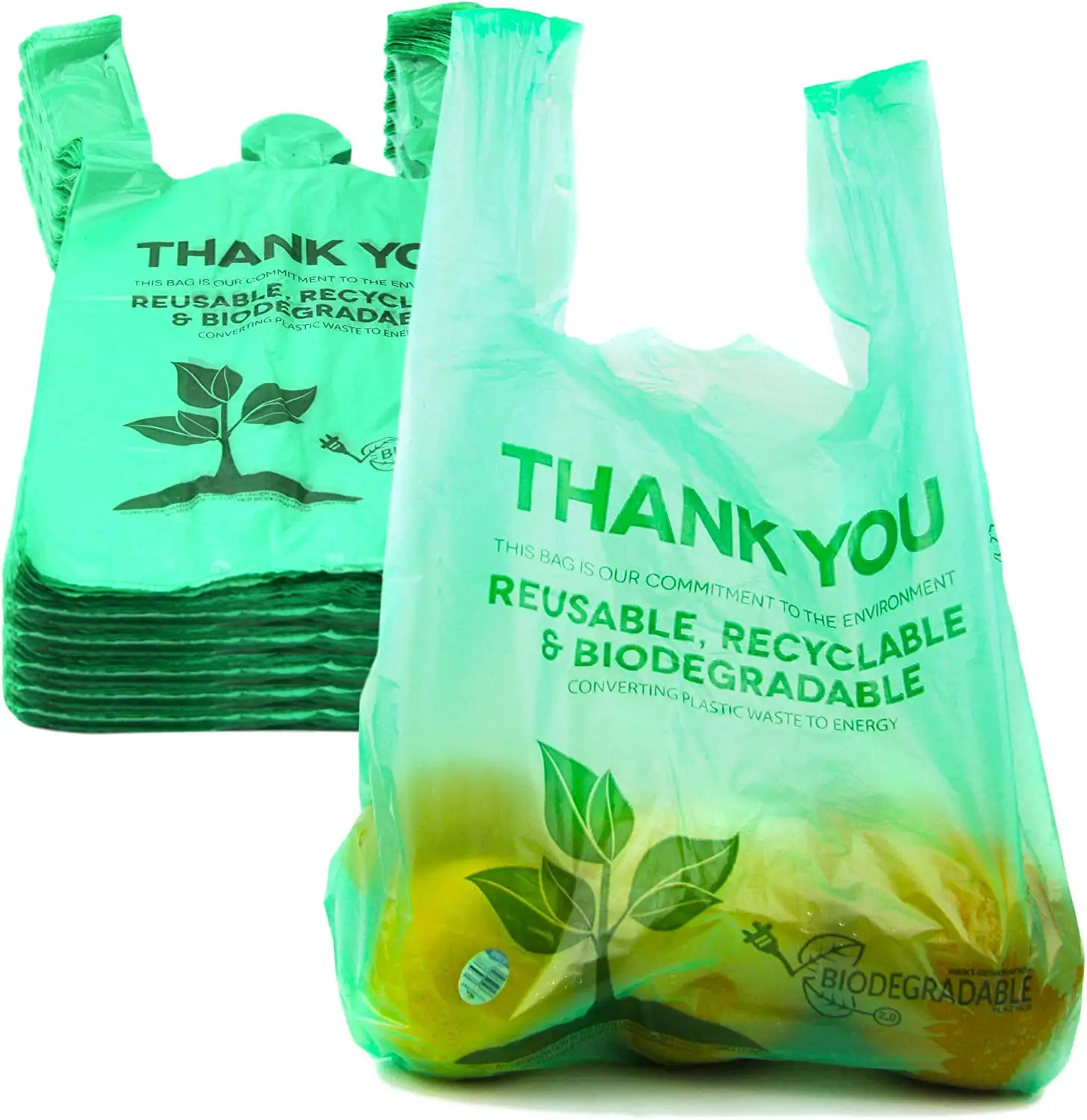
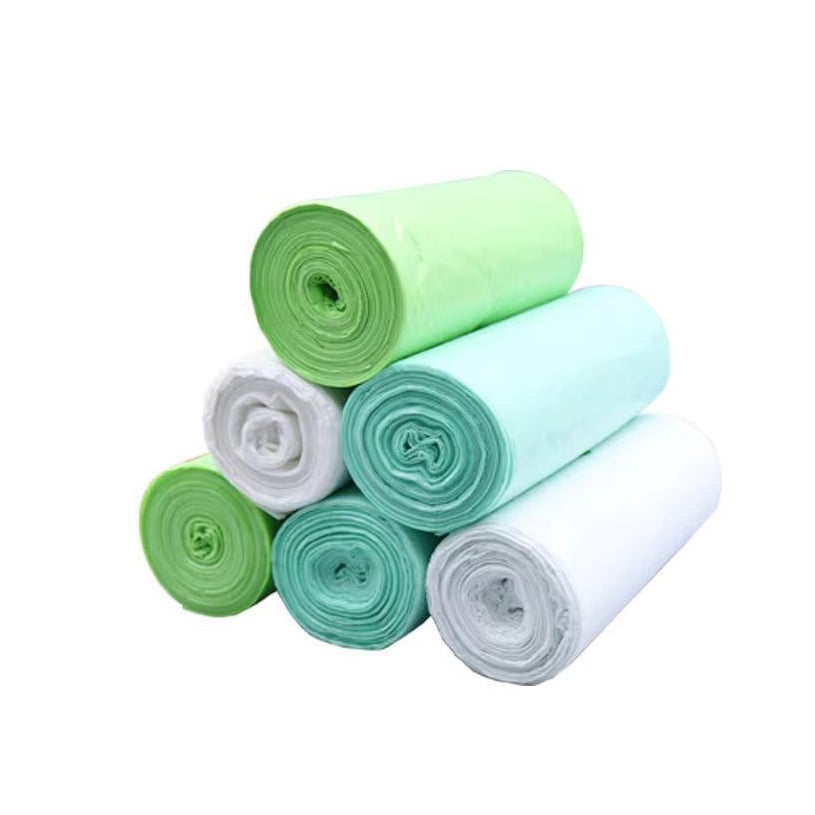
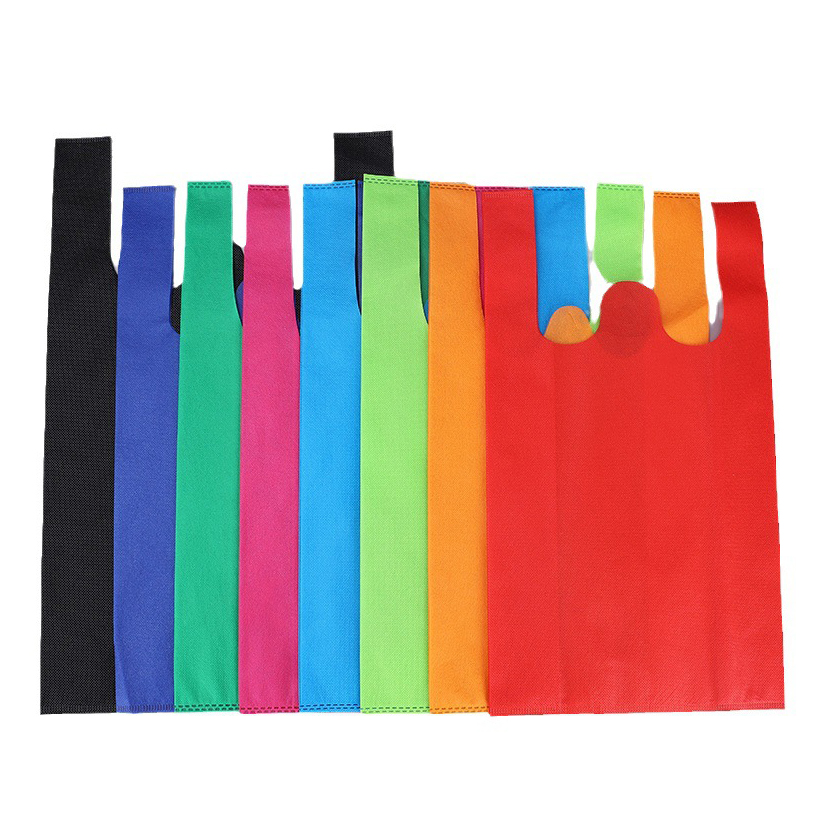
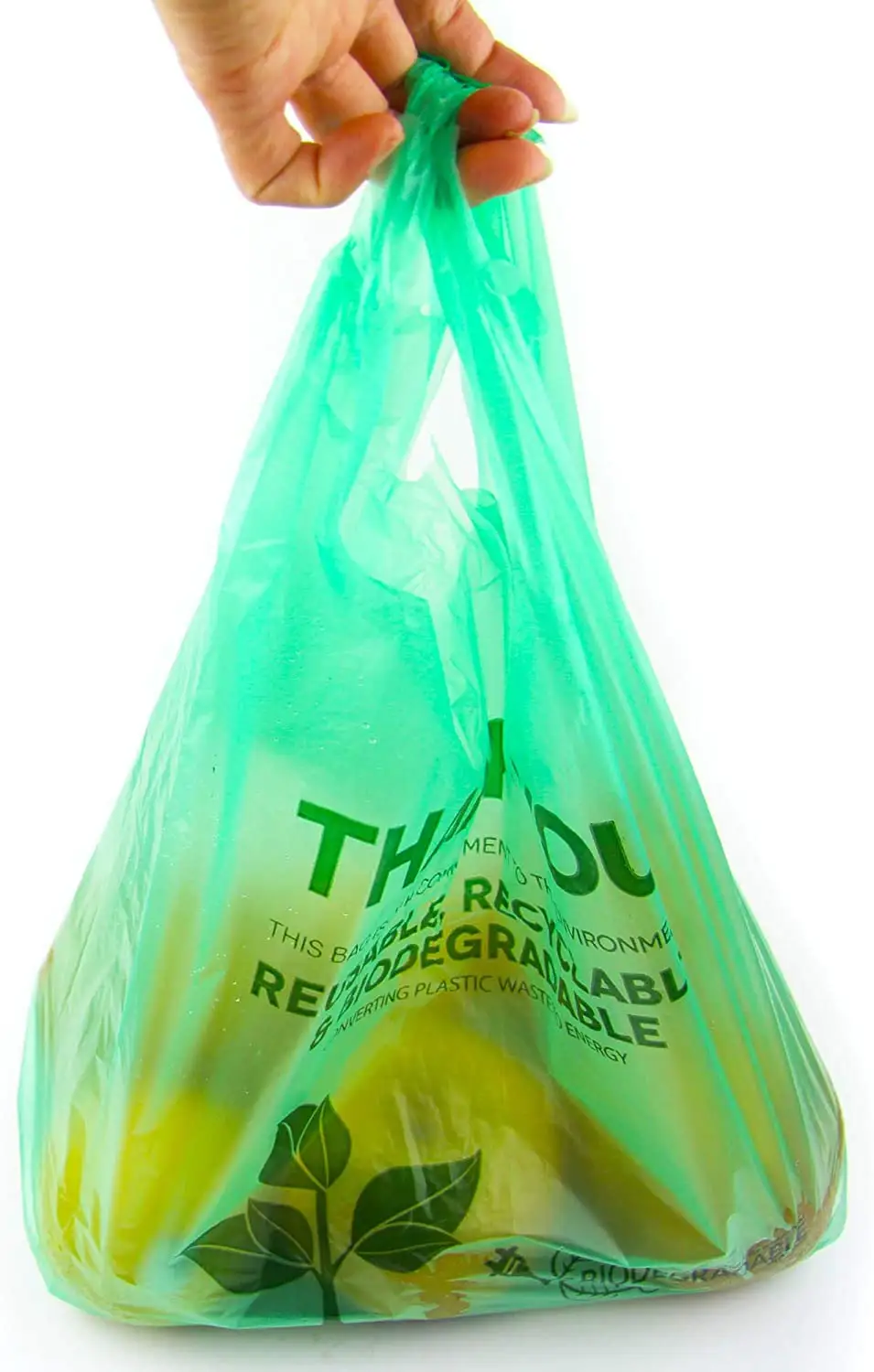
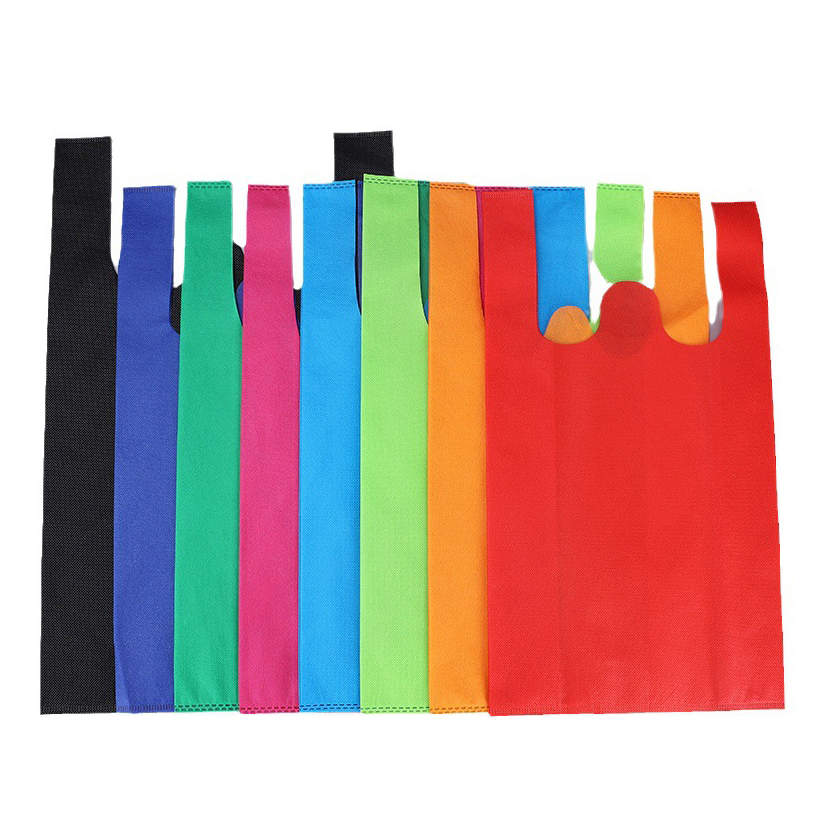
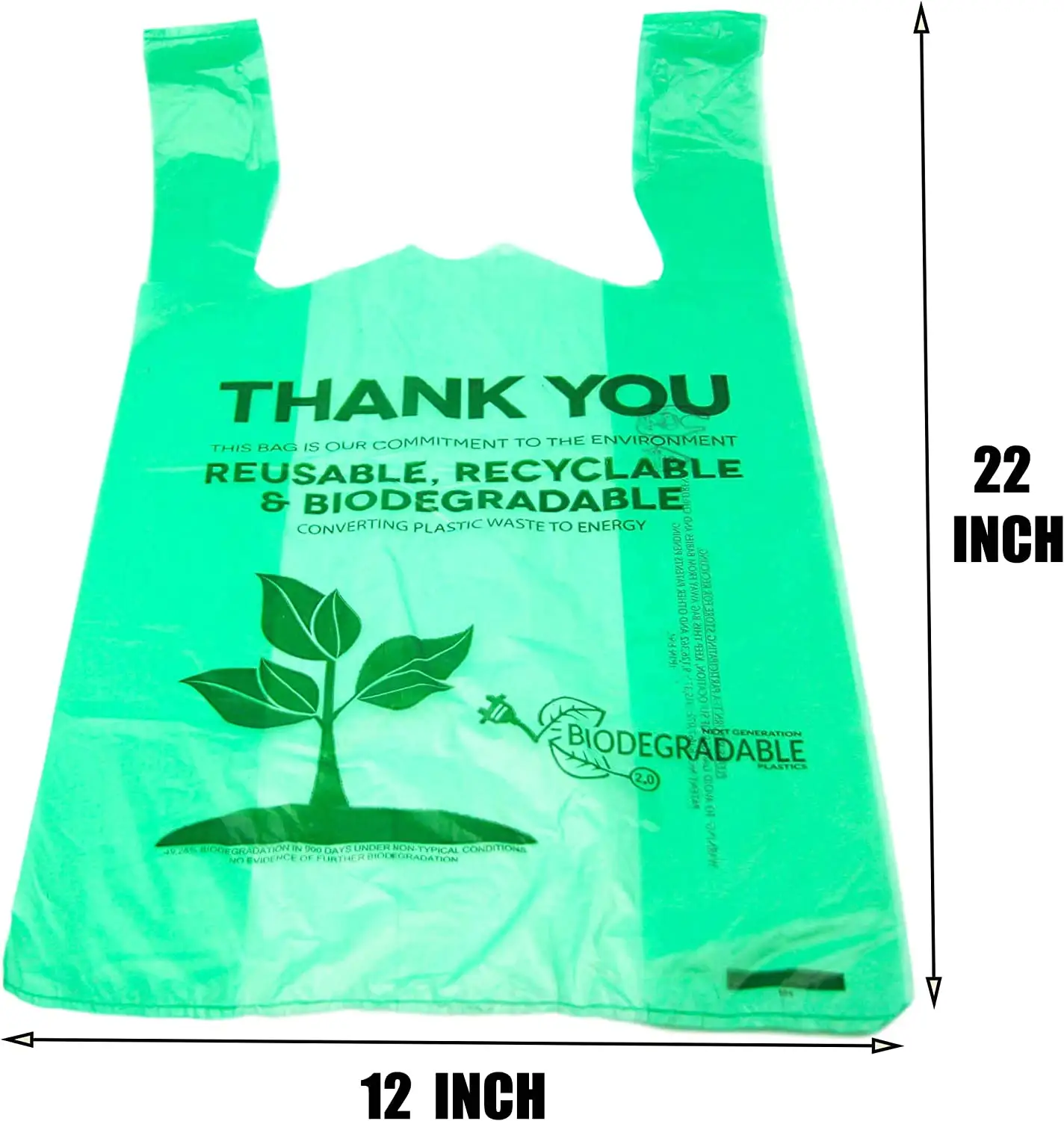
Eco friendly t shirt bags are sustainable packaging solutions designed to carry t shirts while minimizing environmental impact, crafted from biodegradable or compostable materials that break down naturally over time. The primary materials used are blends of PLA (derived from renewable resources like corn starch) and PBAT (polybutylene adipate terephthalate, a petroleum based but biodegradable polymer), which combine PLA’s rigidity with PBAT’s flexibility—mimicking the functionality of traditional LDPE bags while ensuring eco compatibility. These materials comply with strict biodegradability standards such as EN 13432 (European Union) and ASTM D6400 (United States), requiring 90% degradation into carbon dioxide, water, and biomass within 180 days in industrial composting facilities. For added sustainability, some variants use recycled PLA or incorporate plant based fibers like hemp to enhance tensile strength. Material thickness ranges from 0.025 mm to 0.035 mm, providing sufficient strength to carry 2 to 4 folded t shirts, with reinforced handles to prevent tearing during use. Design features include a sleek, minimalist structure (reducing material waste), water based ink printing options (for branding without toxic chemicals), and clear or natural tinted finishes to highlight the bag’s eco friendly nature. Sizes match traditional t shirt bags, from 40x30 cm to 55x40 cm, with optional gusseted bottoms for carrying bulkier t shirt orders. Application scenarios are focused on sustainable brands and eco conscious retailers: in organic clothing stores, they package t shirts made from organic cotton; in zero waste shops, they serve as a plastic free alternative to traditional bags; in online sustainable fashion brands, they are used as shipping companions for t shirt orders. A practical case involves a small organic t shirt brand that switched to eco friendly t shirt bags for its retail and online orders. After one year, the brand reported a 35% increase in sales to eco conscious customers, who cited the packaging as a key factor in their purchase decision. Another example is a community market that provided the bags to vendors selling hand printed t shirts— the compostable nature of the bags aligned with the market’s zero waste goals, and vendors noted a 20% reduction in customer requests for additional plastic bags. For businesses seeking to reduce their environmental footprint, factors such as compostability certification, material sourcing (renewable vs recycled), and compatibility with existing packaging workflows should be considered. Interested parties are invited to contact us to learn about material blends, compostability testing results, and how these bags can align with sustainability objectives.