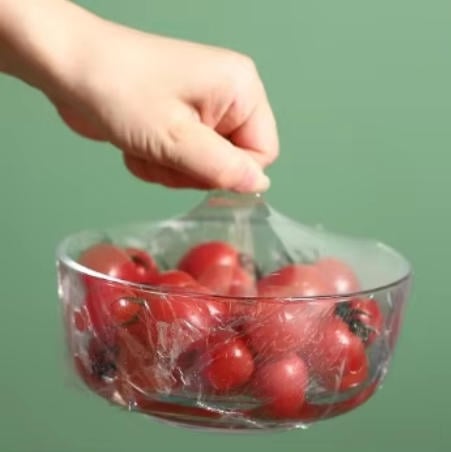
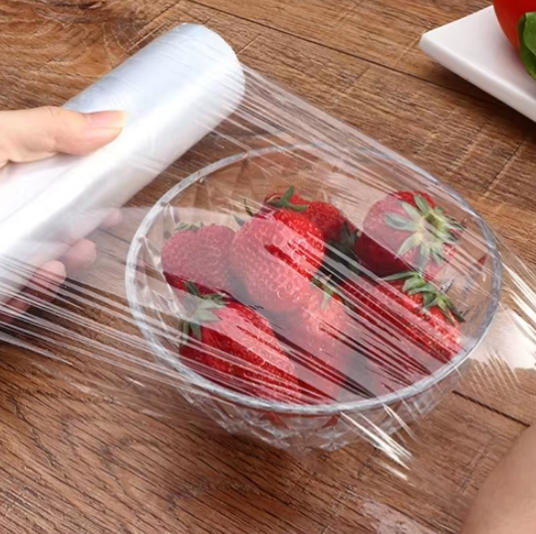
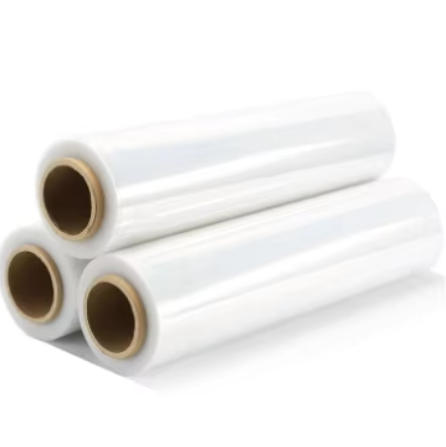
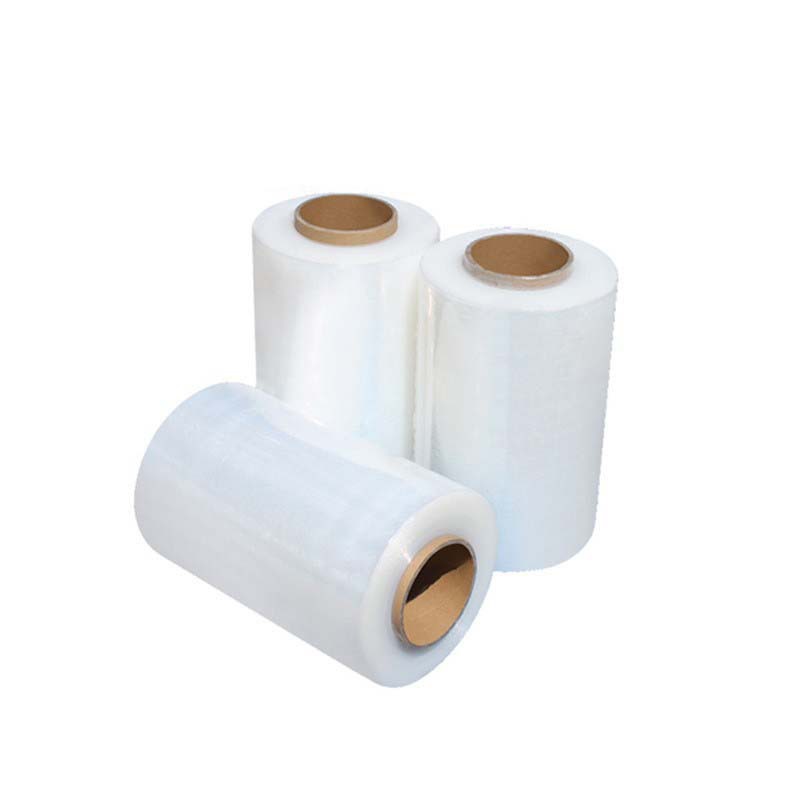
PVC cling film, also known as polyvinyl chloride cling film, is a type of packaging material valued for its high clarity, strong adhesion, and cost effectiveness, making it suitable for a wide range of applications across industries such as food service, retail, and manufacturing. Unlike polyethylene (PE) cling film, PVC cling film achieves its self adhesive property through the addition of plasticizers—chemical compounds that increase the film’s flexibility and tackiness. When formulated correctly, PVC cling film offers excellent performance characteristics, including superior transparency (allowing for clear visibility of packaged contents), high tensile strength (resisting tearing during use), and strong cling (forming tight seals on various surfaces). Richerpack produces PVC cling film that meets strict quality and safety standards, ensuring it is suitable for both food and non food applications while addressing the key considerations associated with PVC materials. A primary focus for Richerpack in manufacturing PVC cling film is ensuring safety, particularly for food contact applications. Historically, concerns have been raised about the migration of certain plasticizers (such as di 2 ethylhexyl phthalate, DEHP) from PVC film into food, especially when in contact with oily or warm foods. To address this, Richerpack uses food safe plasticizers—such as diisononyl phthalate (DINP) or diisodecyl phthalate (DIDP)—which are approved for use in food contact materials by global regulatory bodies, including the FDA (under 21 CFR 177.1670) and the EU (under Regulation (EC) No 10/2011). These plasticizers have low migration rates, ensuring that no harmful substances transfer into food even under typical storage conditions (such as refrigeration or room temperature). Richerpack’s PVC cling film for food use undergoes rigorous migration testing to confirm compliance with these standards, making it safe for wrapping fresh produce, deli meats, cheeses, and other food items. In addition to safety, Richerpack’s PVC cling film is engineered for optimal performance. The film’s high clarity is achieved through precise extrusion processes that eliminate defects like bubbles or haze, making it ideal for retail applications where product visibility is key—such as wrapping individual fruit cups or displaying baked goods in store windows. The strong adhesion of the film ensures it forms a tight seal on containers, preventing air and moisture from entering and extending the shelf life of packaged products. For example, a local bakery uses Richerpack’s PVC cling film to wrap its artisanal bread loaves. The bakery reports that the film’s clarity allows customers to see the bread’s texture and color, while its strong seal keeps the bread fresh for up to three days longer than when wrapped in paper bags. Beyond food applications, PVC cling film is also used in industrial settings for tasks like wrapping small electronic components (to protect against dust and static), covering machinery parts during storage (to prevent corrosion), or securing items on pallets during shipping (to prevent shifting). Richerpack’s industrial grade PVC cling film features enhanced thickness and puncture resistance, making it suitable for these heavy duty uses. For instance, an electronics manufacturer uses the film to wrap batches of circuit boards before storing them in warehouses, and has noted a significant reduction in dust related defects since switching to Richerpack’s product. It is important to note that PVC cling film has specific usage limitations, particularly regarding high temperatures. Unlike specialized oven or microwave safe films, standard PVC cling film should not be used in ovens or microwaves, as it may melt or release harmful substances when exposed to heat. Richerpack provides clear usage instructions on its PVC cling film packaging to help users avoid improper use. For customers interested in learning more about Richerpack’s PVC cling film—including its available thicknesses, roll sizes, food contact certifications, or pricing for different order volumes—direct contact with the company is encouraged. The sales team at Richerpack can also provide guidance on whether PVC cling film is the right choice for a specific application, or recommend alternative materials (such as PE cling film) if PVC is not suitable.

 EN
EN