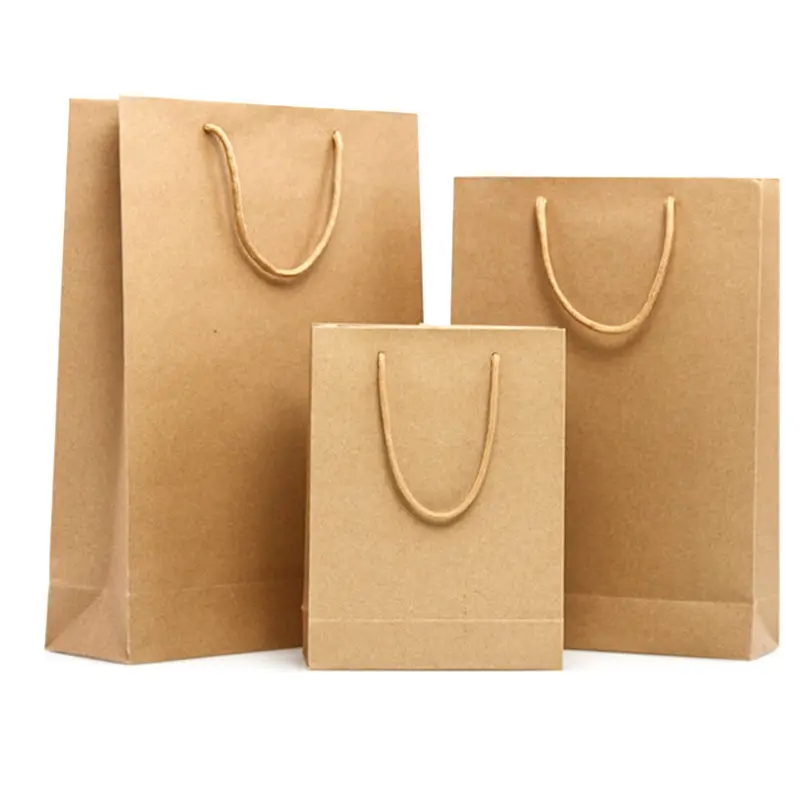
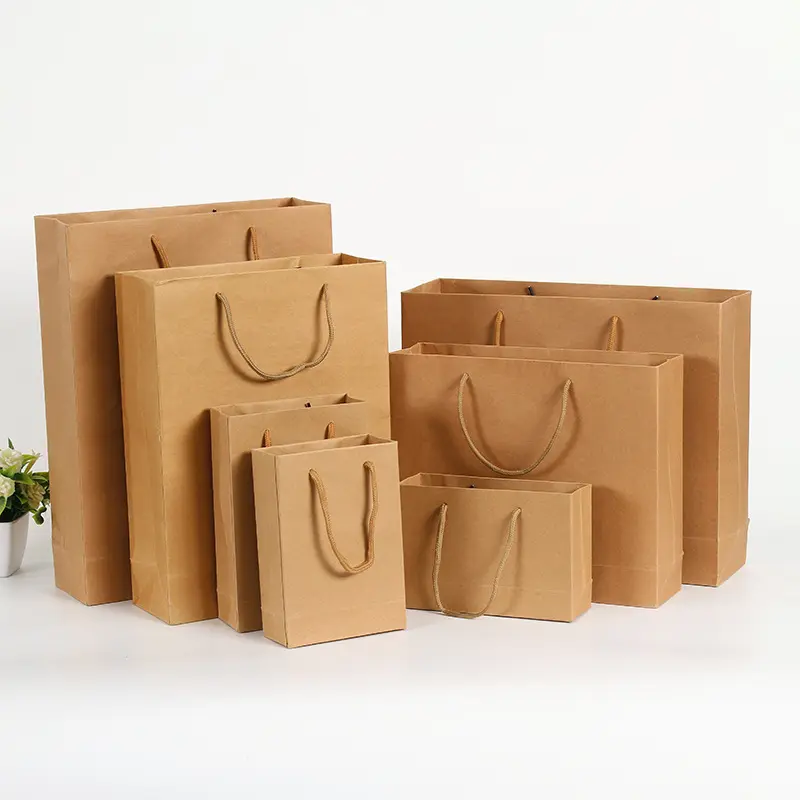
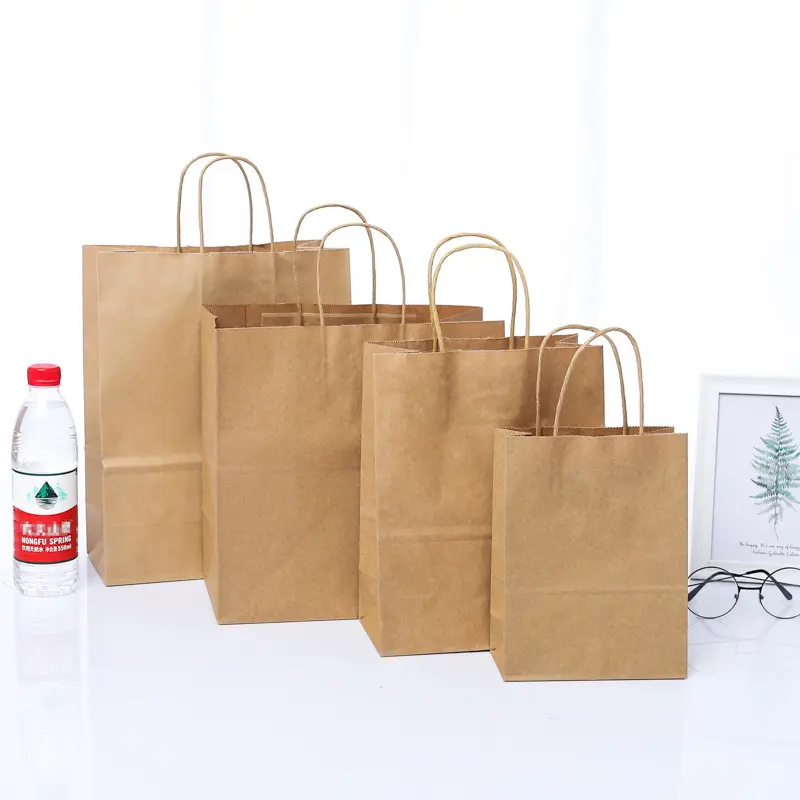
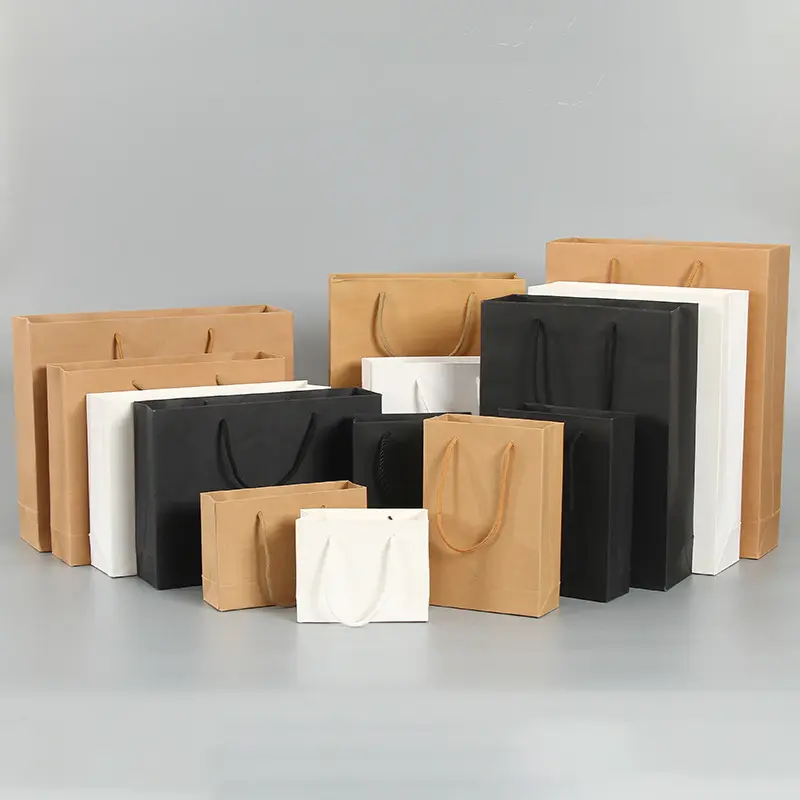
Shopping bags are versatile packaging solutions designed for carrying purchased items across retail, grocery, and personal use—with the flexibility to hold t shirts, food, accessories, and other goods. These bags are available in a variety of materials to suit different needs and preferences: low density polyethylene (LDPE) for cost effective single use (ideal for impulse t shirt purchases), kraft paper or white cardboard for eco friendly retail (suitable for premium t shirt presentation), and reusable materials like cotton, canvas, or RPET (for long term use with multiple t shirts or groceries). Each material meets relevant safety standards: plastic variants comply with FDA 21 CFR Part 177 and EU 10/2011; paper bags adhere to FDA 21 CFR Part 176.170; and reusable options meet GOTS or OEKO TEX standards. Design features vary by material but often include handles (integrated for plastic, stitched for reusable), stable bottoms (seamless for plastic, folded for paper), and customizable elements (printing, colors) for branding. Sizes range from compact (30x25 cm) for small purchases (1 2 t shirts) to large (50x60 cm) for bulk items (4+ t shirts or groceries). Application scenarios are universal: in clothing stores, they package t shirts at checkout; in supermarkets, they carry a mix of t shirts and food items; in daily life, they serve as personal bags for transporting t shirts to work or the gym. A real world example is a large department store that offers three types of shopping bags: LDPE plastic for budget conscious customers, kraft paper for eco minded shoppers, and cotton reusable bags for loyalty program members. This variety allowed the store to cater to diverse customer preferences, and sales of t shirts packaged in reusable bags increased by 15% as customers valued the long term utility. Another case is a community market that provided free paper shopping bags to vendors. The bags were used to carry handcrafted t shirts and local produce, and the market’s logo print on the bags boosted community recognition. For businesses and individuals, shopping bags are an essential tool that balances functionality, cost, and values (e.g., sustainability). Factors to consider when selecting shopping bags include use frequency (single use vs reusable), item type (fragile vs durable), and brand alignment (budget vs premium). Interested parties can contact us to explore material options, size variations, and how shopping bags can support specific retail or personal needs.