
 EN
EN
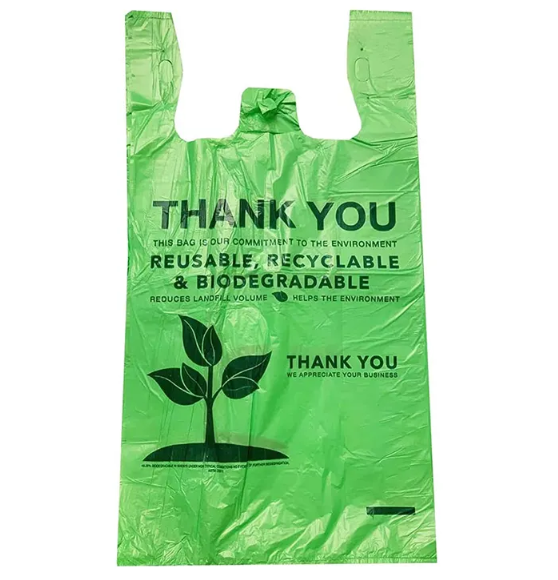
How Biodegradable Poly Bags Work: Science, Standards, and Real-World Performance
Polymer Foundations: PLA, PHA, and rPET Blends Explained
Biodegradable plastic bags are made using specially designed polymers like PLA which comes from corn or sugarcane, PHA that's actually produced when bacteria ferment certain substances, and blends of rPET which is basically recycled plastic. What makes these different from regular plastics is their special chemical bonds that get broken down by microbes when conditions are right, turning them into water, carbon dioxide, and some organic matter. For food packaging in stores, PLA works great because it stays clear and maintains shape. PHA has shown real promise in breaking down both in oceans and soil, so farmers often use it for covering crops or companies need it for outdoor shipping materials. The rPET mixtures help save resources, though manufacturers have to work hard to ensure they still break down properly while keeping their strength intact for actual use cases.
Biodegradability vs. Compostability: Clarifying Misleading Claims
- Biodegradability refers broadly to microbial breakdown in natural environments—soil, freshwater, or marine—but with no defined timeframe or residue requirements. Under suboptimal conditions, degradation may take years or stall entirely.
- Compostability, by contrast, is a strict, standardized claim: complete disintegration into non-toxic, nutrient-rich humus within 180 days under controlled industrial composting conditions (58–60°C, high humidity, and active microbial consortia).
ASTM D6400 (U.S.) and EN 13432 (EU) certifications verify compliance. Bags labeled “biodegradable” without such certification often lack third-party validation—raising greenwashing concerns. True compostables fully disintegrate within 12 weeks in certified facilities and leave zero microplastics or ecotoxic residues.
The ASTM D6400 Gap: Why Lab Certification Field Degradation
ASTM D6400 provides essential benchmarking—but its controlled lab environment doesn’t reflect real-world variability. Key discrepancies include:
| Lab Condition | Field Reality | Impact on Degradation |
|---|---|---|
| Constant 58°C | Fluctuating temps | Slows or halts microbial activity |
| Optimized moisture | Drought/rain cycles | Disrupts hydrolysis and enzymatic action |
| Uniform microbe mix | Variable soil biology | Incomplete polymer chain scission |
ASTM certified bags can stick around for ages in different environments. They hang out in landfills where there's not much microbial activity, float around in oceans with their cold temperatures and lack of nutrients, or sit in home compost piles that don't get hot enough. A recent study published in Environmental Science & Technology back in 2022 showed something interesting too. About 60 percent of those bags labeled under ASTM D6400 standard were still holding together after sitting in simulated ocean conditions for 18 whole months. That really puts into question whether getting certified is actually enough when it comes to real world performance. When choosing materials, companies need to think about what happens at the end of a product's life cycle. The infrastructure available matters way more than just passing some lab tests.
Environmental Impact of Biodegradable Poly Bags Across Key Applications
Food Packaging vs. Logistics Films: Matching Material to Function
What something needs to do determines what material gets used—and getting this wrong really messes things up for both how well it works and how green it is. Take food packaging for instance. PLA has these great oxygen barrier properties that actually help keep stuff fresh longer, plus it breaks down properly in industrial composting facilities within reasonable time frames. When we look at logistics films though, they need to be tough enough to withstand rough handling during transport. PHA stands out here because it holds up well outdoors and will degrade across various environments. The rPET blends are another option since they contain recycled materials and provide good structural strength too, as long as manufacturers don't mess around with their compostability features. Putting PLA in heavy duty shipping containers leads to problems down the road with failures happening sooner than expected, creating more waste overall. And if someone tries using regular PHA (without those special barrier properties) for perishable goods, guess what happens? Spoilage rates go through the roof. Getting the right material matched to the job isn't just about making things work better—it also makes sure our planet doesn't pay the price for poor choices.
Lifecycle Analysis: 42% Lower Carbon Footprint vs. LDPE (EPA, 2023)
Per the U.S. EPA’s 2023 lifecycle assessment, certified biodegradable poly bags generate 42% fewer greenhouse gas emissions than conventional LDPE across cradle-to-grave stages. This reduction stems from:
- Renewable feedstocks (e.g., corn starch, sugarcane) displacing fossil-derived monomers
- Lower-energy polymerization and extrusion processes
- Avoidance of landfill methane emissions when properly composted
Crucially, this benefit is contingent: it assumes collection, transport, and processing in industrial composting facilities. Without access to such infrastructure, degradation slows dramatically—reducing or eliminating the carbon advantage. Deployment should therefore prioritize regions with mature composting systems, where the full 42% mitigation potential is realized.
Aligning Biodegradable Poly Bags with Circular Economy and Regulatory Goals
Closing the Loop: Composting Infrastructure Readiness and Feedstock Recovery
The whole point of biodegradable plastic bags is to support circular economies, but they really only work if there's proper infrastructure in place to handle them. The problem? Less than one out of every six American cities actually has those special composting facilities needed to process the kind of materials that meet ASTM D6400 standards. That's quite a big hole in the system. What happens instead is pretty frustrating. These so-called eco-friendly bags end up going into regular landfills or mixed in with normal recyclables where they just sit there doing nothing. They don't break down as promised, and no recycler wants to deal with them either. So basically, all that effort to make them biodegradable goes completely wasted.
Three interdependent challenges limit scalability:
- Stringent contamination thresholds (≤0.5% non-compostables) required by most facilities
- Limited compatibility with anaerobic digestion—common in municipal organic waste programs
- Feedstock recovery averages just 63% even in leading composting regions like California and the Pacific Northwest
Real progress depends on policies working together. We need Extended Producer Responsibility programs to cover the costs of collecting waste materials. Public money should go toward building composting centers across different regions. And people need better education about proper disposal methods, not just awareness campaigns that tell them what to do without explaining how it works. When modern infrastructure meets advances in materials research, certain certified biodegradable plastic bags can break down quite well. Studies show these bags turn into usable agricultural compost at around 89% efficiency after about three months in the right conditions. That means those everyday plastic items we throw away could actually become something useful for enriching soil instead of sitting in landfills forever.
Business Value of Adopting Biodegradable Poly Bags
Brand Differentiation, ESG Reporting, and Compliance in EU & California
Going green brings real business benefits that go way beyond just being environmentally friendly. According to IBM research from last year, around three out of four people worldwide consider sustainability when making purchases. This means companies using certified biodegradable packaging actually build stronger trust with customers and stand out better in the marketplace. Plus there's the ESG angle too. When businesses track how much compostable material they use, what percentage gets diverted from landfills, and can show where these materials end up after disposal, it helps meet important standards like GRI 306 on waste management and SASB requirements. All this documentation makes investors feel more confident about supporting these companies while improving their overall ESG scores significantly.
Regulations are pushing companies to adopt new practices faster than ever before. Take California's SB-270 law for instance. It bans those single use plastic shopping bags we all know so well and requires restaurants to switch to compostable packaging options instead. Across Europe things are getting stricter too. The EU's Single Use Plastics Directive means businesses must follow specific labeling rules, and there's a hefty fine of 800 euros per ton waiting for anyone who tries to bring non compliant materials into the market. Companies that get ahead of this curve by going with ASTM D6400 or EN 13432 certified products will stay on the right side of these regulations. Plus they'll be better prepared when laws continue to tighten over time. These forward thinking businesses position themselves as leaders in sustainability rather than just scrambling to catch up after the fact.
FAQ
- What are the main types of biodegradable polymers used in poly bags?Biodegradable plastic bags commonly use PLA (from corn or sugarcane), PHA (produced by bacteria), and blends of rPET (recycled plastic).
- How do compostability standards impact biodegradable bags?Compostability standards such as ASTM D6400 and EN 13432 ensure complete disintegration within specific conditions and verify compliance to prevent greenwashing.
- What challenges exist in composting infrastructure for biodegradable poly bags?Less than 17% of American cities have composting facilities suitable for ASTM D6400 materials, leading to ineffective degradation processes in local landfills or recycling systems.
- What are the environmental benefits of biodegradable poly bags?These bags generate 42% fewer greenhouse gas emissions compared to conventional LDPE, assuming proper composting infrastructure is available.
- How do regulations affect the adoption of biodegradable poly bags?Regulations like California’s SB-270 and the EU’s Single Use Plastics Directive encourage compliance with compostable materials to avoid fines and support sustainable practices.