
 EN
EN
Understanding the True Cost of Custom Packaging Bags
Fixed vs. Variable Costs in Custom Packaging Bag Production
When it comes to custom packaging bags, there are basically two types of expenses to consider: fixed costs and variable ones. The fixed stuff includes things like design work, tooling charges, and setting up plates. These typically run between about $500 to $2,000 upfront, no matter how many bags someone wants. Then we have variable costs which go up as production increases. Materials alone can range from around 15 cents to 50 cents per unit when using polypropylene, plus labor costs and printing expenses. There's definitely value in buying in bulk too. Someone who orders 10,000 units instead of just 1,000 might see their material costs drop by nearly half. That's why companies often find themselves paying way more per bag when they place smaller orders. Larger production runs spread out those initial setup costs much better across all units produced, so figuring out what volume makes sense financially becomes pretty important for anyone trying to keep manufacturing costs under control.
MOQ Requirements and Hidden Fees That Inflate Total Investment
Most suppliers set minimum order quantities around 1,000 to 5,000 units for custom printed bags. Order too few and expect to pay extra per unit, sometimes as much as 30%. The real gotchas come after the base price though. Hidden costs eat into profits fast: getting colors matched right can cost between $75 and $200 for each shade wanted. Keep inventory stored past 30 days and expect monthly charges of 2-5%. Want something rushed? That'll run an additional 15-25%. And don't forget about international shipping costs and import duties when ordering overseas. All these extras combined can push the final bill anywhere from 18% to 35% higher than what was originally quoted. Smart buyers always ask for a detailed breakdown of all costs item by item before signing any contracts with suppliers.
Measuring the Strategic Value of Custom Packaging Bags
Brand Differentiation and Measurable ROI from Distinctive Design
Distinctive custom packaging bags do more than hold products—they reinforce identity and drive measurable business outcomes. Research from the Packaging Impact Study 2023 shows unique designs increase brand recall by 40% compared to generic alternatives, delivering tangible returns:
- 30% higher repeat purchase rates among brands with signature packaging
- 68% of consumers associate custom packaging with superior product quality—enabling justified price premiums
- 22% reduction in price comparison behavior, strengthening competitive insulation
Each unboxing becomes a deliberate brand touchpoint—turning functional delivery into consistent, cumulative marketing value.
Enhanced Unboxing Experience and Organic Social Sharing Impact
Thoughtfully engineered custom packaging bags transform routine unboxing into emotionally resonant moments that fuel organic reach. When design engages the senses—through texture, structural novelty, or personalized details—consumers respond authentically:
- 52% share their unboxing experience on social platforms, generating authentic third-party validation
- User-generated content delivers 6.8x higher engagement than brand-produced posts
- Each shared unboxing video yields an estimated $185 in equivalent media value, amplifying reach without added ad spend
This experiential layer extends brand impact far beyond the point of sale—converting customers into advocates through design-led storytelling.
Material Selection for Custom Packaging Bags: Performance, Perception, and Responsibility
Poly, Kraft, Recycled, and Compostable Options Compared
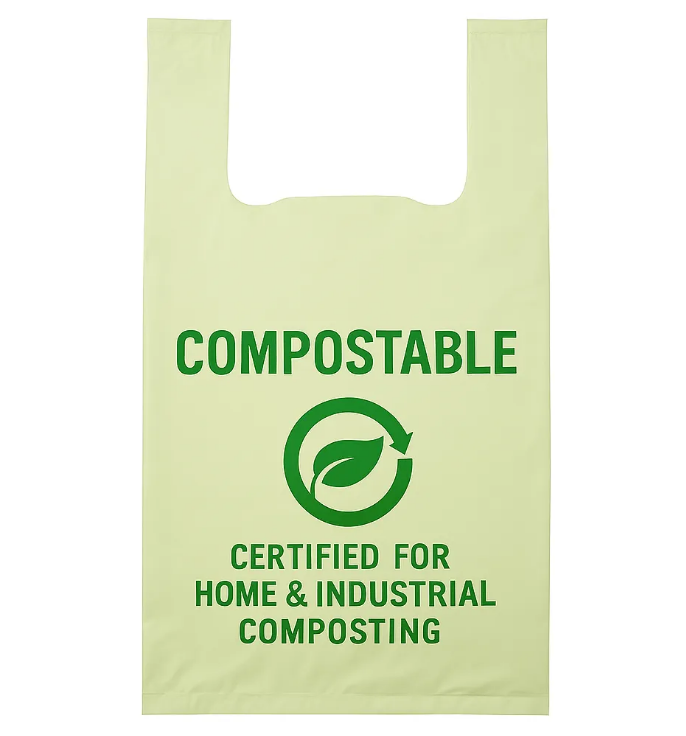
Picking the best material involves weighing several factors: how well it protects products, what customers think about it, and whether it makes sense for the environment. Take polyethylene or "poly" for instance. It's super durable and keeps things dry, plus it costs less per unit than most alternatives. But there's a catch. Since it comes from fossil fuels and sticks around in landfills forever, many companies are looking elsewhere these days. Kraft paper is another option that gets points for being made from renewable resources and easy to recycle. However, some recent testing by Cambridge Institute shows problems when shipping heavier goods. Their data suggests kraft paper breaks down 27% more frequently compared to other materials because it just isn't as tough when torn. Recycled plastics offer something different. They cut down on new resource consumption since they contain between 30 to 100 percent used material. The downside? Printing quality suffers sometimes, and batches don't always match up visually. Then there are compostable options like PLA and PHA bioplastics. These will decompose in industrial facilities within about six months, which fits nicely with circular economy ideas. Still, most places simply don't have enough composting facilities to make this work on a large scale right now.
Trade-offs across key dimensions:
- Performance: Poly > Recycled > Kraft > Compostable
- Eco-Perception: Compostable > Kraft/Recycled > Poly
- Cost per Unit: Poly ($0.07) < Recycled ($0.11) < Kraft ($0.15) < Compostable ($0.22)
Food brands often prioritize compostables amid tightening regulatory expectations, while e-commerce operators lean toward poly or recycled blends for damage prevention. The optimal choice aligns material properties with both product requirements and stated sustainability commitments—ensuring custom packaging bags deliver functional integrity and brand integrity.