
 EN
EN
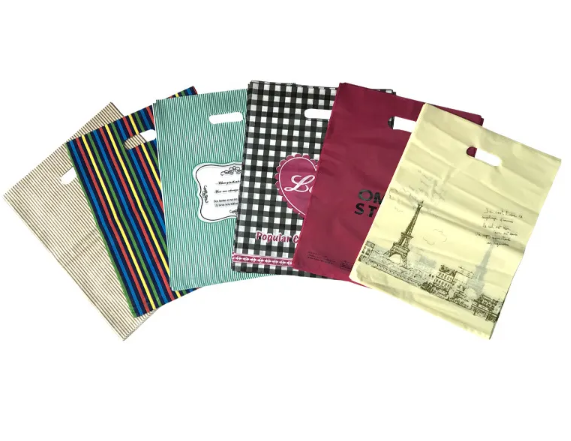
Align Packaging Bags with Product Protection Needs
Assessing size, weight, fragility, and chemical sensitivity to select optimal packaging bags
First thing to do is check out what size and how heavy the product actually is. Big packaging bags just waste stuff and make shipping way more expensive, whereas small ones can lead to broken goods during transport. When dealing with delicate things such as glassware, it's smart to put them inside something soft like padding or those bubble mailer things that cushion against shocks. Products like electronics and meds need special treatment too since they get messed up easily by static electricity or rust. These kinds of items should go into bags designed specifically for protection against these problems. The CPSC reports that around one quarter of all damage happens because packages don't match properly with what they're carrying, so getting this right matters a lot for keeping products safe on their journey.
Evaluating barrier properties and durability of packaging bags against moisture, puncture, and transit hazards
When picking out packaging materials, look for ones that actually work as barriers against environmental factors. Moisture is a big concern, so checking the Water Vapor Transmission Rate (WVTR) makes sense for items sensitive to humidity changes. Products that are either sharp or particularly heavy require something stronger than basic packaging. Multi layered laminates tend to do better when they can resist punctures over 200 Newtons of force. Testing how packages hold up under real conditions matters a lot. ISTA certified drop tests give valuable insights here. Studies indicate around 35% of returned items from online shopping happen because the packaging couldn't keep moisture out properly. Another thing worth noting: bags rated below 400 grams-force tear strength have about seven times higher failure rate in those automated warehouses where most orders get processed these days. That's why matching package strength to what distribution channels actually demand becomes so important for businesses wanting to minimize losses and customer complaints.
Compare Packaging Bags by Sustainability, Compliance, and Performance
Flexible packaging bags vs. rigid alternatives: lifecycle impact, ISPM 15/UN certification, and functional trade-offs
Flexible packaging bags actually save quite a bit on materials compared to their rigid counterparts, somewhere between 30 to 70 percent according to EPA figures from 2025. This reduction means less stuff going into landfills and fewer emissions during transportation. But there's a catch these flexible bags usually need special recycling facilities. Rigid containers such as those PET bottles we all know have managed to reach about 29% recycling rates globally. When it comes to meeting regulations, bags certified under UN standards handle hazardous materials just fine (looking at standards 6.1 and 6.2). The ISPM 15 regulation? That one is specifically for wooden pallets, not applicable to bags at all. So what do companies face when choosing between these options?
- Barrier performance: Rigid packaging generally offers superior oxygen and moisture resistance for sensitive goods
- Damage resistance: Flexible bags absorb drops better but are more prone to punctures
- Certification costs: ISPM 15 compliance increases wood packaging costs by 8–12%, versus 3–5% for UN-certified bags.
Circularity benchmarks for packaging bags: recyclability, compostability, and post-consumer recycled content (EPA, EU PPWD)
The EU Packaging and Packaging Waste Directive (PPWD) requires 65% recyclability for packaging bags by 2025. Compostable variants must break down in industrial facilities within 12 weeks. Leading benchmarks include:
- Recyclability: Mono-material PE or PP bags achieve 55–60% reprocessing rates, far exceeding the <15% for multi-layer laminates
- Post-consumer recycled (PCR) content: EPA guidelines recommend ≥30% PCR to reduce reliance on virgin plastic
- Compostability: Products meeting ASTM D6400 decompose in industrial settings; home-compostable options take up to 180 days and make up just 12% of certified solutions.
Optimize Packaging Bags for E-Commerce Efficiency and Brand Impact
Right-sizing and lightweighting packaging bags to reduce dimensional weight fees and carbon emissions (FedEx/UPS data)
Getting the right size packaging helps avoid those extra charges carriers such as FedEx and UPS apply for dimensional weight. When packages are too big for their actual contents, shipping costs go up around 20 percent on average, plus it creates more carbon emissions per shipment. The industry calls it lightweighting when companies switch to thinner but stronger materials for their packaging. Carrier sustainability reports show this approach cuts down parcel weights between 15% to 30%. Combining proper sizing with lighter materials saves money on logistics while helping meet environmental standards. Take a company sending out 10 thousand packages each year. If they manage to reduce packaging weight just 10%, that would keep roughly 2.5 tons of CO2 out of the atmosphere every single year.
Leveraging packaging bags as a touchpoint for unboxing experience, shelf appeal, and brand storytelling
Bags do much more than just protect products - they actually define how customers first physically connect with a brand. When companies invest in custom printed designs, what starts as simple packaging becomes something special when someone opens their package. Research shows this kind of thoughtful approach can lift customer happiness rates around 18% according to some online shopping studies. For stores on shelves everywhere, eye catching graphics combined with sturdy construction really helps products stand out among competitors. Brands that switch to eco friendly options such as recycled plastic or compostable alternatives are sending clear messages about what matters most to them. And here's something interesting: these basic yet impactful packaging choices often work better at building brand recognition compared to those fancy outer boxes we sometimes see.