 EN
EN
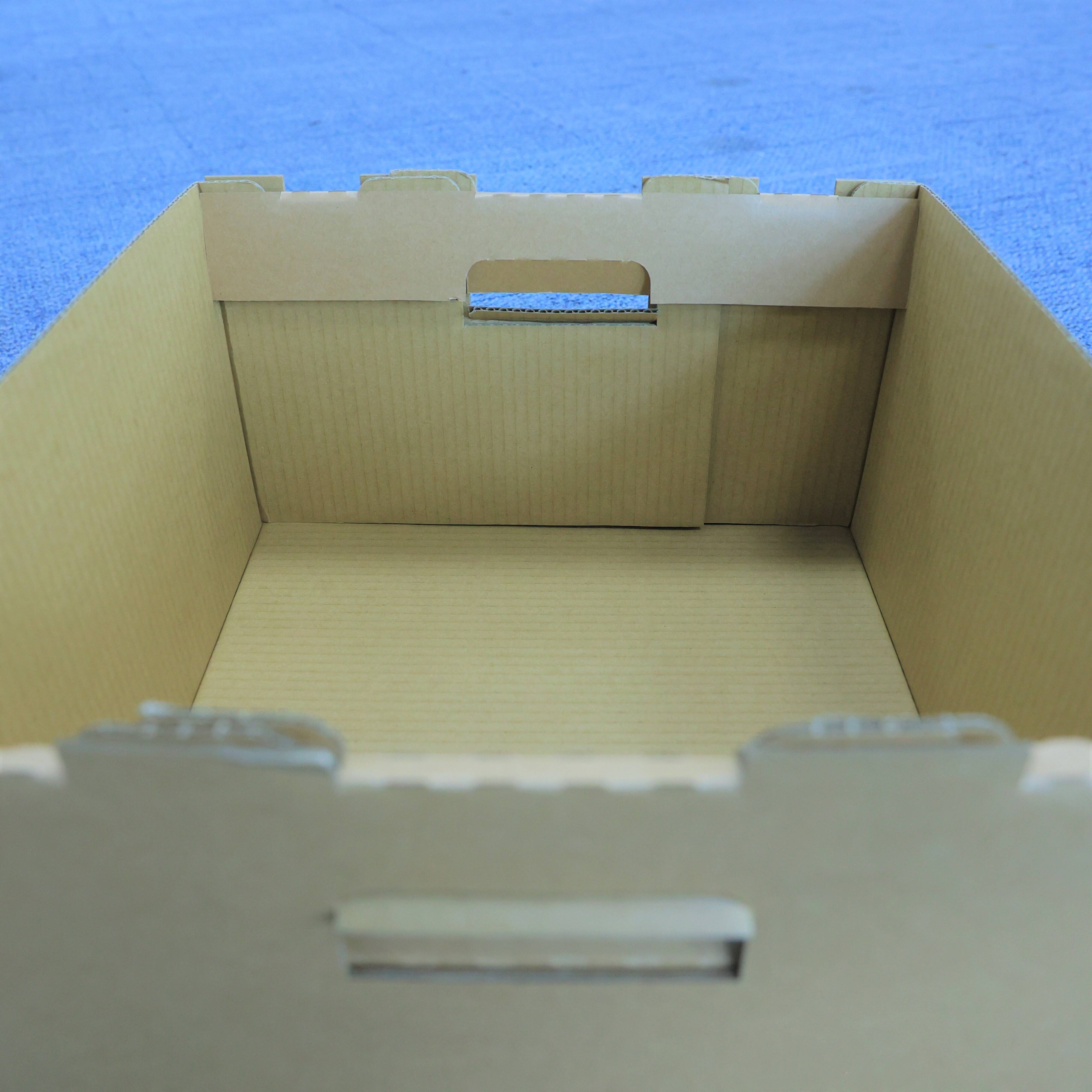
In the entire chain of cross-border logistics and domestic long-distance shipping, the protective performance of packaging directly determines the cargo intact rate, logistics costs and supply chain efficiency. Ordinary paper cartons are prone to softening, damage and collapse due to moisture, jolting and stacking pressure in the shipping environment, which in turn leads to losses such as cargo damage and logistics delays. Wax coated boxes have become a high-quality solution to solve the pain points of shipping packaging with their special technical treatment. As a global eco-friendly packaging solution provider with more than 20 years of experience in the packaging industry, Richer Group has created shipping-specific wax coated boxes optimized for different shipping scenarios such as sea, land and air transport by virtue of advanced production technology and a full industry chain layout, which perfectly adapt to the shipping packaging needs of all types of cargo. This article will deeply analyze the key advantages of wax coated boxes for shipping, and explain why they have become the first choice for logistics shipping packaging by combining the product and service characteristics of Richer Group.
1. Superior Moisture and Water Resistance, Adapting to Diverse Shipping Environments
Moisture and water resistance is the core advantage of wax coated boxes for shipping, and also the key to solving the shipping pain points of ordinary cartons. The wax coated boxes of Richer Group adopt a composite coating process of food-grade paraffin and microcrystalline wax, forming a dense and uniform water barrier film on the surface of kraft paper. It can effectively block sea water splashes in sea shipping, rain immersion in land shipping, and condensed water penetration in cold chain shipping, fundamentally avoiding the softening and deformation of cartons due to moisture absorption. Whether it is the high-humidity Southeast Asian sea shipping routes or the rainy inland long-distance land shipping, these cartons can maintain structural stability and provide a reliable protective barrier for cargo, which is also their most significant shipping adaptation advantage compared with ordinary cartons.
2. High Resistance to Damage, Pressure and Wear, Greatly Reducing Shipping Damage Rate
Friction during loading and unloading, long-distance jolting and stacking pressure are the main causes of packaging damage and cargo loss in the shipping process. Through the deep integration of wax layer and paper fibers, wax coated boxes have greatly improved the overall toughness, tear resistance and structural strength of cartons: the wax layer reduces the friction coefficient of the carton surface, reducing wear with carriages and other cargo during loading and unloading; the hardened carton structure can withstand the pressure of multi-layer stacking, avoiding carton collapse during shipping; the excellent tear resistance can resist external impact caused by jolting. Relying on a strict quality control system, the pass rate of wax coated boxes produced by Richer Group in the first inspection reaches 98.7%, which can reduce the cargo shipping damage rate by more than 80%, fundamentally reducing the costs of return, exchange and replenishment for enterprises due to cargo damage.
3. Stiff Structure for Easy Stacking, Improving Loading and Logistics Efficiency
The improvement of shipping efficiency is inseparable from the loading optimization of packaging. Wax coated boxes retain the lightweight characteristics of paper packaging, and the wax layer treatment greatly improves the stiffness of cartons, making them more neat and less likely to topple when stacked. When loading in containers and truck carriages, more compact arrangement can be achieved, effectively increasing the loading capacity per unit space and reducing the number of shipping trips and container usage. For the size and weight of different cargo, Richer Group can also provide customized size design of wax coated boxes to further optimize loading density. Especially for enterprises engaged in cross-border sea shipping, it can significantly reduce the freight cost per unit cargo and improve the overall logistics and shipping efficiency.
4. Safe and Compliant Materials, Adapting to Full Range of Cargo Shipping
Shipping packaging not only requires protective performance, but also needs to meet the safety and compliance requirements of different types of cargo. The shipping-specific wax coated boxes of Richer Group use food-grade kraft paper as the base paper, and the coating material meets the FDA food contact standards, and has passed a number of international certifications such as ISO9001, BSCI and FSC. They can not only adapt to the shipping of food-related cargo such as food, fresh produce and beverages, but also meet the packaging needs of non-food cargo such as hardware, electronics, daily necessities and medical consumables. For enterprises with cross-border shipping needs, the material and process of these cartons comply with the packaging regulations of most countries and regions in the world, which can effectively avoid customs clearance delays caused by non-compliant packaging and help cargo enter the international market smoothly.
5. Customized Shipping Packaging Solutions from Richer Group
In addition to the inherent product advantages of wax coated boxes, Richer Group can also provide enterprises with one-stop customized shipping packaging services, maximizing the shipping advantages of wax coated boxes. Relying on a 13,000 square meter modern production base and advanced equipment including 24 film-blowing machines, 44 cutting machines and 8 printing machines, it realizes large-scale and standardized production of wax coated boxes, and the annual film-blowing capacity of 2,500 tons can meet the large-batch procurement needs of enterprises; at the same time, it provides OEM/ODM customization services, which can adjust the wax layer thickness and carton structure according to cargo characteristics and shipping scenarios, and even add customized printing and logos; with the transportation advantages of Xiamen's proximity to Gaoqi Airport and seaport, as well as the overseas layout of Vietnam Richer Eco Tech Co., Ltd., it realizes fast global delivery of wax coated boxes, ensuring the stability of enterprises' supply chains.
Conclusion
The key advantages of wax coated boxes for shipping are reflected in their adaptation to all shipping scenarios, all-dimensional protection of cargo, and all-round improvement of logistics efficiency, which is also the key reason why they can replace ordinary cartons as the mainstream choice for shipping packaging. With more than 20 years of experience in the packaging industry, advanced manufacturing capacity, strict quality control system and global supply chain layout, Richer Group has deeply integrated the technology of wax coated boxes with shipping needs. The shipping-specific wax coated boxes created by Richer Group can not only solve the shipping packaging pain points of enterprises, but also help enterprises reduce costs and increase efficiency through customized services and global delivery capabilities. Under the development trend of the logistics and shipping industry pursuing high efficiency, safety and greenization, the wax coated boxes of Richer Group have become a reliable packaging partner for enterprises in cross-border and domestic shipping, helping cargo reach the destination safely and efficiently.
Table of Contents
- 1. Superior Moisture and Water Resistance, Adapting to Diverse Shipping Environments
- 2. High Resistance to Damage, Pressure and Wear, Greatly Reducing Shipping Damage Rate
- 3. Stiff Structure for Easy Stacking, Improving Loading and Logistics Efficiency
- 4. Safe and Compliant Materials, Adapting to Full Range of Cargo Shipping
- 5. Customized Shipping Packaging Solutions from Richer Group
- Conclusion