
 EN
EN
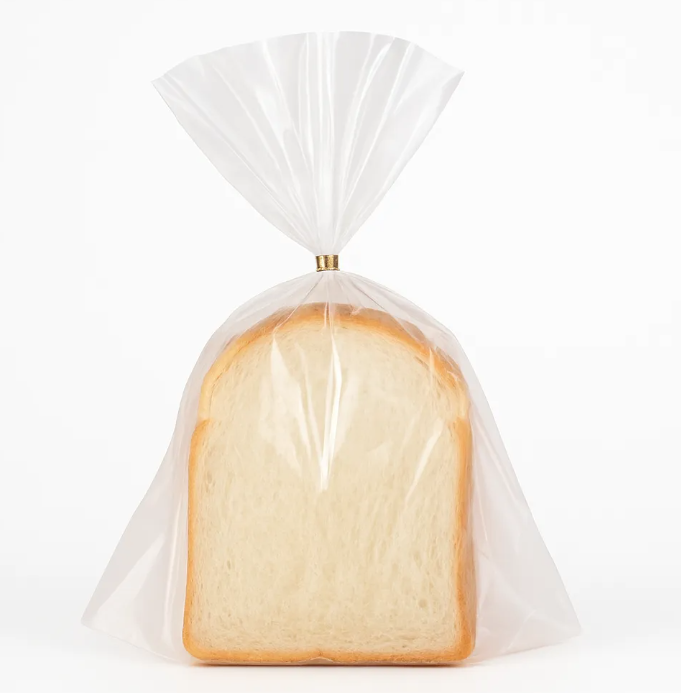
How Bread Bags Prevent Staling and Maintain Texture
Understanding the staling process and starch retrogradation
The main reason bread goes stale has to do with something called starch retrogradation. Basically, this happens when those starch molecules start to recrystallize after the bread comes out of the oven, making the inside get all tough and dry. The process actually kicks in pretty quickly once the loaf starts cooling down and just keeps getting worse over time. That's why fresh bread from the bakery feels so soft at first but turns rock hard if left around too long. Good quality bread storage bags help fight this problem by creating a sort of protective bubble around the loaf. These special bags keep moisture from escaping and stop the bread structure from breaking down as fast. Most people notice their bread stays fresh tasting for about three days in these bags instead of going bad within 24 hours like regular plastic wrap or paper does.
Moisture retention: How bread bags minimize drying and condensation
Effective bread bags maintain optimal humidity levels by trapping 85—90% of internal moisture, reducing water loss by 60% versus unwrapped bread. Advanced materials incorporate micro-perforations that allow controlled vapor exchange, preserving crumb softness while preventing excess condensation that can soften crusts or encourage mold growth.
Barrier protection against oxygen and environmental contaminants
Multilayer films in modern bread bags block over 99% of oxygen, significantly slowing lipid oxidation that leads to rancidity. These barriers also protect against airborne mold spores, dust, and bacteria. Industry tests show properly sealed packaging reduces microbial contamination risks by 70—80% during a standard 7-day shelf life.
Breathable vs. airtight: Evaluating packaging ventilation trade-offs
- Breathable bags (paper/polypropylene blends): Best for crusty artisan breads requiring airflow to preserve crispness, limiting moisture loss to ⅜0.5% per day
- Airtight bags (LDPE/LLDPE laminates): Ideal for soft sandwich loaves needing 95%+ humidity retention
- Hybrid designs: Combine perforated zones with sealed sections to balance texture preservation and spoilage prevention
Recent innovations include humidity-responsive films that adjust permeability based on internal conditions—extending freshness by 35% in independent trials.
Extending Shelf Life with Effective Bread Packaging Solutions
Sealed Packaging and Its Impact on Delaying Mold and Spoilage
Sealed bread bags inhibit mold growth by creating a low-oxygen microclimate. A 2023 Food Protection Association study found that packaging with less than 2% oxygen permeability reduces mold incidence by 78% compared to unsealed alternatives. This same controlled atmosphere slows starch retrogradation, preserving softness and extending shelf life by 4—7 days.
Industry Data on Shelf Life Extension from Proper Bread Bag Use
According to American Bakers Association (ABA) benchmarks, proper packaging extends bread shelf life 2.5 times longer than uncovered products. Sealed polyethylene bags maintain ideal humidity levels (75—85% RH), delaying crumb hardening for up to 96 hours. Retailers using moisture-proof bags compliant with ASTM D3985 oxygen barrier standards report 32% fewer stale product returns.
Case Study: Packaged vs. Unpackaged Bread in Retail Distribution
A 12-week trial tracking 10,000 loaves across three climate zones showed vacuum-sealed bread remained fresh for 11—14 days at 85°F and 60% RH, while unpackaged bread developed mold within 72 hours. Economic analysis revealed bakeries using optimized packaging reduced shrink by 19%, translating to $8,400 in annual savings per store location.
Material Science of Bread Bags: Performance and Protection
Common Materials Used in Bread Bags (LDPE, PP, LLDPE)
Low-Density Polyethylene (LDPE) is the most widely used material due to its clarity, flexibility, and reliable heat sealing. Polypropylene (PP) provides higher heat resistance, making it suitable for warm packaging processes. Linear Low-Density Polyethylene (LLDPE) enhances puncture and tear resistance, crucial for protecting bread during transport and handling.
Polyethylene Films and Their Moisture-Proof, Anti-Oxidation Properties
LDPE’s semi-crystalline structure achieves a water vapor transmission rate (WVTR) of 15—20 g/m²/day (Flexible Packaging Association 2023), helping maintain internal humidity between 75—85%. Its hydrophobic nature prevents condensation buildup, while antioxidant additives in PP films reduce lipid oxidation—cutting rancidity risk by up to 40% compared to uncoated paper wraps.
Evaluating Barrier Performance Against Moisture Loss and External Humidity
The effectiveness of barriers really comes down to how thick the film is and what additives are layered into it. Studies done last year found that LDPE films at 70 microns keep moisture loss around 2.1% after seven days, which beats the 50 micron versions that let out about 4.8%. But there's a catch with making things too airtight. In places where humidity runs high, these super tight seals can actually trap too much moisture inside. That's why many manufacturers now incorporate tiny holes called microperforations, usually between 0.5 and 3 percent porosity, to manage humidity levels better while still keeping products stable on shelves.
Innovations in Sustainable and Functional Bread Packaging Materials
The compostable PLA films are finally keeping up with LDPE when it comes to how long food stays fresh for around 14 days, plus they help cut down on what ends up in landfills. But there's a catch most companies can't ignore right now these materials typically cost about 25 to 30 percent more than traditional options which is why we haven't seen them take off everywhere yet. For those looking at alternatives that won't break the bank, recycled PET/PE blends have shown promise too. According to recent tests from the Food Packaging Institute back in 2023, these blends managed to keep moisture loss below 1.5% after just seven days in storage conditions. And speaking of innovation, new active packaging tech is starting to emerge where manufacturers actually build oxygen scavengers and ethanol emitters right into the plastic itself. This clever approach extends the time before mold appears by anywhere between three to five extra days all without needing any kind of chemical preservatives added separately.
The Role of Bread Bags in Distribution, Storage, and Consumer Perception
Maintaining Freshness During Transportation and Storage Conditions
Bread bags shield loaves from temperature swings, humidity fluctuations, and physical compression during distribution. Polyethylene-based packaging reduces moisture loss by 42% compared to open-air storage (2023 bakery logistics study), while breathable designs prevent condensation that accelerates spoilage. This dual protection ensures consistent texture and flavor from production to point-of-sale.
Consumer Expectations: How Packaging Integrity Influences Freshness Perception
The state of product packaging really matters when it comes to building consumer trust. About two thirds of people shopping for bread will walk away if they see torn bags or ones that aren't properly sealed. According to a recent 2024 study, when packaging looks good and stays intact, consumers think the bread inside is fresher too, with this perception jumping around 50% higher than what people feel about products that come in repackaged containers or just sit there wrapped loosely. Smart packaging designs make all the difference here. Think about those packages with handy resealable zippers or clear viewing panels that let customers peek at the actual crumb texture before buying, while still keeping everything protected from outside contaminants.
Economic Benefits for Bakeries Using Optimized Bread Bag Solutions
- Waste reduction: High-barrier bags reduce staling- and mold-related returns by 31% (2023 bakery industry report)
- Logistics efficiency: Standardized bag dimensions decrease palletization errors by 19%, lowering distribution costs
- Brand loyalty: Consistent freshness across retail channels boosts repeat purchases by 22% for brands using moisture-resistant packaging
By integrating technical performance with consumer expectations, modern bread bag solutions deliver measurable improvements in product quality, sustainability, and profitability.