 EN
EN
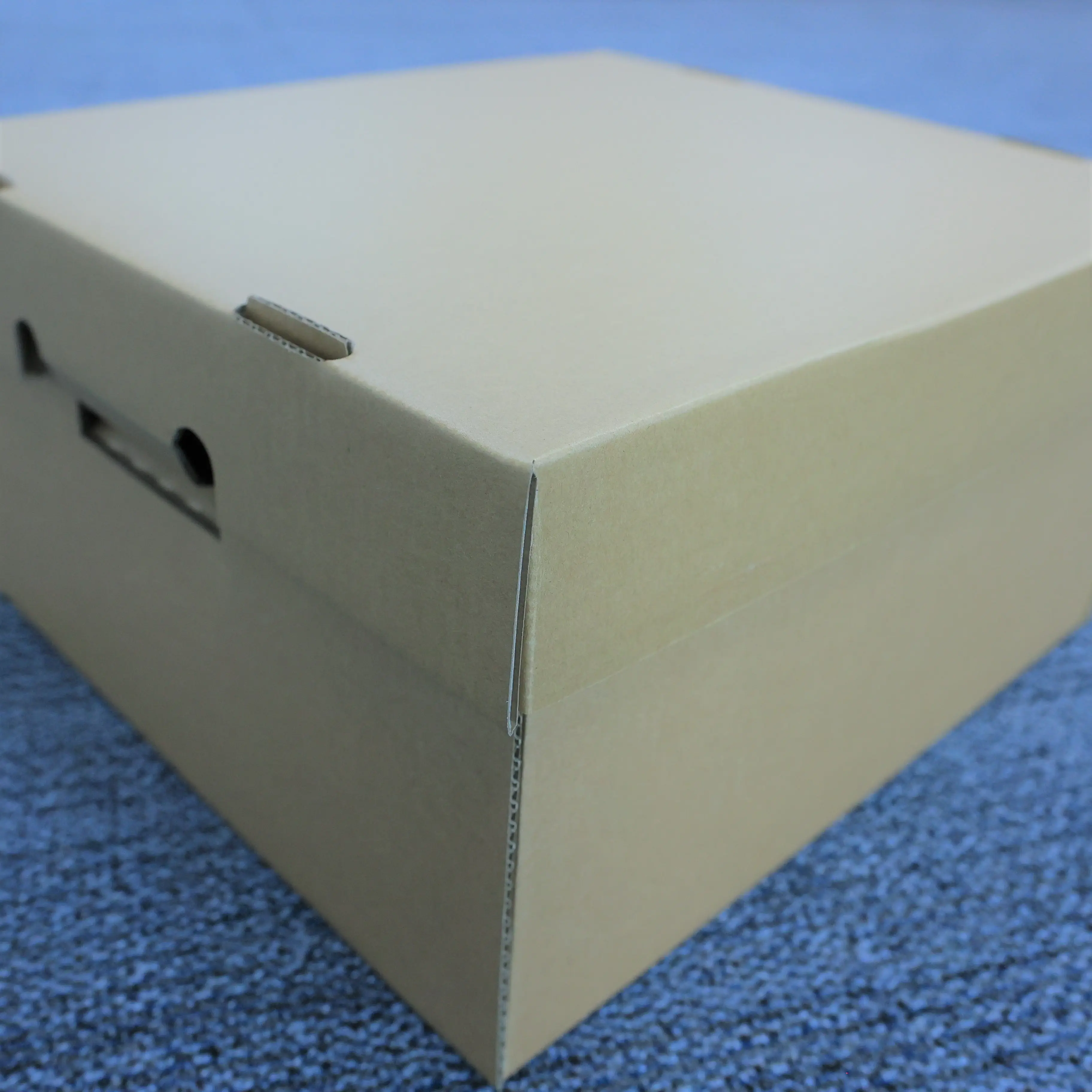
Մետաղական մածուցիկ թղթե տուփերի պաշտպանիչ հատկությունները, կիրառման սցենարները և շրջակա միջավայրի վրա ունեցած ազդեցությունը կախված են հիմնային թղթի և մետաղական մածուցիկ նյութերի համադրությունից: Տարբեր նյութերի համադրությունները հանգեցնում են տուփերի խոնավադիմացության, ճնշման դիմացկունության, սննդային անվտանգության և կենսաքայքայվողության մեջ կարևոր տարբերությունների: Որպես ավելի քան 20 տարվա փաթեթավորման ոլորտում փորձ ունեցող համաշխարհային էկոլոգիապես մաքուր փաթեթավորման լուծումների մատակարար՝ Richer Group-ը խորը հասկացություն ունի մետաղական մածուցիկ թղթե տուփերի նյութերի ընտրության տրամաբանության մասին: Օգտվելով իր ենթակառուցվածքի՝ Xiamen Greenlife Eco Tech Co., Ltd. հետազոտական և մշակման հնարավորություններից և Xiamen Richer Plastic Co., Ltd.-ի արտադրական առավելություններից՝ ընկերությունը ստեղծել է բարձր ճկունություն ունեցող նյութերի համադրության լուծումներ տարբեր սցենարների համար, ինչպես օրինակ՝ տրանսպորտային տրամադրում, թարմ սննդամթերքի և մանրածախ վաճառքի փաթեթավորման համար: Այս հոդվածում կատարվելու է մետաղական մածուցիկ թղթե տուփերի հիմնային թղթերի և մետաղական մածուցիկ նյութերի հիմնական տեսակների մանրակրկիտ համեմատական վերլուծություն և կտրվի մասնագիտական ուղեցույցներ ձեռնարկությունների համար՝ մետաղական մածուցիկ թղթե տուփերի համար համապատասխան նյութերի ընտրության համար՝ հիմնված Richer Group-ի գործնական կիրառման փորձի վրա:
1. Հիմնական ստվարաթղթերի տեսակների և մոմապատված տուփերի բնութագրերի համեմատություն
Մոմապատված տուփերի հիմնային ստվարաթուղթը սակավաթառ տուփերի կառուցվածքային ամրության հիմքն է: Սննդային նշանակությամբ կրաֆտ ստվարաթուղթը, գոլանդավորված ստվարաթուղթը և սպիտակ ստվարաթուղթը ֆիզիկական հատկությունների և կիրառման ոլորտների առումով յուրաքանչյուրն ունի իր առավելություններն ու թերությունները, ինչը նաև Ռիչեր խմբի հաճախորդների համար լուծումների հարմարեցման ժամանակ հիմնական նյութերի ընտրության ուղղությունն է: Մանրամասն համեմատությունը ներկայացված է ստորև.
1.1 Սննդային նշանակությամբ կրաֆտ ստվարաթուղթ
Որպես Richer Group-ի մետաղական ծածկույթով տուփերի հիմնական ստվարաթուղթ, սննդային կատեգորիայի կրաֆտ ստվարաթուղթը պատրաստված է սերտիֆիկացված փայտանյութից, ունի մեծ ճկունություն և սննդի անվտանգություն, չի արձակում վնասակար նյութեր և համապատասխանում է FDA-ի սննդի հետ շփման ստանդարտներին: Նրա գրամաժը սովորաբար 200–400 գ/մ² է, ունի լավ կոշտություն, բարձր ճեղքման դիմացկունություն, հիասքանչ մետաղական շերտի կպչունություն և ավելի կայուն խոնավության ու ջրի դիմացկունություն, ինչը այն հարմարեցնում է թարմ և մշակված սննդի փաթեթավորման ու տրանսպորտավորման համար: Թերություններից է մակերեսի հարթության սովորական մակարդակը, ինչը թույլ է տալիս ավելի թույլ տպագրական էֆեկտ ստանալ հարմարեցված տպագրության դեպքում, և այն հարմար է այն դեպքերի համար, երբ առաջնային է պաշտպանությունը՝ ոչ թե տեսողական ներկայացումը:
1.2 Գունդավորված ստվարաթուղթ
Կարճատեւ թուղթը բաժանվում է մեկ և երկու ալիքավորված տեսակների: Դրա հիմնական առավելությունը լավ խոշորացված և հարվածադիմացող հատկությունն է: Մետաղապատման հետ միասին այն կարող է բարելավել տուփի սեղմման դիմացողությունը՝ միաժամանակ կանխելով խոնավության ներթափանցումը, որը Richer Group-ի համար երկար հեռավորության տրանսպորտավորման և վտանգված ապրանքների փաթեթավորման հիմնական թղթի տեսակն է: Դրա թերություններն են՝ մի փոքր ավելի մեծ քաշը, որը մի փոքր ավելացնում է տրանսպորտավորման ծախսերը, և մետաղապատման գործընթացի նկատմամբ բարձր պահանջները, որը հանգեցնում է անհամասեռ պատումի: Richer Group-ը օգտագործելով 8 մասնագիտական տպագրական և պատման սարքավորումներ՝ կարող է ապահովել ալիքավորված թղթի վրա միատեսակ մետաղապատում և լուծել այս արդյունաբերության խնդիրը:
1.3 Սպիտակ ստվարաթուղթ
Սպիտակ ստվարաթուղթը ունի հարթ մակերես և լավ տպագրական հարմարեցվածություն: Վաքսապատման մշակման հետևանքով այն ունի հիմնարար խոնավադիմացություն: Richer Group-ը հիմնականում օգտագործում է այն մանրավաճառային նվերատուփերի և թեթև սննդամթերքի փաթեթավորման համար՝ հաշվի առնելով ինչպես պաշտպանության, այնպես էլ բրենդի ցուցադրման էֆեկտները: Նրա թերություններն են՝ թույլ ճկունություն և կտրվելու դիմացություն, չափազանց մեծ բեռնավորման դեպքում հեշտությամբ ձևափոխվելը և կրեպ թղթից բարձր արժեքը, ինչը այն անհարմար է դարձնում երկարատև ծովային փոխադրումների և ծանր բեռների փաթեթավորման համար:
2. Վաքսապատված տուփերի վաքսային նյութերի տեսակների և բնութագրերի համեմատություն
Շաքարավազի պատված տուփերի խոնավադիմացության և շրջակա միջավայրի վրա ազդող հատկությունները որոշվում են ծածկույթի շաքարավազի տեսակով: Համաձայն միջազգային շուկայի համապատասխանության պահանջների և հաճախորդների պահանջների՝ Richer Group-ը հիմնականում ընտրում է երեք տեսակի նյութեր՝ սննդային պարաֆինային շաքարավազ, միկրոբյուրեղային շաքարավազ և կենսահիմնավորված կենսաքայքայվող շաքարավազ: Այս երեք տեսակների հատկանիշներն ու կիրառման ոլորտները կարևորապես տարբերվում են.
2.1 Սննդային պարաֆինային շաքարավազ
Սննդային պարաֆինային շաքարավազը ամենադասական շաքարավազի ծածկույթի նյութն է՝ չափավոր հալման ջերմաստիճանով և լավ հոսունությամբ: Այն կարող է ստեղծել խիտ ջրադիմացության պաշտպանիչ թաղանթ թղթե նյութերի մակերեսին, որն ունի հիասքանչ խոնավադիմացություն և ցածր արժեք, ինչը դարձնում է այն Richer Group-ի հիմնական ընտրությունը սովորական տրանսպորտային և ընդհանուր սննդային փաթեթավորման համար: Նրա թերությունն է ցածր ջերմաստիճանային դիմացությունը՝ բարձր ջերմաստիճանի պայմաններում հեշտությամբ հալվում է և չի հարմարվում մերձավորարևելյան շրջաններում տրանսպորտավորման կամ բարձր ջերմաստիճանում պահման համար:
2.2 Միկրոբյուրեղային մոմ
Միկրոբյուրեղային մոմն ունի ավելի բարձր հալման կետ և ավելի խիտ կառուցվածք, և դրա ջերմաստիճանային և շփման դիմադրությունը շատ ավելի լավ է, քան սննդային պարաֆինային մոմը: Մոմի շերտը կպչելուց հետո հեշտ չէ պոկվել, հարմար է արևադարձային ծովային նավագնացության և բարձր շփման բեռնման և բեռնաթափման պայմաններում տեղափոխման սցենարների համար: Richer Group-ը այն օգտագործում է սահմանային փոխադրման փաթեթավորման համար բարձր ջերմաստիճանային շրջաններում, ինչպիսիք են Հարավարևելյան Ասիան և Մերձավոր Արևելքը: Չնայած գինը մի փոքր ավելի բարձր է, քան սննդային պարաֆինային մոմը, այն կարող է զգալիորեն նվազեցնել մոմի շերտի հալման պատճառով ստվարաթղթե տուփերի պաշտպանության խափանման խնդիրը:
2.3 Կենսահիմնադրված կենսաքայքայվող մոմ
Բիոհիմնադրված կենսաքայքայվող մետաքսը մշակվել է ինքնուրույն՝ Xiamen Greenlife Eco Tech Co., Ltd. ընկերության կողմից, որը Richer Group-ի ենթակառուցվածքն է: Այն պատրաստված է բուսական ստարչից և կենսազանգվածից: Կենսաքայքայվող թղթի հետ միասին ամբողջ տուփը կարող է ամբողջությամբ կենսաքայքայվել՝ համապատասխանելով EN13432 և ASTM D6400 միջազգային շրջակա միջավայրի պաշտպանության ստանդարտներին: Նրա խոնավադիմացությունը համարժեք է սննդային պարաֆինե մետաքսի խոնավադիմացությանը, ինչպես նաև հաշվի է առնվում սննդի անվտանգությունը և շրջակա միջավայրի պաշտպանությունը: Դա Richer Group-ի հիմնական նյութային ընտրությունն է Եվրոպայի, Ամերիկայի և Ավստրալիայի պես շրջակա միջավայրի վերաբերյալ խիստ կանոնակարգեր ունեցող շուկաների համար և նաև ձեռնարկությունների կողմից կանաչ բրենդի պատկերացում ստեղծելու առաջնային ընտրությունը: Միակ թերությունը նրա արժեքի բարձրությունն է՝ համեմատած ավանդական մետաքսե նյութերի հետ:
3. Richer Group-ի կողմից մետաքսով պատված տուփերի համար հարմարեցված նյութերի համադասավորման լուծումներ
Հիմնվելով տարբեր հիմնային թղթերի և մոմային նյութերի բնութագրերի վրա՝ Richer Group-ը ավելի քան 20 տարվա ճանապարհորդային փորձի հիման վրա մշակել է բարձր ճկունությամբ նյութերի համադրման լուծումներ տարբեր սցենարների համար: Միաժամանակ՝ օգտագործելով 13.000 քառ. մետր մակերեսով ժամանակակից արտադրական բազա, 24 ֆիլմի փչման մեքենա և մասնագիտացված պատվաստման սարքավորումներ՝ ընկերությունը հնարավորություն է ստեղծում տարբեր նյութերի խոշորամասշտաբ և ստանդարտացված արտադրության: 98,7 %-ի առաջին անգամ ստուգման որակավորման մակարդակը երաշխավորում է արտադրանքի որակի կայունությունը.
- Ապրանքների սառը շղթայով տրանսպորտավորում սննդային նշանակության կրաֆտ թուղթ + կենսահիմնված կենսաքայքայվող մոմ՝ հաշվի առնելով սննդի անվտանգությունը, խոնավադիմացությունը, թարմության պահպանումը և շրջակա միջավայրի պահանջներին համապատասխանությունը;
- Բարձր ջերմաստիճանային շրջաններում միջազգային ծովային փոխադրումներ կրկնակի գորտնավորված թուղթ + միկրոբյուրեղային մոմ՝ բարելավելով ամրացման, դիմացկունության ջերմաստիճանի և խոնավի նկատմամբ դիմացկունությունը և նվազեցնելով փոխադրման ժամանակ վնասվածքների մակարդակը;
- Մանրածախ նվերների տուփերի փաթեթավորում սպիտակ ստվարաթուղթ + սննդային պարաֆինե մոմ, որը հավասարակշռում է բրենդի տպագրության ցուցադրումը և հիմնական խոնավադիմացության պահանջները;
- Ընդհանուր երկարատև ցամաքային փոխադրում սովորական սննդային կրաֆտ թուղթ + սննդային պարաֆինե մոմ, որը հասնում է պաշտպանության և արժեքի միջև օպտիմալ հավասարակշռությանը:
Այլ կերպ ասած՝ Richer Group-ի բոլոր նյութերը ստացել են միջազգային սերտիֆիկատներ, այդ թվում՝ ISO9001, BSCI և FSC, համապատասխանում են աշխարհի մեծամասնության երկրների և տարածաշրջանների ստվարաթղթի կանոնակարգերին և օգնում են հաճախորդների արտադրանքներին հաջողությամբ անցնել սահմանային շրջանները:
Եզրակացություն
Մետաղական մածուցիկ թղթե տուփերի նյութերի ընտրությունը չի ներառում պարզապես «լավագույնի» ընտրություն, այլ հարմարեցում է օգտագործման սցենարին, տրանսպորտավորման միջավայրին և շրջակա միջավայրի պահանջներին: Հիմնային թուղթը որոշում է կառուցվածքային ամրությունը և հիմնարար հարմարեցվածությունը, իսկ մածուցիկ պատվածքի նյութը՝ հիմնական պաշտպանիչ հատկությունները և շրջակա միջավայրի հետ կապված բնութագրերը: Ռիչեր խմբի խորը հետազոտական և մշակման (R&D) հնարավորությունները, առաջադեմ արտադրական սարքավորումները և համաշխարհային շուկայում ձեռքբերված փորձը թույլ են տալիս ոչ միայն ճշգրիտ վերահսկել մետաղական մածուցիկ թղթե տուփերի համար օգտագործվող տարբեր նյութերի բնութագրերը, այլև մատակարարել հաճախորդներին հարմարեցված նյութերի համադասավորումներ և արտադրական լուծումներ, որոնք ապահովում են մետաղական մածուցիկ թղթե տուփերի բարձր աստիճանի համապատասխանությունը հաճախորդների իրական պահանջներին: Փաթեթավորման արդյունաբերության մեջ կանաչացման և հարմարեցվածության միտումների շրջանակներում Ռիչեր խումբը դարձել է հավաստի գործընկեր ձեռնարկությունների համար մետաղական մածուցիկ թղթե տուփերի ձեռքբերման գործում՝ իր մասնագիտական նյութերի ընտրության ունակությամբ օգնելով ձեռնարկություններին հասնել փաթեթավորման պաշտպանության, համապատասխանության և տնտեսականության եռակի բարելավման: