 EN
EN
Why Recycled Packaging Materials Matter for E-Commerce Brands
For an e-commerce brand, packaging is more than the layer that gets an order to a customer. It shapes product protection, unboxing, material use, and what happens after delivery. Recycled content can be a meaningful part of sustainable ecommerce packaging, but the stronger decisions start with a practical question: what material structure is being used, and what pathway exists for it after use?
Blister pack recycling offers a useful lesson. A blister pack may combine plastic, foil, paper, or adhesives. That combination can protect a product well, yet it can also make separation difficult for ordinary recycling systems. The point is not that every package must avoid complex materials. It is that a recycling claim needs to match the real collection and sorting conditions in the markets a brand serves.
Recycled content reduces reliance on virgin material, but it is not the whole story
Using recycled packaging materials can help an e-commerce business reduce its demand for newly produced material when the selected format meets product and shipping needs. For mailers, protective films, cartons, and other delivery formats, the percentage of recycled content is one useful input. It should sit alongside durability, pack size, product protection, and the available end-of-life route.
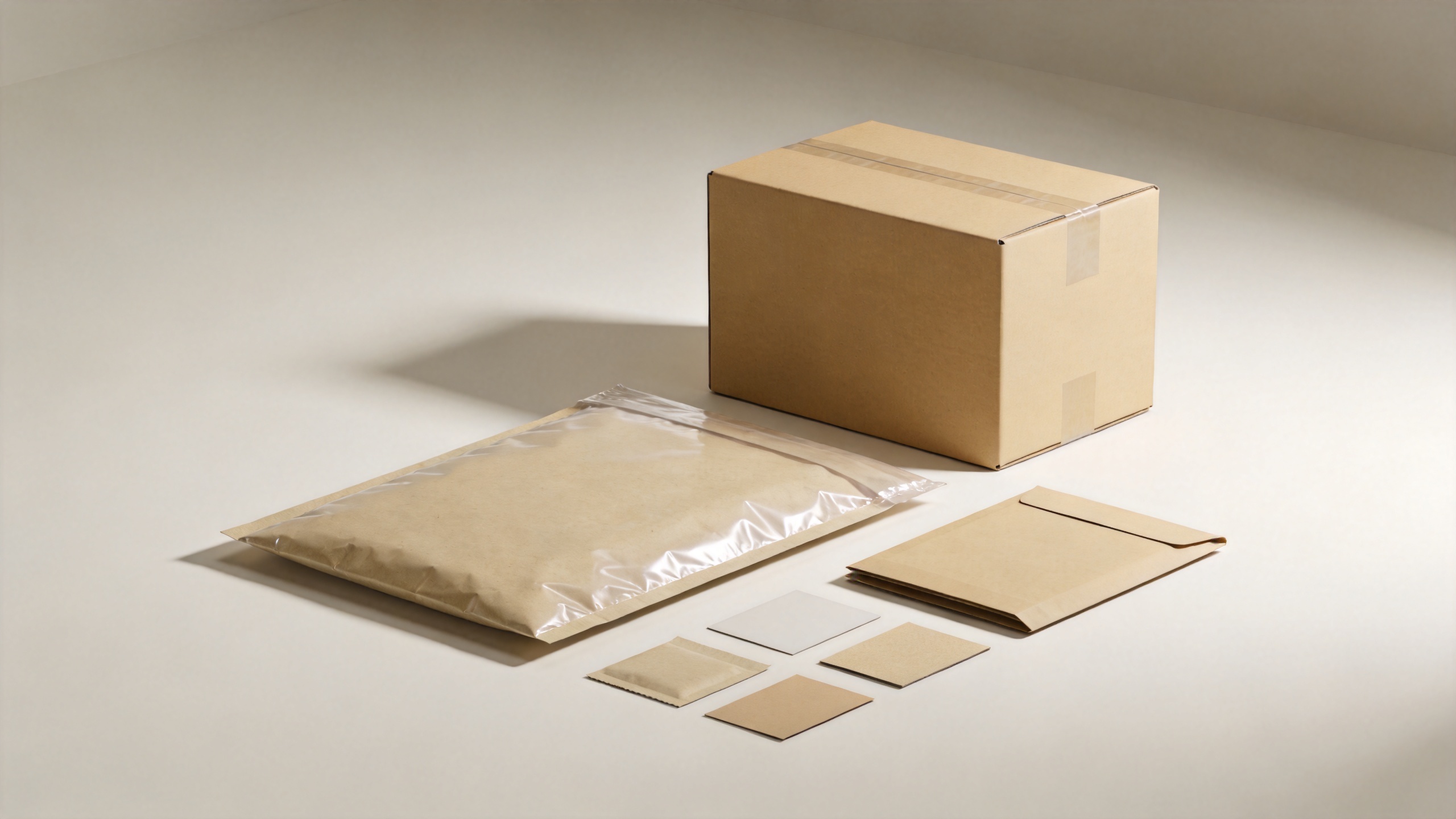
Recycled content and recyclability answer different questions. Recycled content looks backward at what went into a package. Recyclability looks forward at whether the package can be collected, sorted, and processed where the recipient lives. A brand can communicate both more honestly by explaining the material and avoiding blanket claims that imply the same outcome in every country or municipality.
What blister pack recycling teaches about packaging design
Search results for blister pack recycling commonly focus on medicine packs and dedicated collection programs. Those examples are relevant because they show why mixed-material designs need a defined recovery path. Some local guidance does not accept blister packs in ordinary household recycling, while specialist drop-off or take-back programs may handle them separately. In February 2025, Boots reported that its UK blister-pack recycling scheme was available at more than 800 stores, illustrating how collection infrastructure can change what is feasible for a difficult material stream.
E-commerce packaging is not the same as pharmaceutical blister packaging, so brands should not transfer those disposal instructions directly. The transferable principle is simpler: keep material choices, separation requirements, and collection options visible during design. When a shipping format uses multiple bonded layers, labels, coatings, or components, the team should ask whether the recipient can reasonably identify and access the intended recovery route.
Why sustainable ecommerce packaging is a brand and operations decision
Sustainable ecommerce packaging can support brand trust when it makes the customer experience clearer rather than more confusing. Customers may see a recycled-content statement, but they still need packaging that arrives intact and guidance that is relevant to their location. Oversized formats, unnecessary inserts, and hard-to-separate add-ons can work against a waste-reduction goal even when individual components sound environmentally preferable.
For packaging buyers, a useful starting point is to reduce material where protection allows, choose a structure that fits the actual product and fulfillment route, and then verify local recovery conditions. Packaging teams serving supermarkets, wholesalers, online sellers, and retail brands often need to balance different destination markets. A format that has a collection option in one market may require a different instruction or alternative in another.
A practical checklist before choosing recycled packaging
- Define the job of the pack. List the protection, moisture, tamper, display, and shipping requirements before comparing environmental claims.
- Map the material structure. Record each layer, closure, label, and insert. This makes it easier to spot a design that resembles the separation challenge highlighted by blister pack recycling.
- Check recycled-content documentation. Ask suppliers what the stated recycled content refers to and which component it covers.
- Verify the market pathway. Check whether the destination market uses curbside collection, store drop-off, specialist take-back, or another route for the finished structure.
- Write precise customer guidance. Use conditional language such as ‘check local collection guidance’ when recovery depends on local facilities.
- Test the whole delivery experience. Confirm that the package still protects the product and that any disposal information is readable at the point of unboxing.
Where a recycled poly mailer can fit
For soft goods and other items that do not require rigid protection, a Recycled Poly Mailer can be one format to evaluate within a broader packaging review. The relevant choice is not simply whether a mailer is called recycled. Buyers should consider the product’s protection needs, the mailer’s material specification, the target-market collection route, and how disposal guidance will be presented to customers.
This is also where the difference between a mailer and a blister pack is helpful. A mailer may be a more uniform structure than a foil-and-plastic blister pack, but its recovery route can still vary by region. Treating the package as a system—material, format, logistics, destination, and guidance—helps brands avoid replacing one unclear claim with another.
Build a packaging policy around evidence, not labels alone
Recycled materials matter because they can help e-commerce brands make more deliberate choices about resource use. Their value grows when the brand also reduces unnecessary material, chooses structures that fit available recovery systems, and explains limits plainly. The central lesson from blister pack recycling is not that there is one universal material answer. Packaging claims become more credible when they connect to a verifiable path.
For sustainable ecommerce packaging, start with the product and destination market, then compare the material structure and recovery options before finalizing the design. That approach gives purchasing teams a clearer basis for evaluating recycled packaging materials and gives customers more useful information after delivery.