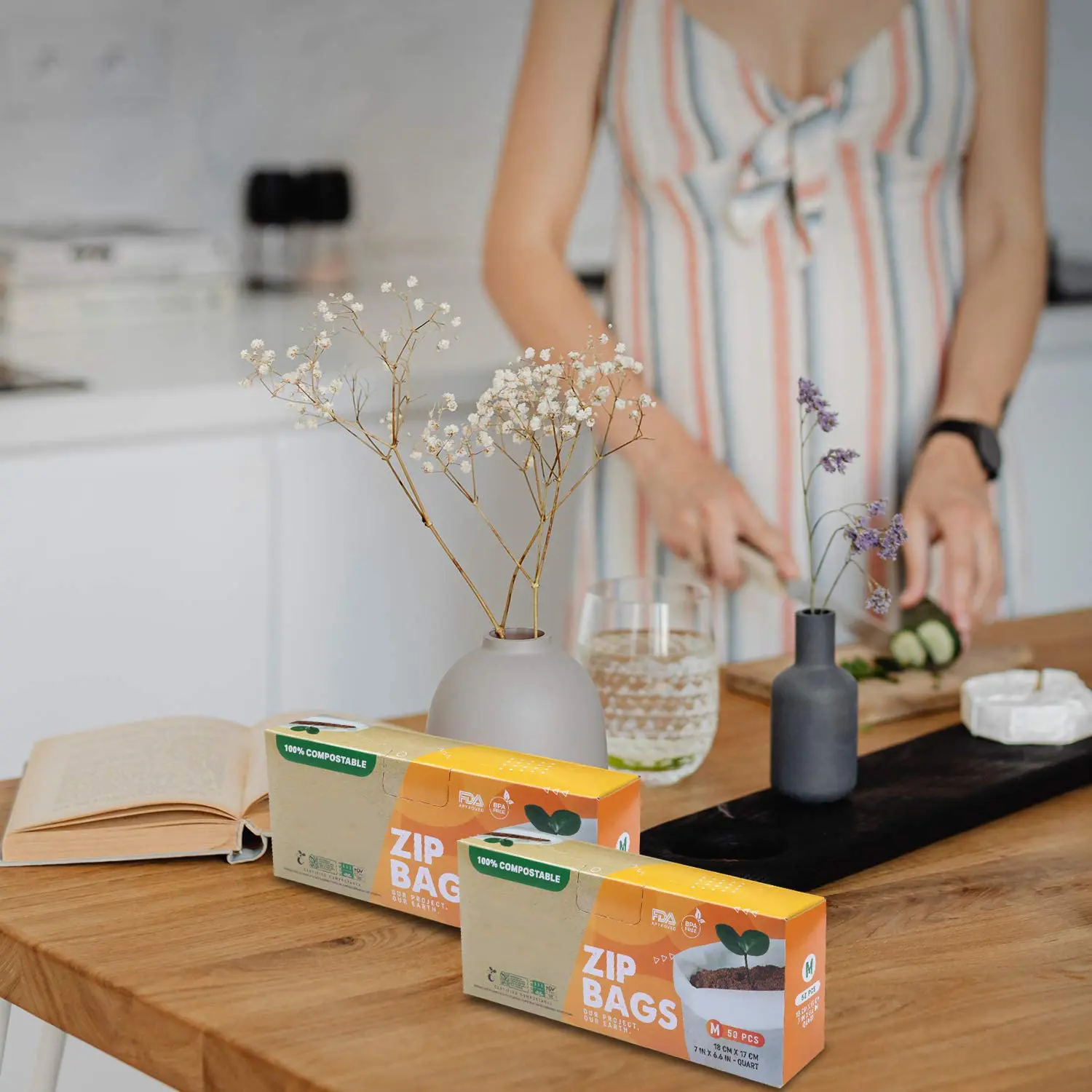
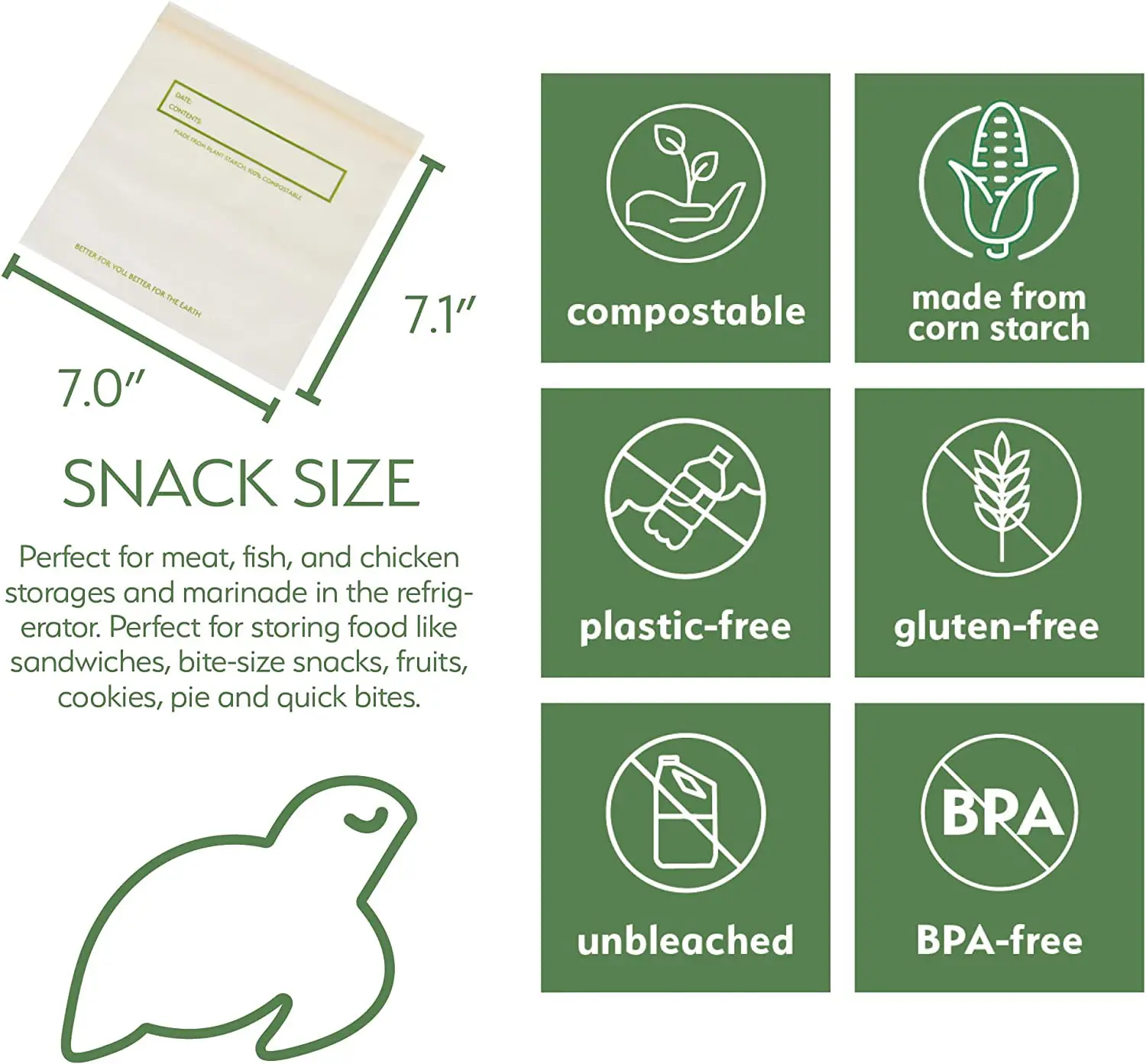
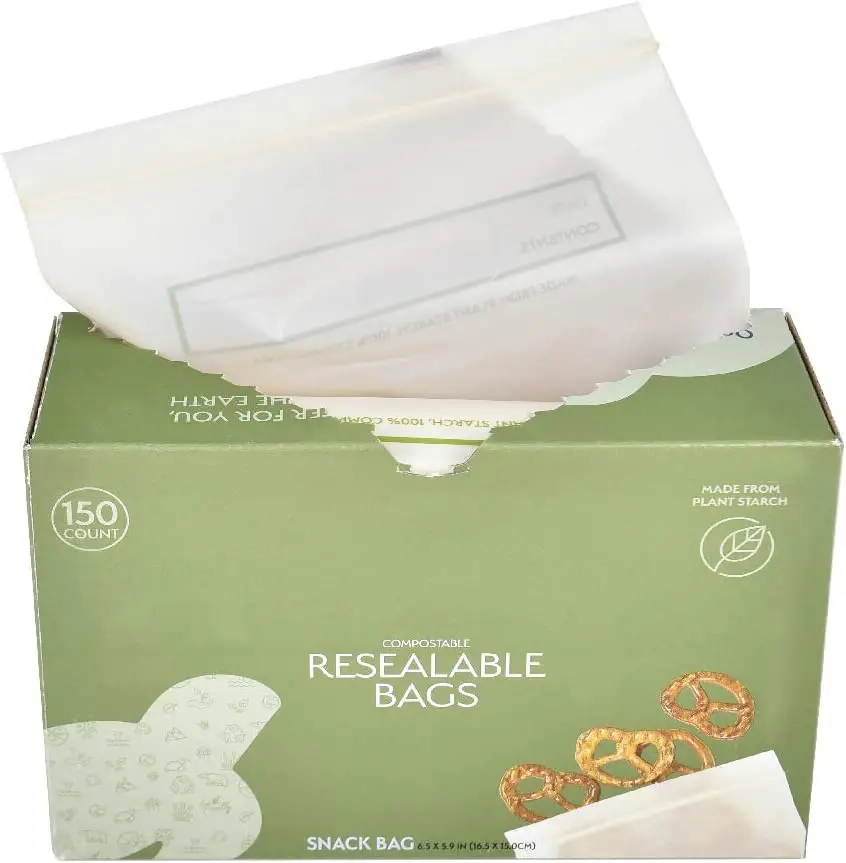
Bag ziplock refers to any bag featuring a resealable zip closure mechanism, designed for repeated opening and closing while maintaining an airtight or watertight seal. These bags are widely used across residential, commercial, and industrial settings due to their versatility, convenience, and ability to preserve the quality of stored items. The core component of a bag ziplock is the zip closure, which consists of two interlocking plastic tracks (one with a convex ridge, one with a concave groove) that form a secure seal when pressed together. This closure design prevents the entry of moisture, dust, or contaminants and the escape of odors or contents—making the bags ideal for storing food, electronics, small parts, and personal items. Bag ziplocks are manufactured from various materials, with LDPE and LLDPE being the most common for general use due to their flexibility, durability, and food safety. For specialized applications, materials like PP (for higher heat resistance) or anti static films (for electronics) are used. Thickness ranges from 2 mil (lightweight, for snacks or office supplies) to 10 mil (heavy duty, for industrial parts or tools). Design variations include flat bags (for flat items like documents), stand up bags (with a gusseted bottom for upright storage of liquids or granular products), and slider zip bags (with a plastic slider to simplify opening and closing, ideal for children or individuals with limited dexterity). Sizes are highly variable, from tiny 3x5 cm bags for pills to large 60x90 cm bags for bedding or sports equipment. Application scenarios: in households, they store leftover food to prevent spoilage; in retail, they package small items like jewelry or phone accessories; in construction, they protect tools and hardware from rust and dust. A real world example is a camping gear company that included 5 mil bag ziplocks with its tent kits. The bags were used to store small parts (e.g., stakes, guylines) and to keep wet items (e.g., socks) separate from dry gear, improving customer satisfaction. Another example is a pet food company that used stand up bag ziplocks for dry dog food—the airtight seal maintained freshness after opening, and the stand up design saved shelf space. For anyone seeking convenient, reusable storage, bag ziplocks offer a cost effective and practical solution. Interested parties can contact us to explore material options, size variations, and how these bags can address specific storage challenges.

19
Jul
19
Jul
30
Sep
10
Oct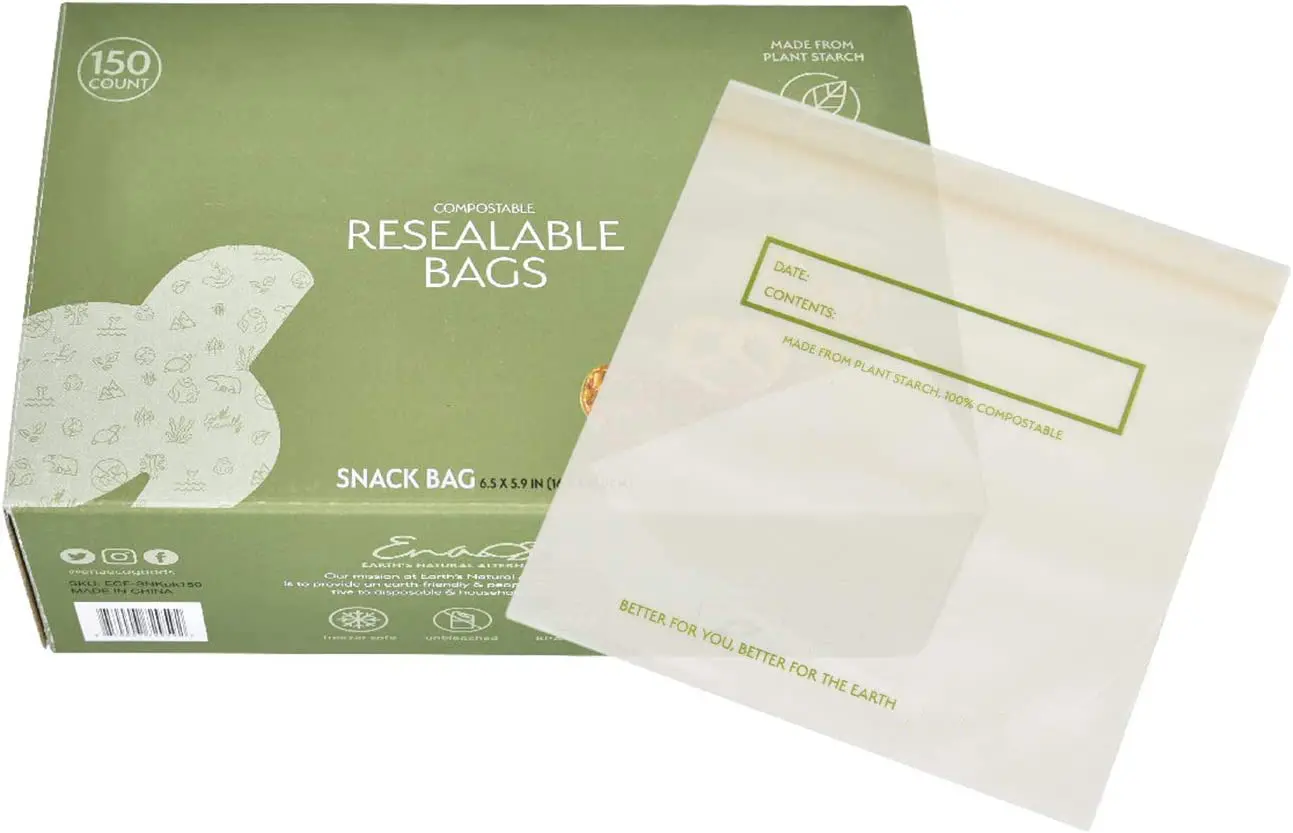

Xiamen Richer Plastic Co.,Ltd. provides custom plastic manufacturing solutions for industrial applications. Our precision molding and sustainable processes deliver high-quality components. Trusted by global partners. Contact us today.
4F,Bldg 3 Aviation Free Trade Plaza,No.422 Gaoqi North Rd.,Huli District,Xiamen,361011,China
Copyright © 2025 by Xiamen Richer Plastic Co.,Ltd. Privacy Policy
 EN
EN