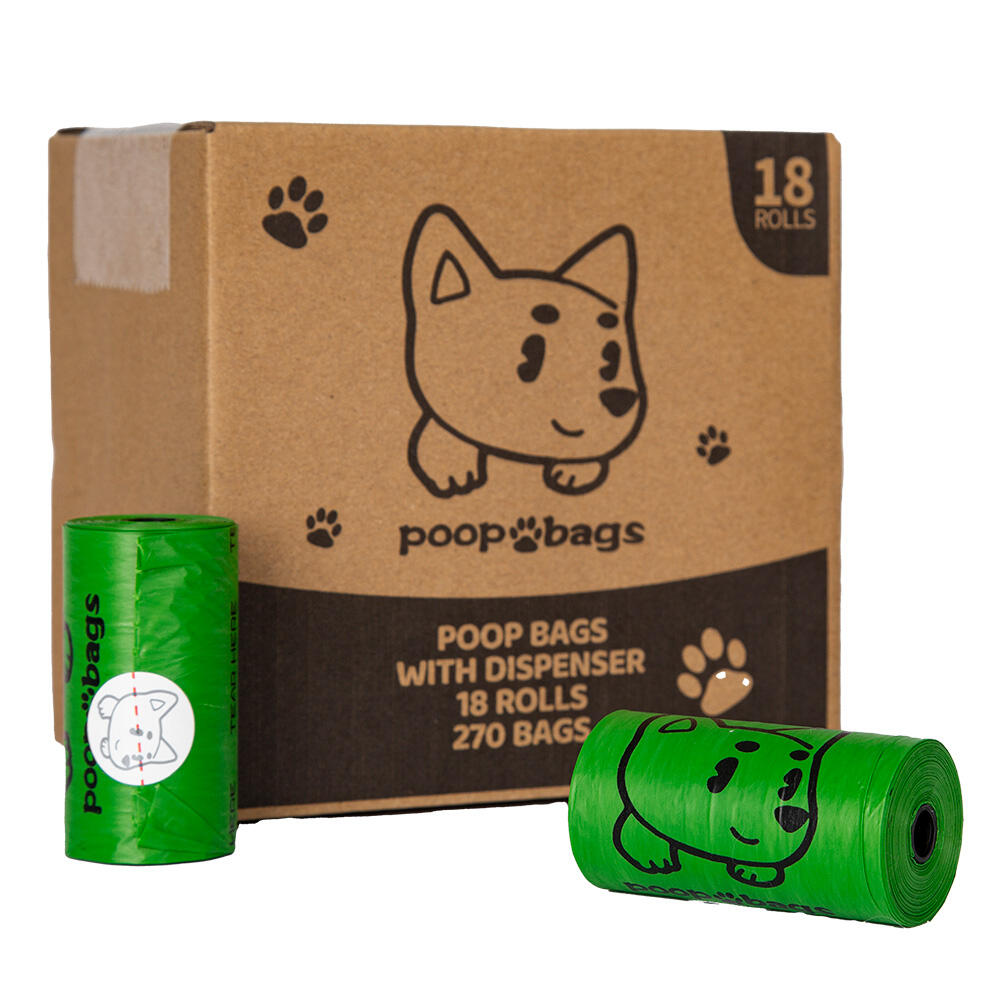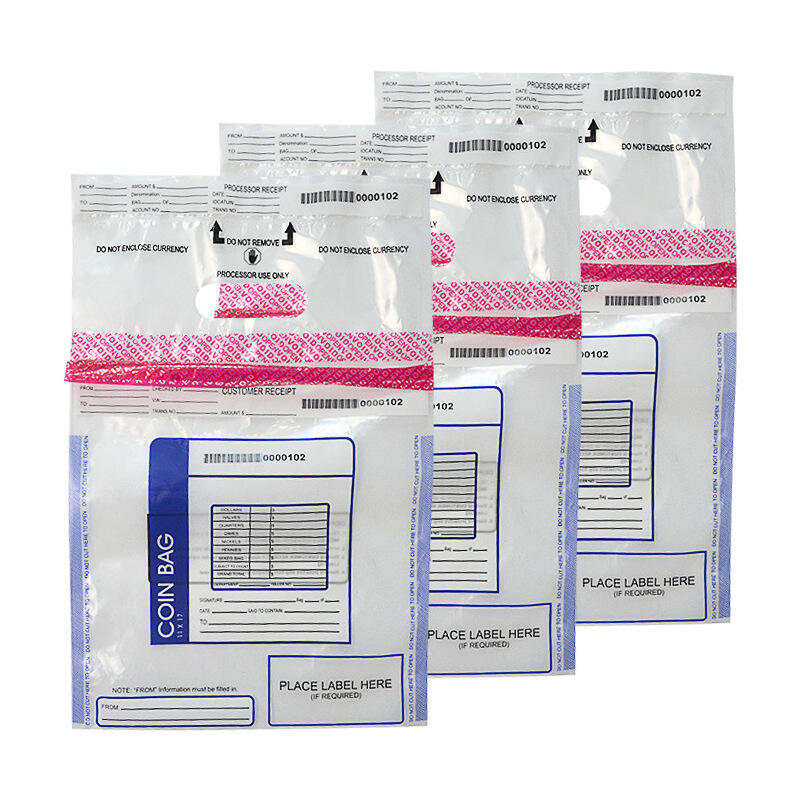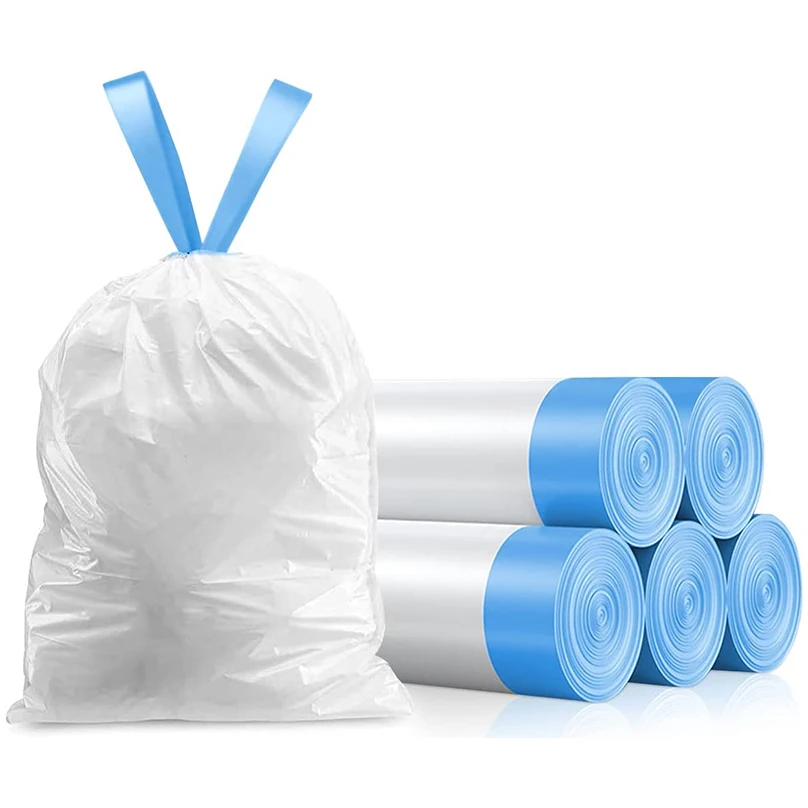
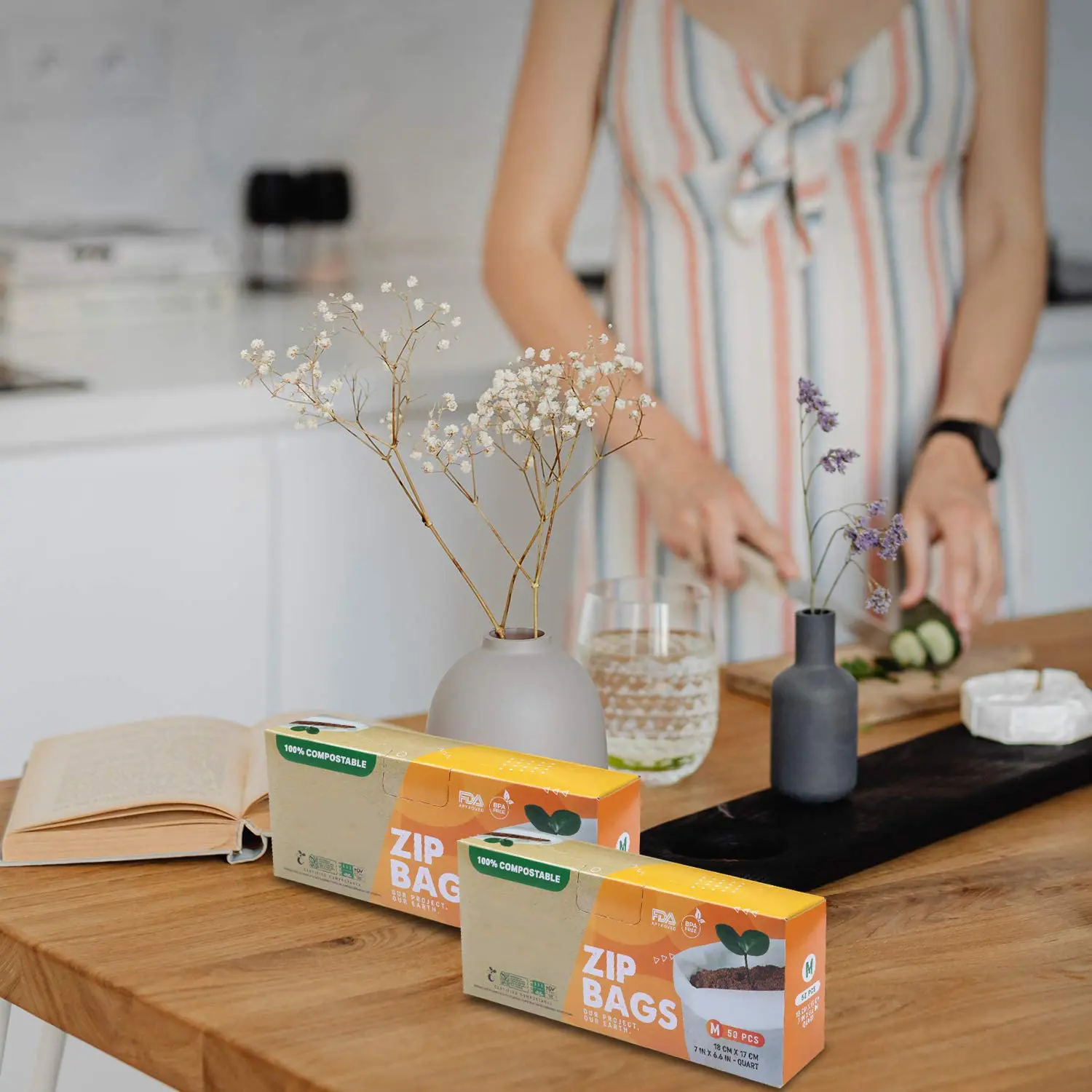
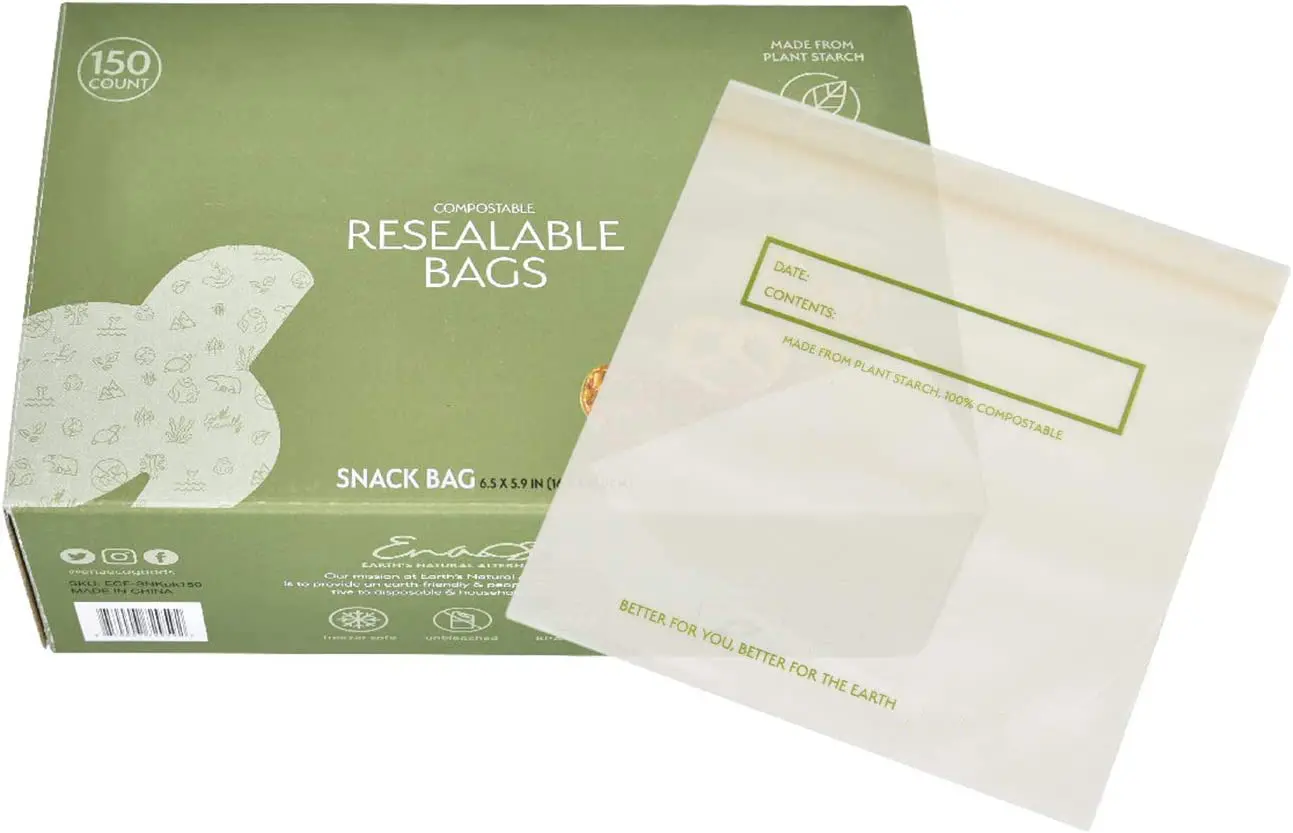
Zipper lock bags are resealable packaging solutions characterized by an integrated zipper closure mechanism, designed to provide repeated airtight and watertight sealing for preserving the quality of stored items. These bags are manufactured from food grade materials primarily including low density polyethylene (LDPE) and linear low density polyethylene (LLDPE), which offer excellent flexibility, durability, and resistance to moisture and common food oils. The LDPE variant is ideal for lightweight applications due to its soft texture, while LLDPE provides enhanced puncture resistance, making it suitable for items with sharp edges. To meet global safety standards, zipper lock bags comply with regulations such as the US Food and Drug Administration (FDA) 21 CFR Part 177 for food contact materials and the European Union’s EU 10/2011 for plastic materials in contact with food, ensuring no harmful substances migrate into contents even during prolonged storage. Key design features include a precision engineered zipper track—typically with interlocking convex and concave ridges—that ensures a secure seal with each closure, preventing the entry of dust, moisture, or contaminants and the escape of odors. Many variants also include tear notches for easy initial opening and writable surfaces for labeling contents, enhancing user convenience. Sizes range from micro bags (5x7 cm) for small items like pills or jewelry to large bags (50x70 cm) for clothing or bulk food items. Application scenarios are diverse: in the food industry, they store snacks such as nuts, dried fruits, and baked goods to maintain freshness; in the electronics sector, they protect small components like resistors and capacitors from electrostatic discharge and dust; in households, they organize travel toiletries, toys, or seasonal clothing. A practical case involves a mid sized snack manufacturer that adopted 4 mil LLDPE zipper lock bags for its line of organic granola. The airtight seal extended the product’s shelf life by 30% compared to traditional packaging, and the clear design allowed customers to view the product, boosting sales by 15% within three months. Another example is an electronics repair shop that used 3 mil LDPE zipper lock bags to store small parts during device repairs, reducing the risk of loss or damage by 40%. For businesses seeking to enhance product preservation or organize inventory, factors such as content type (solid vs liquid), storage duration, and handling frequency should be considered. Interested parties are encouraged to contact us to learn more about material specifications, custom size options, and how zipper lock bags can align with specific packaging needs.

Xiamen Richer Plastic Co.,Ltd. provides custom plastic manufacturing solutions for industrial applications. Our precision molding and sustainable processes deliver high-quality components. Trusted by global partners. Contact us today.
4F,Bldg 3 Aviation Free Trade Plaza,No.422 Gaoqi North Rd.,Huli District,Xiamen,361011,China
Copyright © 2025 by Xiamen Richer Plastic Co.,Ltd. Privacy Policy
 EN
EN