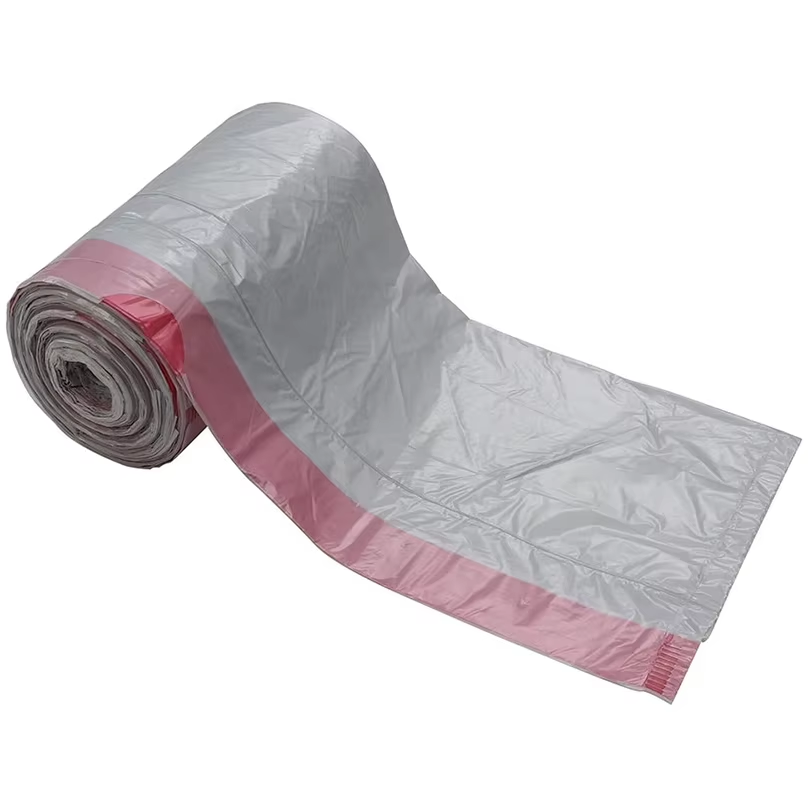
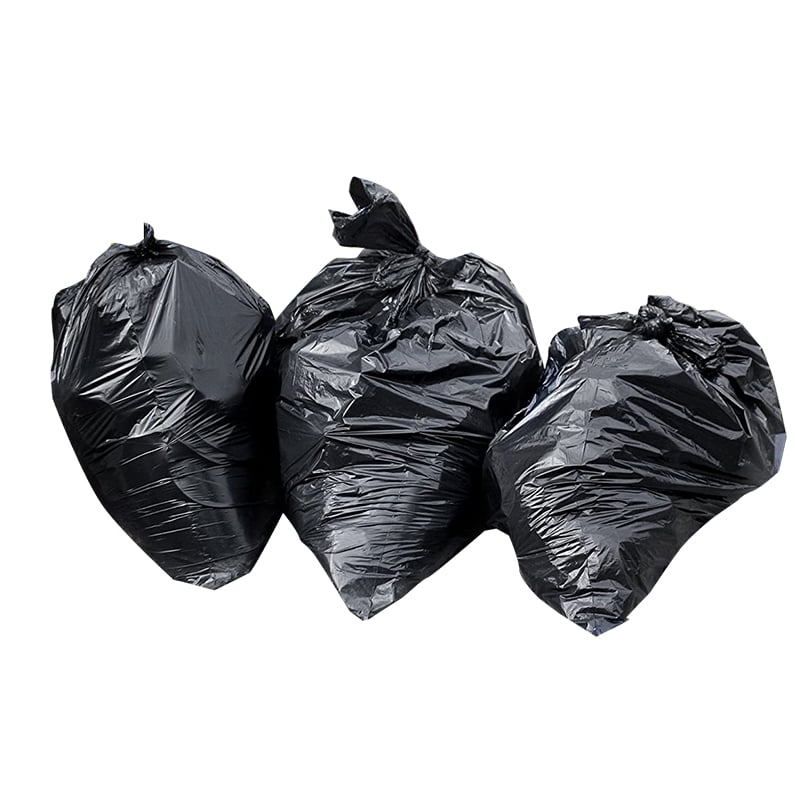
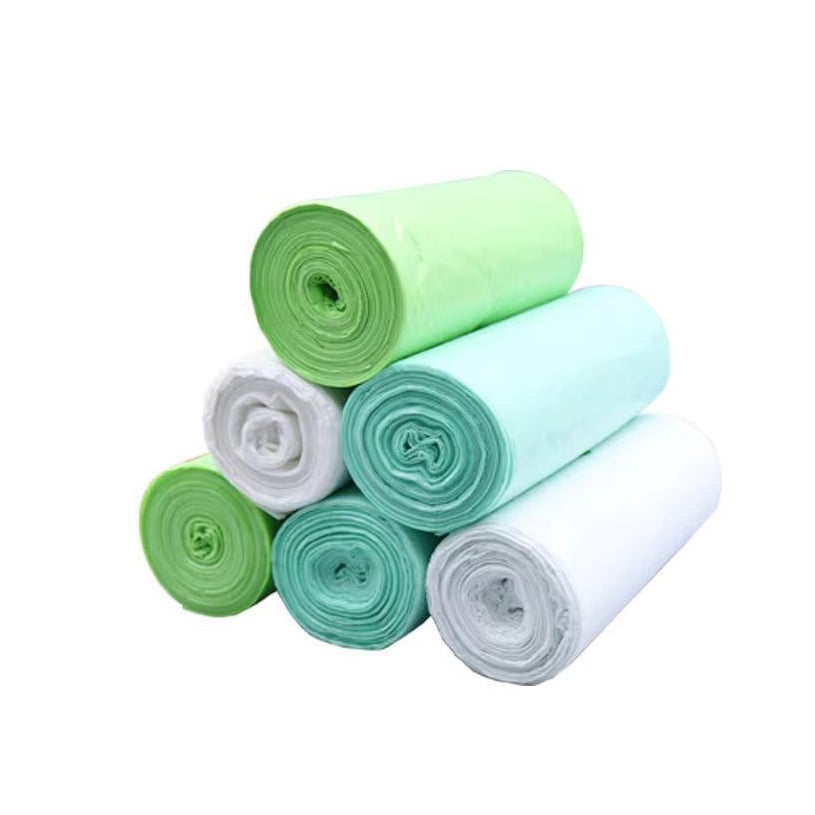
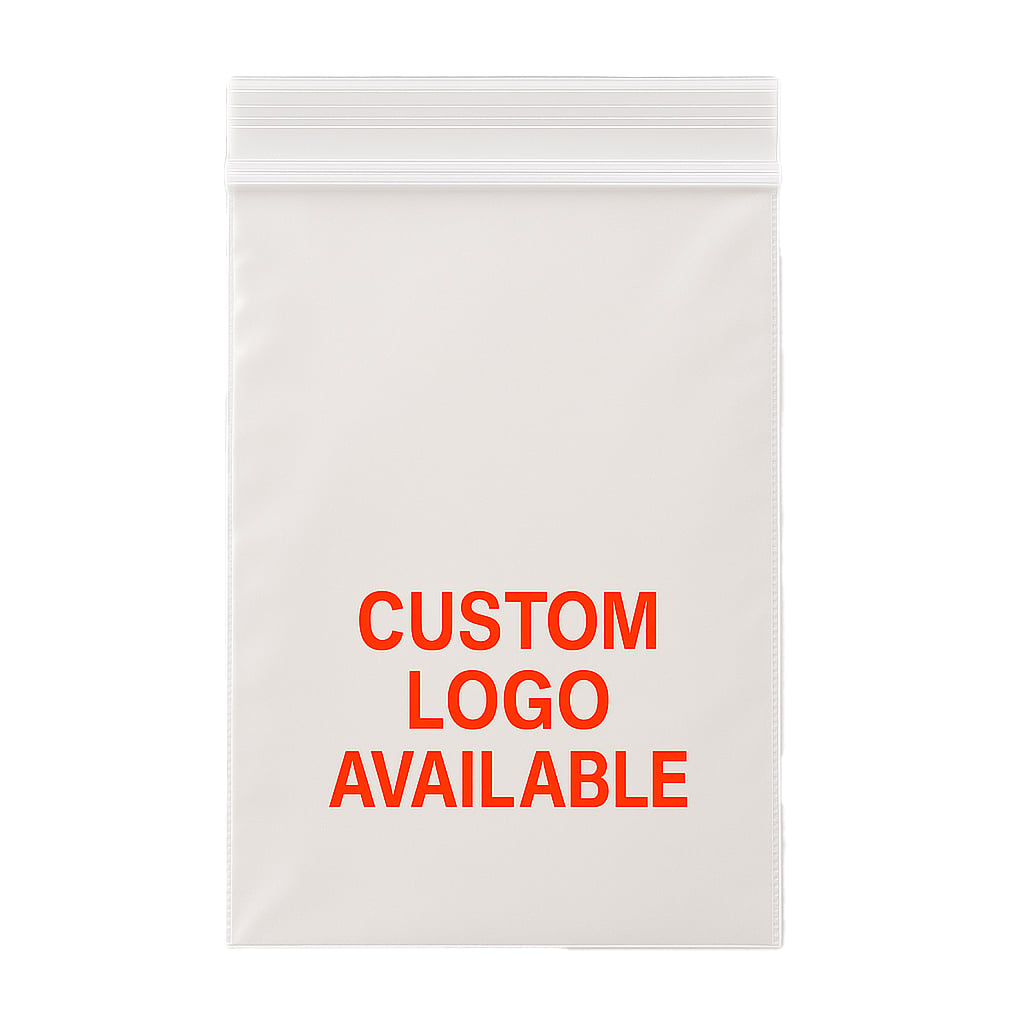
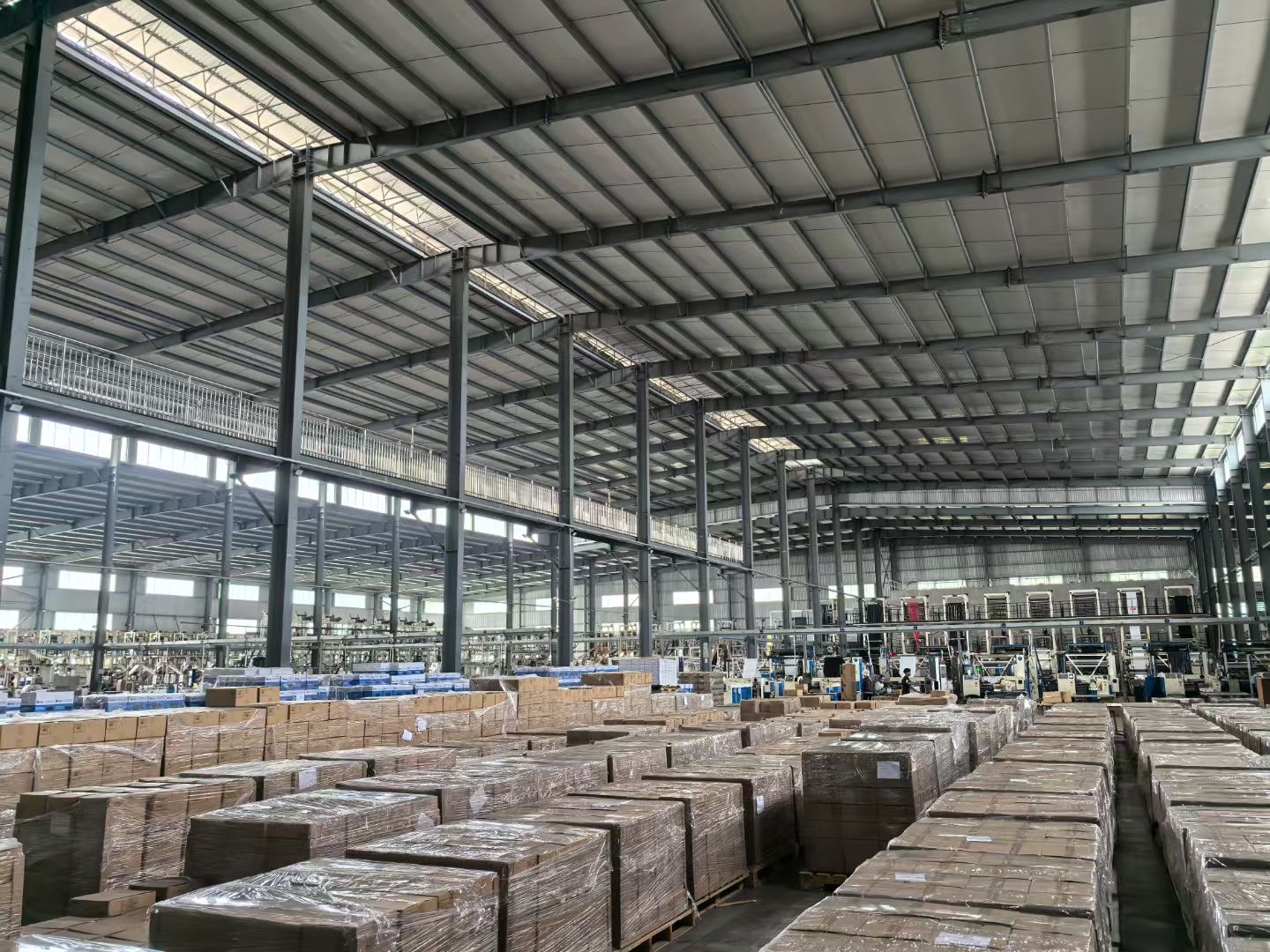
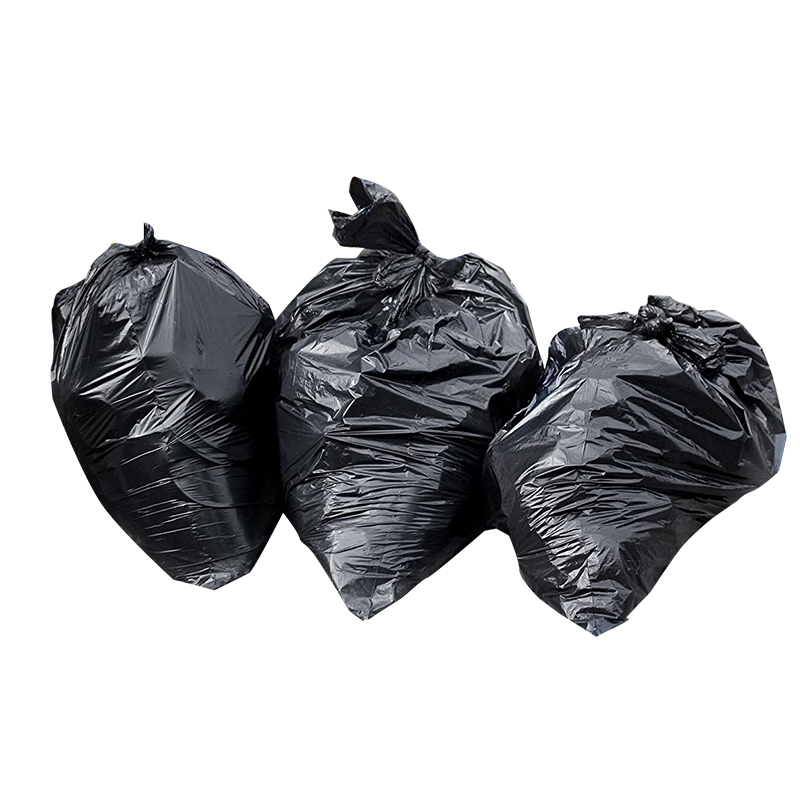
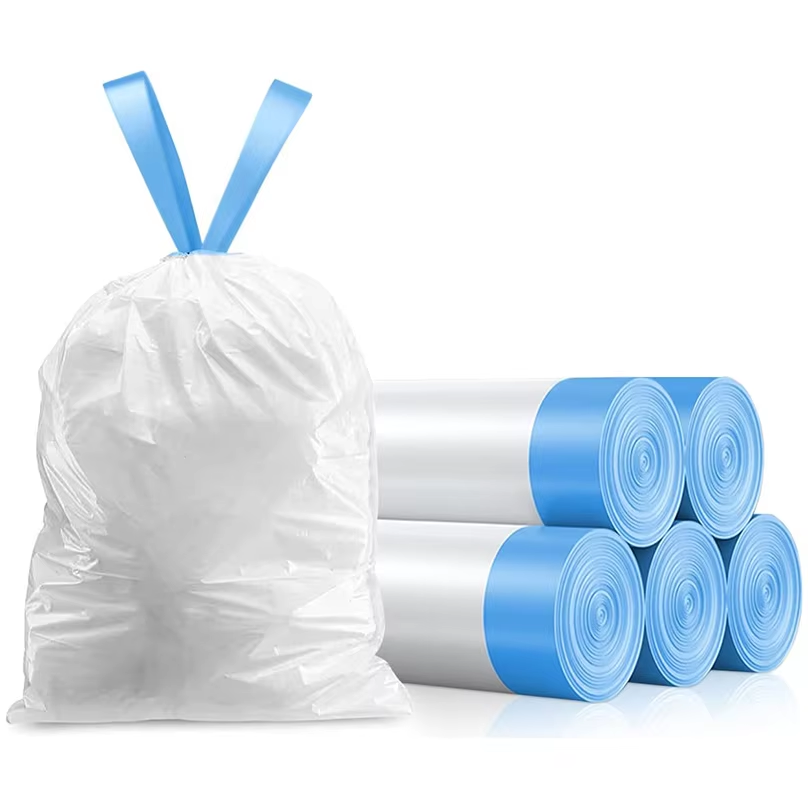
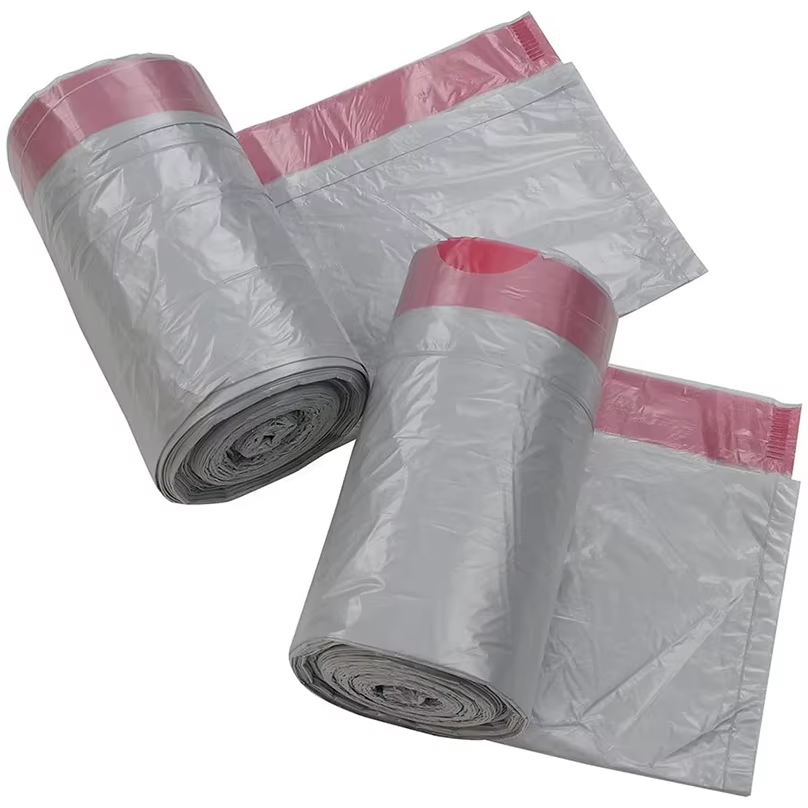
Bioplastic bags from Xiamen Richer Plastic Co., Ltd. are innovative eco-friendly packaging solutions designed to replace traditional plastic bags while maintaining performance and functionality for retail, food service, logistics, and household use. Crafted from bio-based materials (such as corn starch, sugarcane fiber, or bio-based polyethylene), these bags comply with international compostability standards including EN13432 (Europe) and ASTM D6400 (USA), ensuring they break down into non-toxic natural components (water, carbon dioxide, and biomass) within 180 days in industrial compost facilities—eliminating long-term plastic pollution. Unlike traditional plastic bags, which can persist in the environment for centuries, bioplastic bags offer a sustainable alternative for businesses and consumers prioritizing environmental responsibility. The performance of bioplastic bags matches that of traditional plastic bags, making them suitable for a wide range of applications. For retail, they function as shopping bags for clothing stores, supermarkets, and convenience stores—with strength to hold standard grocery loads (up to 10kg) and moisture resistance to protect contents from rain or spills. For food service, they are used as takeout bags, produce bags, or sandwich bags—compliant with FDA standards to ensure safe contact with food, free from harmful chemicals like BPA. For logistics, they serve as lightweight shipping bags for e-commerce orders, protecting items from dust and moisture while remaining compostable. A notable example is a North American organic food delivery service that switched to Xiamen Richer Plastic’s bioplastic bags for packaging meal kits. The bags’ compostability aligned with the service’s “zero-waste” mission, while their durability prevented leaks during delivery—resulting in positive customer feedback and increased brand loyalty. Xiamen Richer Plastic’s manufacturing process for bioplastic bags involves specialized technology to handle bio-based materials, which require precise temperature and pressure control during production. The company’s 13,000-square-meter facility is equipped with 24 film-blowing machines optimized for bioplastics, 44 cutting machines for precise sizing, and 8 printing machines that use water-based, compostable inks—ensuring the entire bag (including graphics) meets compostability standards. Strict quality control measures include testing for compostability (via accredited third-party labs), strength (ensuring bags do not tear under load), and print durability (confirming logos or messages remain visible until composting). With an annual production capacity of 2,500 tons, and over 40% of total output dedicated to bioplastic products, the company can handle large-volume orders for international clients—such as supplying 500,000 bioplastic shopping bags to a European supermarket chain. Customization options for bioplastic bags include size (from small produce bags to large shopping bags), thickness (adjusted for load capacity), color (natural beige, green, or brand-matching hues), and printing (logos, sustainability messages, or composting instructions). The company also offers guidance on proper disposal (e.g., directing customers to industrial compost facilities) to ensure bioplastic bags reach the right end-of-life environment. The order process is collaborative: a dedicated account manager works with clients to understand their sustainability goals, provides a detailed proposal (including material samples) within 24 hours, and coordinates production to meet delivery timelines. For businesses seeking to adopt sustainable packaging without sacrificing performance, contact Xiamen Richer Plastic to explore bioplastic bag options tailored to your needs.

 EN
EN