
 EN
EN
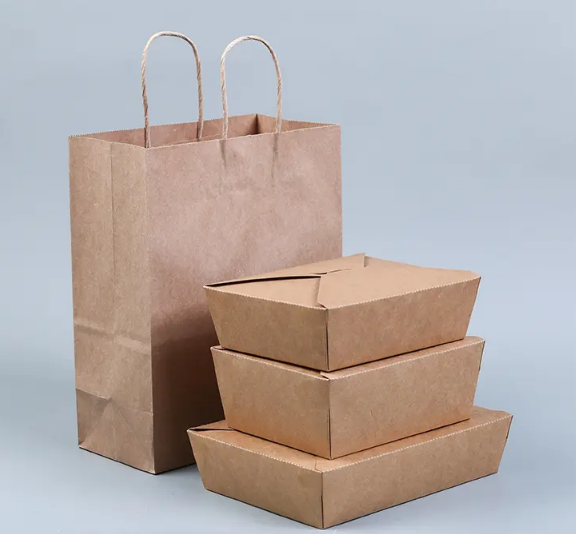
Why Custom Packaging Bags Are a Core Brand Investment
Custom packaging bags do much more than just hold products; they actually serve as powerful tools for brand building and business growth. These special bags turn regular shopping moments into something worth remembering about a brand, which affects how people see the company, whether they stick around, and what they buy next time. People tend to remember brands when their packaging stands out. Studies show around 72 percent of folks can recall a brand simply because of unique packaging design. Think of those branded bags walking around town after purchases – they're free advertising everywhere! Good packaging design cuts down on shipping problems too. Some reports claim well made bags can cut shipping damage by as much as 60 percent, which means fewer broken goods and less lost money for businesses. The numbers back this up too: nearly two thirds of shoppers say they want to come back to stores that offer nice packaging experiences. When companies focus on choosing right materials, making sure bags are sturdy enough, and telling stories visually through designs, they stop seeing packaging as just another expense. Instead, smart packaging becomes something that actually brings in profits while helping establish a strong position in the marketplace over time.
Designing Custom Packaging Bags for Impact and Usability
Typography, color, and structural form as brand storytelling levers
The way text looks on packaging really tells people what kind of brand they're dealing with. Clean looking fonts without those little decorative bits (sans-serif) usually mean something modern and fresh. Fonts with those fancy tails at the ends (serif) tend to scream tradition and old money vibes. When it comes to colors, think about how different shades make us feel inside. Luxury stuff tends to go all out with matte black backgrounds and shiny gold accents because that just screams expensive. Green conscious brands? They stick to browns, greens and other nature inspired hues to remind everyone about their eco friendly mission. The actual shape matters too. Sharp edged packages look professional and cutting edge, whereas rounder designs feel friendlier and more welcoming. All these visual tricks work together so that when someone grabs a bag from the shelf, they already know what sort of experience awaits them long before they ever get close enough to actually touch the product itself.
Ergonomics, durability, and unboxing experience – functional design essentials
Good design goes way beyond looking nice on store shelves. Think about those ergonomic handles that actually make carrying stuff comfortable instead of painful. And let's not forget the reinforced seams which can hold about 30 percent more weight compared to regular bags according to Packaging Digest from last year. When products last longer, people tend to reuse them. A recent study found around 73% of folks will find new uses for quality packaging, keeping brands in view even after purchase. What happens when someone opens a package matters too. Tear strips, magnetic closures, or those fancy layered reveals all build excitement and create an emotional connection with the product. Some research indicates that when customers remember how they opened something, they're about 40% more likely to buy again. So really, practical features aren't just there to support the main function – they directly impact sales numbers as well.
Material and Sustainability Choices in Custom Packaging Bags
Careclear, carefoil, carekraft, and certified compostable options: Matching performance to values
Material selection shapes your brand's environmental narrative and ensures functional reliability. Leading manufacturers now offer specialized solutions aligned with both performance and purpose:
- Careclear delivers crystal transparency and puncture resistance for premium product visibility
- Carefoil combines moisture barriers with metallic finishes for luxury aesthetics
- Carekraft provides unbleached, textured finishes that convey artisanal values
- Certified compostable films break down within 180 days in industrial facilities, supporting circular economy goals
According to the latest Eco-Packaging Report from 2024, around two thirds of shoppers are looking for brands that actually use sustainable packaging they can trust. The days when green materials meant compromised quality are fading fast. Recycled stuff these days holds up just as well against tearing as regular plastic does, and those plant based alternatives? They block moisture pretty much the same way traditional materials do too. When picking out packaging materials, companies need to find that sweet spot between what works operationally and staying true to their ethics. Take e-commerce businesses for instance, they absolutely need layers that won't get crushed during shipping. Meanwhile food service companies tend to gravitate toward compostable mailers since they care so much about what happens after the product reaches the customer.
| Material Attribute | Brand Value Alignment | Functional Benefit |
|---|---|---|
| Recycled content (30–100%) | Waste reduction commitment | Cost efficiency & regulatory compliance |
| Industrial compostability | Closed-loop responsibility | Soil-degradation without microplastics |
| Forest-certified paper | Biodiversity stewardship | Structural rigidity for retail displays |
Optimizing Custom Packaging Bags for Sales Channels
E-commerce requirements: Sealing, shipping resilience, and print fidelity
When it comes to online sales, custom packaging bags need to survive all sorts of rough handling during shipping without messing up the brand image. The secure heat seals stop people from getting into them accidentally, and those extra thick layers hold up against squishing and damp conditions that happen so often in delivery trucks and warehouses. Digital printing these days is really good quality too, which means logos and colors stay looking sharp even after some bumps along the way. And let's face it, damaged packages are a big problem for online retailers. According to the 2024 Logistics Performance Index, almost a quarter of all returns come from packaging issues alone. That's why certain specs matter a lot when choosing packaging materials for e-commerce businesses.
- Tear resistance exceeding 8 lbs/inch (ASTM D882)
- Vibration testing compliance for 72-hour transit simulations
- CMYK+Pantone color matching for consistent brand recognition
Retail needs: Shelf presence, handle visibility, and in-store durability
Physical retail environments demand strategic visual hierarchy and structural resilience. Contrasting color blocking and dimensional die-cuts increase shelf visibility by 40% in crowded displays (Shopper Behavior Institute, 2023). Reinforced handles must support 200+ load cycles without deformation, while matte/gloss laminations prevent scuff marks during customer handling. Retail-optimized designs prioritize:
- Vertical branding alignment for eye-level recognition
- Reinforced gussets supporting 15 lbs minimum capacity
- Abrasion-resistant finishes maintaining appearance through repeated interactions