
 EN
EN
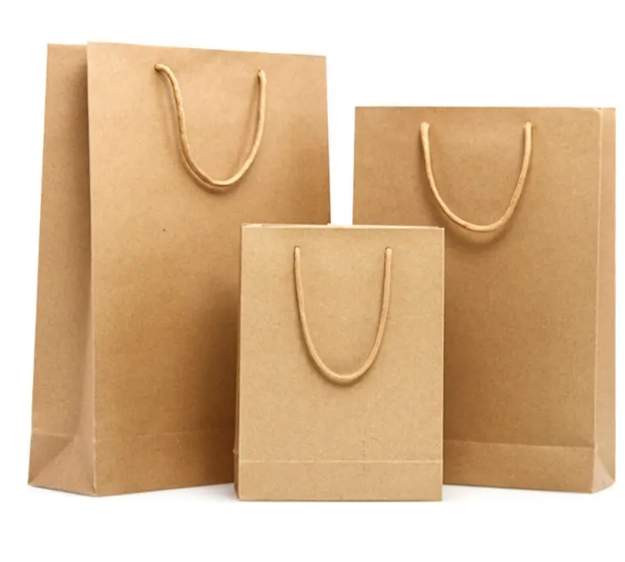
Packaging Bags as Strategic Brand Amplifiers
Premium aesthetics and tactile design that drive shelf differentiation and impulse purchases
The way packaging bags look and feel really affects what people buy when they're standing right there in the store. When packages have special textures such as those soft touch surfaces or shiny metal bits, plus bright colors that stand out from the rest, shoppers tend to pay attention more. Some studies suggest this kind of stuff can actually get consumers interested enough to stop just looking around and actually make purchases instead. Luxury items especially benefit from these fancy touches because customers judge quality based on how something feels even before touching it. Think about those smooth matte surfaces with little glossy spots here and there that give off a quiet elegance vibe. Younger audiences love packages with those rainbow-like effects that look great on social media too. All these little details matter a lot in stores where everything looks similar otherwise.
How consistent branding on packaging bags reinforces trust and perceived product quality
Keeping the same look on all packaging materials helps build trust because people start to recognize what they can expect. Studies show that when brands keep their logos, colors, and fonts exactly the same whether someone sees them online or at the store, folks remember the brand about 80% better. This consistency makes shoppers feel like they're dealing with something real and professionally run. Take reusable shopping bags for instance. Bags with strong handles and clear printing that doesn't fade actually carry that trustworthy image out into everyday life, making regular customers turn into people who will tell others about the brand. Retail stores have noticed around a 29% boost in how often customers come back when the packaging matches what's inside. Getting everything aligned across different channels matters a lot too. When what customers see online isn't what arrives at their door, it creates confusion that leads to abandoned shopping carts and lost sales opportunities.
Functional Integrity: Protection, Barrier Performance, and Seal Reliability in Packaging Bags
Material science essentials: Matching film structures (e.g., PET/PE, PLA-lined) to product needs
Choosing the correct film structure really matters when it comes to keeping products safe and effective. PET/PE laminates work great as moisture barriers for things like chips and crackers. Metallized films are another option that helps keep medicines protected from sunlight damage. For fresh fruits and vegetables, there are now compostable options made with PLA lining that actually break down properly after disposal. Thickness plays a big role too most films range around 80 to 120 microns thick, but sometimes manufacturers go outside this range depending on needs. What's inside the film matters just as much as how thick it is. The chemistry of the sealing layer affects how well it sticks together during processing. Surface treatments can make all the difference in how films perform in actual usage situations like being stored in freezers, moved through rough handling areas, or coming into contact with strong chemicals. Don't forget about chemical compatibility either. Acidic foods need special inner layers to stop them from damaging the packaging material or stealing flavors away from the contents.
Real-world impact: Linking seal failure and barrier lapses to returns, waste, and brand erosion
When seals and barriers fail, they create problems that spread throughout the supply chain. About 58 percent of all food recalls happen because of packaging issues, and around 30% of spoiled perishables can be traced back to poor barrier protection. Packaging that doesn't meet the minimum 2 pounds per inch peel strength standard tends to develop leaks, which can ruin whole batches of product during transport. Stores report returning roughly 23% of damaged items, and each return costs companies anywhere from eight to twenty-two dollars when factoring in replacement costs, extra work hours, and shipping expenses. What hurts even more over time is losing customer confidence. Nearly eight out of ten shoppers will look elsewhere if they run into packaging problems. That's why companies need to test packaging integrity not only during research phases but also throughout actual manufacturing processes. This kind of ongoing quality check helps protect bottom lines and maintain brand credibility in the marketplace.
Sustainable Packaging Bags: Navigating Compliance, Consumer Expectations, and Operational Reality
Companies are getting squeezed from all sides when it comes to going green with their packaging solutions. Regulations keep getting stricter across the board, consumers want greener options these days, and suppliers are pushing for more eco-friendly practices too. Since 2021 alone, thirty plus US states have rolled out various packaging laws ranging from EPR programs to setting minimum recycling goals. Meanwhile, around three quarters of customers are willing to spend extra bucks on items that can actually prove their environmental credentials, though most roll their eyes at generic "eco friendly" labels that mean nothing concrete. Going sustainable isn't just about swapping out plastic for something else either. Businesses need to completely rethink how materials get reused, test if things really break down properly outside lab conditions, and make sure whatever replaces traditional materials still works as intended functionally speaking. Take one major retail chain that cut down landfill waste by nearly 18 metric tons each year after making the switch to compostable stand up pouches while keeping product freshness intact. When companies manage to hit that sweet spot between meeting legal requirements, building genuine consumer confidence, and maintaining smooth operations, that's when sustainability becomes not just good practice but a real business edge.
Reusable Packaging Bags: Driving Efficiency, Cost Savings, and Circular Retail Models
Labor, logistics, and loss prevention: Quantifying ROI from reusable packaging bag programs
Switching to reusable packaging bags brings quick money back into the business by making things run smoother throughout the whole supply chain. When warehouses stop dealing with all those repetitive setup jobs and spend less time handling products, they can load shipments about 30 percent quicker. The standardized designs that fit together nicely when stacked really help cut down on how much space is needed for shipping and storing goods, which means freight bills drop somewhere between 20 and 35 percent. These bags just last longer too, so there's way less damage during transport. Companies report losing only half as much product compared to regular disposable options, and fewer returns follow naturally from that. Most businesses see their investment paid off within a year because of these three main efficiency gains:
- Labor: 40–60% fewer manual touchpoints through streamlined workflows
- Logistics: Denser cargo configurations reduce transportation demand
-
Loss Prevention: Fewer damaged goods mean lower replacement and shrinkage costs
When paired with asset-tracking systems that sustain >90% recovery rates, these bags routinely exceed 100 lifecycle uses—making them a cornerstone of economically viable circular retail models.
Table of Contents
- Packaging Bags as Strategic Brand Amplifiers
- Functional Integrity: Protection, Barrier Performance, and Seal Reliability in Packaging Bags
- Sustainable Packaging Bags: Navigating Compliance, Consumer Expectations, and Operational Reality
- Reusable Packaging Bags: Driving Efficiency, Cost Savings, and Circular Retail Models