
 EN
EN
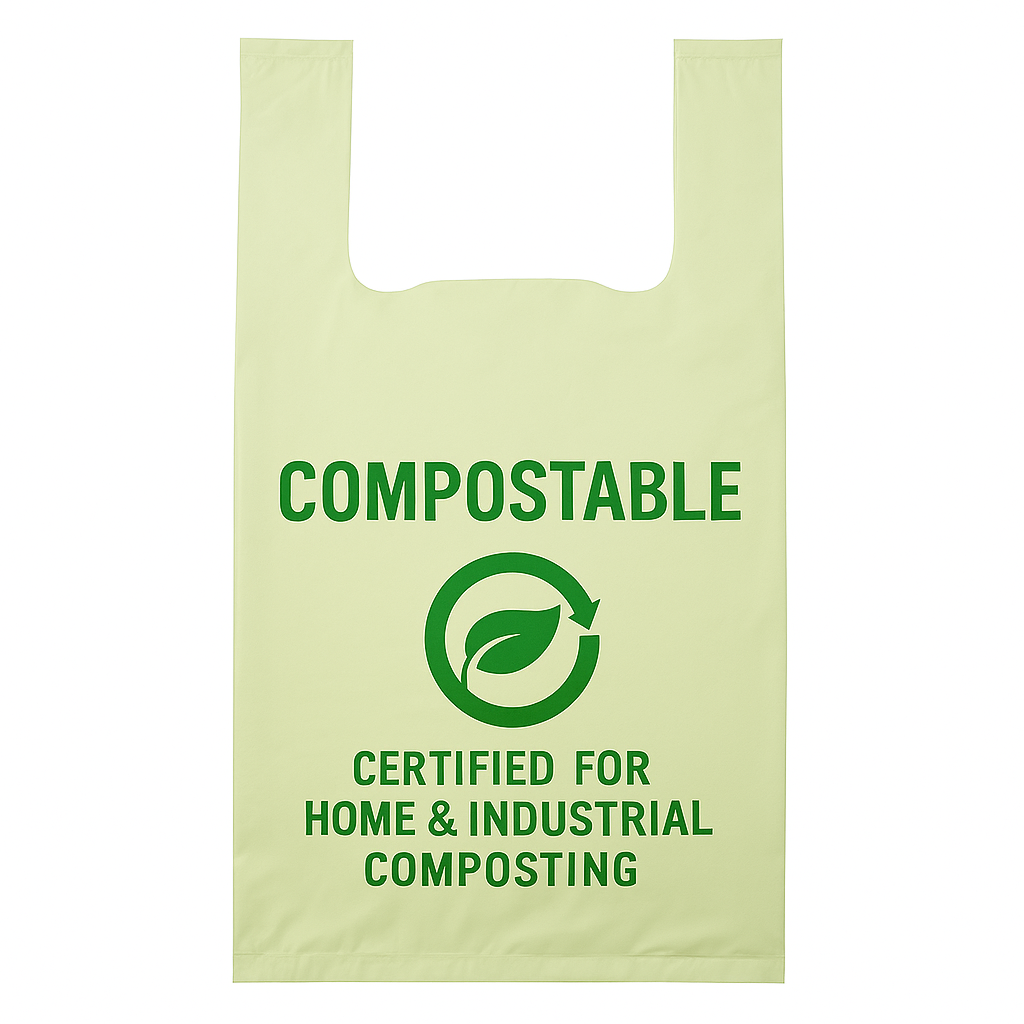
Why Sustainable Packaging Bags Are Gaining Momentum in Retail
How Consumer Demand for Sustainable Products Is Reshaping Retail Packaging
These days, people are starting to care about how eco-friendly a product is just as much as they care about price tags and product quality. Retailers have had no choice but to completely change their approach to packaging because of this shift in consumer mindset. According to a recent Nielsen report from last year, around three out of four shoppers said they'd actually spend extra cash on items that come in environmentally friendly packaging. This has definitely sped things up for companies trying to get rid of those pesky single use plastic wrappers we all hate. Smart businesses are already switching to alternatives like corn starch based biodegradable bags or recycled plastic tote containers. These options not only satisfy customer demands but still hold up pretty well during regular shopping trips without tearing apart at the seams.
The Role of Eco-Friendly Packaging Bags in Building Brand Loyalty
Brands that go green with their packaging show what they stand for in real ways. About two thirds of shoppers actually trust companies more when they see them using things that can be reused instead of single use plastic. People who grab those branded t shirts from the store and take them everywhere basically become free advertising for the company. Retail Insights found this works pretty well too, with repeat business going up around 34 percent after implementing such programs. The simple act of seeing these eco friendly bags out and about builds something deeper than just transactions. Shoppers start feeling connected emotionally to brands that care about sustainability, which turns casual buyers into loyal supporters over time.
Data Insight: 72% of Millennials Prefer Brands Using Recyclable and Reusable Packaging Materials
The younger crowd is really pushing companies to adopt circular packaging these days. Take millennials for instance – according to the Sustainability Trends Report from last year, around 7 out of 10 of them will actually steer clear of stores that haven't got those reusable shopping bags on offer. And when it comes to putting those branded packaging bags to good use, this generation gets way more mileage out of them compared to folks who are a bit older. We're talking about four times the reuse rate! This habit not only leaves a strong impression on brand loyalty but also makes a real dent in plastic waste. Just look at North America where consumers keep roughly 8.3 million tons of plastic out of landfills every single year through this practice alone.
Materials That Define Eco-Friendly T-Shirt Bags and Their Environmental Benefits
Biodegradable and Compostable Materials in T-Shirt Bag Production
Eco friendly packaging bags today focus on materials that can actually break down without messing up our ecosystems. Take plant based polymers made from things like corn starch or cassava root they'll typically decompose in just a few months when tossed into industrial compost facilities. Compare that to regular plastic which hangs around for hundreds of years before finally breaking down. The same goes for biodegradable fabrics such as organic cotton grown without those harsh chemical pesticides. But there's a catch with cotton production it takes about 2,700 liters of water to grow one kilogram according to the World Wildlife Fund report from last year. That's why many top manufacturers are mixing different materials together these days trying to get that sweet spot between something strong enough to hold products and still able to disappear relatively quickly after use. Some companies have even started experimenting with mushroom based materials that seem promising but aren't quite ready for mass production yet.
Comparing Sustainable Materials: Organic Cotton, Recycled PET, Jute, and Canvas
| Material | Source | Key Environmental Benefit |
|---|---|---|
| Organic Cotton | Renewable agriculture | Reduces pesticide runoff by 94% |
| Recycled PET | Post-consumer plastic | Diverts 12M tons/year from oceans |
| Jute | Fast-growing crops | Absorbs 15T CO2 per hectare |
| Heavyweight Canvas | Industrial hemp | Biodegrades 3x faster than cotton |
Environmental Impact of Plastic vs. Eco-Friendly Packaging Bags: Lifecycle Analysis
According to a life cycle study from Denmark's environmental agency in 2023, those reusable jute bags actually start making up for their carbon cost after being used around twelve times. Meanwhile regular plastic shopping bags create nearly 85 percent more emissions for each shopping trip they make. And it gets worse too plastic substitutes are still causing problems with microplastics getting into our water systems. The United Nations Environment Programme reported back in 2022 that three out of four glasses of tap water worldwide contain some level of microplastic contamination. Looking at the other side of things, those compostable t shirt bags don't leave behind any harmful stuff once they go through proper industrial composting processes, which is pretty impressive compared to most alternatives on the market today.
Innovation Spotlight: Durability of Compostable T-Shirt Bags in Retail Environments
New developments in bio based polymers have made compostable bags strong enough to hold around 15 pounds, which is pretty much what regular plastic can do. Stores testing these products report that they stay intact for well over a year with normal everyday use, putting rest to worries about them breaking down too soon. Many companies are starting to put RFID chips inside the bags to make tracking easier during composting. This helps keep most of them out of landfills, with estimates suggesting nearly all end up back in the soil where they belong instead of sitting in waste facilities.
Reducing Plastic Waste with Reusable T-Shirt Bag Adoption in Retail
How Modern Retail Brands Are Replacing Single-Use Plastics with Reusable Packaging Alternatives
Retailers across the country are moving away from those pesky single use plastic bags, opting instead for reusable t shirt style bags crafted from materials like organic cotton, recycled plastic bottles, and even hemp blends. This change makes sense given what's happening legally too there are now bans on single use plastics in 28 different states across America since last year alone, which means around six billion fewer plastic bags floating around each year. Looking at the bigger picture, the market for reusable packaging seems poised for massive growth. Numbers from Towards Packaging suggest it will balloon from roughly 113 billion dollars back in 2022 all the way up to nearly 197 billion by 2032. And let's face it, consumers want this stuff too about two thirds of shoppers these days actively seek out stores that offer some kind of reusable packaging option when they go shopping.
Brands report a 3–5x increase in customer reuse rates when switching to thicker, 8–12 oz t-shirt bags compared to flimsy plastic alternatives. Retailers further incentivize adoption through loyalty programs, offering $0.10–$0.25 discounts per reusable bag brought to stores.
Case Study: A Major Fashion Retailer Reduced Plastic Waste by 45% Using T-Shirt Bags
A multinational apparel company eliminated 23 tons of plastic waste in 24 months by transitioning to custom-branded t-shirt bags. The strategy involved:
- Phasing out 8 million single-use plastic bags annually
- Introducing dual-material bags combining organic cotton (60%) and recycled PET (40%)
- Training staff to educate customers on bag reuse benefits
Post-implementation surveys revealed 82% of customers kept and reused the bags for non-shopping purposes like gym gear or travel organizers. The initiative reduced packaging costs by 19% over two years while increasing social media mentions of the brand’s sustainability efforts by 37% (Q1 2023 vs. Q1 2024).
This model demonstrates how reusable t-shirt bags create both environmental impact and operational savings when paired with consumer education programs.
Custom Branding on T-Shirt Bags as a Strategic Marketing Tool
Brand Promotion Through Customized T-Shirt Bags: Turning Sustainability into Visibility
Green packaging bags are becoming something more than just good for the planet they also work as walking billboards for brands. When stores put their logos or messages about going green on those reusable tote bags, they're basically creating free ads that people carry around everywhere. Some estimates suggest each bag gets seen over 600 times a year, though numbers can vary depending on who's counting. The real magic happens when shoppers take these bags out shopping themselves. They become ambassadors of sorts, spreading awareness about sustainability while showing support for companies that care about the environment. It's pretty clever marketing disguised as responsible business practice.
Design Trends in Custom Branding on Eco-Friendly Shopping Bags
Big name stores are getting into the minimalist branding game these days, often going for plant based inks and adding those small labels about what materials went into making their products. They want to look good while still being green. Some newer tricks we see? Putting QR codes on packages that take customers straight to info about recycling programs, plus those cool geometric designs that actually show how much of the product came from stuff people already used before. All this appeals to shoppers looking for simple but real eco friendly touches in their reusable shopping bags without everything screaming sustainability at them.
Consumer Perception: Branded Reusable Bags Increase Trust and Recognition
According to the Green Retail Alliance from 2023, around two thirds of shoppers actually trust brands more when they use custom made reusable bags instead of those generic plastic packages. When companies put their logo on t-shirt style bags, these items start acting like walking billboards for their green promises. People just connect with them differently than regular disposable stuff. The reason why stores that switch to branded eco friendly bags get recognized 22 percent quicker in fresh markets makes sense when we look at how consumers value what they stand for nowadays. Competitors who stick with old school packaging methods are simply falling behind in this increasingly conscious marketplace.
Cost-Effectiveness and Long-Term Value of Reusable Packaging Bags for Retailers
Evaluating the Cost-Effectiveness of Reusable T-Shirt Bags for Retailers
For retailers looking at the bottom line, reusable packaging bags actually make good financial sense even though they come with a bigger price tag upfront. Regular plastic bags run anywhere from five cents to twenty-five cents each, whereas those sturdy cotton or recycled t-shirt style bags set businesses back around $1.50 to $3.50 when first purchased. But here's where things get interesting: these bags can be used fifty times or more before needing replacement, which cuts down on overall spending. Stores that made the switch saw their yearly packaging bills drop by roughly thirty to forty percent according to the latest Retail Sustainability Report from 2024. Some studies show that if kept in decent condition, these reusable alternatives bring the cost per use down below a penny after just half a year of operation, making them far better value than throwaway options especially in busy shopping areas.
Long-Term Savings From Reduced Packaging Turnover and Customer Reuse
When shoppers keep using those same bags again and again for their grocery runs, stores actually save a ton on restocking costs somewhere around 60 to 80 percent each year. Take a look at what happens when retailers go with branded t shirt style bags customers tend to reuse them about 73% of the time. That means stores don't have to order new bags every week anymore but can stretch it out to once every three months instead. Less frequent ordering cuts down on all sorts of logistical headaches for businesses. Plus, most shoppers these days care about going green. According to recent research, almost seven out of ten consumers will come back to buy from companies that offer reusable packaging solutions. Makes sense really people want to support brands that share their values.
FAQ
Why are sustainable packaging bags becoming popular in retail?
Sustainable packaging bags are gaining popularity due to increased consumer awareness and demand for eco-friendly products. People are willing to spend more on items with environmentally friendly packaging, prompting retailers to switch to sustainable options, which in turn helps build brand loyalty and reduces plastic waste.
What materials are used in eco-friendly t-shirt bags?
Eco-friendly t-shirt bags are made from biodegradable and compostable materials such as plant-based polymers, organic cotton, recycled PET, jute, and heavyweight canvas. These materials are designed to break down easily without harming ecosystems.
How do reusable packaging bags benefit retailers financially?
Although reusable packaging bags have a higher initial cost compared to plastic bags, they prove to be more cost-effective in the long run. Their durability reduces the need for frequent replacements, and retailers can save significantly on packaging turnover and restocking costs.
What impact do branded reusable bags have on consumer perception?
Branded reusable bags increase consumer trust and recognition of the brand. They act as walking billboards, promoting sustainability efforts, and appeal to consumers who value eco-friendly practices, thereby increasing brand loyalty.
How are retailers encouraging the use of reusable t-shirt bags?
Retailers are encouraging the use of reusable t-shirt bags by implementing loyalty programs that offer discounts per bag brought to the store. They also educate consumers about the benefits of reusable bags, fostering a sense of environmental responsibility.
Table of Contents
- Why Sustainable Packaging Bags Are Gaining Momentum in Retail
-
Materials That Define Eco-Friendly T-Shirt Bags and Their Environmental Benefits
- Biodegradable and Compostable Materials in T-Shirt Bag Production
- Comparing Sustainable Materials: Organic Cotton, Recycled PET, Jute, and Canvas
- Environmental Impact of Plastic vs. Eco-Friendly Packaging Bags: Lifecycle Analysis
- Innovation Spotlight: Durability of Compostable T-Shirt Bags in Retail Environments
- Reducing Plastic Waste with Reusable T-Shirt Bag Adoption in Retail
- Custom Branding on T-Shirt Bags as a Strategic Marketing Tool
- Cost-Effectiveness and Long-Term Value of Reusable Packaging Bags for Retailers
-
FAQ
- Why are sustainable packaging bags becoming popular in retail?
- What materials are used in eco-friendly t-shirt bags?
- How do reusable packaging bags benefit retailers financially?
- What impact do branded reusable bags have on consumer perception?
- How are retailers encouraging the use of reusable t-shirt bags?