
 EN
EN
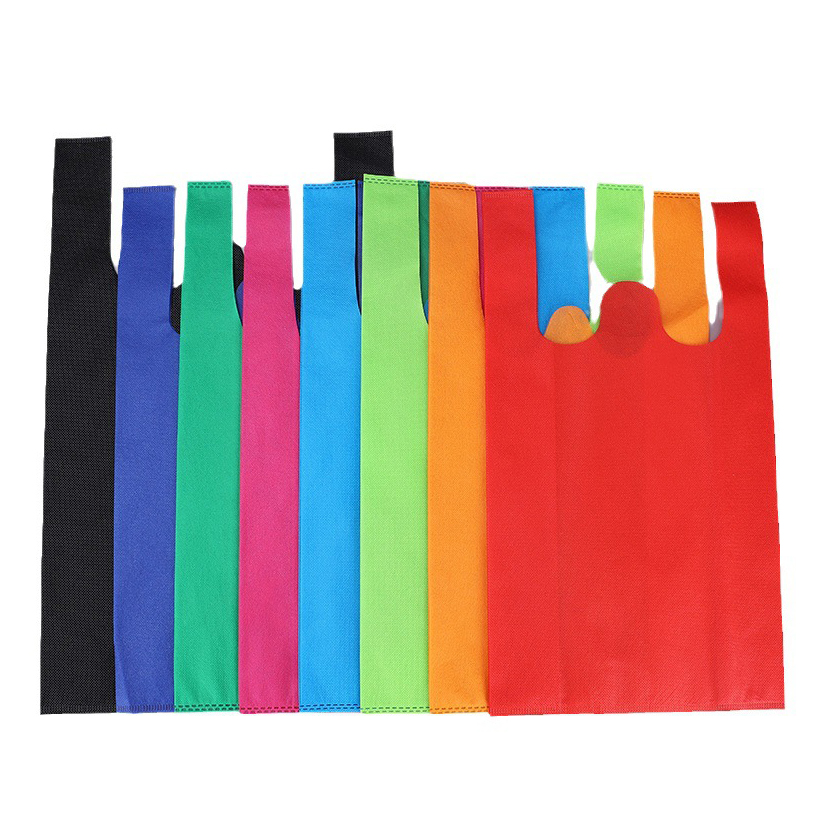
The Strategic Role of Packaging Bags in Retail Branding
How Custom T-Shirt Bags Enhance Brand Visibility
Custom t-shirt bags turn everyday packaging into mobile advertisements. Branded carrier bags generate 4x more daily impressions than generic alternatives, as customers reuse them across multiple locations. In high-traffic areas like shopping districts, this creates continuous brand exposure—delivering consistent touchpoints without added marketing spend.
Branding Potential of Custom T-Shirt Bags in Customer Recall
Brands are remembered 53% longer when logos appear on reusable packaging (Neuromarketing Journal 2024). The ergonomic handles and distinctive silhouette of t-shirt bags reinforce visual identity, while repeated visibility during commutes strengthens associative memory, turning routine errands into subconscious brand reinforcement.
Data-Driven Impact: 73% Increase in Brand Recognition With Custom-Printed Shopping Bags
A 2024 retail study of 1,200 stores found that adopting custom-printed shopping bags led to a 73% increase in unaided brand recall within six months. For mid-market retailers, this approach proved 31% more cost-efficient than digital ad campaigns, offering measurable ROI through physical branding.
Balancing Design: Overdesign vs. Minimalist Branding in Packaging Bags
- Overdesign risks: Cluttered visuals reduce logo recall by 40% (Packaging Psychology Review 2023)
-
Minimalist advantage: Single-color logos on kraft-style bags achieve 89% retention in short-term memory
Heat-transfer printing for subtle, refined branding results in 22% higher bag reuse compared to bold screen-printed designs, striking a balance between visibility and aesthetic appeal.
Tailoring Custom T-Shirt Bags to Specific Retail Segments
Design Adaptation for Fashion, Grocery, and Specialty Retail Environments
When packaging matches what shoppers expect from different industries, retailers notice about 68% more interaction from customers. Take fashion labels for instance they often go all out with eye catching logos and fancy handles that match their clothes style. Grocers meanwhile focus on making sure boxes can survive transport and display green messages prominently. Bookstores and makeup stores have found something interesting too. Those little QR codes on their packages help people remember the brand around 22% better according to some tests. Looking at Gelato's findings from last year, companies that customize their packaging instead of using run of the mill designs actually cut down on waste by roughly 41% each year. Makes sense really if products look right for where they belong, folks tend to care more about them.
Case Study: Boutique Apparel Store Boosts Repeat Purchases by 40% Using Personalized T-Shirt Bags
A small shop in Kansas City got creative with their seasonal fashion drops by introducing colorful t-shirt bags that come with detachable fabric tags. Most shoppers ended up using these bags again for presents or storing stuff around the house, which translated into roughly 12 thousand social media views each month without paid ads. The store saved nearly 28 percent on those one-time use plastic bags while building stronger connections with regular customers. Similar approaches have been studied in circular economy circles as smart ways for retailers to stay green without breaking the bank.
Aligning Bag Design With Target Audience Through Color Psychology and Messaging
Retailers who go for navy and gold color schemes in premium stores see about a 19% bump in how valuable their products look to customers. Meanwhile, discount shops notice something interesting too their checkout areas become 34% more visible when they use those bright yellow handle designs. According to recent research from 2024, around seven out of ten shoppers automatically connect how a bag looks with what they think about the product inside. When it comes to younger generations, Gen Z really gravitates toward bags with matte finishes and lots of text-based design elements, which actually boosts engagement rates by nearly 30%. Older shoppers tend to stick with what they know better classic brand logos on bigger, easier to hold handles just make sense for them.
Design and Printing Techniques for Maximum Visual Impact
Key visual design elements that maximize shelf-to-street exposure
High-contrast color schemes improve recognition by 67% in retail settings (Retail Design Institute 2023), while minimalist typography boosts logo recall by 41%. Strategic white space ensures branding remains impactful without overwhelming functionality. Vertical bag layouts increase visibility by 29% in pedestrian traffic compared to horizontal formats, making them ideal for urban environments.
Digital vs. screen printing: Choosing the right method for retail scalability
| Factor | Digital Printing | Screen Printing |
|---|---|---|
| Batch Size | ≤ 500 units | 500+ units |
| Color Vibrancy | Photorealistic accuracy | 18% higher saturation* |
| Setup Cost | $0.03-$0.12 per unit | $80-$220 initial screen |
| Lead Time | 2-4 business days | 5-10 business days |
| Ecological Impact | 23% less ink waste | Water-based ink options |
*Based on retail packaging color studies comparing Pantone-matched outputs
Incorporating QR codes and social media tags to extend marketing reach
QR codes on product packaging get scanned about 27% of the time when they come with prompts like "Check out our style guide" or similar messages. The dynamic ones that show different stuff based on what someone might want? Those really work better, getting around 38% more interaction compared to regular old static QR codes. And here's something interesting from some tests done in the fashion world: when brands print their social media info using their main color schemes, people tag them in posts almost 53% more often. Makes sense actually, since it just looks more consistent across everything.
Selecting Bag Size and Material Quality for Durability and Product Fit
When stores match their bag sizes to what customers typically buy, they end up replacing packaging about 23% less each year according to Packaging Insights from last year. Big bags just end up wasting plastic while small ones tend to split at the seams, which can be a real problem for places selling drinks where bags need to hold between 500 and 800 grams without bursting. Apparel retailers have started switching to multi-ply polypropylene bags lately because these offer around three times better protection against punctures compared to regular LDPE bags, all without costing much extra money in production costs.
Handle Styles and Load Capacity Aligned with Customer Purchase Behavior
Grocery store shoppers who grab around six to twelve items report significantly less hand strain when using die-cut handles, cutting discomfort by roughly forty-one percent according to recent studies. Retailers have noticed different preferences across price points too. Stores selling premium products often go for dual handle designs that let them display goods vertically on shelves. Meanwhile discount chains stick mostly with looped handles since they work better for grabbing multiple heavy items at once. When it comes to how much weight these bags can hold, there's quite a difference between continents. Shoppers in Asia generally want something sturdy enough to carry fifteen kilograms or more because they tend to shop at several stores during one trip. Europeans usually settle for about eight kilos per bag though, which seems to match their shopping habits better.
Trend: Rise of Reinforced Handles and Eco-Composite Materials in High-Traffic Stores
Big name stores have seen about 68 percent fewer broken handles since they started using these new hybrid materials made from recycled PET mixed with hemp bases. This combo hits the sweet spot between lasting power and being good for the planet. We're talking real world results here! Look around at premium packaging these days and about 47% will have those ribbed handle reinforcements. Why? Because companies tested them out first in places like airports and stadiums where shoppers carry their bags hundreds of times each day. Makes sense when you think about it right?
Table of Contents
- The Strategic Role of Packaging Bags in Retail Branding
- Tailoring Custom T-Shirt Bags to Specific Retail Segments
-
Design and Printing Techniques for Maximum Visual Impact
- Key visual design elements that maximize shelf-to-street exposure
- Digital vs. screen printing: Choosing the right method for retail scalability
- Incorporating QR codes and social media tags to extend marketing reach
- Selecting Bag Size and Material Quality for Durability and Product Fit
- Handle Styles and Load Capacity Aligned with Customer Purchase Behavior
- Trend: Rise of Reinforced Handles and Eco-Composite Materials in High-Traffic Stores