
 EN
EN
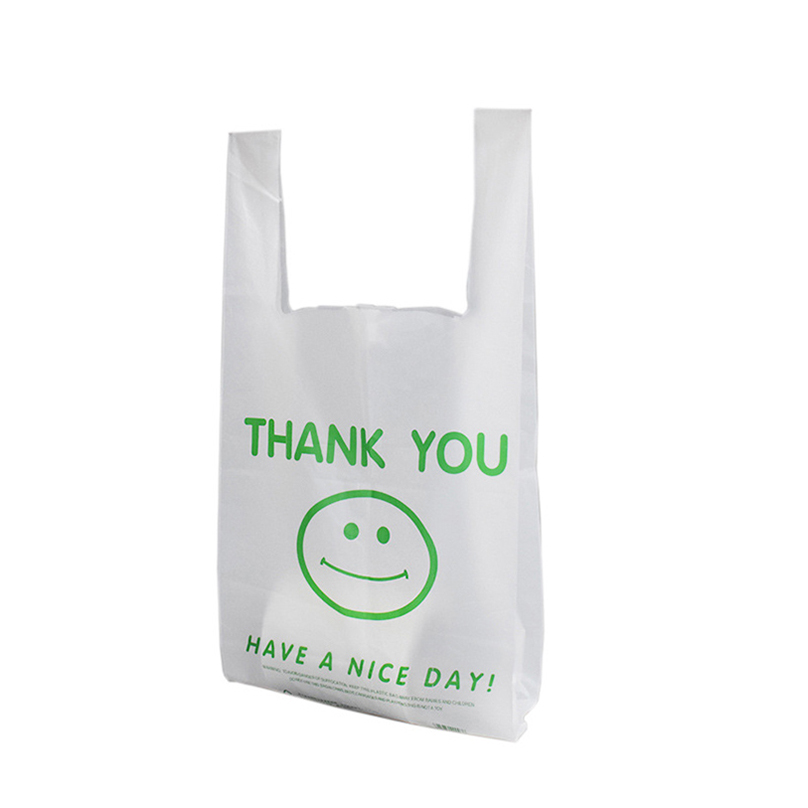
What Are T-Shirt Bags and Why They Dominate Grocery Packaging
T shirt style bags got their name because they look like the top part of a t shirt without sleeves. They come with cut out handles and a smooth bottom that makes packing quicker and easier. Why do stores love them so much? Mainly because they distribute weight better than other options. These HDPE bags can carry around 22 pounds or 10 kilograms without putting stress on the handles, which explains why they take up about 42 percent of the worldwide plastic packaging market according to Thomasnet data from 2023. The material itself, high density polyethylene, strikes just the right balance between being tough enough to resist tearing yet still flexible enough for everyday use, beating out those old fashioned flat handled alternatives that everyone used to complain about.
Evolution of Plastic Bag Types for Retail Use
Back in the day, those early shopping bags made from low density polyethylene just couldn't handle much weight at all. They'd start stretching out and ripping when loaded with anything over about 5 pounds. Things changed big time in the 1980s when retailers switched to high density polyethylene instead. This new material let bags carry roughly 60 percent more stuff without needing extra plastic. As stores started caring more about how comfortable their customers felt while carrying groceries, t shirt style bags became popular. Those loop handles actually cut down on hand strain by around thirty percent compared to regular square cut handles. Even though there's been talk about biodegradable options lately, most American grocery chains still stick with HDPE t shirt bags because they're so cheap to produce, costing less than three cents each, plus they hold up really well during transportation across the country.
Durability and Load Capacity: Engineering Stronger T-Shirt Packaging Bags
Shopping Bag Durability and Weight Capacity Benchmarks
Today's grocery bags need to hold between 15 and 30 pounds without tearing apart. The industry has set rules through standards like ASTM D5276 that basically say a bag needs to handle 125% of what it's labeled for during a full minute test period. This matters when shoppers pack their carts with heavy stuff like cans or bottles of drinks. Take a bag rated at 25 pounds for instance. According to these tests, it actually needs to stand up to around 31 pounds before giving way. Most people don't think about this when grabbing a bag from the store counter, but these requirements help explain why modern bags generally work so well under normal shopping conditions.
Film Thickness and Its Impact on Strength in HDPE T-Shirt Bags
Strength in HDPE t-shirt bags is closely tied to film thickness:
- 0.7-0.9 mil: Standard retail use (5-10 lb capacity)
-
1.1-1.5 mil: Heavy-duty applications (15-25 lb capacity)
Bags with ≥1.5 mil thickness experience 62% fewer tears than thinner variants (Flexible Packaging Association, 2023), though costs increase accordingly.
Reinforced Handles and Seams for Improved Performance
Die-cut handles with 30% wider stress zones reduce tearing risk by 41% during load testing (ASTM D4632-22). Heat-sealed seams extending 0.5” beyond the edges create “rip-stop” barriers, preventing cracks from spreading at the handle base—one of the most common failure points.
Tear Resistance and Flexibility Under Real-World Load Conditions
Advanced HDPE formulations now endure 12,000 flex cycles without perforation—up from 8,000 in 2020. Testing shows angled loads, typical in grocery carrying, demand 22% higher puncture resistance than vertical tests alone, prompting innovations in multi-directional polymer alignment to enhance durability.
Materials and Sustainability: From HDPE to Eco-Friendly Blends
Common Materials: HDPE, Polypropylene, and Their Performance Traits
Grocery stores still go with High-Density Polyethylene (HDPE) bags mostly because they resist water, hold up well, and can actually be recycled. The stuff is packed tighter than regular polyethylene by about 30%, which means these bags can handle anywhere from 15 to 25 pounds without breaking while maintaining their flexibility. Some companies try using polypropylene instead since it looks clearer and shows off logos better, but honestly those bags just don't stand up to daily wear and tear like the classic t-shirt style bags need to. Looking at numbers from the 2023 Plastics Recycling Report, around three out of four supermarkets stick with HDPE primarily because it works pretty seamlessly within current recycling infrastructure across the country.
Material Composition in Biodegradable Alternatives (PLA, PBAT, Starch Blends)
Compostable t-shirt bags typically blend polylactic acid (PLA) derived from corn starch with PBAT to improve flexibility and decomposition rates. Starch-based components cut fossil fuel use by up to 60%, but require strict humidity control during production to avoid brittleness.
Moisture Resistance in Compostable T-Shirt Bags: Challenges and Solutions
Unlike HDPE, which naturally repels water, compostable films absorb moisture, weakening seams in humid environments. To address this, manufacturers apply bio-based wax coatings that boost water resistance by 40% without compromising ASTM D6400 certification for industrial compostability.
Environmental Lifecycle Comparison: HDPE vs. Compostable Bags
A 2022 Georgia Tech study found that properly recycled HDPE bags generate 72% fewer emissions than compostable options. However, when processed in industrial composting facilities, agricultural-waste-based compostables can achieve carbon-negative outcomes—though only 12% of U.S. counties have access to such infrastructure.
Industry Paradox: Rising Demand for Eco-Friendly Bags With Inconsistent Disposal Infrastructure
A lot of people say they want compostable packaging these days, around 67% according to recent surveys, but the reality check comes when we look at actual infrastructure availability. Less than 18% of households actually have access to curbside composting services right now. What happens? Well, guess what? Those fancy compostable bags often wind up in regular trash bins instead. Greenpeace reports that about 41 million pounds worth end up in landfills every year. Retailers are starting to figure this out though. Many stores now offer both traditional HDPE bags along with special take back programs for customers who can't properly dispose of them locally. And some companies limit their compostable offerings only to regions where proper disposal facilities actually exist, which makes sense if we're going to talk about real world impact versus just marketing claims.
Design Optimization: Size, Handle Types, and Load Efficiency
Standard Dimensions and Load Distribution Efficiency
Optimal bag dimensions—such as 12” x 7” x 22”—promote even weight distribution and minimize stress concentrations that lead to tears. Research from the International Journal of Industrial Ergonomics shows centralized load placement reduces user strain by 18% and increases safe carrying limits, enabling reliable transport of 15-20 lbs in standard grocery configurations.
Handle Designs: Comfort, Strength, and Ergonomic Considerations
Handles today are designed with palm shapes in mind so people don't get tired holding things for long periods. The surface has texture that keeps fingers from slipping, even when hands are wet or carrying something heavy. These new handles are built much stronger too. They're about 40 percent thicker compared to what was made before, which helps spread out pressure points where bags usually break. Most stores have seen around a third fewer complaints about broken handles since they switched to this better design. Some big chain stores actually track these numbers closely because customer satisfaction matters so much these days.
Customization and Branding Opportunities for Grocery Store Packaging Bags
Grocery stores increasingly use packaging bags as brand touchpoints while meeting functional demands. Screen-printing technology allows durable logo application, with 87% of consumers recalling brands seen on reusable bags (Packaging Insights, 2023). Suppliers offer customizable features including high-definition prints and QR codes linking to recycling guidance.
Printing Logos and Compliance Messaging on Packaging Bags
Beyond branding, 62% of retailers include compliance messaging such as “Recycle Me” or material details directly on bags. This approach satisfies regulatory requirements and promotes responsible disposal habits among shoppers.
Tailoring Sizes, Thickness, and Closure Types for Specific Store Needs
Custom t-shirt bags are now tailored to specific departments:
- Produce sections: 0.7-mil HDPE with vented designs
- Frozen goods: 2.5-mil thickness with anti-static coating
- Bulk items: Die-cut handles rated for 50+ lbs
This specialization cuts material waste by 23% compared to uniform solutions, while ergonomic handle variations—loop, die-cut, or reinforced—improve comfort across diverse shopping scenarios.
FAQ
What are t-shirt bags?
T-shirt bags are plastic bags resembling the shape of a sleeveless t-shirt with cut-out handles and are often used in grocery packaging due to their durability and weight distribution.
Why do grocery stores prefer using HDPE t-shirt bags?
Grocery stores prefer HDPE t-shirt bags for their durability, cost-effectiveness, and ability to carry substantial weight without tearing, making them a reliable choice for everyday use.
What are the sustainability challenges associated with t-shirt bags?
While HDPE bags can be recycled, compostable alternatives face challenges due to limited composting infrastructure, resulting in many bags ending up in landfills.
Are there biodegradable options for t-shirt bags?
Yes, there are biodegradable options for t-shirt bags, typically made from PLA and PBAT blends, but they require specific composting facilities for proper decomposition.
Table of Contents
- What Are T-Shirt Bags and Why They Dominate Grocery Packaging
- Durability and Load Capacity: Engineering Stronger T-Shirt Packaging Bags
-
Materials and Sustainability: From HDPE to Eco-Friendly Blends
- Common Materials: HDPE, Polypropylene, and Their Performance Traits
- Material Composition in Biodegradable Alternatives (PLA, PBAT, Starch Blends)
- Moisture Resistance in Compostable T-Shirt Bags: Challenges and Solutions
- Environmental Lifecycle Comparison: HDPE vs. Compostable Bags
- Industry Paradox: Rising Demand for Eco-Friendly Bags With Inconsistent Disposal Infrastructure
- Design Optimization: Size, Handle Types, and Load Efficiency
- Customization and Branding Opportunities for Grocery Store Packaging Bags
- FAQ