
 EN
EN
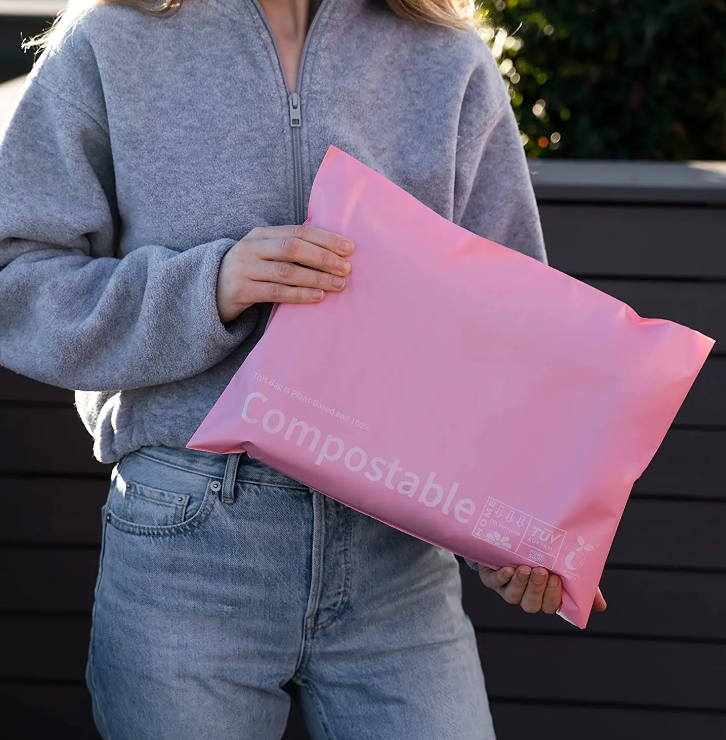
Mailing Bag Advantages: Boosting Delivery Efficiency and Cutting Operational Costs
Lightweight Design Lowers Fuel Use, Handling Time, and Freight Charges
Mailing bags’ ultra-light construction significantly reduces transportation energy demands—cutting fuel consumption per shipment, lowering carbon footprints, and reducing freight expenses. Replacing a 200g cardboard box with a 20g mailer slashes package weight by 90%, delivering measurable downstream benefits:
- Fuel efficiency: Lighter loads improve vehicle MPG, reducing fuel costs by up to 12% (Logistics Management 2023).
- Handling speed: Standardized shapes enable automated sorting, accelerating processing by 25% versus irregular boxes.
- Dimensional pricing: Compact, uniform mailers avoid oversized surcharges imposed by carriers like USPS and FedEx.
End-to-End Savings in Fulfillment Labor, Storage, and Last-Mile Routing
Mailing bags do much more than just cut down on shipping time they actually transform how products move through the whole supply chain, starting right at the warehouse and going all the way to when customers receive their packages. These bags come with built-in seals that make packing faster for staff, which means warehouses run smoother overall. When looking at actual numbers, employees handling these flexible mailers can get through about twice as many orders each hour compared to building those traditional cardboard boxes from scratch. That translates into real savings on payroll expenses. And let's talk about storage space. Imagine having 100 thousand of these flat mailers sitting around versus the same number of already assembled boxes taking up room. The difference? About four times less floor space needed. This matters especially during peak seasons when every square foot counts. Plus, these benefits extend right into the final leg of delivery too, where lighter packages mean fewer trips and happier drivers.
- Route optimization algorithms favor compact, uniform mailers—enabling 15% more stops per driver shift.
- Reduced package volume eases sorting center congestion, decreasing late deliveries by 18%.
- Theft-resistant designs lower loss rates during transit, helping retailers avoid $740k in annual replacement costs (Ponemon Institute 2023).
Smart and Sustainable Mailing Bag Innovations
Intelligent Features: Tamper-Evident Seals, QR-Integrated Labels, and RFID-Ready Designs
Today's mailing bags come equipped with security and tracking features that make things much easier to monitor and handle manually. The tamper-evident seals on these bags give clear signs if someone has tried to open them without permission. According to Packaging Security Journal from last year, this simple feature cuts down theft cases by around 32 percent in most facilities. Then there are those QR code labels stuck right on the packages. When scanned at distribution centers, they save workers about 15 precious seconds per item during sorting. Some companies have even started using RFID technology built into their packaging materials. This lets warehouses track inventory in real time without needing direct line of sight for scanners, which actually brings down processing expenses by roughly 23%. All these improvements not only protect against losses but also speed up how fast goods move through the supply chain network.
Eco-Conscious Materials: Mono-PE Recyclability, Compostable PBAT Blends, and Water-Soluble Liners
The world of mailing bags is getting a green makeover thanks to sustainable innovations. Take mono PE bags for instance these single material polyethylene sacks can actually be recycled at most local facilities with about 98 percent success rate. That translates to roughly seven point two million tons less packaging going into landfills every year according to industry estimates. Then there are those compostable blends made from PBAT and PLA that tick all the boxes for ASTM D6400 certification requirements. They break down completely within around ninety days if placed in proper industrial compost settings. Another smart development comes in the form of water soluble polymer liners which literally melt away during the recycling process instead of leaving behind pesky microplastics. All these advancements cut down on overall carbon emissions throughout their entire lifecycle by as much as forty percent compared to old school laminated options. And here's something interesting they still pass rigorous drop tests with flying colors often outperforming the minimum ISTA 3A standards set for package protection.
The Sustainability Imperative: How Mailing Bags Support ESG Goals and Regulatory Compliance
The push for regulation around plastics is really picking up steam these days. We're seeing everything from outright bans on single-use plastics to new laws about producer responsibility for packaging waste. More than 40 nations have already put some form of packaging regulation in place, and companies that don't follow the rules could end up paying hefty fines equal to around 4% of their yearly revenue. When it comes to actual solutions, mailing bags crafted from mono-PE material or those made from compostable PBAT blends actually help companies meet their ESG goals pretty well. These alternatives cut down on landfill waste by somewhere between 30% and 50% compared to regular old packaging materials. This makes sense for businesses trying to comply with reporting standards such as the EU's CSRD directive, plus research shows that roughly three out of four B2B customers care about sustainability when choosing whom to work with. Switching over to recyclable mailing bags isn't just good practice today either; it helps protect supply chains from all sorts of regulatory changes that are likely coming soon in major markets worldwide.
Real-World Adoption: Case Studies of Retailers and Logistics Providers Optimizing with Mailing Bags
Big names in retail and logistics have seen real improvements when they started using mailing bags on a large scale. Take one clothing brand for example they slashed package damage during shipping by around 27% each year once they switched to lighter weight mailers throughout their online business. Another global shipping company managed to save money on those final delivery costs too, cutting them down by about 19% after swapping out stiff cardboard boxes for space saving mailers whenever items weren't fragile. Looking at all these cases, several similar trends pop up time and again across different companies trying this approach.
- Fulfillment centers reduced packing labor time by 15–22 seconds per shipment due to bag simplicity and no-box assembly.
- Automated sorting systems processed mailer bags 40% faster than irregular packages.
- A European fashion brand diverted 86 tons of plastic from landfills yearly by switching to recyclable mono-PE designs.
With carriers like DHL and FedEx offering preferential volumetric pricing for standardized mailer dimensions, early adopters report 12–18% lower freight expenses. These outcomes help explain why 73% of high-volume shippers now use mailing bags for at least 30% of their parcel volume.
Table of Contents
- Mailing Bag Advantages: Boosting Delivery Efficiency and Cutting Operational Costs
- Smart and Sustainable Mailing Bag Innovations
- The Sustainability Imperative: How Mailing Bags Support ESG Goals and Regulatory Compliance
- Real-World Adoption: Case Studies of Retailers and Logistics Providers Optimizing with Mailing Bags