
 EN
EN
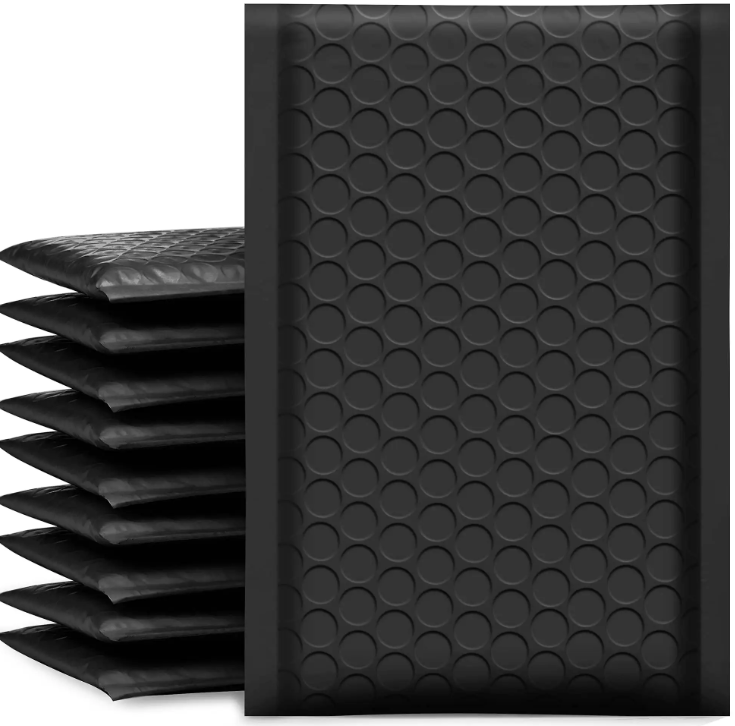
Choosing the Right Mailer Bags for Your Ecommerce Business
Aligning Mailer Bag Types with Product Size, Weight, and Shipping Volume
When choosing mailer bags, getting them right for product size, weight limits, and how much stuff needs shipping matters a lot. Take accurate measurements first then leave about an inch or two extra room inside so nothing gets crammed in too tight. Going too big on the mailer can really eat into shipping budgets since carriers charge based on package dimensions, not just actual weight. Plus bigger mailers mean higher chances of things breaking during transport. Shippers who send out over 500 packages each month will save time and space by sticking with standard sizes most of the time. Regular plastic mailers work fine for clothes that weigh less than a pound, but when dealing with gadgets weighing up to five pounds, go for the stronger versions instead. Don't forget to check what's going inside before picking materials either. Anything sharp or hard needs thicker protection against punctures, ideally around 150 microns minimum thickness to stay safe.
Evaluating Critical Performance Factors: Durability, Seal Integrity, and Material Sourcing
Prioritize three non-negotiable attributes:
- Durability: Choose tear-resistant materials with a minimum tensile strength of 4.5 lb/inch and weatherproof coatings for humid or variable climates
- Seal integrity: Pressure-sensitive adhesives must maintain bond strength across temperatures from –20°C to 50°C—this prevents 98% of accidental openings in real-world transit conditions
- Material sourcing: Mailers with ₤40% post-consumer recycled (PCR) content deliver strong sustainability credentials without compromising structural performance; virgin polymers remain preferable only when absolute moisture barrier integrity is critical (e.g., for pharmaceuticals or moisture-sensitive electronics)
Validate protection levels with drop tests from 4 ft onto concrete using your actual products—this step is essential before committing to bulk procurement.
Integrating Mailer Bags into High-Efficiency Packing Workflows
Optimizing Storage, On-Demand Dispensing, and Labeling for Speed and Accuracy
Putting vertical storage systems close to packing areas can really speed things up. These setups typically save about 30 to 40 minutes on retrieving mailer bags compared to when they're stacked horizontally. The on demand dispensers do most of the work themselves, separating and feeding materials so workers don't have to handle them as much. This cuts down on wasted materials too. When companies add thermal printers that stick shipping labels right onto packages as they seal them, mistakes from hand placed labels disappear completely. Packing speeds jump way above what people can manage manually, hitting around 60 items per hour according to industry standards. That represents roughly a 20% to 35% boost in productivity for most operations. And if businesses throw in those automated scanners for checking barcodes and addresses, they'll see something like a 90% drop in sending out packages to the wrong places.
Enabling Resealable Returns and Internal Reuse Without Compromising Brand Integrity
Using resealable adhesive strips makes it easy for customers to send back products in their original boxes, which can slash processing costs somewhere around 25 to 30 percent. When it comes to reusing these internally, set up a basic sorting process. Clean and put back into service any bags that still have good branding for things like moving stuff between facilities rather than sending them out to actual customers. Throw away the ones that are damaged so they can get recycled properly. Don't try to reuse anything more than two or three times at most. Put those tracking labels on in areas where nobody will see the brand marks. This approach keeps everything looking consistent when we ship to real customers but also doubles the life span of our average shipping bag over time.
Scaling Mailer Bag Implementation Across Business Sizes
Getting the most out of mailer bags means finding approaches that fit different business sizes. For smaller shops, sticking with standard sizes and handling things manually makes sense because it keeps costs down, takes up less space in storage areas, and integrates easily into existing operations. When companies grow to mid-size levels, they start looking at automation options. Some businesses have seen packing times drop by around 30% just by installing dispensing systems, plus they waste fewer materials. Big enterprises dealing with massive daily shipment volumes need something completely different though. These folks invest in specialized equipment like automatic sealers and full branding solutions for printed bags so everything stays consistent when processing hundreds or even thousands of orders each day. The market for these mailer bags hit $15 billion last year according to Market Study 2023, showing how important scale has become. Mid-sized businesses are actually responsible for nearly half of the expected 6.2% annual growth rate until 2030. Retailers concerned about their environmental impact at every level are also pushing for recyclable materials as they expand their operations. They want to meet growing green standards while still making sure packages protect what's inside them properly.
Balancing Sustainability and Reliability in Mailer Bag Selection
Biodegradable, Recycled, and Compostable Mailer Bags: Real-World Performance Trade-offs and Best Practices
Going green with mailer bags means making some tough choices when it comes to how well they actually work. The biodegradable ones will definitely break down on their own eventually, but they tend to tear easier, especially if stored somewhere hot and damp. Recycled polyethylene options usually hold up pretty well against regular plastic bags since they contain anywhere from 30 to 80 percent used material after all. There might be some differences in thickness though, so don't expect them to be exactly the same every time. For those looking at compostable alternatives certified under ASTM D6400 standards, these do break down properly in industrial composting setups. Still worth noting that anything heavier than five pounds should probably go in something else because these compostable bags just aren't built for heavy loads.
Key best practices include:
- Requiring third-party certifications—such as TÜV Austria’s OK Compost HOME—for any home-degradable claims
- Conducting drop tests with your actual products and typical transit conditions before full rollout
- Adjusting thickness: recycled mailers generally need ~20% greater mil thickness than virgin equivalents to achieve equivalent protection
- Confirming local infrastructure: 60% of U.S. counties lack access to industrial composting facilities, making ASTM D6400 certification insufficient on its own
The strongest approach balances environmental goals with operational reality—using phased testing, clear disposal instructions for customers, and material selection grounded in verified performance—not just marketing claims.