
 EN
EN
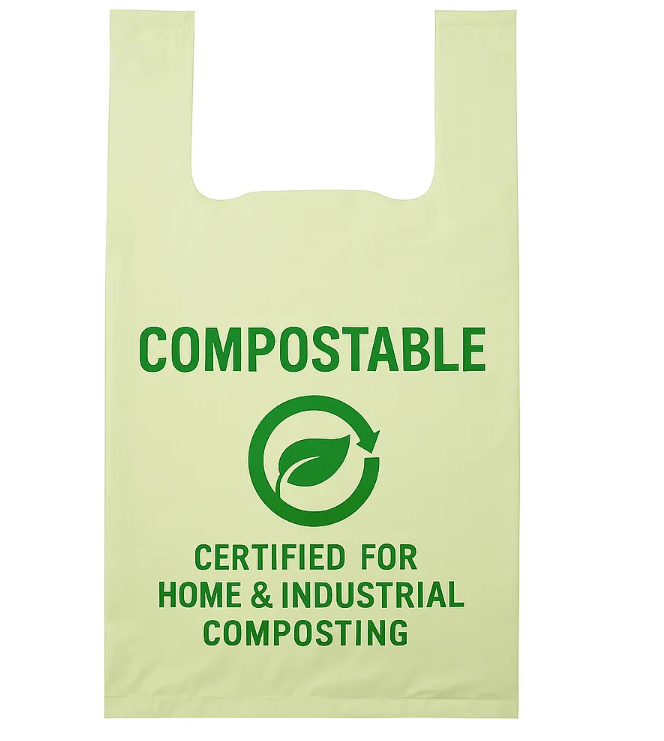
The Psychology Behind Packaging Bags: Shaping First Impressions
Color, Texture, and Shape as Subconscious Triggers for Brand Recall
The colors, textures, and shapes on packaging bags actually work on our brains without us even realizing it. Studies from the Journal of Business Research back this up, showing that around 9 out of 10 buying choices get made based on what we see first. Color plays a big role here too. Think about how red and orange make our mouths water when we see them on snack packages, versus blue and green which tend to make people think of health and trustworthiness, which is why drug companies often go with those shades. What something feels like matters just as much. A soft matte finish on a luxury item makes customers feel like they're holding something special, while rough kraft paper suggests eco-friendliness and honesty, like those organic grocery bags. Shapes tell stories too. Round packaging feels friendly and comforting, perfect for baby products or natural foods, but sharp corners scream technology and efficiency, which explains why so many electronics come in boxy containers. When all these elements match up across different products, brands stick in our minds better. Some research indicates this consistency can make consumers remember a brand up to four times more than if the visuals were inconsistent.
Cognitive Fluency and the Speed-to-Trust Effect of Familiar Packaging Bags
When consumers see familiar packaging bags, their brains work less hard to process what they're looking at, which builds trust faster. Research shows that people who encounter established visual patterns spend about 37% less time trying to figure things out mentally (Journal of Consumer Psychology found this back in 2023). What does this actually look like? Think about how easy it is to open these packages, where labels are always placed the same way, and those distinctive design elements that make brands instantly recognizable even when standing across a busy store aisle. Companies that stick with consistent packaging structures get purchase decisions made 46% quicker according to Packaging Digest from last year. Why? Because when something looks familiar, it feels reliable. People experience this as sort of a visual handshake before they even touch the product. The effect on store shelves is pretty significant too. Products wrapped in their signature style catch 60% more eyes initially compared to items with strange or changing designs.
Packaging Bags as Brand Identity Amplifiers
Consistent Visual Language Across Bag Formats Builds Recognition
Keeping things looking the same across different packaging formats such as stand up pouches, flat bottom totes, and gusseted bags really helps people remember brands. When companies use the same colors, logos, fonts, and overall design style on all their bags, studies show this can boost brand recognition by around 23 percent according to research from Lucidpress back in 2020. What happens is pretty straightforward actually each bag becomes basically another piece of mobile advertising for the brand itself. These aren't just seen when customers are buying them at stores either they stick around long after purchase too, showing up during checkout lines and even sitting on kitchen counters at home. Brands often add special touches like repeating patterns or distinctive color blocks to stand out against competitors. These small details create that familiar feeling in consumers minds, making it easier for them to pick products off shelves quickly while also keeping those brands fresh in memory between shopping trips.
Tactile Cues and Finish Quality as Silent Brand Ambassadors
The way materials feel and look tells customers what kind of brand they're dealing with even before they see any text. Soft touch matte finishes scream luxury while rough kraft paper suggests honesty and eco friendliness. People actually notice these things too. According to McKinsey & Company research from 2022, around three out of four B2B buyers connect strong seams, tough zippers, and slick laminates with products they can count on. These little touches act like understated representatives for brands, helping build trust because stuff lasts longer, matches what companies claim, and just feels right when handled. Brands that keep their material standards consistent across all products silently prove they mean what they say, which makes customers stick around longer and become loyal over time.
Elevating Perceived Value Through Intentional Packaging Bag Design
Material Selection (e.g., Matte Laminate vs. Recycled Kraft) as a Value Signal
What materials we choose plays a big role in how people see the value of products. Matte laminates have this light absorbing quality and feel really soft when touched, making them instantly associated with high end items. On the flip side, plain recycled kraft paper sends out signals about being environmentally friendly but still maintains quality standards. The numbers back this up too - according to NielsenIQ research from last year, around six out of ten shoppers actually rate products as more valuable when they come in premium looking packaging. Basically, every decision about what kind of material gets used becomes a way to send messages through texture. These physical characteristics create mental triggers in consumers minds, setting them up to expect better quality and be ready to spend more money.
Proportion, Structure, and Negative Space That Convey Premiumness
Smart structural design transforms packaging from mere functionality into something that shapes how people see it. The gussets are carefully made to keep things standing straight, while taller shapes give off a sense of something special and well thought out. When designers leave some empty space around products, it actually helps highlight important brand details without crowding them. Bases that look like premium display boxes tell consumers subconsciously that whatever is inside deserves careful handling. People tend to associate good balance between different parts of packaging with better quality overall. Most shoppers pick up on these visual signals even before they touch the actual product, which means getting the geometry right can really boost what customers think about the value of what's inside.
Packaging Bags as Growth Enablers: Unboxing, Shareability, and SEO-Ready Visuals
Designing for Social-First Moments: Tear-Strips, Embossing, and Instagram-Optimized Palettes
When packaging bags are made to be shared online rather than just protective containers, they actually help businesses grow naturally. Think about those tear strips that make opening packages so satisfying for people recording unboxing videos. And don't forget the embossed details on the surface that catch the eye when someone takes a close up shot for social media posts. Color choices matter too. Brands need to pick hues that stand out on phone screens while still matching their overall look. Bright contrasts work best for getting noticed in crowded feeds and stories, which leads to more tagging and sharing by real users. What happens next? The packaging itself becomes something customers want to show off, creating genuine word of mouth promotion. We know from experience that regular folks posting about products tend to get better responses than official ads do. So smart designers create packages where everything serves two purposes at once supporting actual use while also telling a compelling visual story that spreads across platforms organically.
Functional Trust: How Packaging Bag Usability Drives Loyalty and Repeat Purchase
Good packaging goes way beyond looking nice or making people feel something special. How well a bag actually works plays a big role in keeping customers coming back. Think about those little things that make life easier: bags that can be sealed again after opening, materials that don't tear easily when handling groceries, and handles shaped just right for carrying without dropping everything. These small details make using the product feel effortless instead of frustrating. A package that stops stuff from spilling out, lets someone grab what they need with just one hand, or fits neatly in a cupboard shows the company knows what it's doing. Some studies from McKinsey found that when products work this smoothly, people tend to buy them again about 23 percent more often than usual. And there's another angle too. Bags made to last longer get used for other purposes later on, like holding office supplies or even as temporary shopping bags. This keeps the brand visible long after purchase while showing care for the environment. Companies that focus on making their packaging tough enough to survive transport and easy to open without tearing also see fewer returns. All these factors combined help transform casual shoppers into regular customers who trust that whatever they buy will perform reliably every time.
Table of Contents
- The Psychology Behind Packaging Bags: Shaping First Impressions
- Packaging Bags as Brand Identity Amplifiers
- Elevating Perceived Value Through Intentional Packaging Bag Design
- Packaging Bags as Growth Enablers: Unboxing, Shareability, and SEO-Ready Visuals
- Functional Trust: How Packaging Bag Usability Drives Loyalty and Repeat Purchase