 EN
EN
Environmental Impact: How Eco-Friendly Bread Bags Reduce Plastic Waste
Why Conventional Plastic Bread Bags Fail the Recycling System (92% Landfilled or Incinerated)
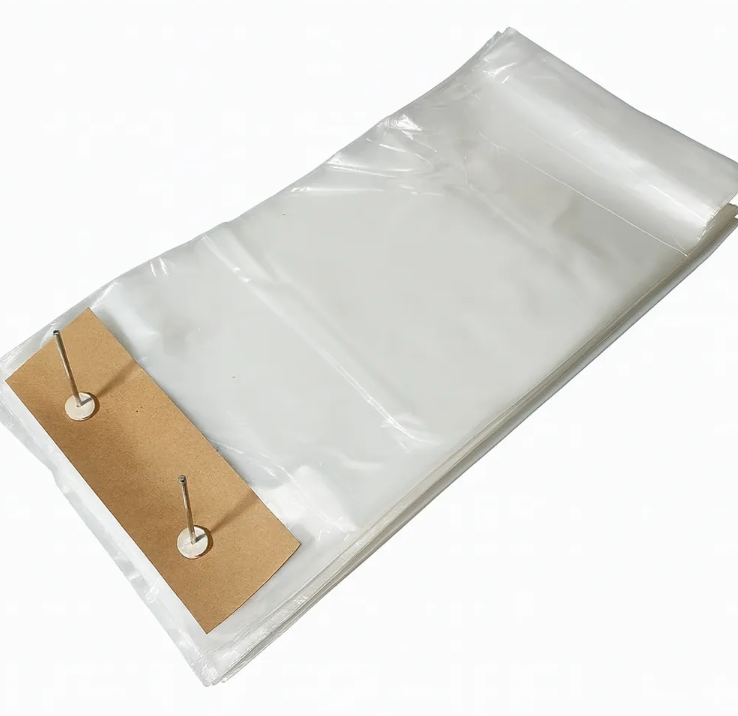
Most regular plastic bread bags just can't be recycled through normal curbside programs because of three main problems. First off, they're made with multiple layers that won't separate properly during recycling. Then there's all the leftover crumbs and grease that gets mixed into the recycling stream. And finally, those thin plastic films tend to get stuck in the sorting machines at recycling centers. The end result? About 92 percent of these bags end up either buried in landfills or burned away, which releases harmful stuff like microplastics, methane gas, and other nasty toxins according to the Ellen MacArthur Foundation report from last year. Think about this too: making all those bread bags eats up around 12 million barrels of oil every single year in the United States alone. That's roughly enough energy to power close to 1.5 million households throughout the year.
Carbon Footprint Comparison: rPET, Organic Cotton, and Compostable PLA Bread Bags vs. Virgin Polyethylene
Eco-alternatives deliver substantial carbon reductions relative to virgin polyethylene (2.5 kg CO2e/kg):
| Material | Carbon Footprint | Reduction vs. Virgin PE | Key Advantage |
|---|---|---|---|
| rPET | 1.8 kg CO2e/kg | 28% | Food-safe, high recyclability |
| Organic Cotton | 0.9 kg CO2e/kg | 64% | 200+ reuses, home-compostable |
| Compostable PLA | 1.2 kg CO2e/kg | 52% | Industrial compostability |
Source: Journal of Cleaner Production (2024)
Organic cotton achieves net-negative emissions after 15 reuses by sequestering atmospheric carbon during growth. PLA requires certified industrial composting infrastructure; rPET depends on robust closed-loop recycling systems—not just collection.
Closing the Loop: Reusable, Recyclable, and Home-Compostable Bread Bag Systems in Practice
Leading bakeries advance circularity through three proven operational models:
- Reusable programs, where customers return bags for sanitization, cut per-bag waste by 98% over 100 cycles
- Monopolymer recycling streams, using pure rPET or PP designs compatible with existing MRFs
- Home-compostable certifications (AS5810/TÜV OK HOME), enabling full soil conversion within 180 days
These systems eliminate single-use dependency while strengthening brand equity—73% of consumers pay premiums for verified circular packaging (McKinsey, 2023).
Freshness & Functionality: Breathability and Shelf-Life Performance of Sustainable Bread Bags
Moisture Management Science: Why Natural Fibres Outperform Plastic in Crumb Softness and Crust Integrity
Bags made from natural fibers like organic cotton and linen work differently than synthetic materials because they have tiny pores that plastic just doesn't have. These natural fabrics let extra moisture out but still keep enough dampness inside to maintain the softness of baked goods. What really matters is how these breathable materials stop condensation from forming on the inside. When this happens, bread crusts stay firm instead of getting soggy and falling apart much quicker than what occurs with regular plastic bags. Studies in material science from around 2022 to 2023 show that bread stored in non breathable polyethylene loses its texture about 40 percent faster.
Peer-Validated Results: 72-Hour Freshness Retention in Organic Cotton Bread Bags (University of Wageningen, 2023)
Researchers at Wageningen University conducted a study back in 2023 looking at how different storage methods affect bread quality. They employed both sensory panels and texture testing equipment to measure results. What they found was pretty interesting: when kept in those certified organic cotton bags from GOTS, bread maintained its best taste and texture characteristics for three full days. The crust stayed crispy, the inside remained springy, all while beating regular plastic packaging by around 31% in several important tests. These findings, published in a peer-reviewed journal, show something counterintuitive maybe? Sustainability doesn't have to come at the expense of function after all. Instead, these two goals actually work together quite well in practice.
Practical Advantages: Cost, Consumer Appeal, and Operational Fit for Bakeries
Beyond Greenwashing: Measurable ROI—Reduced Packaging Costs and Enhanced Brand Loyalty with Eco Bread Bags
Bread bakeries are seeing real money saved when they switch to sustainable packaging. Many report cutting their packaging costs by anywhere between 15% and 30%, mainly because these new designs waste less material and avoid those costly landfill charges. Packaging typically eats up around 8% to 12% of what bakeries spend running their businesses, so these savings actually boost their bottom line pretty significantly. And it's not just about saving money at the back end either. Recent surveys show that nearly two thirds of customers actively look for bakeries that can prove they care about the environment. What's interesting is that these environmentally conscious shoppers tend to come back more often too. Bakeries that display third party certification on their sustainable packaging see about 22% more repeat business compared to those without such credentials according to market research from 2023 to 2024. So what we're really seeing here is how going green isn't just good for the planet anymore, it's becoming a smart business move that actually increases profits over time.
ESG Alignment and Market Differentiation: How Sustainable Bread Bags Strengthen B2B Partnerships and Retail Shelf Presence
Switching to certified green bread bags helps businesses meet those ESG standards that investors are pushing for these days, and honestly, most big grocery chains won't even stock products without proof of reduced waste anymore. The major supermarket chains have started demanding actual numbers from their suppliers about how much trash gets cut down, which opens up fresh opportunities for local bakeries that already use compostable materials or have set up take-back programs for reusable containers. When companies share similar green goals, it tends to build stronger relationships between bakers and their suppliers too. We've seen some real results with the natural fiber packaging options lately. According to recent research from last year's shopper surveys, products wrapped in these earthy looking materials stand out about 40 percent more on crowded bakery shelves compared to regular plastic packaging. That kind of visibility makes a difference not just for store profits but also helps customers spot environmentally friendly choices when they're shopping.
Material Breakdown: Choosing the Right Eco-Friendly Bread Bag for Your Needs
rPET Bread Bags: High-Performance, Food-Safe, and Scalable for Industrial Bakeries
When talking about recycled PET or rPET, we're looking at a material that turns used plastics into FDA approved bread packaging. What makes this stuff special? Well, tests show these bags keep moisture inside about 32 percent better than regular polyethylene bags. And according to some research from the Ellen MacArthur Foundation, manufacturing these recycled bags cuts down on plastic production emissions by nearly 80%. For bakeries and food producers running large scale operations, this material works great with existing automated filling equipment. Plus, it meets all the necessary food safety requirements, so there's no need to sacrifice quality just to go green. Many companies find this balance between sustainability and functionality really appealing when scaling up their packaging solutions.
Organic Cotton & Linen Bread Bags: Premium, Reusable Options for Artisan Brands
GOTS-certified organic cotton and linen provide unmatched breathability—critical for preserving crust integrity and crumb structure in sourdoughs and hearth loaves. Designed for 200+ reuses and home compostability, they reinforce artisanal authenticity. Bakeries report 68% higher customer retention after switching—driven by tactile appeal, transparency, and demonstrable waste elimination.
Table of Contents
- Environmental Impact: How Eco-Friendly Bread Bags Reduce Plastic Waste
- Freshness & Functionality: Breathability and Shelf-Life Performance of Sustainable Bread Bags
- Practical Advantages: Cost, Consumer Appeal, and Operational Fit for Bakeries
- Material Breakdown: Choosing the Right Eco-Friendly Bread Bag for Your Needs