As of June 2026, the global packaging industry stands at a pivotal crossroads. With the European Union’s Packaging and Packaging Waste Regulation (PPWR) — Regulation (EU) 2025/40 — set to enforce a strict ban on intentionally added per- and polyfluoroalkyl substances (PFAS) in food-contact packaging starting August 12, 2026, manufacturers and brands have reached the final stage of transition.
Often termed "forever chemicals," PFAS have been the industry standard for grease and water resistance in paper and molded fiber packaging for decades. However, recent scientific evidence regarding their persistence in the environment and potential health risks has triggered a legislative overhaul. According to the European Commission, the goal is clear: to achieve a non-toxic circular economy.
For many food brands, the transition is fraught with technical challenges. Multi-layer flexible packaging, which often utilizes different polymers or metallic foils to achieve high barriers, is notoriously difficult to recycle. Brands are now facing a double challenge:
At Richer EcoPack, we have spent the last 24 months refining our sustainable portfolio to ensure our clients are not just compliant, but market leaders. Our approach focuses on two primary pillars:
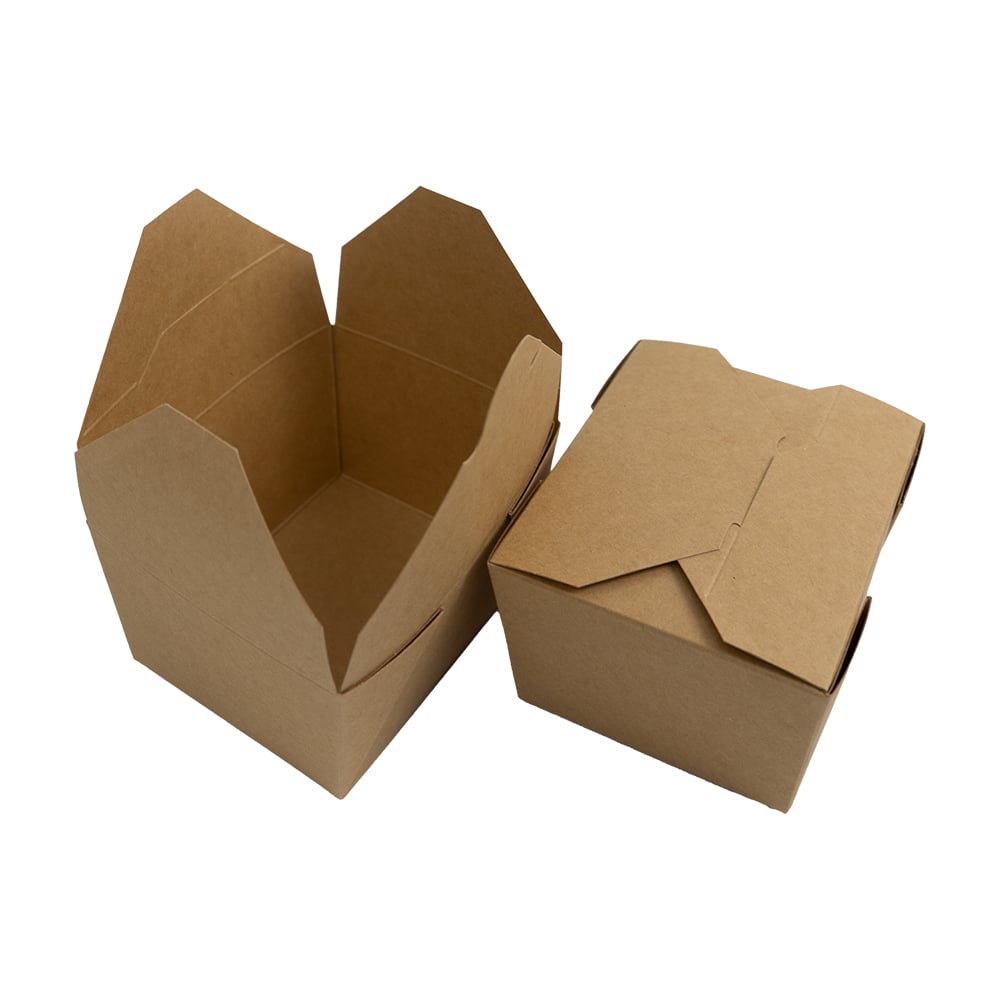
We have successfully implemented water-based, biodegradable coatings that provide a "Grease Resistance Level" comparable to traditional PFAS treatments. These are ideal for fast-food wraps, bakery bags, and disposable containers, ensuring food safety without the chemical footprint.
To replace non-recyclable multi-layer laminates, we offer Mono-PE and Mono-PP pouches. By utilizing advanced MDO (Machine Direction Orientation) technology, we provide the stiffness and thermal resistance required for high-speed filling lines while ensuring the material can be processed by standard recycling facilities. Market observations suggest that mono-material solutions will dominate the flexible packaging sector by 2028, and our early adoption gives our clients a significant edge.
The shift away from PFAS and towards mono-materials is more than a legal requirement; it is a reflection of changing consumer values. Euromonitor data indicates that over 60% of global consumers now prioritize "recyclable" or "plastic-free" labels when making purchasing decisions.
As a dedicated B2B partner, Richer EcoPack provides the technical expertise, laboratory testing, and supply chain stability needed to navigate this transition. Whether you are a mid-sized food producer or a global retail chain, our team is ready to assist you in achieving 100% compliance before the August 12 deadline.
Ready to transition? Contact our technical team to request a compliance audit and sample testing for your current product line.
 Hot News
2026-07-29
2026-07-22
2026-07-15
2026-07-08
2026-06-17
2026-06-10
Richer EcoPack (Xiamen) Co., Ltd. provides custom plastic manufacturing and injection molding for industrial applications. Our precision plastic components and sustainable plastic production deliver reliability and quality. Trusted B2B plastic supplier in China. Request a quote today.
4F,Bldg 3 Aviation Free Trade Plaza,No.422 Gaoqi North Rd.,Huli District,Xiamen,361011,China
Copyright © 2025 by Richer EcoPack (Xiamen) Co., Ltd. Privacy Policy
 EN
EN