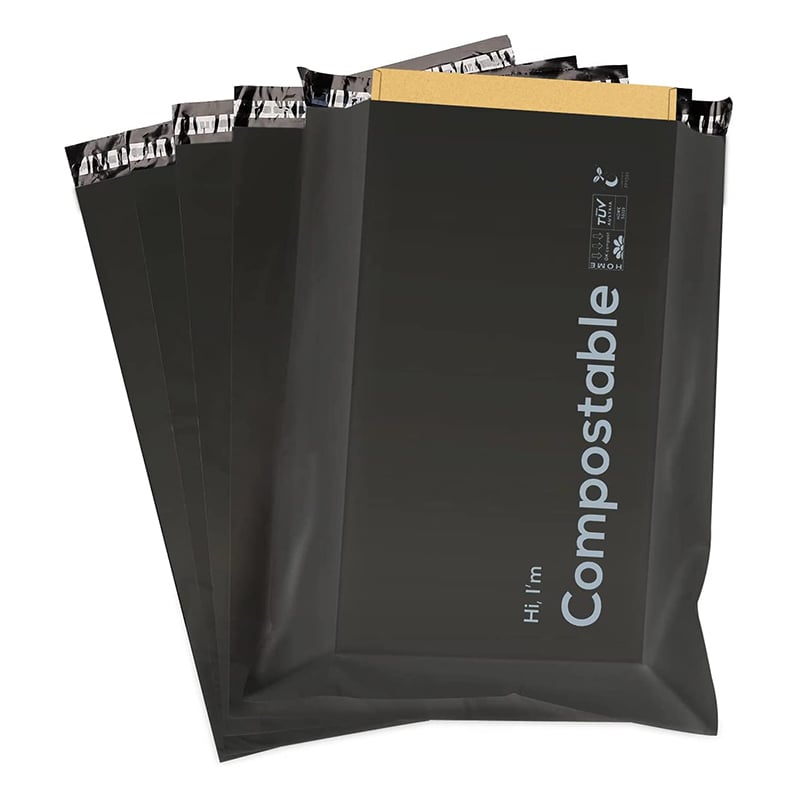
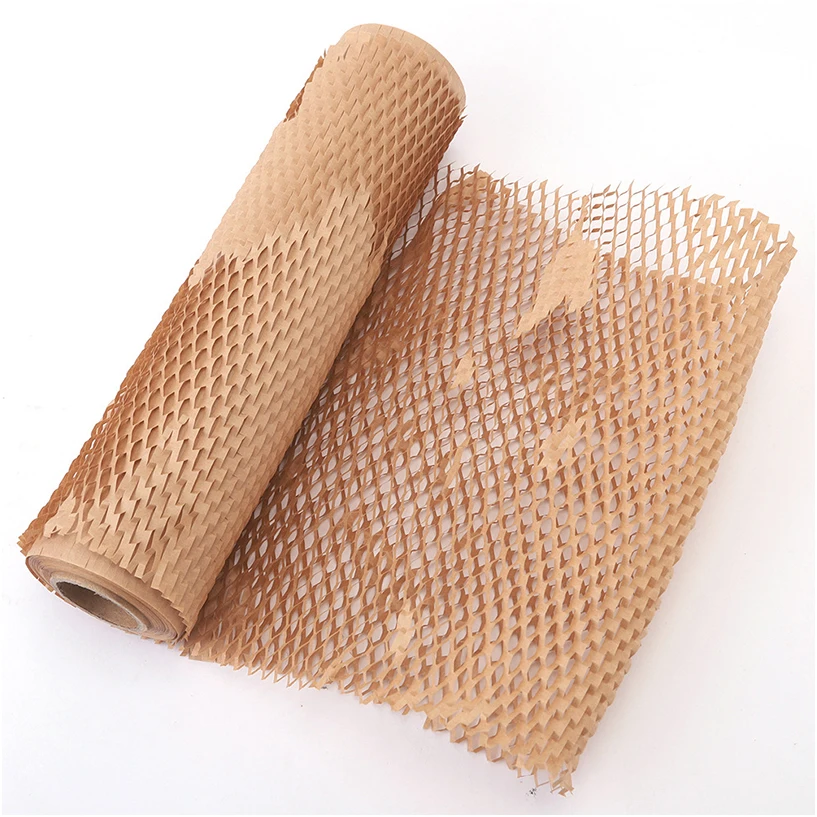
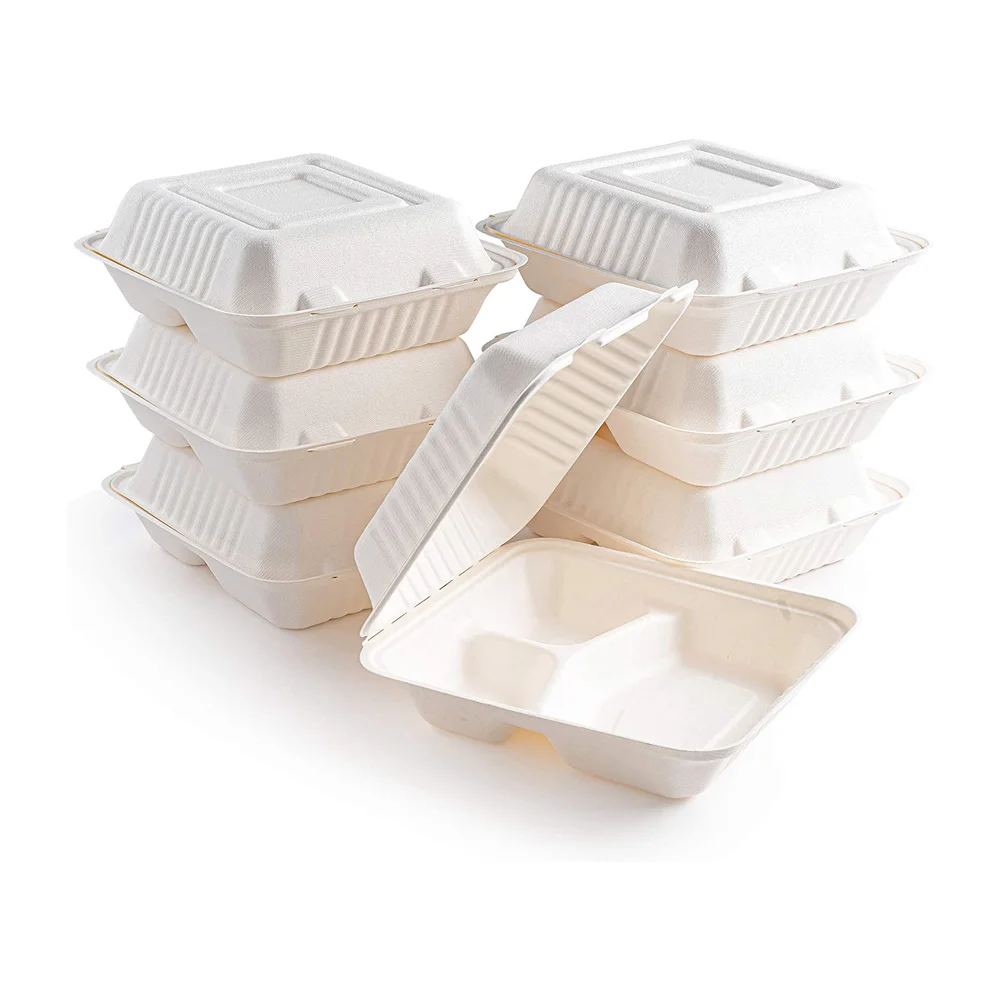
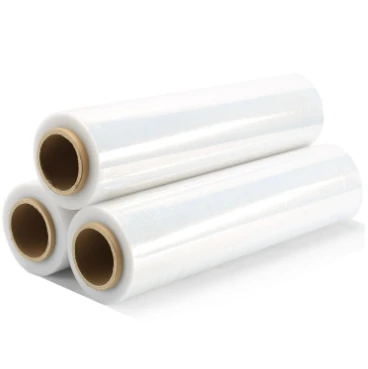
Retailers globally distribute over 1.5 trillion plastic bags annually, with less than 10% recycled. These petroleum-based materials persist in landfills for 1,000+ years (EPA 2023), leaching microplastics into soil and waterways. Supermarkets contribute significantly, as plastic packaging accounts for 40% of total store waste.
Reusable t-shirt bags eliminate 700+ single-use plastics per customer annually when used consistently. Compostable alternatives like PLA (polylactic acid) decompose within 12 weeks in industrial composting facilities, reducing landfill waste by 80% compared to traditional plastics. Retailers adopting sustainable packaging meet 65% of their carbon neutrality targets three years faster (Green Retail Initiative 2023).
| Metric | T-Shirt Bags (Reusable) | Single-Use Plastic Bags |
|---|---|---|
| Average Uses | 300+ | 1 |
| CO2 Emissions (per use) | 0.03 kg | 0.08 kg |
| Water Contamination Risk | Low | High |
A single reusable t-shirt bag prevents 11 pounds of plastic waste over its lifespan—equivalent to 1,500 disposable bags. This supports global efforts to halve plastic pollution by 2040 under the UN Plastics Treaty.
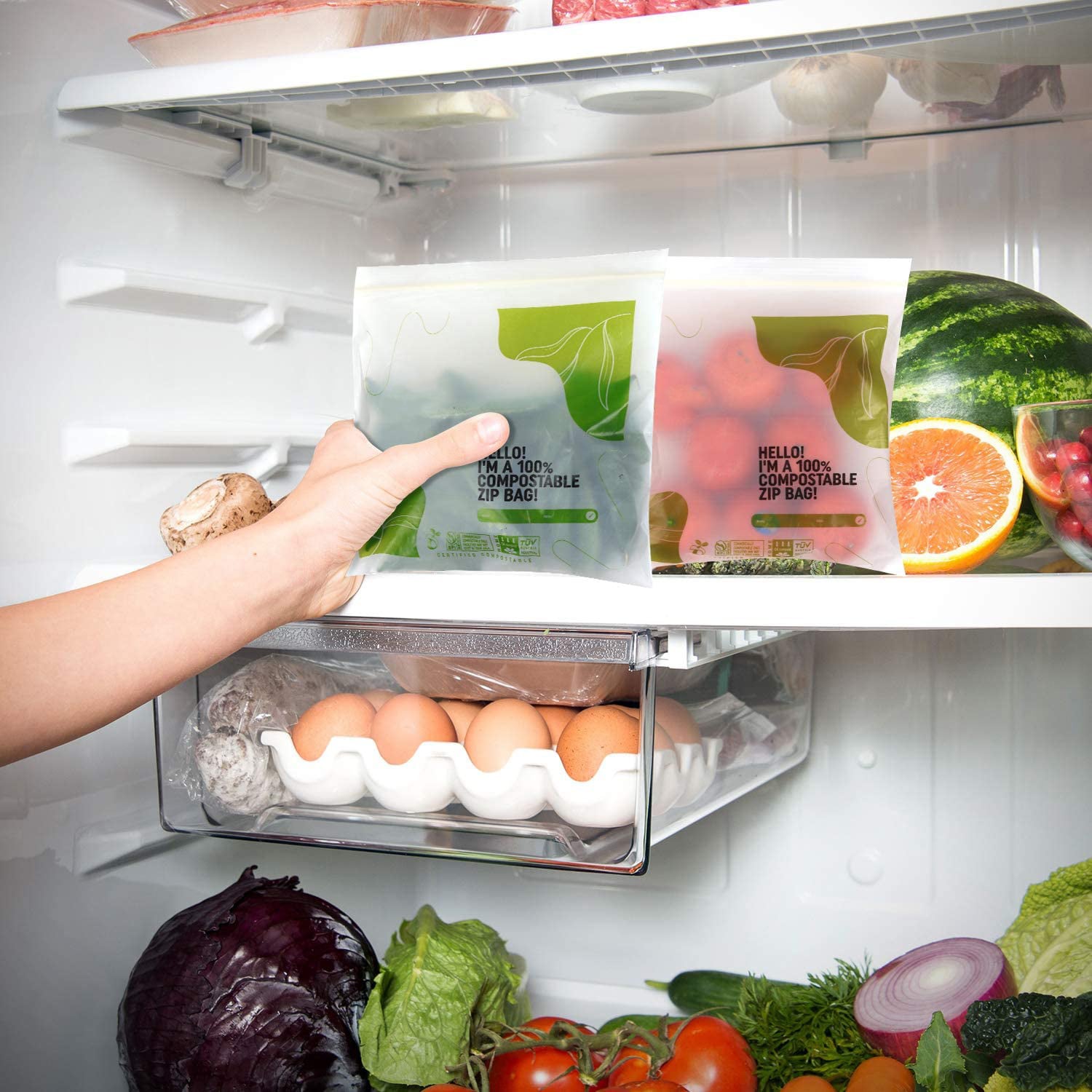
T shirt bags made from biodegradable materials will actually break down on their own when microbes get to work on them, usually taking around 3 to 6 months if conditions are just right. The compostable versions take things even further since they turn into nothing but water, carbon dioxide, and some good old organic matter when processed in proper industrial compost facilities. For something to be labeled truly compostable, it needs to pass certain tests like the ASTM D6400 standard. This means whatever gets broken down should disappear completely within 180 days and leave no harmful stuff behind. That's a world of difference compared to regular plastic which can stick around for over 500 years before finally breaking down.
Leading materials include:
A 2023 material science study found that PLA-cornstarch blends decompose 40% faster than standard PLA in commercial compost systems, making them ideal for high-volume retailers seeking rapid turnover in waste streams.
Recycled HDPE (High-Density Polyethylene) and polypropylene retain 90–95% of virgin plastic’s durability while cutting energy consumption during production by 50–70%. Supermarkets using these materials divert 8–12 tons of plastic waste annually per location. Their lower melting point also reduces manufacturing emissions by 30–35% compared to processing new plastic.
For every ton of high density polyethylene (HDPE) that gets recycled instead of made from scratch, we save around 1.8 tons worth of CO2 emissions. Stores that switch to t-shirt bags containing half recycled material can cut down on carbon output by somewhere between 12 to 18 metric tons each year across their locations. When plastic products stay in circulation for multiple uses (typically 5 to 7 times) thanks to better recycling systems, it really helps push forward those circular economy ideas many companies talk about these days. This matters a lot for businesses trying to reach that ambitious target of zero carbon packaging by the end of next decade.
Eco-friendly t-shirt bags must withstand daily demands in retail settings. High-quality biodegradable materials like reinforced PLA blends maintain structural integrity when carrying 15–20 lbs—on par with traditional plastic packaging. Grocery stores report 85% fewer bag failures when using reinforced stitching at handle junctions, enhancing reliability and customer satisfaction.
Standardized testing ensures performance consistency:
| Test Type | Industry Standard | Target Threshold |
|---|---|---|
| Handle Pull Strength | ASTM D5260 | ≥40 lbs sustained load |
| Material Tear Resistance | ISO 6383-2 | ≥8N/mm² tensile strength |
Bags meeting these benchmarks outperform single-use plastics in real-world retail trials, proving both strength and resilience.
Retailers who match bag size to operational needs reduce material waste by 23% compared to one-size-fits-all models (Packaging Sustainability Institute 2024).
Thicker biodegradable materials (≤40 microns) achieve 90% reuse rates in customer surveys while remaining commercially compostable. Some retailers now use marine-degradable additives that enable decomposition within six months without sacrificing load capacity—offering a practical balance between functionality and environmental responsibility.
Green packaging bags are becoming real brand assets these days, showing what kind of environmental stance retailers actually take. When stores print their logo next to labels saying things like compostable or made from 100% recycled materials, customers tend to trust them more when they're standing there at the checkout counter. Simple designs with leaves or nature themes really click with people who care about going green. Some companies even put QR codes on their packages so shoppers can scan and see exactly where their product stands on sustainability issues. A recent poll from last year found that nearly seven out of ten customers think brands that do this sort of thing seem more honest overall. Makes sense why so many businesses are jumping on board with this visual storytelling approach for marketing purposes.
Customized t-shirt bags act as mobile advertisements when reused in public spaces like farmers’ markets, gyms, or transit systems—extending brand visibility beyond checkout. Retailers can differentiate their offerings by:
This integration of sustainability and design fosters loyalty, with 63% of consumers reporting higher retention for brands providing reusable, branded packaging solutions.
Eco friendly t shirt bags might set businesses back 2 or 3 times what regular plastic bags cost at first glance, but they end up saving money in the long run. These reusable bags are built to last through over 50 trips to the store, which actually reduces what stores spend each year on buying new bags by around 34%, according to Statista from last year. When companies buy in bulk, the difference in price gets smaller too. For anyone ordering more than 10 thousand bags at once, the extra cost drops down to only 15 to 20 percent per bag. This makes it much easier for medium sized businesses to switch without breaking the bank.
Large retailers achieve near cost parity through strategic approaches:
These methods allow major chains to adopt sustainable packaging with ≤5% overall budget increase while advancing environmental commitments.
The cost of PLA based biodegradable bags has dropped quite a bit lately actually, around 28 percent since 2021 thanks to new materials coming into play. Looking forward, manufacturers are developing faster ways to make these bags too, like using high speed thermoforming methods and incorporating leftover agricultural products from farms. These improvements should push prices even lower, maybe another 19% before we hit 2025. Companies that jump on board now stand to benefit greatly because they can secure good deals with suppliers while there's still time. Regulations against regular plastics are getting stricter day by day, and many countries are already talking about banning certain types of plastic altogether in the near future.
 Hot News
2026-07-29
2026-07-22
2026-07-15
2026-07-08
2026-06-17
2026-06-10

Richer EcoPack (Xiamen) Co., Ltd. provides custom plastic manufacturing and injection molding for industrial applications. Our precision plastic components and sustainable plastic production deliver reliability and quality. Trusted B2B plastic supplier in China. Request a quote today.
4F,Bldg 3 Aviation Free Trade Plaza,No.422 Gaoqi North Rd.,Huli District,Xiamen,361011,China
Copyright © 2025 by Richer EcoPack (Xiamen) Co., Ltd. Privacy Policy

 EN
EN