Mail bags slash fulfillment expenses thanks to smart engineering. We're talking about bags that weigh somewhere between half to two thirds less than those stiff cardboard boxes, which means carriers charge less for shipping because they take up less space. No more wasting time and money on bubble wrap or peanuts to fill empty spaces inside packages either. Brands save around 15-25 cents on materials for every package sent out this way. Packing becomes much quicker too with these mailers. Warehouse staff can stuff items into them and seal them shut in no time flat compared to building up boxes from scratch. The savings really add up when companies ship thousands of packages monthly. Some big operations have seen freight bills drop by as much as 20 percent while cutting labor costs somewhere between 18 and 22 percent overall. Best part? Products stay just as protected as they would be in traditional packaging methods.
Mailers offer something traditional boxes just can't match when it comes to scaling operations. The flat design stacks neatly in warehouses, taking up roughly half the space needed for those pre-made boxes we all know so well. This means companies save money on storage costs while they wait for orders to come in. When businesses start seeing more orders roll in, buying these mailers in bulk gets them around 30 to maybe even 50 percent cheaper per unit than going with custom corrugated boxes every time. And let's talk about automation possibilities here. Standard sizes work great with automated systems where machines can pack thousands of these things each hour, way faster than someone sitting there manually putting together boxes one at a time. Retailers in industries from clothing to health supplements have seen their overall shipping expenses drop between 20 and 30 percent across the board. That kind of savings opens up cash flow that goes straight into expanding the business or investing in new product lines.
Today's mailing bags are made with special polyethylene blends that really stand up to shipping challenges. They resist tearing, puncturing, and moisture much better than regular cardboard boxes can handle. Cardboard just falls apart when it gets damp, but these plastic bags keep their strength no matter what kind of weather they face during transport. They also hold up against crushing, impacts, and vibrations that happen all the time in delivery trucks. The flexible nature of these bags means they can fit odd shaped items inside without breaking, and actually provide some built-in protection so people don't need to stuff them full of packing peanuts or bubble wrap. Plus there are those security seals on many models now that show if someone has opened the package without permission. All these features together mean fewer damaged goods arrive at their destination compared to traditional box packaging methods.
When companies invest in custom mailing bags, they transform ordinary deliveries into brand experiences. These bags offer complete printing around all sides plus fancy touches such as spot UV coatings or foil stamping effects which really boost how customers see product quality. According to research from Packaging Impact Study 2025, these kinds of packaging actually make people take pictures when opening their packages about 63 percent more often than standard packaging. Packages that stand out visually tend to get shared on social media naturally, creating real content from actual users that works better for remembering brands over time compared to paid advertisements. The way customers feel about these unique packages helps build stronger brand recognition and keeps shoppers coming back again and again, something that gives businesses an edge in today's crowded online marketplace.
Mailing bags made entirely from one material like polyethylene solve a big problem that keeps multi-layer bags out of recycling bins. These single-polymer bags work well with most curbside collection systems, and cities with good recycling setups report getting over 70% of them back into the system according to the Packaging Sustainability Report from last year. The fact that these bags are so simple to make means factories produce about 30% fewer emissions during manufacturing. This cuts down on pollution while still keeping packages protected during shipping, which makes them a win for both businesses and the environment.
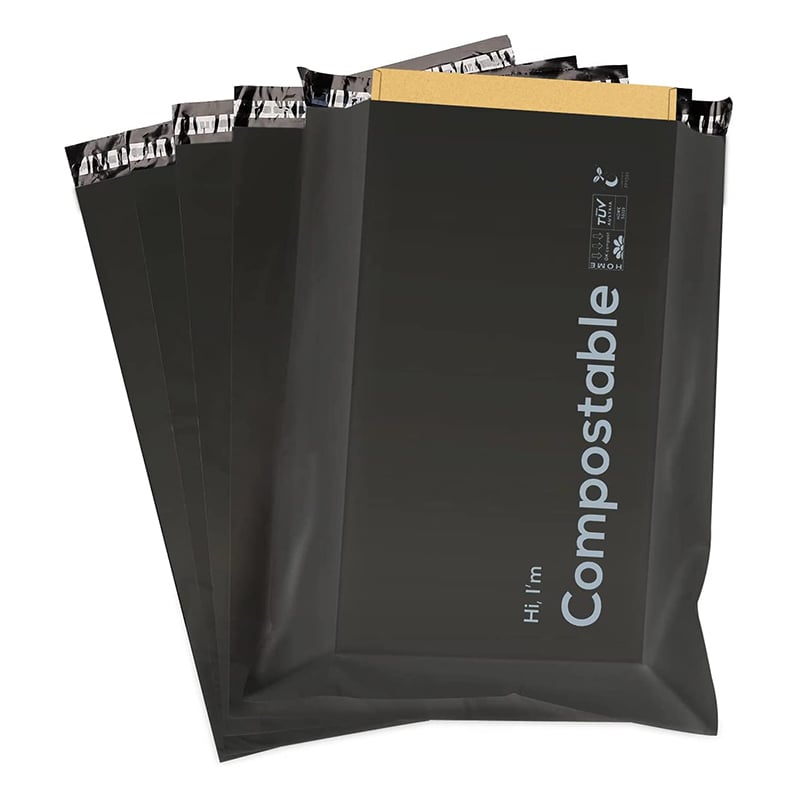
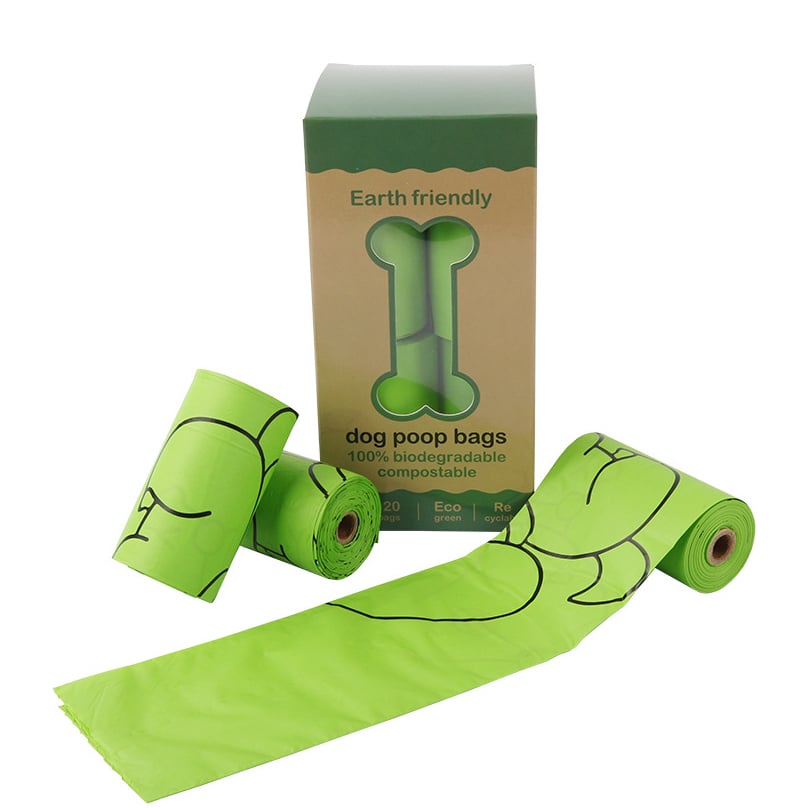
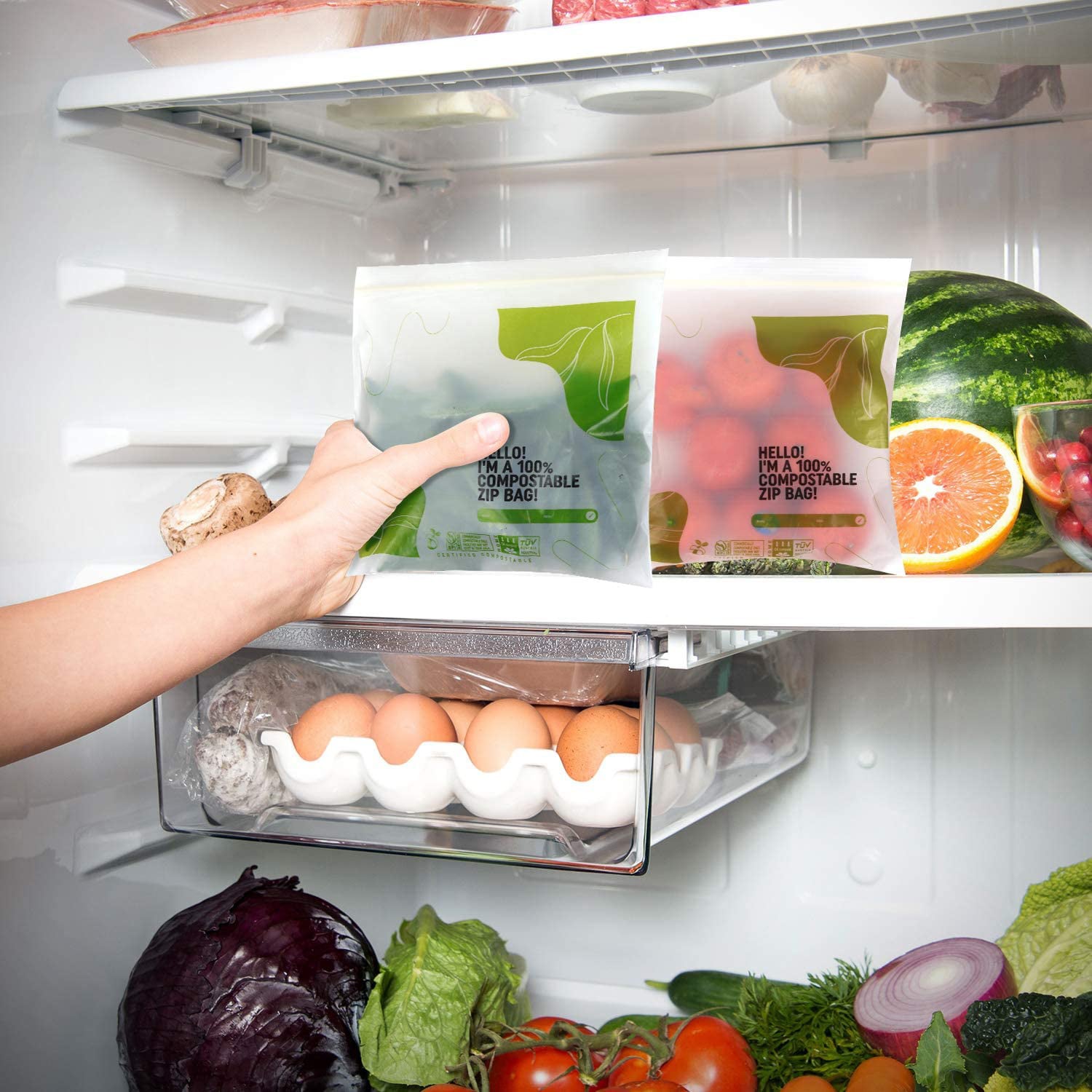
A lot of those so-called compostable mailing bags actually need special industrial facilities to break down properly something most American homes don't have access to according to a recent Environmental Disposal Survey which found around 85% lack these services. Worse still, when these bags end up in regular landfills they tend to rot without oxygen, creating methane gas as they decay. Companies wanting to be truly eco-friendly should stop making vague sustainability claims and instead share complete information about where materials come from, how much carbon gets released at each step of shipping, and what really happens after customers toss them away. Certifications such as ISO 14021 help verify these kinds of environmental statements. Looking at actual data across different scenarios reveals that simple recyclable plastic mailers made from single materials generally produce fewer greenhouse gases overall compared to their compostable counterparts once we factor in the reality that not everyone can recycle properly and decomposition doesn't always work out as advertised.
Modern mailing bags are purpose-built for high-velocity e-commerce fulfillment–streamlining labor, reducing physical strain, and accelerating throughput without requiring facility reconfiguration.
New adhesives have really changed things around here, cutting sealing time down to just about five seconds per bag instead of the old method which took over 35 seconds for taped boxes. All workers need to do is peel off a protective layer and press down firmly for a solid seal. No need for any dispensers hanging around, no scissors required, and definitely no fussing with getting things aligned properly. This makes such a difference at busy times of year when staff levels fluctuate so much that having predictable workflows becomes absolutely vital for operations to keep running smoothly without constant bottlenecks holding everything back.
Cutting down from dozens of box SKUs to just three or four optimized mailing bag sizes makes life much easier when it comes to predicting demand, managing stock levels, and dealing with storage headaches. Take one cosmetics company as an example they cut their packaging options by nearly two thirds, which freed up around 300 square feet in their warehouse. These specially designed bags can handle everything from bulky clothing items that take up lots of space to delicate supplements that need protection during shipping. What's really great is how consistent these solutions become across different product categories, making day to day operations smoother overall.
 Hot News
2026-07-29
2026-07-22
2026-07-15
2026-07-08
2026-06-17
2026-06-10

Richer EcoPack (Xiamen) Co., Ltd. provides custom plastic manufacturing and injection molding for industrial applications. Our precision plastic components and sustainable plastic production deliver reliability and quality. Trusted B2B plastic supplier in China. Request a quote today.
4F,Bldg 3 Aviation Free Trade Plaza,No.422 Gaoqi North Rd.,Huli District,Xiamen,361011,China
Copyright © 2025 by Richer EcoPack (Xiamen) Co., Ltd. Privacy Policy

 EN
EN