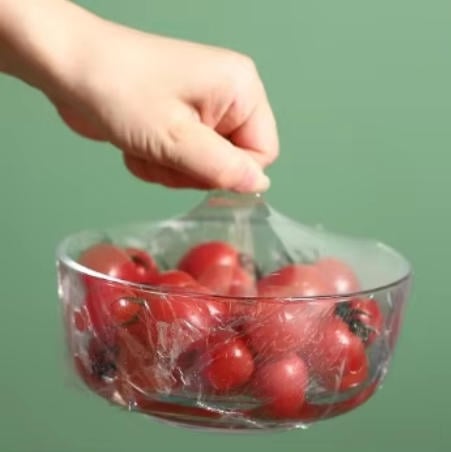
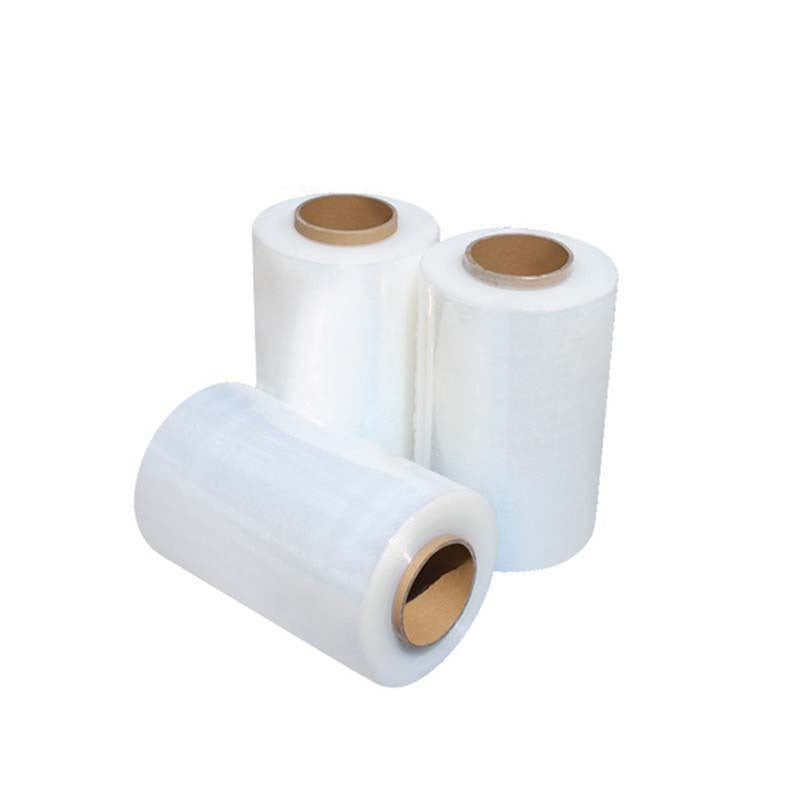
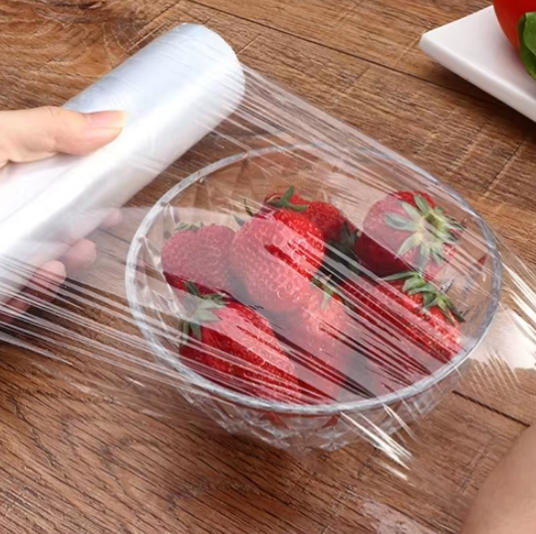
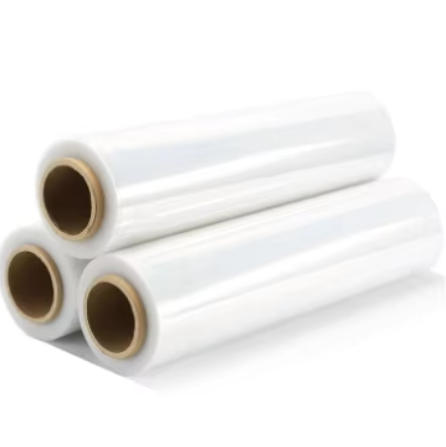
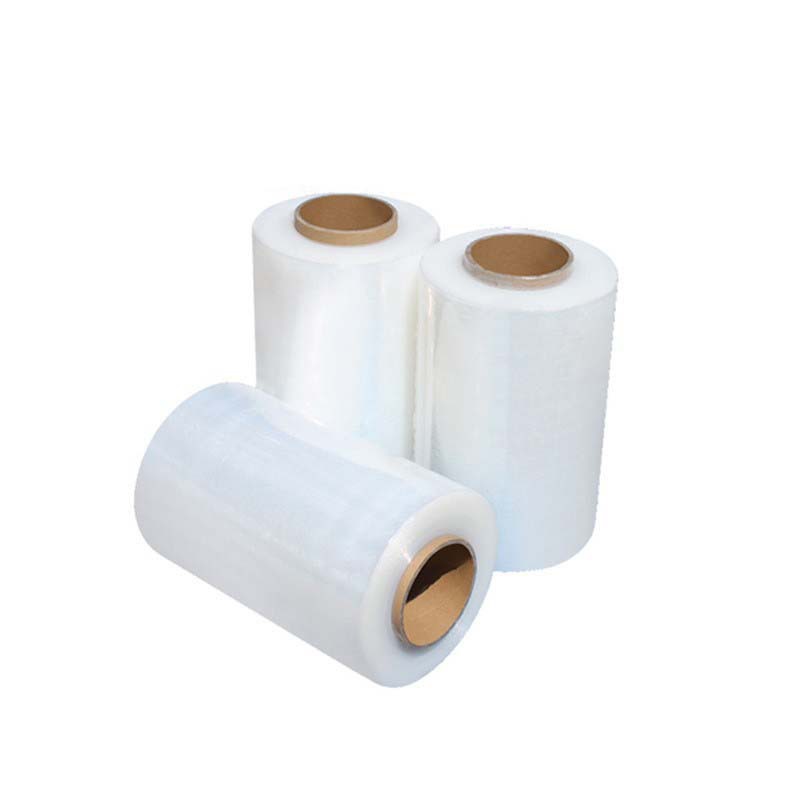
Restaurant cling wrap is a critical packaging solution tailored to the unique needs of the foodservice industry, where hygiene, freshness retention, and operational efficiency are paramount. Unlike standard household cling wrap, restaurant-grade options must meet stricter criteria for food contact safety, durability, and sealing performance to handle the high-volume, fast-paced operations of restaurants, cafes, and catering businesses. Key characteristics of high-quality restaurant cling wrap include strong adhesion that forms an airtight seal to prevent moisture loss and cross contamination, resistance to tearing during frequent use (such as when covering large trays of prepped ingredients or leftover dishes), and compliance with global food safety standards such as FDA 21 CFR or EU LFGB regulations. These standards ensure that the wrap does not release harmful substances even when in contact with acidic, oily, or warm foods—common scenarios in restaurant kitchens, where ingredients like marinated meats, fresh vegetables, or prepared sauces may be stored for hours or overnight. Application scenarios for restaurant cling wrap are diverse within foodservice operations. In back-of-house areas, it is widely used to cover bulk ingredient containers (such as large bowls of salad dressings or cut fruits) to maintain freshness and prevent contamination from airborne particles. During food preparation, it serves to seal partially used ingredients (like a half-cut cheese wheel or a tub of butter) to extend their shelf life, reducing food waste—a significant cost factor for restaurants. In front-of-house settings, it can be used to cover prepared foods on buffet lines or at dessert stations, keeping them warm (when paired with heat-resistant bases) and protected from dust or customer contact while maintaining visual appeal for diners. A practical case example involves a mid sized chain of Italian restaurants with 15 locations across a regional area. This chain previously used a generic cling wrap that often tore when covering large pasta trays or slipped off oily dishes, leading to ingredient spoilage and increased food costs. After switching to the restaurant cling wrap solutions from Richerpack, the chain reported a 20 percent reduction in food waste related to improper sealing. The wrap’s enhanced adhesion ensured it stayed in place even on greasy surfaces, while its durability allowed staff to cover and uncover trays quickly during peak service hours without tearing. Additionally, the wrap’s high clarity made it easy for kitchen staff to identify contents without removing the wrap, saving time during busy shifts. For restaurants with specific needs—such as custom roll sizes to fit their standard tray dimensions or wrap with enhanced puncture resistance for sharp ingredients like sliced vegetables—Richerpack offers tailored solutions to align with operational workflows. Regarding pricing and detailed product specifications for restaurant cling wrap, interested customers are encouraged to contact Richerpack directly, as solutions can be customized based on order volume, specific performance requirements, and delivery timelines.