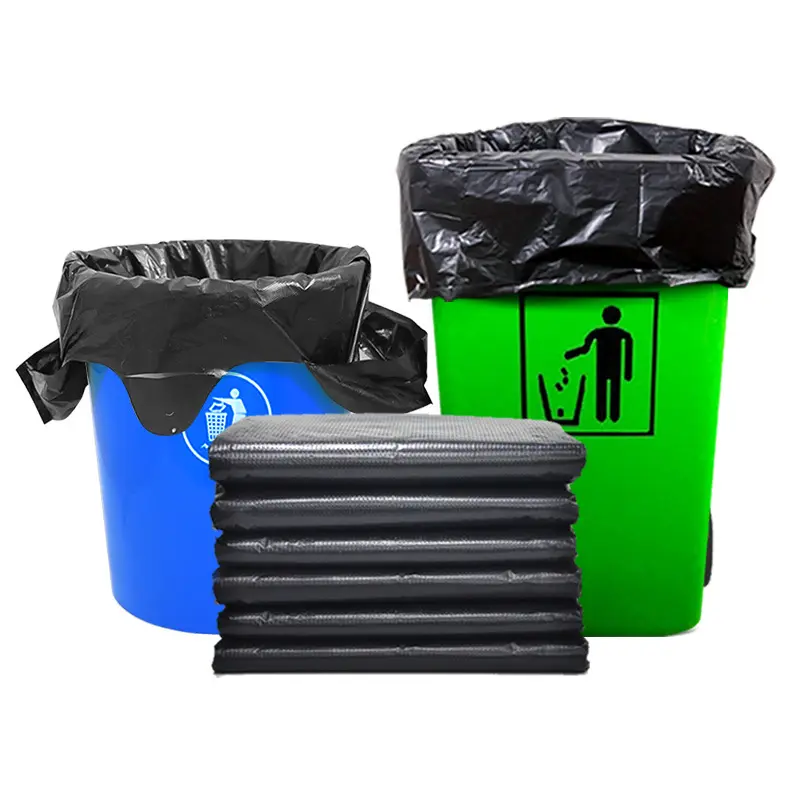
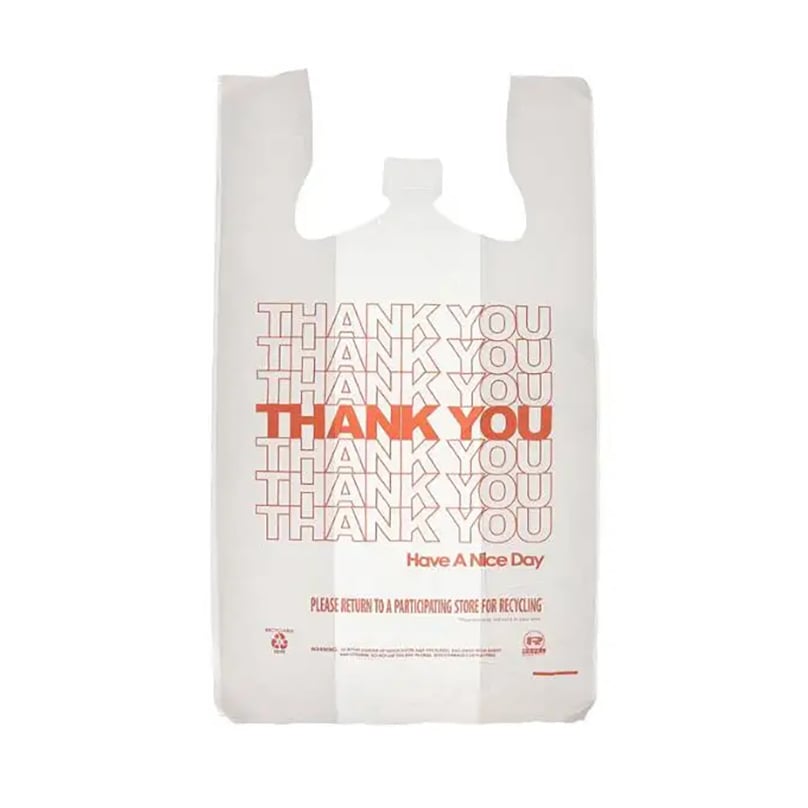
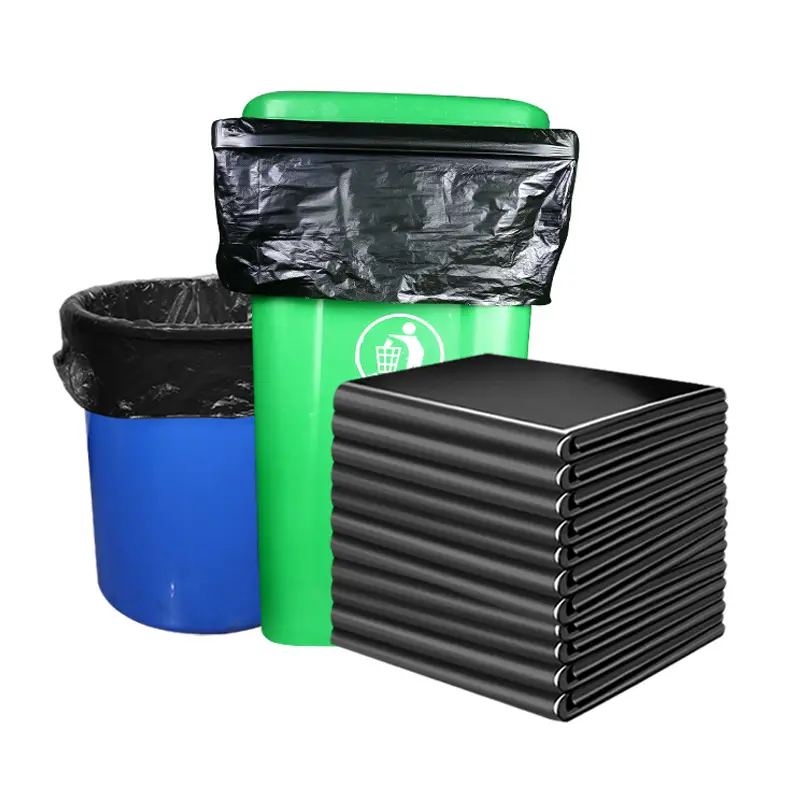
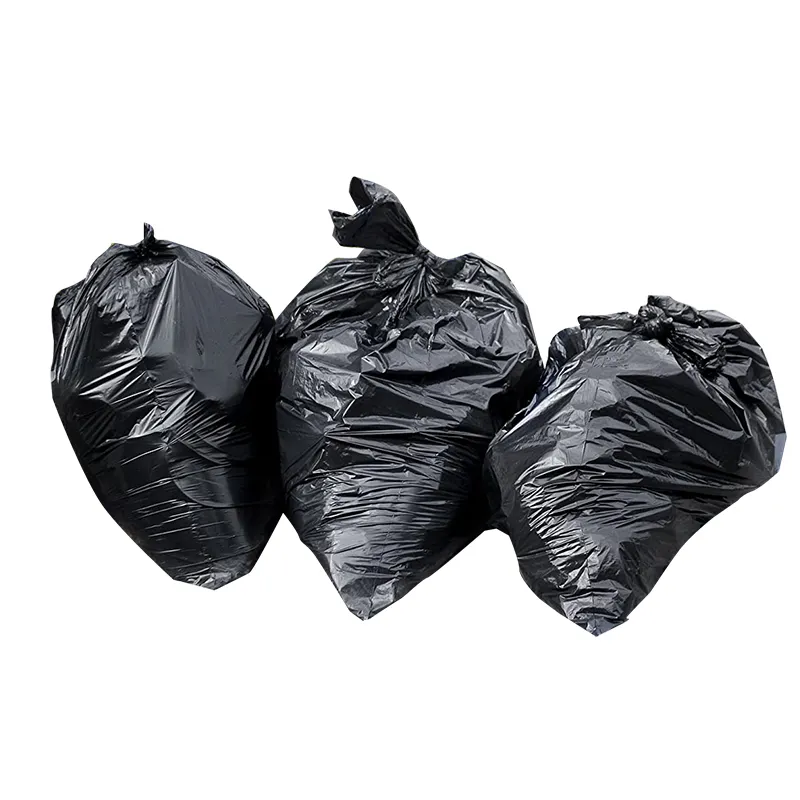
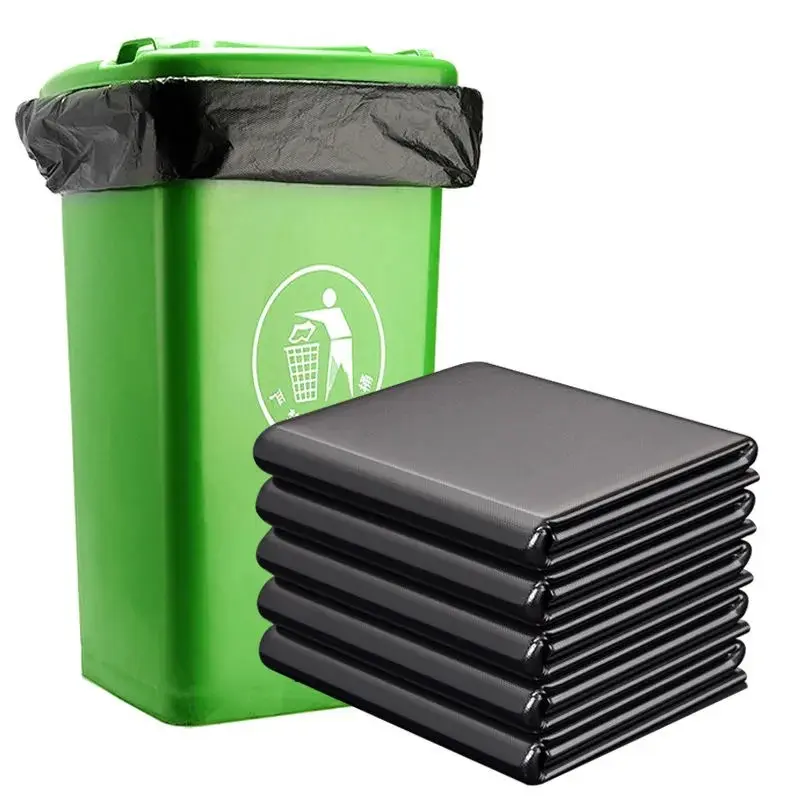
Trash bags are essential waste management tools available in a wide range of types, each designed to address specific needs related to waste type, volume, durability, and environmental impact. Understanding the different types of trash bags allows customers to select the most suitable product for their intended use, whether for household waste, commercial operations, industrial applications, or eco conscious disposal. Richerpack offers a comprehensive lineup of trash bags, covering all major types to meet the diverse requirements of its global customer base, with a focus on quality, functionality, and sustainability. One of the primary distinctions among types of trash bags is based on material, which directly impacts durability, usability, and environmental impact. Traditional trash bags are made from low density polyethylene (LDPE), a flexible and durable plastic that can withstand heavy loads and resist tearing. Richerpack’s LDPE trash bags are available in various thicknesses, from 10 microns (for lightweight waste like paper or office trash) to 30 microns (for heavy or sharp waste like construction debris). These bags are ideal for general purpose use in households, offices, and retail stores, where durability and cost effectiveness are key priorities. For example, a small office supply store uses Richerpack’s 12 micron LDPE trash bags for daily office waste, finding them durable enough to handle paper, packaging, and small plastic items without tearing, while remaining affordable for regular use. Another material based type is biodegradable trash bags, which are made from plant based polymers like polylactic acid (PLA) combined with biodegradable additives. These bags are designed to decompose naturally in composting conditions, making them a sustainable choice for customers looking to reduce plastic waste. Richerpack’s biodegradable trash bags comply with ASTM D6400 and EN 13432 standards, ensuring they break down completely into non toxic components. A residential community that prioritizes sustainability uses these bags for food and yard waste, which is then sent to a local composting facility, reducing landfill waste by 25 percent. Trash bags are also categorized by size, which ranges from small to extra large to accommodate different waste volumes. Small trash bags (typically 4 to 8 gallons) are used for bathroom waste, office trash cans, or small kitchen bins, where waste volume is low. Medium bags (10 to 15 gallons) are the most common for household kitchen use, fitting standard under sink trash cans. Large bags (20 to 30 gallons) are suitable for outdoor waste bins, garage trash, or commercial use in small businesses like cafes or convenience stores. Extra large bags (50 gallons or more) are designed for industrial or heavy duty use, such as construction waste, large scale events, or warehouse operations. Richerpack offers all these size options, with the 13 gallon medium bag being a top seller for household use—its size fits most standard kitchen trash cans, and its thickness (18 microns) balances durability and flexibility. Specialized types of trash bags cater to specific waste characteristics. For example, heavy duty trash bags are thicker (25 to 40 microns) and feature reinforced seams and bottoms to handle sharp or heavy waste like broken glass, metal scraps, or construction debris. Richerpack’s heavy duty trash bags are used by a construction company to dispose of leftover building materials, with the company reporting that the bags withstand punctures from nails and screws, reducing the need for double bagging and saving time. Odor resistant trash bags are another specialized type, treated with antimicrobial additives to neutralize odors from food waste or other smelly materials. These bags are popular in households and food service establishments, where odor control is important. A chain of grocery stores uses Richerpack’s odor resistant trash bags in their produce sections to dispose of spoiled fruits and vegetables, noting that the bags effectively reduce unpleasant odors, improving the working environment for staff and the shopping experience for customers. Drawstring trash bags are a convenient type featuring built in drawstrings for easy tying and carrying. The drawstrings eliminate the need for twist ties and prevent the bag from slipping into the trash can when filling. Richerpack’s drawstring trash bags are available in various sizes and materials, including both LDPE and biodegradable options. A busy household with young children finds these bags particularly useful, as the drawstrings make it easy to seal and carry full bags without spilling waste. For customers unsure about which type of trash bag best suits their needs, Richerpack provides detailed product descriptions and recommendations based on use case. Whether the requirement is for a small, eco friendly bag for bathroom waste or a large, heavy duty bag for industrial debris, Richerpack has a solution. For more information on the full range of trash bag types available, including technical specifications, material details, or pricing for bulk orders, customers are encouraged to contact Richerpack directly. The company’s sales team can provide personalized guidance to help select the right trash bag for any application.

 EN
EN