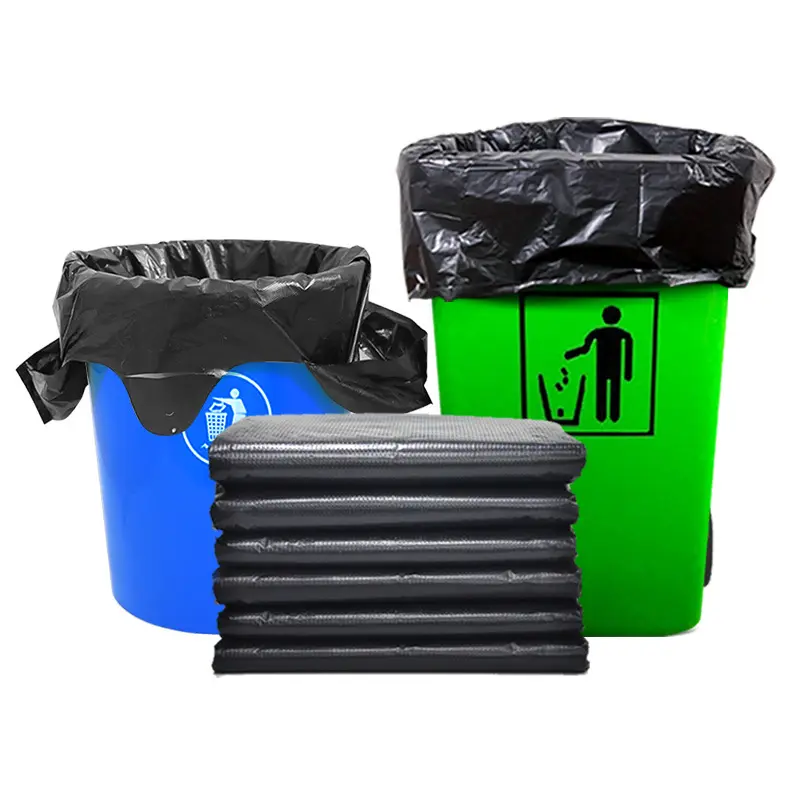
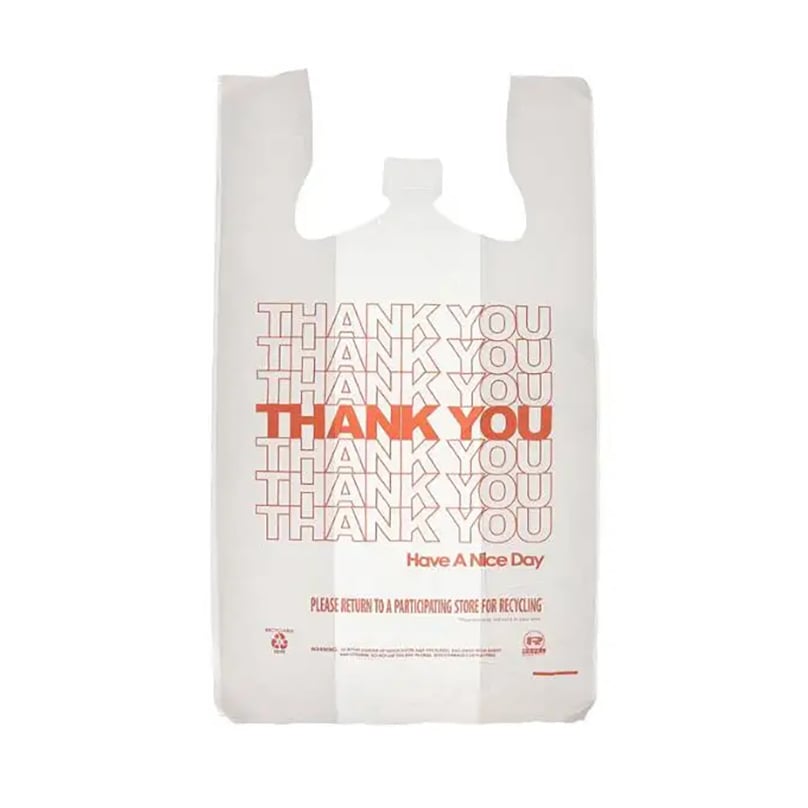
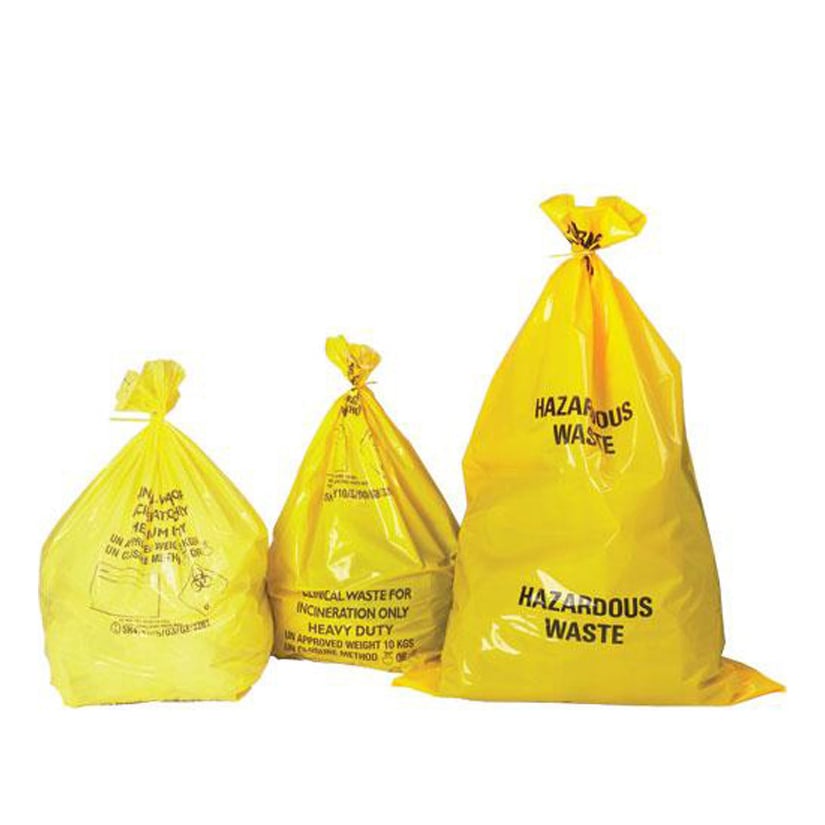
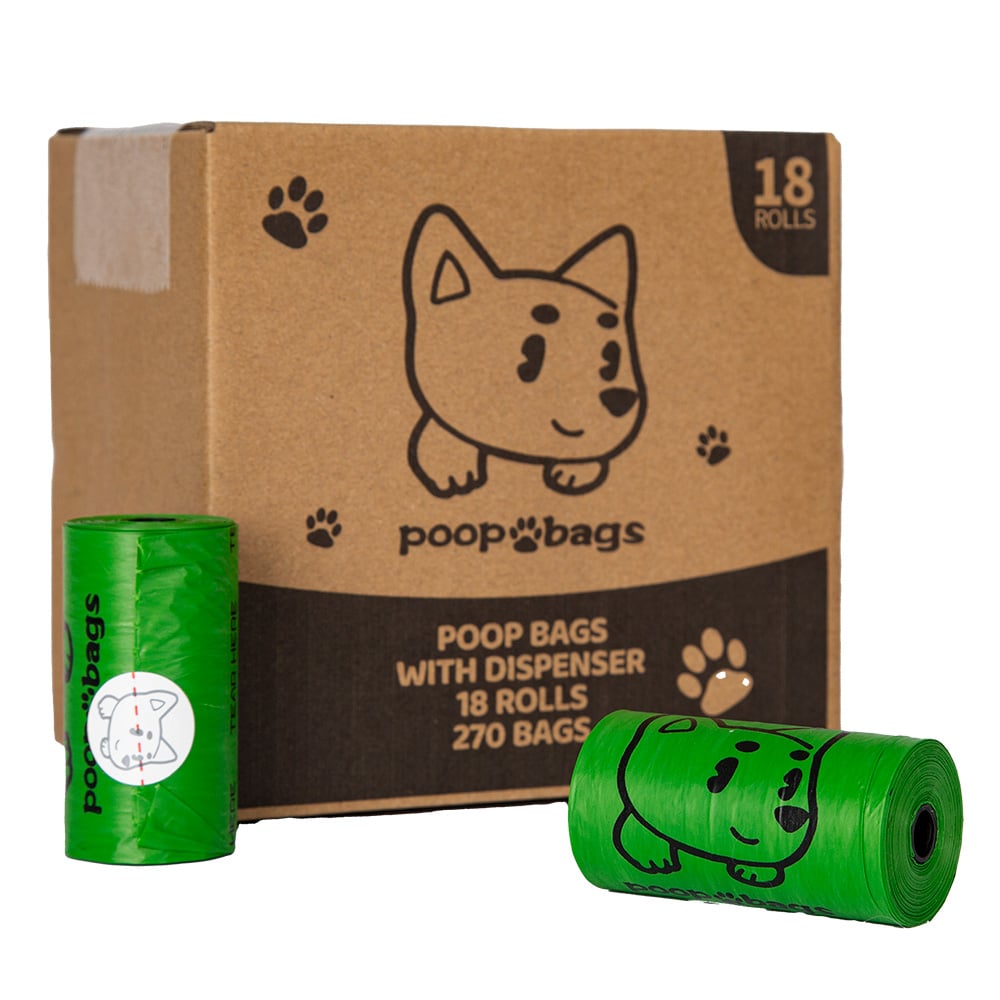
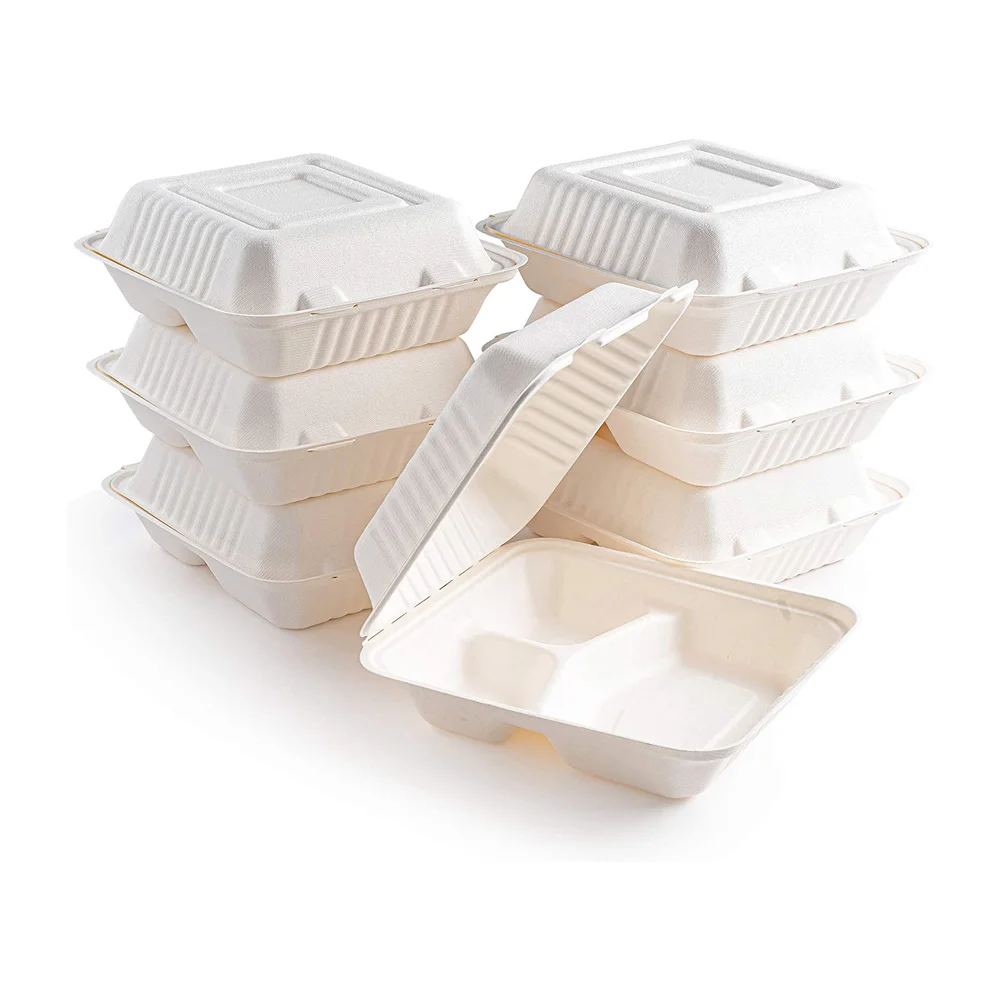
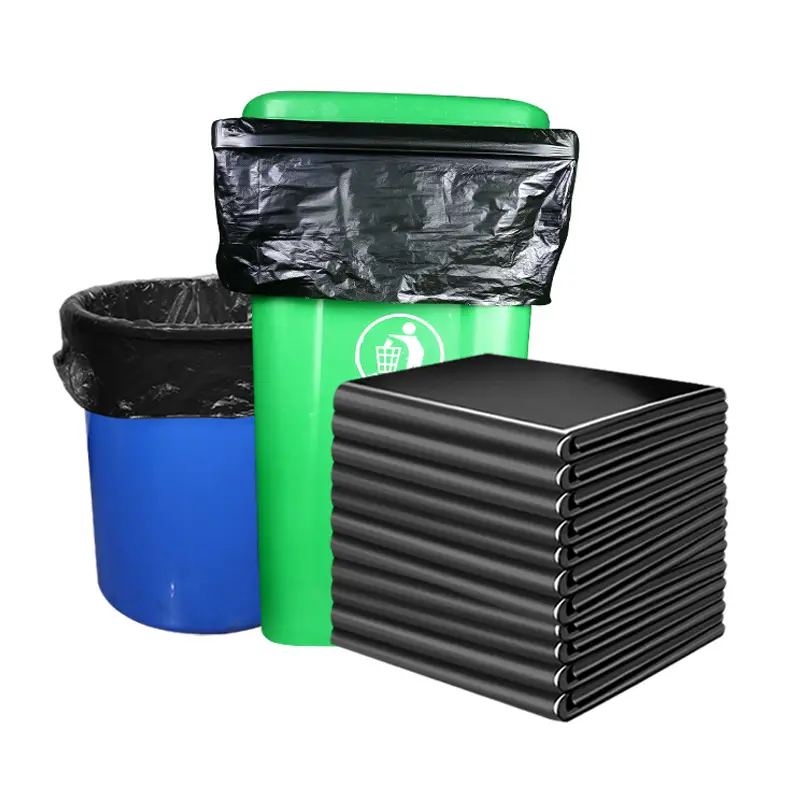
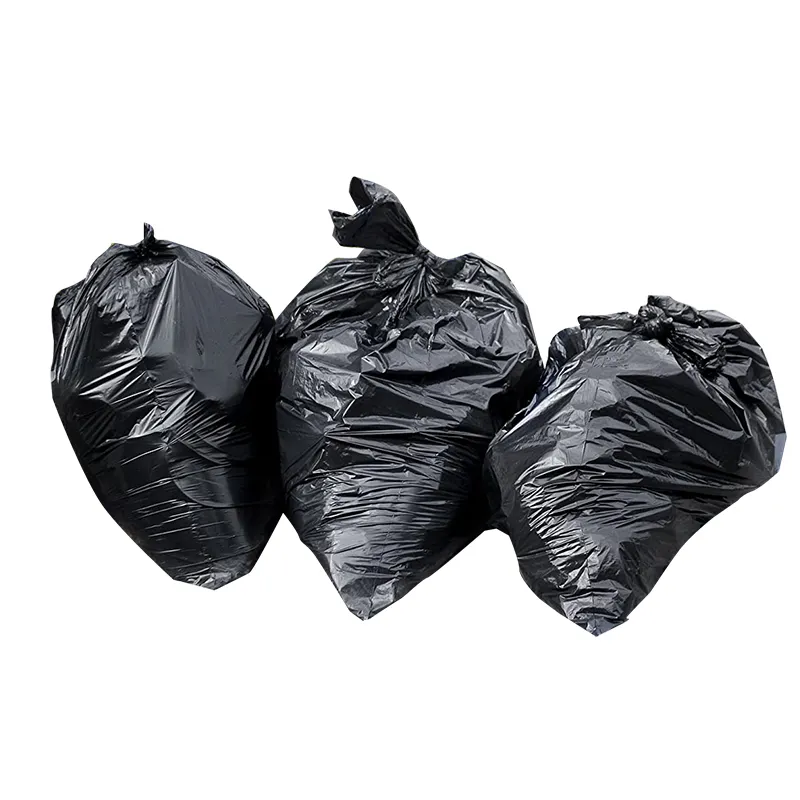
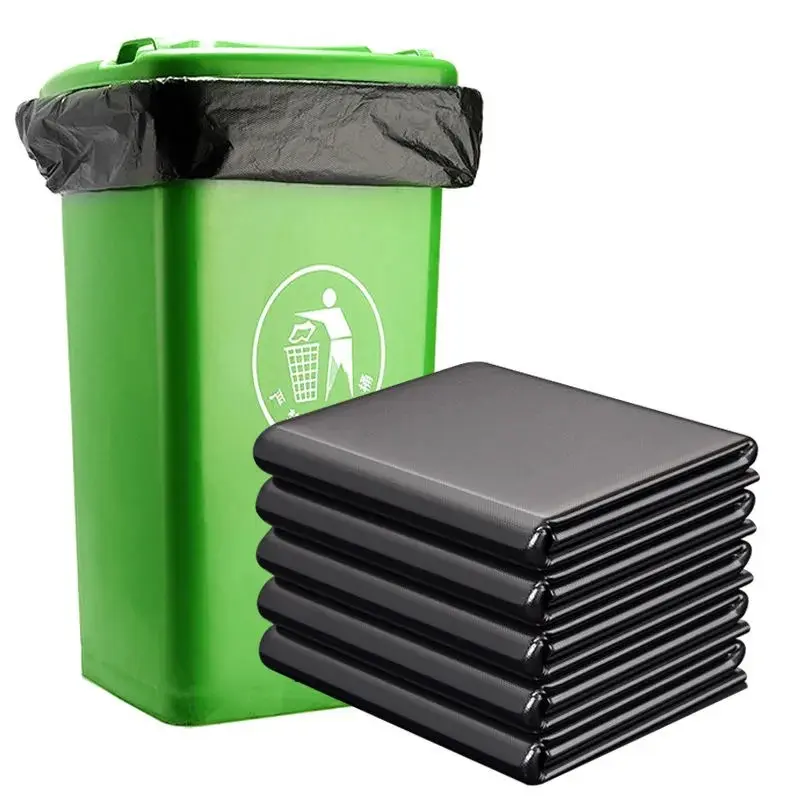
Biodegradable trash bags are an eco conscious packaging solution designed to break down naturally in the environment over time, reducing the long term impact of plastic waste compared to traditional non biodegradable trash bags. These bags are made from materials that can be decomposed by microorganisms into natural substances like water, carbon dioxide, and biomass, typically within a specified period (often 180 to 365 days under proper composting conditions). Richerpack offers a range of biodegradable trash bags that combine environmental responsibility with the durability and functionality required for everyday waste management, catering to households, businesses, and communities looking to reduce their carbon footprint. Richerpack’s biodegradable trash bags are manufactured using plant based polymers, primarily polylactic acid (PLA) derived from renewable resources like corn starch or sugarcane, combined with a small percentage of biodegradable additives to enhance decomposition. This material selection ensures that the bags are non toxic and free from harmful chemicals, making them safe for use in composting systems and reducing the release of microplastics into the environment. The bags undergo testing to comply with international biodegradability standards, including ASTM D6400 (for compostable plastics in the United States) and EN 13432 (for compostable packaging in the European Union). These standards require the bags to break down completely into non toxic components within a specified time frame and under controlled composting conditions (typically 60°C to 70°C with adequate moisture and oxygen). One of the key challenges in biodegradable trash bag design is balancing biodegradability with durability. Traditional biodegradable bags can be prone to tearing or leaking when filled with heavy or wet waste, but Richerpack addresses this by optimizing the material blend and manufacturing process. The bags feature a reinforced bottom seal to prevent leaks and a thickened material (typically 15 to 20 microns) to withstand the weight of everyday waste. For example, a residential community in a suburban area switched to Richerpack’s biodegradable trash bags as part of a local sustainability initiative. The community members reported that the bags were just as durable as the non biodegradable bags they previously used, with no increase in tearing or leaking. After six months of use, the community’s waste management provider confirmed that the bags were decomposing properly in the local composting facility, reducing the amount of plastic waste sent to landfills by 30 percent. In addition to durability, Richerpack’s biodegradable trash bags are designed for convenience. They are available in various sizes, from small 8 gallon bags for bathroom or office use to large 30 gallon bags for kitchen or outdoor waste, and feature an easy to open design that eliminates the frustration of stuck or tangled bags. Some variants also include drawstrings for easy tying and carrying, making it simpler to transport full bags to waste bins or compost piles. Businesses, particularly those in the food service and hospitality industries, are increasingly adopting biodegradable trash bags to align with their sustainability goals and meet customer expectations for eco friendly practices. A chain of casual dining restaurants, for instance, uses Richerpack’s biodegradable trash bags in their kitchens and dining areas. The restaurants noted that the bags were effective at containing food waste and grease, and their use helped the chain achieve a 25 percent reduction in its overall plastic waste, which was highlighted in their sustainability reports and positively received by customers. It is important to note that biodegradable trash bags require specific conditions to decompose effectively—they need access to heat, moisture, and oxygen, which are typically found in industrial composting facilities. Richerpack provides clear usage instructions on its biodegradable trash bag packaging, advising customers on proper disposal methods to ensure optimal decomposition. For customers interested in learning more about Richerpack’s biodegradable trash bags—including their specific biodegradation timeframes, compatibility with different waste types, or available sizes—or to inquire about pricing for bulk orders (whether for household, commercial, or community use), direct contact with Richerpack is recommended. The company’s sustainability team can also provide guidance on how to integrate the bags into a broader waste reduction strategy.