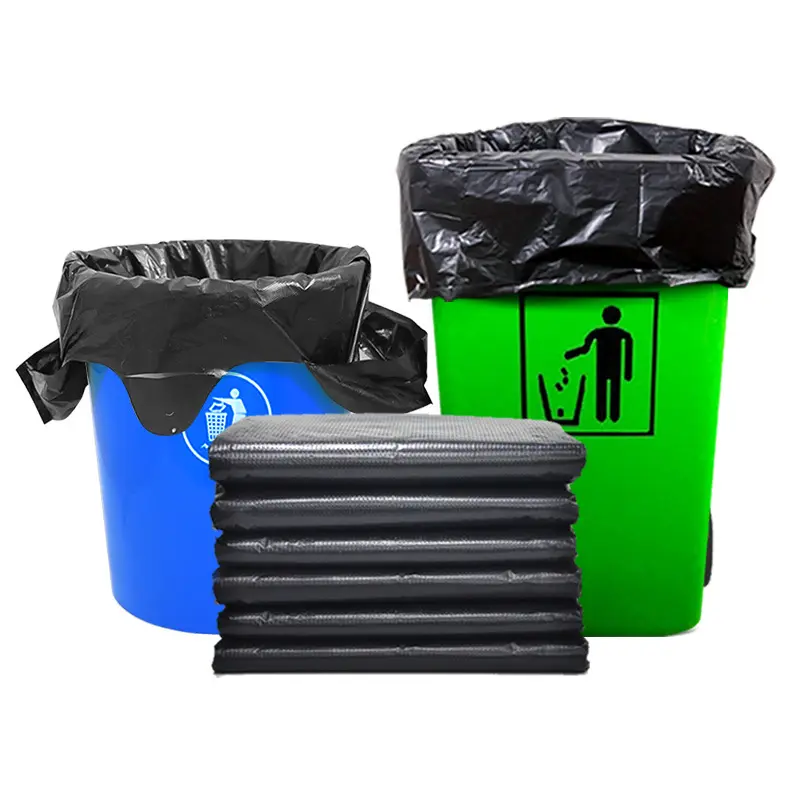
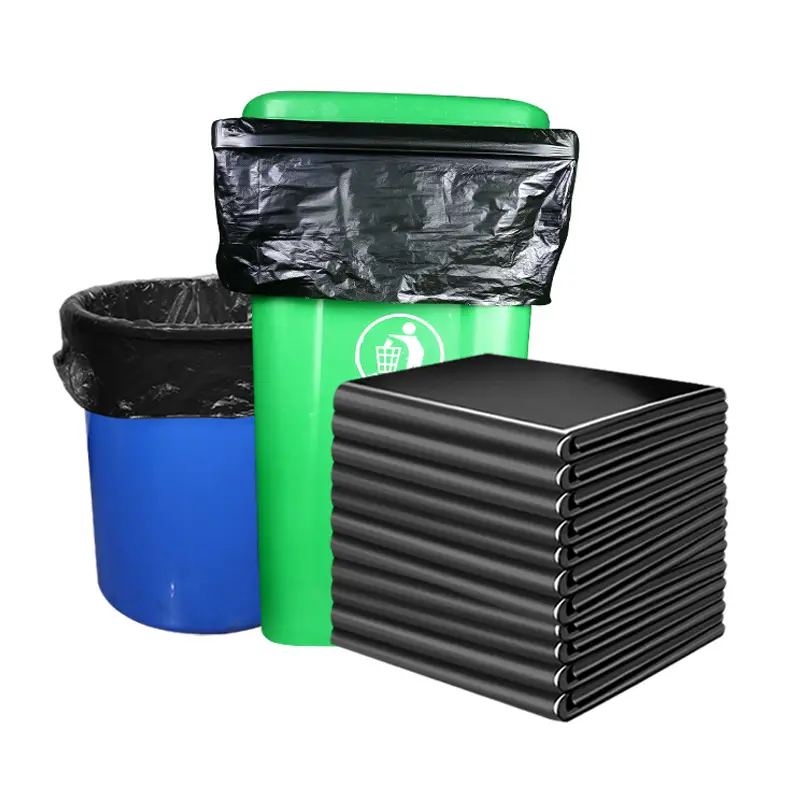
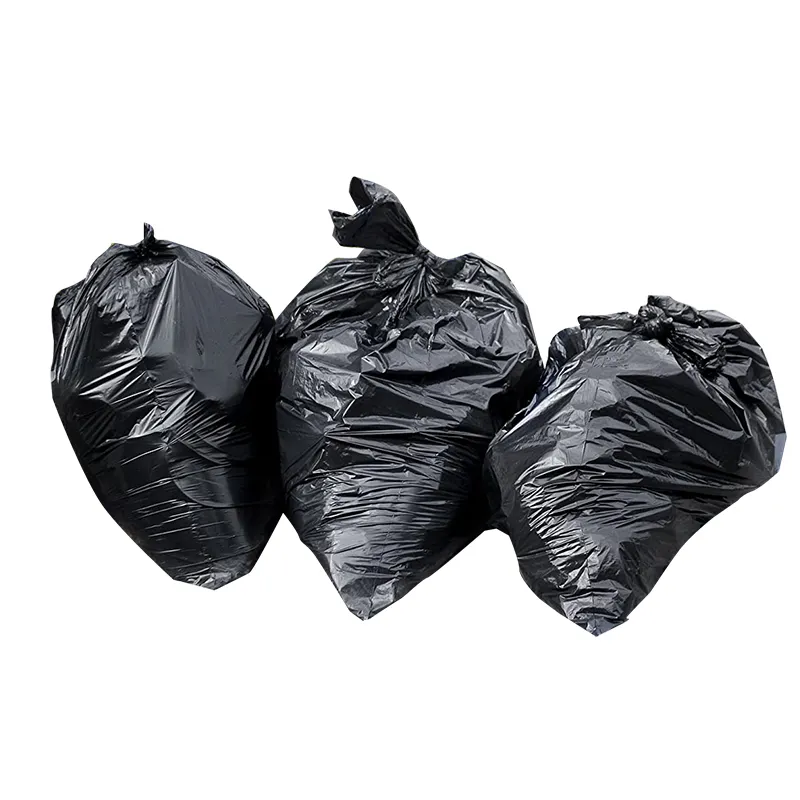
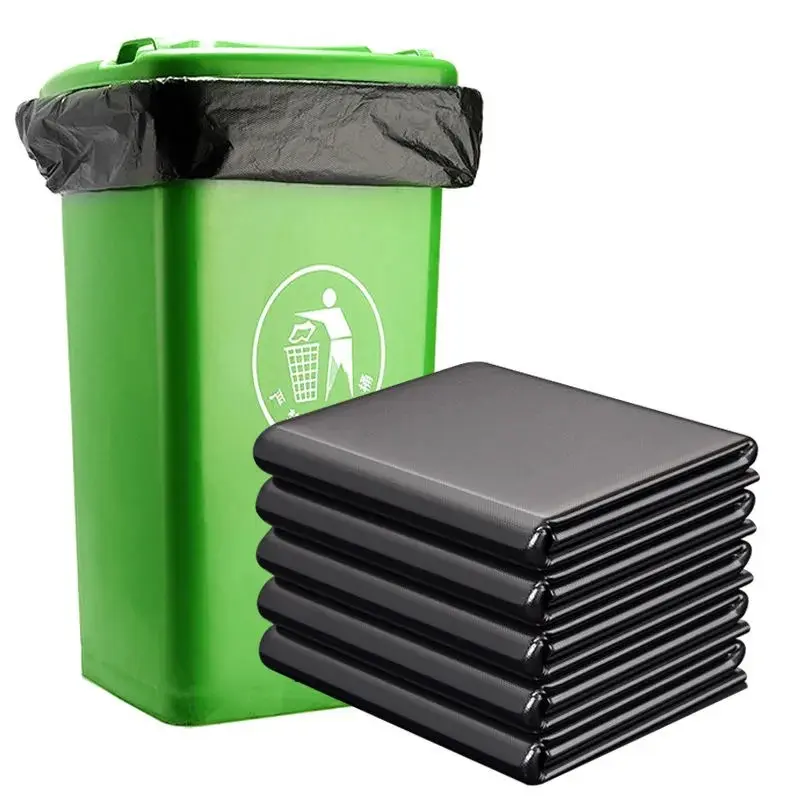
Trash bags, also known as garbage bags or bin liners, are essential disposable packaging products designed to collect, contain, and transport waste, preventing contamination of trash cans, reducing odors, and simplifying waste management. They are used in nearly every setting, from households and offices to restaurants, hospitals, and industrial facilities, and are available in a wide range of sizes, materials, and designs to meet diverse waste handling needs. Richerpack, a leading provider of packaging solutions, manufactures trash bags that combine durability, functionality, and affordability, ensuring reliable performance across all applications while offering eco friendly options for sustainability focused customers. The foundation of Richerpack’s trash bags is their material selection, which is tailored to the intended use. The most common material is polyethylene (PE), a versatile plastic available in two main forms: low density polyethylene (LDPE) and high density polyethylene (HDPE). LDPE is flexible and resistant to tearing, making it ideal for general purpose trash bags used in households and offices. These bags are typically thinner (10 to 18 microns) and lightweight, yet strong enough to handle everyday waste like paper, food scraps, and small plastic items. HDPE, on the other hand, is stiffer and more durable, used for heavy duty trash bags designed to handle sharp or heavy waste such as construction debris, broken glass, or industrial scraps. Richerpack’s HDPE trash bags are thicker (20 to 40 microns) and feature reinforced seams to prevent splitting, making them suitable for commercial and industrial use. For example, a manufacturing plant that produces electronic components uses Richerpack’s HDPE trash bags to dispose of plastic packaging and small metal scraps. The plant reports that the bags withstand punctures from sharp metal pieces and can hold up to 30 pounds of waste, reducing the need for frequent bag changes and improving efficiency. Size is a critical factor in trash bag design, and Richerpack offers a comprehensive range of sizes to fit different trash can dimensions and waste volumes. Small trash bags (4 to 8 gallons) are used for bathroom trash cans, office waste bins, or under sink bins in small kitchens, where waste volume is low. Medium bags (10 to 15 gallons) are the most popular for household use, fitting standard under sink kitchen trash cans. These bags are versatile enough to handle daily kitchen waste, including food scraps, packaging, and small household items. Large bags (20 to 30 gallons) are suitable for outdoor trash bins, garage waste, or commercial use in restaurants and retail stores. Extra large bags (50 gallons or more) are designed for industrial applications, large events, or construction sites, where massive amounts of waste are generated. A restaurant chain uses Richerpack’s 25 gallon large trash bags in its kitchens, finding that the size is ideal for collecting food waste and packaging, and the bags’ durability prevents leaks and tears during peak service hours. In addition to standard trash bags, Richerpack offers specialized designs to address specific needs. Drawstring trash bags feature built in drawstrings for easy sealing and carrying, eliminating the need for twist ties and reducing the risk of spills. These bags are popular in households and offices, where convenience is a priority. A busy office with 50 employees uses Richerpack’s drawstring trash bags in its break rooms and cubicles, noting that the drawstrings make it easy for employees to quickly seal and empty the bags, keeping the office clean and reducing odors. Odor resistant trash bags are treated with antimicrobial additives to neutralize unpleasant smells from food waste or other smelly materials. These bags are essential for food service establishments, hospitals, and households with young children. A daycare center uses Richerpack’s odor resistant trash bags to dispose of soiled diapers and food waste, reporting that the bags effectively reduce odors, creating a more pleasant environment for children and staff. Biodegradable trash bags are an eco friendly option made from plant based polymers that decompose naturally in composting conditions. These bags are designed to reduce plastic waste and support sustainable practices, making them a choice for environmentally conscious customers. A residential community that participates in a local composting program uses Richerpack’s biodegradable trash bags for food and yard waste, helping to reduce the amount of plastic sent to landfills by 30 percent. Richerpack’s trash bags are available in various colors, including black (to hide waste), white (for a clean appearance), and clear (for easy waste sorting in recycling applications). The company also offers custom printing options for commercial customers, allowing businesses to add their logos or branding to the bags, enhancing brand visibility. For customers interested in learning more about Richerpack’s trash bags—including their material specifications, size options, specialized features, or pricing for bulk orders—direct contact with Richerpack is encouraged. The company’s sales team can provide personalized recommendations based on the customer’s specific needs, ensuring they select the right trash bag for their application.

 EN
EN