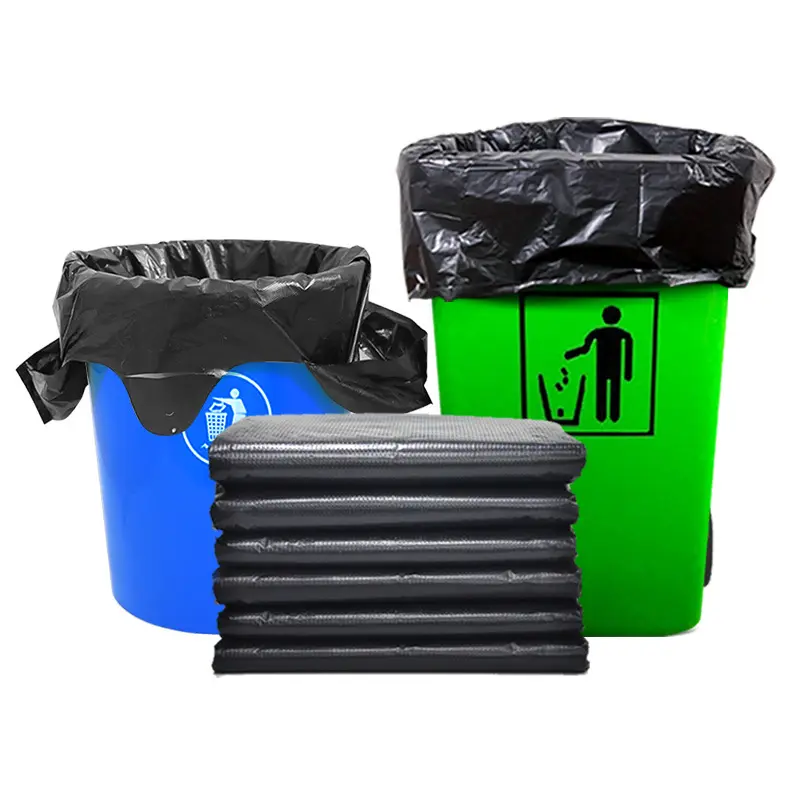
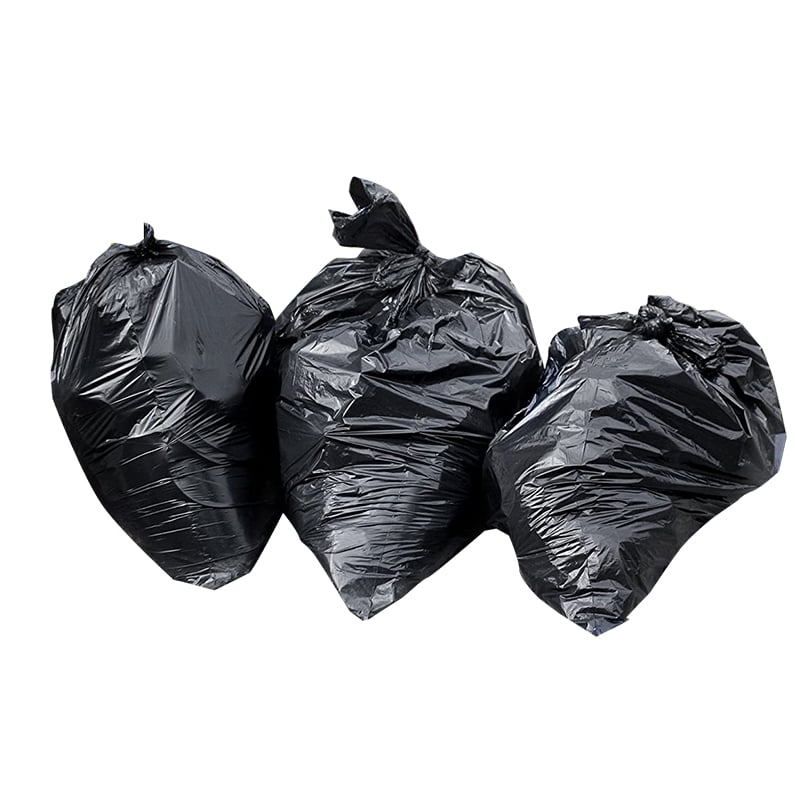
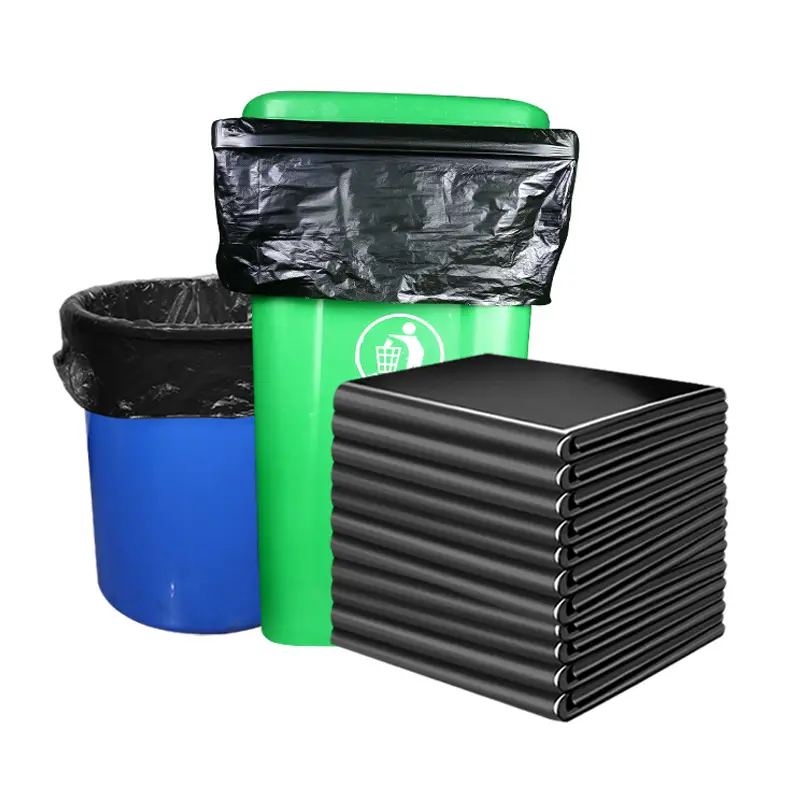
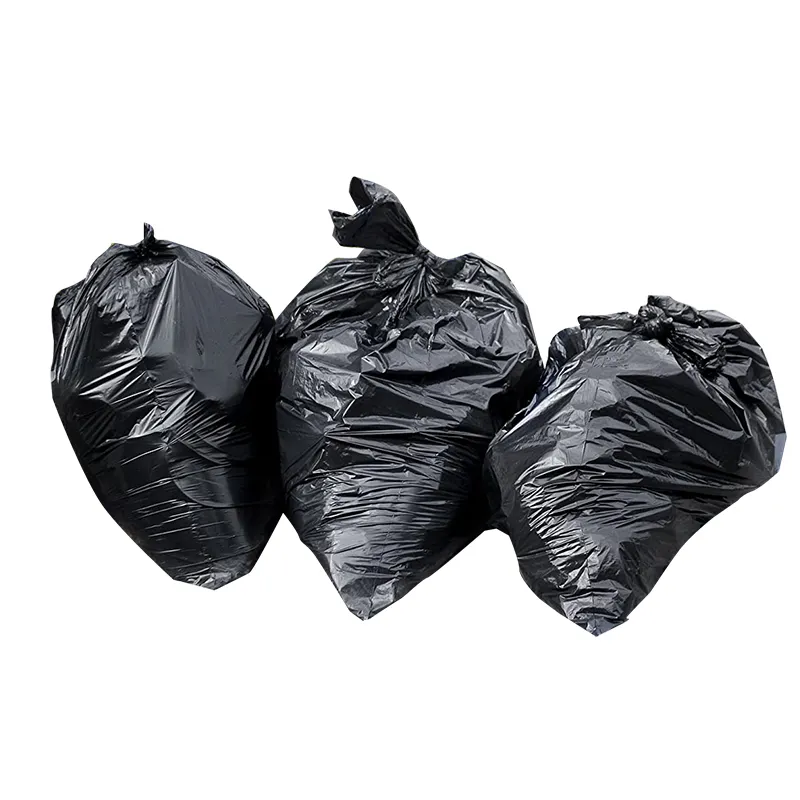
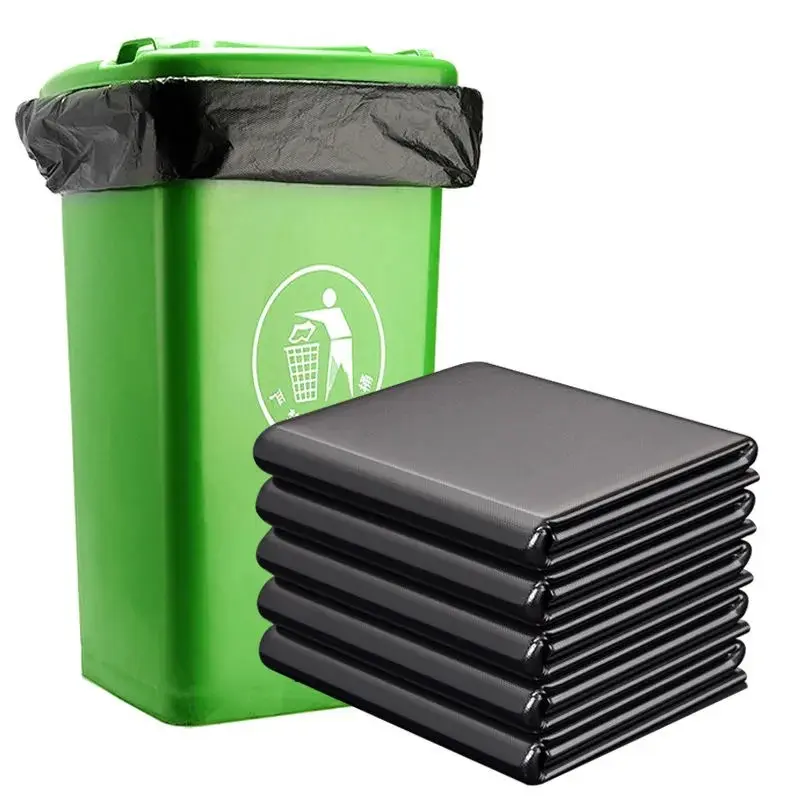
Biodegradable yard waste bags are specialized, eco friendly solutions designed for collecting and disposing of yard trimmings such as grass clippings, leaves, branches, and plant debris. Unlike traditional plastic yard waste bags, which can take hundreds of years to decompose in landfills, biodegradable options break down naturally into non toxic substances within a relatively short period (typically 180 to 365 days under proper composting conditions), reducing environmental impact and supporting sustainable waste management practices. Richerpack’s biodegradable yard waste bags are engineered to balance eco friendliness with the durability required to handle heavy, bulky, and sometimes sharp yard waste, making them a reliable choice for homeowners, landscapers, and community organizations. The key to Richerpack’s biodegradable yard waste bags is their material composition. The bags are made from a blend of polylactic acid (PLA), a renewable polymer derived from plant sources like corn starch or sugarcane, and biodegradable additives that accelerate decomposition. This material is non toxic, free from harmful chemicals, and compliant with international biodegradability standards, including ASTM D6400 (U.S.) and EN 13432 (EU). These standards ensure that the bags break down completely into water, carbon dioxide, and biomass, leaving no harmful residues or microplastics in the environment. To ensure durability, Richerpack optimizes the material blend and manufacturing process of its biodegradable yard waste bags. The bags are thicker than standard biodegradable trash bags (typically 20 to 25 microns) to withstand the weight and sharp edges of yard waste like twigs and small branches. They also feature reinforced side seams and a gusseted bottom, which expands to accommodate bulky items and prevents the bag from tearing when filled to capacity. For example, a homeowner who regularly maintains a large garden uses Richerpack’s biodegradable yard waste bags to collect grass clippings and fallen leaves. The homeowner reports that the bags are strong enough to hold up to 20 pounds of waste without tearing, even when dragged across the lawn to the compost pile. The bags also resist tearing from sharp twigs, which was a common issue with the thinner biodegradable bags they previously used. Another important feature of Richerpack’s biodegradable yard waste bags is their resistance to moisture. Yard waste is often damp, especially after rain or watering, so the bags must be able to withstand moisture without breaking down prematurely or leaking. The material blend used in Richerpack’s bags is treated to resist moisture absorption, ensuring the bags remain intact during collection and transport, even when filled with wet grass or leaves. A professional landscaping company that services residential and commercial properties uses these bags to collect yard waste from job sites. The company notes that the moisture resistant design prevents the bags from becoming soggy and tearing during transport, reducing the risk of littering and ensuring compliance with local waste management regulations. Biodegradable yard waste bags are designed to be compatible with composting systems, both industrial and home based. When placed in a compost pile with adequate heat (60°C to 70°C), moisture, and oxygen, the bags decompose along with the yard waste, turning into nutrient rich compost that can be used to fertilize gardens and lawns. This closed loop system reduces the amount of waste sent to landfills and supports sustainable gardening practices. A community garden that grows vegetables for local food banks uses Richerpack’s biodegradable yard waste bags to collect plant debris and old crops. The bags, along with their contents, are added to the garden’s compost pile, where they decompose and contribute to the production of compost used to fertilize new crops. This practice has helped the garden reduce its landfill waste by 40 percent and improve the quality of its soil. Richerpack’s biodegradable yard waste bags are available in various sizes to accommodate different volumes of yard waste. Smaller sizes (15 to 20 gallons) are suitable for homeowners with small yards or for collecting grass clippings, while larger sizes (30 to 40 gallons) are ideal for landscapers or homeowners with large properties who need to collect large quantities of leaves or branches. The bags feature an easy to open design with a wide top, making it simple to fill them with yard waste without spilling. For customers interested in learning more about Richerpack’s biodegradable yard waste bags—including their specific decomposition timeframes, compatibility with different composting systems, or available sizes—or to inquire about pricing for bulk orders (whether for personal, commercial, or community use), direct contact with Richerpack is recommended. The company’s sustainability team can also provide guidance on proper disposal methods to ensure the bags decompose effectively and maximize their environmental benefits.

 EN
EN