 EN
EN
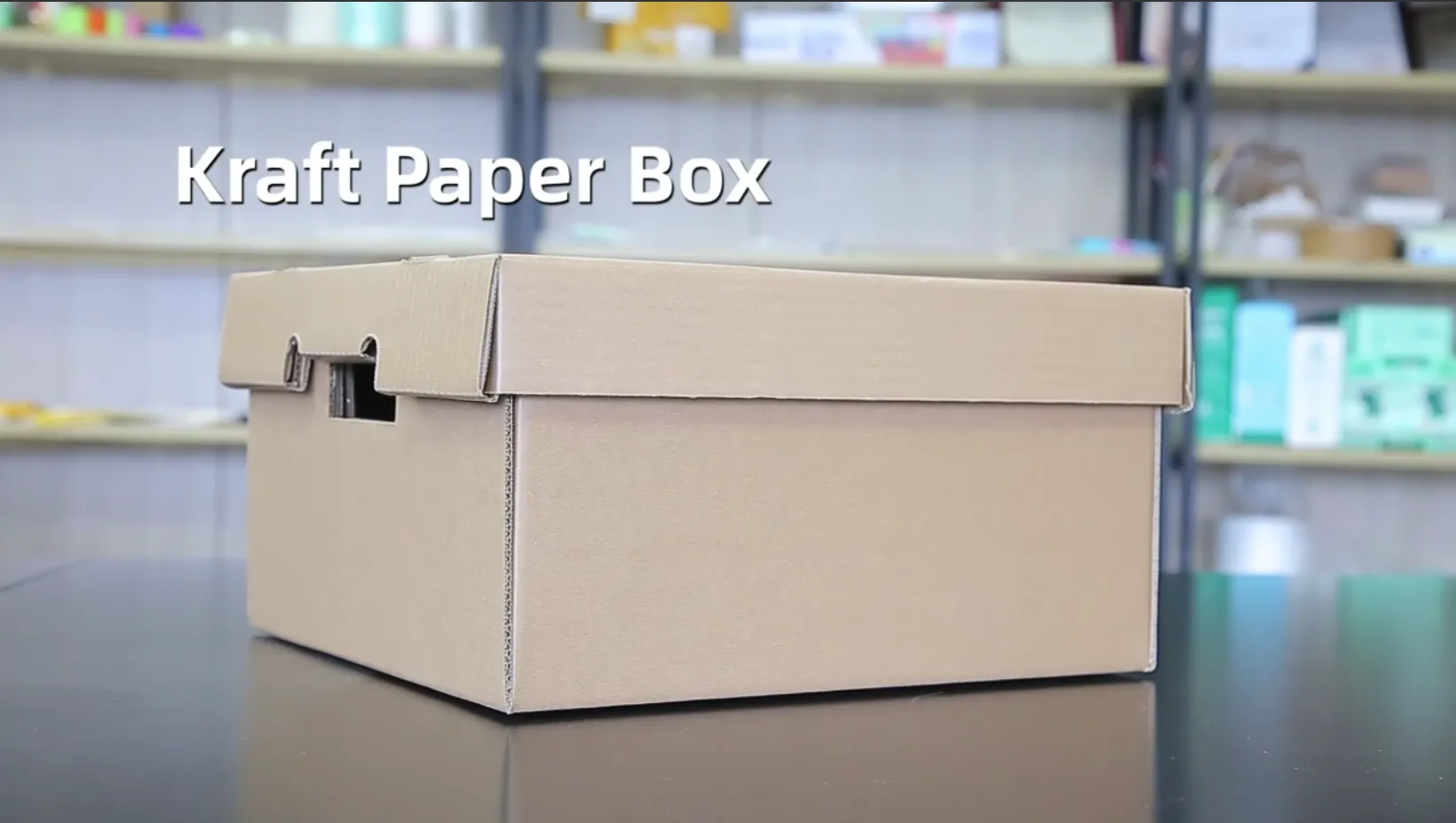
In the era of global environmental awareness, sustainable packaging has evolved from a market trend to an industry imperative, and wax coated boxes—once known for their superior protective performance—have undergone a profound eco-friendly transformation. Modern wax coated boxes combine time-tested functionality with cutting-edge green design, addressing the environmental concerns of traditional wax packaging while retaining moisture resistance, durability, and food safety. As a global leader in eco-friendly custom packaging with over 20 years of manufacturing experience, Richer Group has been at the forefront of this evolution, integrating sustainable materials, green manufacturing processes, and circular economy principles into every stage of wax coated box production. This article delves into the core eco-friendly features of modern wax coated boxes, and how Richer Group is redefining the sustainability of this packaging solution for the global market.
1. Sustainable Base Materials: Recyclable and Renewable
The foundation of a modern eco-friendly wax coated box lies in its base material, which has shifted from ordinary paper to 100% recyclable and renewable paper substrates. Leading manufacturers like Richer Group use high-quality recycled kraft paper as the primary base material for wax coated boxes, diverting paper waste from landfills and reducing the demand for virgin wood pulp. For food-grade applications, the group also incorporates plant-based renewable materials such as sugarcane fiber paper, a byproduct of the sugar industry that is fully compostable and carbon-neutral. All base materials meet FSC forest certification standards, ensuring responsible sourcing and no deforestation impact. This shift to sustainable substrates cuts the raw material carbon footprint of wax coated boxes by over 40% while maintaining the structural strength and printability essential for packaging functionality.
2. Biodegradable and Compostable Wax Coatings
The most significant eco-friendly upgrade of modern wax coated boxes is the replacement of traditional petroleum-based paraffin wax with biodegradable and compostable plant-based wax coatings. Traditional wax coatings were non-biodegradable, leading to post-use waste accumulation, but modern plant-based waxes—including soy wax, beeswax, and palm wax—break down naturally in soil or industrial composting environments, leaving no toxic residues. Richer Group leads this innovation through its subsidiary Xiamen Greenlife Eco Tech Co., Ltd, which specializes in R&D of eco-friendly wax coatings. Over 40% of the group’s wax coated box production uses these plant-based waxes, fully compliant with EN13432 and ASTM D6400 international compostability standards. These coatings retain the hydrophobic, oil-resistant, and microbial barrier properties of traditional wax while making the entire wax coated box a fully eco-friendly product.
3. Reduced Material Waste in Green Manufacturing
Modern wax coated box manufacturing embraces lean and green production processes that minimize material waste and energy consumption, a core eco-friendly feature often overlooked. Richer Group operates a 13,000-square-meter advanced manufacturing facility equipped with 24 high-precision film-blowing machines, 44 cutting machines, and 8 digital printing machines, which enable precise material cutting and coating application—reducing paper and wax waste to less than 3% of total production volume. The group also recycles and repurposes all production 边角料 (scrap material), such as paper trimmings and excess wax, back into the production cycle. Additionally, the facility uses energy-efficient machinery and renewable electricity, cutting energy consumption per ton of wax coated boxes by 25% and lowering greenhouse gas emissions associated with manufacturing.
4. Lightweight Design for Lower Carbon Footprint in Logistics
A key eco-friendly feature of modern wax coated boxes is engineered lightweight design, which optimizes material usage and reduces the carbon footprint of transportation and logistics. While retaining structural durability and protective performance, manufacturers like Richer Group have redesigned wax coated box thickness and structural support, using minimal materials to achieve maximum functionality. This lightweight design reduces the overall weight of packaging shipments, lowering fuel consumption for road, sea, and air transport—one of the largest sources of carbon emissions in the packaging supply chain. For global exports to over 50 countries, Richer Group’s lightweight wax coated boxes also improve loading efficiency, with more boxes per shipment reducing the number of transport trips and further cutting logistics-related emissions.
5. Circular Economy Integration for End-of-Life Disposal
Modern wax coated boxes are designed with circular economy principles in mind, ensuring multiple end-of-life disposal options that eliminate single-use waste. First, wax coated boxes with recyclable paper substrates and plant-based waxes can be recycled alongside ordinary paper products, with advanced recycling technologies separating the wax coating from the paper for reuse. Second, for food-contact wax coated boxes that cannot be easily recycled, the entire product is fully compostable—breaking down into organic matter in 3-6 months in industrial composting conditions, enriching soil instead of polluting it. Richer Group also actively promotes a closed-loop recycling program for its wax coated box customers, collecting used packaging and repurposing it into raw materials for new boxes, further extending the product’s lifecycle and minimizing waste.
In conclusion, modern wax coated boxes have redefined eco-friendly packaging with sustainable substrates, biodegradable coatings, green manufacturing, lightweight design, and circular economy integration—proving that protective performance and environmental responsibility can coexist. Richer Group has been a driving force behind this transformation, leveraging its advanced manufacturing capabilities, R&D expertise, and global sustainability vision to create wax coated boxes that meet the strictest eco-friendly standards while delivering the functionality global businesses demand. As the world continues to prioritize carbon reduction and waste minimization, modern eco-friendly wax coated boxes will remain a core choice for sustainable packaging, and Richer Group will continue to lead the industry with innovative green solutions that align with its motto: “Environmental Life, Green Globe.”