 EN
EN
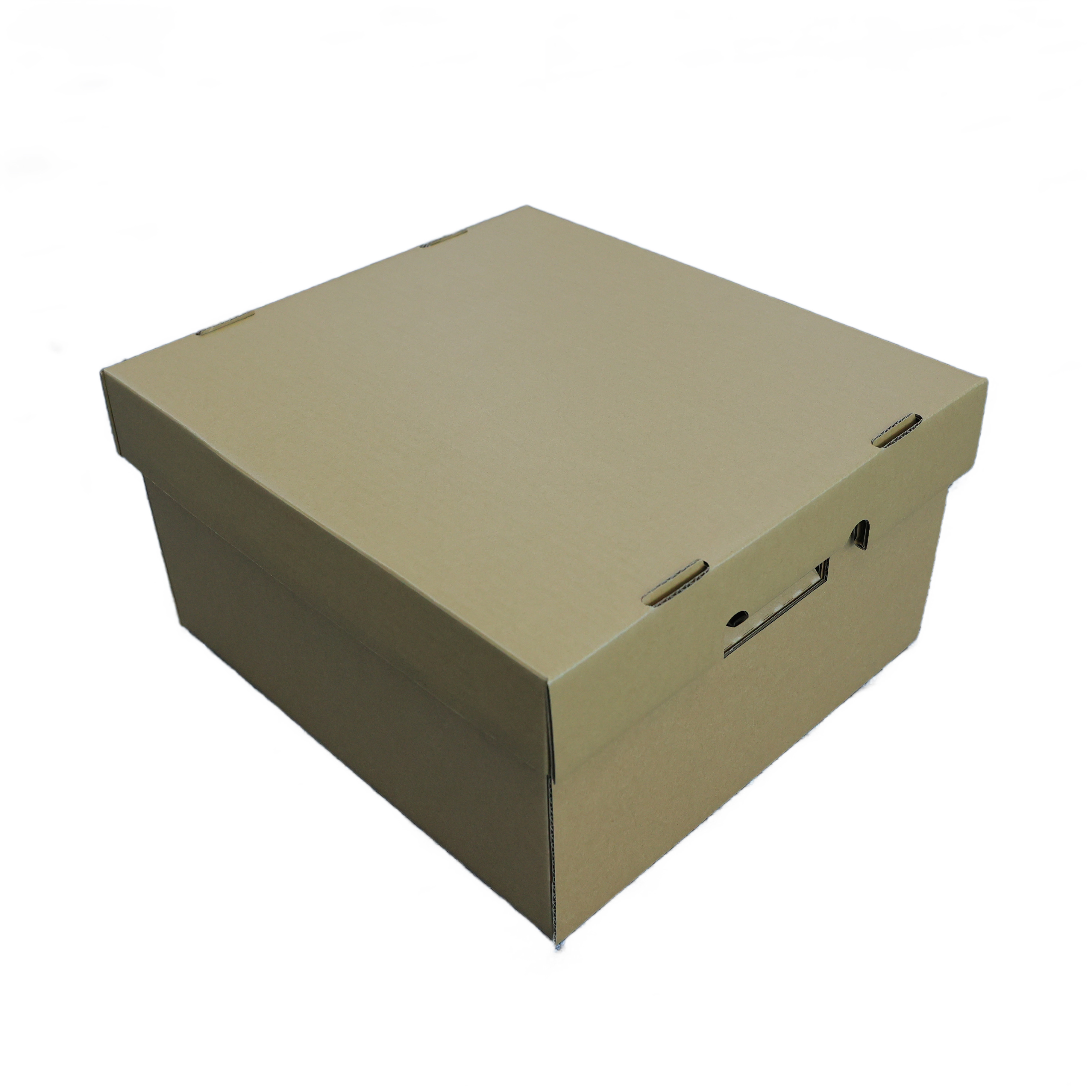
In the full cycle of cross-border trade and supply chain transportation, product damage stands as a critical pain point for export-oriented manufacturing businesses. For packaging products in particular, jolts, moisture, friction and other transit factors easily cause breakage, driving up after-sales costs and eroding brand reputation. As a comprehensive packaging solution provider deeply rooted in logistics packaging, food packaging, biodegradable packaging, supermarket packaging and healthcare packaging, Richer Group has long prioritized optimizing the transportation protection performance of its packaging products. This article delves into the core characteristics of wax coated boxes, and combines Richer Group’s decades of packaging technology expertise to explain how these boxes effectively reduce the risk of product damage in transit, offering cost-efficient packaging optimization strategies for export enterprises worldwide.
1. Core Protective Mechanisms of Wax Coated Boxes
The unparalleled advantage of wax coated boxes lies in their ability to build a multi-layer protective barrier through the unique physical properties of the wax coating, addressing transit damage at its source. Their protective principles are centered on three key dimensions:
1.1 Superior Moisture and Water Resistance
Fluctuations in environmental humidity, rain and sea spray during transit are the primary causes of carton softening and structural strength loss, which in turn leads to product crushing and contamination. The wax coating—typically crafted from food-grade paraffin, microcrystalline wax and eco-friendly composite wax materials—forms a dense, impermeable waterproof film on the carton surface. This film effectively blocks water penetration, preserving the carton’s rigidity and structural integrity even in harsh humid conditions. Xiamen Greenlife Eco Tech Co., Ltd., a subsidiary of Richer Group dedicated to eco-friendly packaging R&D, has specially optimized the moisture-proof formula of wax coatings. This refinement ensures that packaging maintains stable protective performance even during long-haul cross-border maritime shipping, where high humidity is a constant challenge.
1.2 Enhanced Friction and Tear Resistance
During long-distance transportation, friction between cartons and vehicle compartments, as well as tension from stacking, often results in carton scuffing, edge tearing and structural failure. A wax coating reduces the surface friction coefficient of cartons, minimizing wear and tear during handling and transit. Simultaneously, the fusion of wax molecules with paper fibers boosts the overall toughness of cartons, significantly improving their tear resistance and preventing local damage caused by road or sea jolts. For export manufacturers, this feature provides reliable protection for fragile goods such as precision packaging products, food containers and healthcare packaging, directly lowering product damage rates.
1.3 Auxiliary Cushioning and Impact Dispersion
Compared with standard cartons, wax coated boxes boast better overall hardness and flexibility. When subjected to external impacts, they distribute impact force evenly across the entire surface, rather than concentrating stress on a single point—thus reducing product damage caused by excessive local pressure. These boxes are particularly suitable for transporting plastic products, packaging containers and other goods with uneven weight distribution. When paired with Richer Group’s professional packaging structural design, they deliver a dual protective effect of physical defense and impact buffering, creating a safer transit environment for products.
2. Adaptive Advantages of Wax Coated Boxes for Cross-Border Transit
For export-oriented manufacturing enterprises, wax coated boxes offer far greater adaptability than traditional packaging solutions, with their strengths evident in three key aspects of cross-border transit:
2.1 Versatility for Diverse Transit Scenarios
Whether for logistics packaging, supermarket packaging, food packaging or healthcare packaging—the core business areas of Richer Group—wax coated boxes can be tailored by adjusting coating thickness and processing techniques to match specific product characteristics. For example, healthcare packaging demands stringent hygiene standards, and Richer Group can customize medical-grade wax coated boxes to meet these requirements; food packaging requires a balance of environmental protection and moisture resistance, and the group can adopt biodegradable wax coating materials to align with green packaging needs. This versatility makes wax coated boxes a one-stop protective solution for multiple product categories.
2.2 Compliance with Global Market Standards
Different countries and regions have distinct environmental and safety regulations for packaging materials, and wax coated boxes offer flexible material selection to meet these international compliance requirements. Vietnam Richer Eco Tech Co., Ltd., another subsidiary of Richer Group, leverages its in-depth understanding of Southeast Asian and global market regulations to optimize the material formula of wax coated boxes according to the environmental laws of target markets. This expertise helps export enterprises avoid costly risks such as customs clearance delays and product confiscation caused by non-compliant packaging.
2.3 Optimal Balance of Cost and Operational Efficiency
Export enterprises require packaging solutions that balance strong protective performance with cost control, and wax coated boxes excel in both areas thanks to their mature production process. Richer Group operates a 13,000-square-meter advanced manufacturing facility with 143 skilled workers, equipped with 24 film-blowing machines, 44 cutting machines and 8 printing machines. This state-of-the-art setup enables large-scale mass production, effectively reducing the unit cost of wax coated boxes. Meanwhile, the group’s standardized production processes ensure consistent product quality, eliminating rework costs caused by transportation damage due to subpar packaging quality.
3. Customized Wax Coated Box Solutions from Richer Group
As an integrated group enterprise with capabilities in packaging R&D, production, and sourcing services, Richer Group offers end-to-end customized wax coated box solutions tailored to the unique needs of export enterprises worldwide. Its core service system includes three key pillars:
3.1 Scenario-Specific Custom Design
Richer Group customizes wax coated boxes with varying thicknesses and materials based on product weight, dimensions, transportation distance and target market environmental conditions. For sea freight shipments, thickened wax coatings are used to enhance moisture and corrosion resistance; for air freight lightweight goods, the group optimizes carton lightweight design while maintaining protective strength, directly reducing logistics and transportation costs for clients.
3.2 Eco-Friendly Material Upgrades
In response to the global green packaging trend, Richer Group has launched biodegradable wax coated boxes, which combine bio-based wax materials with degradable paper. Aligned with the group’s corporate motto “Environmental life, Green globe”, these eco-friendly boxes fully comply with international environmental certification standards such as EN13432 and ASTM D6400. They help export enterprises enhance their brand’s green image and break through international trade green barriers, especially in the European and American markets where environmental regulations are increasingly stringent.
3.3 Full-Process Supply Chain Support
Leveraging the strategic transportation advantages of its Xiamen base—close to Gaoqi International Airport and Xiamen Port—Richer Group enables fast delivery and seamless supply chain coordination for packaging products. The group provides one-stop services from packaging scheme design, sample testing and prototyping, to large-scale production and global logistics distribution. This integrated service model shortens the packaging supply chain cycle for enterprises and improves their overall operational efficiency, ensuring timely delivery of products to global markets.
Conclusion
In an era of increasingly fierce export trade competition, a product’s transportation protection capability has become a key component of an enterprise’s core competitiveness. Wax coated boxes, with their multiple advantages of moisture resistance, damage prevention, global compliance and cost efficiency, have emerged as the optimal solution for reducing product transit damage. With over 20 years of packaging technology accumulation and a full-industry chain service capability, Richer Group stands ready to provide customized wax coated box solutions for export enterprises across different scenarios. From logistics and food packaging to healthcare and supermarket packaging, Richer Group’s professional technology and customer-centric services help enterprises cut transportation loss costs, improve product delivery quality and gain a competitive edge in the global market. As a trusted partner in cross-border trade packaging, Richer Group continues to integrate sustainability and innovation, empowering global enterprises to achieve safer, more efficient and greener product transportation.