
 EN
EN
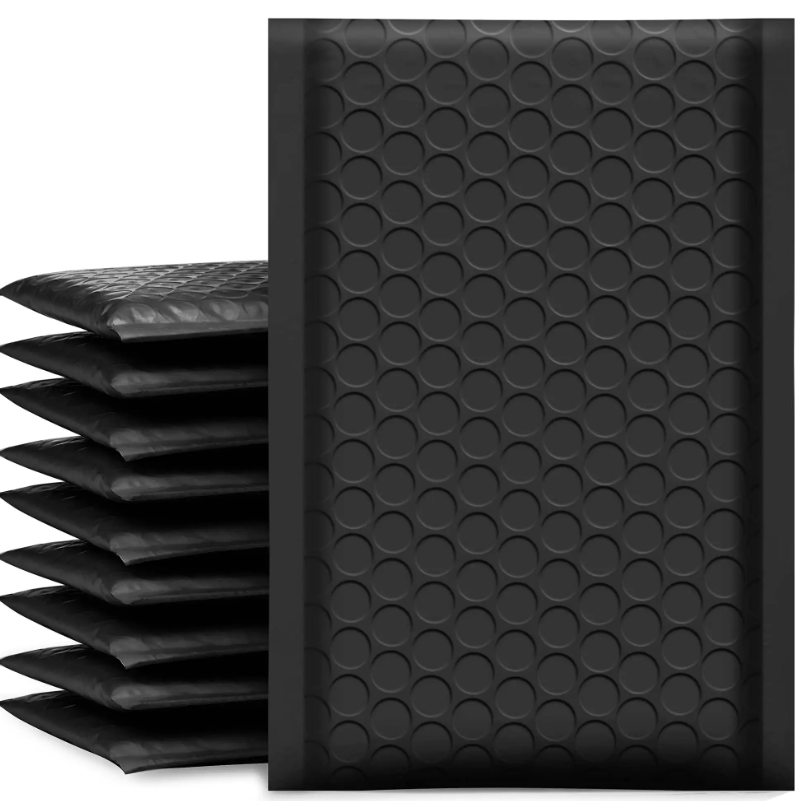
Audit and Optimize Your Current Packaging Workflow
Identify inefficiencies in void-fill, labor time, and damage rates
To get started on optimizing packaging processes, map out current workflows and look for where waste tends to pile up. Keep an eye on several important numbers: how much empty space gets filled, how long packing stations take on average, and how many damage claims come in from customers. According to some research in the field, around 37 percent of fulfillment centers actually pack products with way too much air space between them, sometimes going 40% beyond what's needed. That extra space adds up to roughly 18% higher material expenses according to the same study. Take a closer look at how much filler material gets used throughout operations. Many facilities end up using about 30% more than necessary simply because they don't maintain consistent sizing across all packages. Check how workers spend their time during different packaging phases as well. Warehouses where it takes more than 2.5 minutes to finish each package usually have problems like doing unnecessary quality inspections or having supplies spread out all over the place. Don't forget to review damage reports from shipping companies either. When products arrive damaged more than 3% of the time, that generally means there's something wrong with how well they're protected against pressure or impacts during transport. All these observations together form the foundation for making real improvements in packaging efficiency.
Run a controlled pilot with courier packing bags to measure ROI and process impact
We should run a test over four weeks using those new courier packing bags for around 15 to 20 percent of our regular shipments while keeping an eye on how they stack up against old school packaging methods. Let's zero in on medium sized packages weighing between one and five pounds since these tend to give the best returns when switching to flexible materials. Keep tabs on several key factors during the trial period including what each bag actually costs us per item packed, how long it takes staff to wrap things up (aiming for under ninety seconds), how many packages get damaged in transit (we want less than two percent breakage), and any issues with dimensional weight calculations. To see if packing speed improves, watch workers closely during their daily routines – facilities that have made similar switches report label application speeds jump by about 23 percent thanks to those handy tear strips built into the packaging. When figuring out overall savings, remember to factor in all those extra dollars saved from cutting down on filler material costs which typically drop by around 60%, plus the time saved by employees who no longer spend so much time wrestling with stubborn boxes. And don't forget about avoiding costly return shipments too! As part of this experiment, take detailed notes on any changes needed in our current workflows like rearranging sorting areas or creating new training sessions for warehouse staff. These observations will help determine whether this approach works well enough across different departments before rolling it out company wide.
Choose and Standardize the Right Courier Packing Bags
Compare poly mailers, padded courier packing bags, and rigid options by durability, cost, and sustainability
Selecting optimal courier packing bags requires balancing protection, economics, and environmental impact. Packaging damage costs businesses $740k annually (Ponemon Institute, 2023), making material durability critical. Use this comparison to standardize your approach:
| Feature | Poly Mailers | Padded Courier Bags | Rigid Options |
|---|---|---|---|
| Durability | Lightweight items | Fragile goods | High-value shipments |
| Cost per Unit | $0.10–$0.25 | $0.30–$0.60 | $0.80+ |
| Sustainability | Recyclable options | Limited recyclability | Reusable potential |
Poly mailers provide cost efficiency for non-fragile items under 2 lbs but offer minimal crush protection. Padded courier packing bags absorb impacts for electronics or glassware, though their mixed-material construction complicates recycling. Rigid mailers deliver maximum security for luxury goods but increase shipping weight and costs by up to 40%.
Prioritize standardization around your most-shipped product profile. A leading apparel brand reduced damage claims by 33% after switching from poly bags to padded variants for delicate textiles. Analyze your product dimensions, weight distribution, and carrier requirements before scaling solutions.
Integrate Courier Packing Bags with Labeling, Carriers, and Branding
Enable Seamless Carrier Integration via Automated Label Placement and Barcode Compliance
Labeling systems that automate the process cut down on mistakes made by hand and speed things up considerably. Many warehouses now install thermal printers right at their packing stations so shipping labels stick properly to those courier bags everyone uses. Getting barcodes right matters a lot for efficiency. When companies follow GS1-128 standards, carriers can handle packages about 30% quicker since they don't need to scan manually as often. Making sure addresses are accurate helps keep packages from going off track. Training staff how to place labels correctly stops them from getting smudged or falling off while in transport. The savings add up too. Packages with properly placed labels avoid extra fees ranging from around 42 cents to almost 85 cents each, based on recent logistics reports from last year.
Leverage Branded Courier Packing Bags for Consistent Unboxing and Customer Retention
When companies use custom printed courier bags for their shipments, they're actually creating mini billboards for their brand. Keeping the same colors and logo design across all different sized packages helps customers instantly recognize what company sent them something. The best ones use high quality prints on strong materials so the graphics don't get damaged during shipping. According to a recent study from Packaging Digest in 2024, around two thirds of business to business customers remember which companies have really unique packaging. Things like special matte coatings or shiny spot uv effects can make products feel more premium when someone opens the box. All these small details matter because when people see consistent branding every time they receive a package, it builds trust over time. That's why many businesses find that customers who order once tend to come back again after seeing how professional everything looks upon arrival.
Right-Size and Scale Courier Packing Bags for Efficiency and Sustainability
When companies choose properly sized courier packing bags, they can save between 15 and 30 percent on shipping expenses and reduce material waste by around 40 percent according to Radial's research from 2024. Big bags that take up too much space end up costing extra because carriers charge based on dimensions, not just actual weight. Plus these oversized packages need tons of filler material which eventually goes straight to landfills. On the flip side, using bags that are too small creates problems too since products get damaged during transit leading to costly returns. Take a good look at what gets shipped most often and pick out about three to five standard bag sizes that handle roughly 90 percent of orders. Irregular shaped items present their own challenges but there are workarounds available such as bags with expandable sides that adjust to fit different shapes without wasting space.
Switching to recyclable mono-materials such as polyethylene actually leads to bigger material savings over time. Recent research from top supply chain experts shows that carbon emissions fell by around 22% for each shipment when companies used properly sized bags made from lighter weight materials. Getting the ordering volumes just right helps avoid too much stock sitting around. Warehouses that implement smart demand prediction systems tend to have about 18% fewer outdated packages taking up space according to Oliver's findings from last year. Before making any big changes though, it makes sense to test out different sizes on a small scale first with some sample products across the product line.
Focusing on both precise scaling techniques and eco-friendly materials helps create operations that can withstand market fluctuations. According to our packaging specialists at Oliver's, cutting down on wasted space actually brings down the number of items shipped per pallet by around 15%. This means warehouses move goods faster without needing extra storage space. And let's face it, consumers are starting to care more about what they throw away after purchase. A recent survey showed that nearly seven out of ten business buyers look for companies that keep packaging to a minimum when making purchasing decisions for their organizations. This trend makes sense given today's environmental concerns and rising material costs across the supply chain.
FAQs
What are the main benefits of optimizing packaging workflows?
Optimizing packaging workflows can reduce void-fill and labor time, decrease damage rates, and cut material costs, ultimately improving overall packaging efficiency.
Why should businesses run a pilot test with courier packing bags?
Running a pilot test allows businesses to measure return on investment (ROI) and process impact, ensuring that new packaging methods are efficient and cost-effective before wide-scale implementation.
How can businesses choose the right courier packing bags?
Businesses should compare options based on durability, cost, and sustainability, and consider the specific needs of their most-shipped products to standardize the best solutions.
How does labeling integration improve efficiency?
Automated label placement and barcode compliance streamline the shipping process, reduce human error, and lead to cost savings by avoiding mislabeling fees.
What is the impact of using branded courier packing bags?
Branded packaging enhances customer retention by building brand recognition and trust through consistent and professional presentation.