
 EN
EN
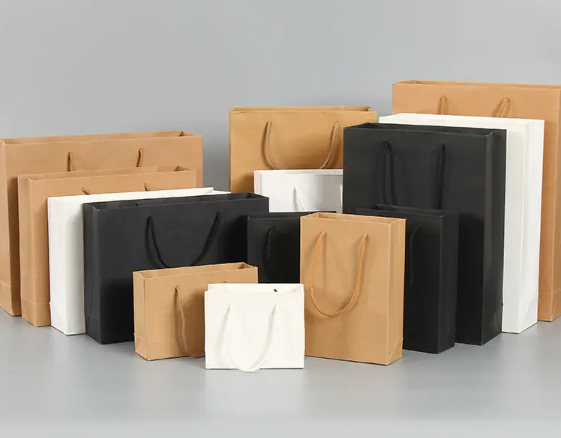
First Impressions: How Packaging Bags Define Brand Identity at a Glance
Color, Typography, and Structural Design in Packaging Bags
The packaging bag itself becomes a kind of brand representative without saying a word, influencing how people see products just by what they look at. Colors matter a lot for brand recognition too. Companies that stick to their color schemes tend to be remembered better, some studies suggest around 80% improvement in recall rates. What about fonts? They tell stories too. Clean sans serif typefaces scream modern vibe, whereas fancy script fonts give off those high end feels. Some clever design tricks work wonders too. Think about those cut out sections in cereal boxes or the extra strong handles on grocery sacks. These little touches combine into something memorable that catches eyes when shelves are packed full of similar items trying to get noticed.
The Psychology of Unboxing: Setting Expectations Before the Product Is Seen
When someone opens a package, those packaging materials become something special - they create real emotional connections. The way things feel matters a lot too. Matte surfaces give off a sophisticated vibe while glossy ones pop with energy, all before anyone actually sees what's inside. Some studies say around 70% of people think better quality products come in nicer packaging, though who knows if that number is completely accurate. Little touches matter when designing these experiences. Think about those branded stickers or the soft lining inside boxes. These small details make people wait excitedly for what's coming next, connecting how the box feels in their hands with what the brand stands for. At the end of the day, this whole process makes customers feel like they got something worth remembering, which keeps them coming back for more.
Emotional Storytelling and Sensory Engagement Through Custom Packaging Bags
Material Choice and Tactile Experience as Identity Signals
What materials we choose for packaging actually tells customers something about our brand even before they get their hands on the product. Think about it soft touch laminates feel fancy and expensive, whereas using recycled kraft paper lets people know we care about going green. And let's face it, around three quarters of shoppers these days really do prefer companies that take sustainability seriously. When it comes to opening packages, texture matters a lot. Embossed designs or those special coatings that mimic velvet create memorable experiences because they stimulate our sense of touch and trigger feelings. Rough surfaces often make us think of handmade goods made with love, while super smooth finishes scream out modern sophistication. All these different textures turn ordinary packaging bags into something much more than just containers they become part of how customers experience and remember our brand.
Narrative Elements: Logos, Illustrations, and Messaging on Packaging Bags
Packaging bags tell stories visually, which helps build those all important emotional links with customers. A good logo makes sure people recognize the brand right away, but it's the custom illustrations that really show what kind of personality a brand has. Think playful doodles for companies wanting to seem fun and friendly, versus sleek minimalist designs for brands aiming for luxury status. People connect with purpose driven messages too. Studies have found around two thirds of shoppers actually pay extra when they believe in what a company stands for. Throw in thoughtful choices about fonts and colors warm hues create feelings of comfort while clean modern typefaces suggest innovation and suddenly we're talking about a complete visual language that grabs attention exactly when someone is deciding whether to buy or walk away from the shelf.
Strategic Differentiation: Standing Out with Purpose-Built Packaging Bags
In markets where product features increasingly converge, custom packaging bags serve as powerful differentiators. Key strategies include:
- Structural Innovation: Unique shapes like angled pouches or modular compartments break visual monotony. One cosmetics brand achieved 27% higher recall using triangular bags over standard rectangular designs.
- Functional Enhancements: Resealable zippers, tear-notches, and dual compartments address user needs—37% of consumers cite convenience as a key reason for repurchasing.
- Material Experimentation: Transparent windows, textured surfaces, or plant-based materials reflect brand values. Packaging made from recycled PET can increase perceived eco-commitment by 41%.
- Interactive Elements: QR codes linking to origin stories or augmented reality experiences extend engagement. Brands using these tools report 22% longer unboxing dwell times.
Generic packaging just doesn't cut it anymore. When companies invest in specially designed bags for their products, ordinary items suddenly become something customers remember. Take a soft drink manufacturer that cut down on traditional ads by almost 20% once they started using those fancy holographic bags instead. People kept taking pictures of them at stores and posting online without any prompting from the company. And let's face it, most shoppers make up their minds right there at the shelf. According to recent research, around three out of four buying decisions happen during actual shopping trips. So good packaging isn't just about looking pretty on store shelves. It actually brings in real money for businesses across different industries.
Premium Perception and Value Reinforcement via Packaging Bag Design
Finishes, Embellishments, and Structural Innovation That Elevate Perceived Quality
When packaging bags have those fancy finishes, people instantly think about quality. Foil stamping gives that shiny, luxurious feel while embossing creates something customers can actually feel with their fingers. Spot UV coatings stand out because they look different from everything else around them. Upgrading the structure makes things work better and look better too. Magnetic closures just feel good when someone opens them, custom die cuts make products pop visually, and stronger seams mean the bag won't tear easily. All these little things we touch, hold, and hear affect how we judge what's inside without us even realizing it. Research indicates that all this extra care in design can make a product seem worth twice as much in some cases. People see these touches and assume the contents must be special somehow, which helps justify charging more money for products that stand apart from the rest.
Real-World Examples: Brands That Elevated Positioning Through Packaging Bags
When companies rethink their packaging bags, they often see real improvements in performance. Take one high-end cosmetics brand that swapped out plain old pouches for something special velvet lined with magnetic clasps. People started talking about the whole unboxing ritual online, and suddenly there was a 34 percent jump in folks searching for the brand over half a year. Another example comes from a top-tier electronics maker who got creative with their packaging too. They added these custom molded foam inserts that actually held devices like precious objects in a museum display. The matte black finish with those subtle indents just screamed technical class. As a result, returns dropped by around 22 percent because customers felt what they were getting matched up with what the brand promised all along. What these stories show is that when businesses put thought into their packaging design, it does more than look good it changes how people see the brand and ultimately helps sell more products through those memorable first impressions.