EU PPWR Packaging Update 2026: What Exporters Need to Know
he EU PPWR is moving into a more practical enforcement stage, and packaging exporters should pay close attention. On February 25, 2026, the European Commission adopted a delegated act exempting pallet wrappings and straps used to secure goods during transport from the PPWR’s 100% reuse requirement. The change is important, but it does not reduce the broader compliance pressure facing businesses that supply packaging or export packaged products to the European market. The Packaging and Packaging Waste Regulation entered into force on February 11, 2025, and will apply from August 12, 2026, giving companies a limited window to prepare for stricter EU packaging regulation requirements.
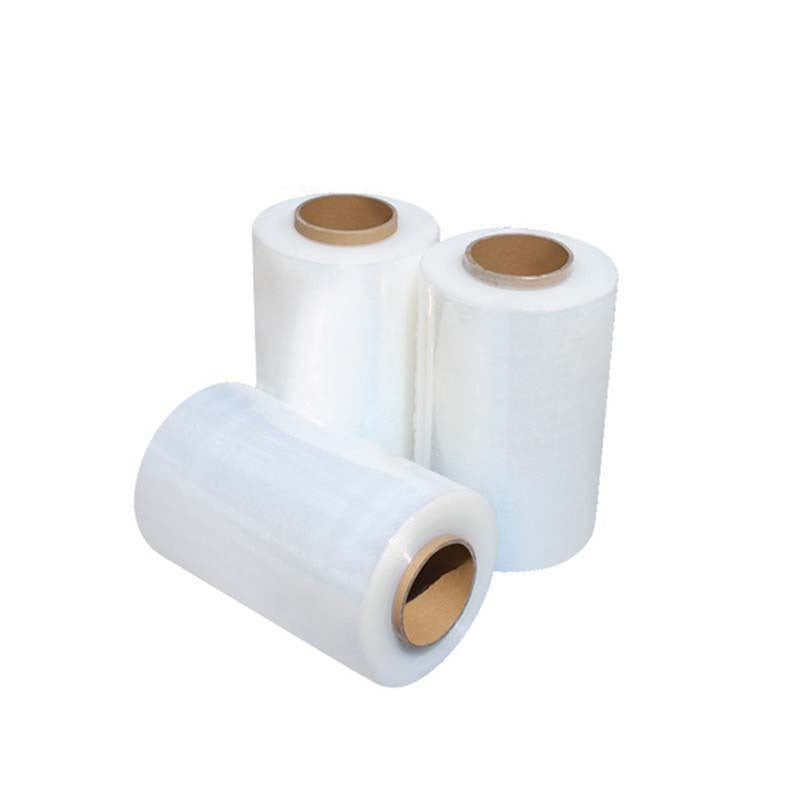
The latest EU PPWR update centers on a targeted exemption. The European Commission confirmed that pallet wrapping and straps used for stabilising and protecting goods on pallets during transport are exempt from the 100% reuse rule that had originally applied in certain scenarios. This delegated act is one of the first concrete implementation moves under the PPWR and shows that the EU is prepared to refine some requirements where full compliance would create disproportionate operational costs.
Even so, this exemption should not be misunderstood as a broader relaxation of the law. The overall direction of the EU packaging regulation remains the same: reduce unnecessary packaging, improve recyclability, expand reuse systems, and push businesses toward more sustainable packaging solutions. The PPWR still represents a major shift for packaging exporters and suppliers serving EU customers.
For many companies, packaging has traditionally been treated as a logistics or cost issue. Under PPWR 2026, that view is no longer sufficient. Packaging is becoming a compliance issue tied directly to EU market access. Businesses selling into Europe need to consider not only product quality and price, but also whether their packaging can meet new expectations around reuse, recyclability, minimisation, and documentation.
This matters especially for packaging exporters, e-commerce sellers, and manufacturers shipping transport packaging into the EU. As the August 12, 2026 application date approaches, European buyers are likely to pay closer attention to packaging compliance readiness when evaluating suppliers. In practice, that means packaging design and regulatory preparedness can increasingly affect both customer trust and purchasing decisions. This is an inference based on the regulation’s scope and the approaching enforcement timeline.
The policy direction behind the EU PPWR is strongly supported by recent packaging waste data. According to Eurostat, the EU generated 79.7 million tonnes of packaging waste in 2023, equal to 177.8 kg per inhabitant. Although this was 8.7 kg lower per person than in 2022, it remained 21.2 kg higher than in 2013, showing that long-term reduction remains a challenge.
Paper and cardboard accounted for 32.3 million tonnes, or 40.4% of total packaging waste, while plastic packaging waste reached 15.8 million tonnes, or 19.8%. These figures explain why EU packaging regulation is becoming stricter and why packaging compliance is no longer a secondary issue for exporters. Businesses that rely heavily on plastic packaging, multi-material structures, or oversized transport packaging may face greater pressure to adapt.
The latest PPWR update creates a more nuanced picture for exporters. On one hand, the exemption for pallet wrapping and straps provides some relief for companies that use these materials in transport operations. On the other hand, it also signals that the EU has entered a phase of category-specific implementation, where detailed packaging uses will be examined more closely rather than treated under a broad one-size-fits-all framework.
For exporters, this means packaging decisions should now be reviewed with compliance in mind. Companies should assess whether their packaging structures are easy to recycle, whether there is excessive empty space, whether transport packaging may be affected by reuse targets, and whether supporting technical documentation is strong enough for future compliance checks. These areas are increasingly relevant under PPWR 2026 as the regulation moves from legal adoption to practical application.
The timeline is now clear. The Packaging and Packaging Waste Regulation entered into force on February 11, 2025 and will apply from August 12, 2026. That means businesses have a narrowing preparation window to align packaging strategies with the upcoming EU packaging regulation framework.
For many packaging exporters, the most urgent task is not waiting for another policy headline but using the current period to review packaging specifications, supplier coordination, and compliance documentation. Companies that start earlier are likely to be in a stronger position when EU customers begin asking more detailed compliance questions. That final point is a practical business inference from the regulation’s timing and scope.
The most effective response to the EU PPWR packaging update is early preparation. Exporters should review transport packaging, e-commerce packaging, and material choices now rather than waiting until enforcement begins. In particular, businesses should focus on packaging minimisation, recyclability, and the internal documentation needed to support compliance discussions with buyers and regulatory stakeholders.
The recent exemption for pallet wrapping and straps shows that the European Commission may adjust certain rules where implementation burdens are too high. However, the broader trend is unmistakable: packaging is evolving from a basic shipping function into a strategic compliance issue for international trade. Companies that can combine product performance with strong packaging compliance may gain a real competitive advantage in the EU market.
The latest EU PPWR development offers limited flexibility for pallet wrapping and straps, but it does not change the larger compliance direction. With PPWR 2026 approaching, packaging exporters should treat EU packaging regulation as a core business issue rather than a secondary packaging detail. The companies that act now on packaging compliance, sustainable packaging design, and documentation readiness will be better positioned to serve the European market in the months ahead.
 Hot News
2026-07-29
2026-07-22
2026-07-15
2026-07-08
2026-06-17
2026-06-10
Richer EcoPack (Xiamen) Co., Ltd. provides custom plastic manufacturing and injection molding for industrial applications. Our precision plastic components and sustainable plastic production deliver reliability and quality. Trusted B2B plastic supplier in China. Request a quote today.
4F,Bldg 3 Aviation Free Trade Plaza,No.422 Gaoqi North Rd.,Huli District,Xiamen,361011,China
Copyright © 2025 by Richer EcoPack (Xiamen) Co., Ltd. Privacy Policy
 EN
EN