Il commercio globale continua a crescere, ma nel 2026 si prevede una crescita più lenta del commercio e una maggiore volatilità dei costi di trasporto. Ecco perché gli importatori stanno prestando maggiore attenzione al costo totale a destinazione (total landed cost) e all’efficienza dell’imballaggio.
Il commercio globale è rimasto solido nel 2025, ma il contesto operativo per gli importatori sta diventando sempre più complesso. Secondo la UNCTAD, il commercio globale di beni e servizi è cresciuto di 2,5 trilioni di USD nel 2025 , raggiungendo 35 trilioni di USD . Allo stesso tempo, la UNCTAD avverte che la crescita del commercio dovrebbe rallentare in modo significativo nel 2026 a causa dell’incertezza geopolitica, delle pressioni inflazionistiche e dell’aumento dei costi commerciali. Anche l’OMC prevede un rallentamento del volume del commercio di merci, passando da 4,6% nel 2025 a 1,9% nel 2026 .
Perché gli acquirenti pongono maggiore attenzione al costo totale a destinazione
In un contesto commerciale più fragile, gli acquirenti sono meno propensi a valutare i fornitori esclusivamente in base al prezzo del prodotto. Il costo totale a destinazione sta diventando sempre più rilevante, in particolare per le aziende che fanno affidamento su spedizioni transfrontaliere e rifornimenti frequenti. Ciò significa che i team di approvvigionamento prestano maggiore attenzione all’esposizione ai costi di trasporto, alla regolarità delle consegne, all’efficienza dell’imballaggio e alla gestione dell’inventario come parte della decisione di sourcing. Questo cambiamento è coerente con la visione espressa da UNCTAD e dall’OMC secondo cui la crescita degli scambi commerciali nel 2026 proseguirà, ma sotto una maggiore pressione derivante dai costi e dall’incertezza.
Cosa significa questo per i prodotti per l’imballaggio
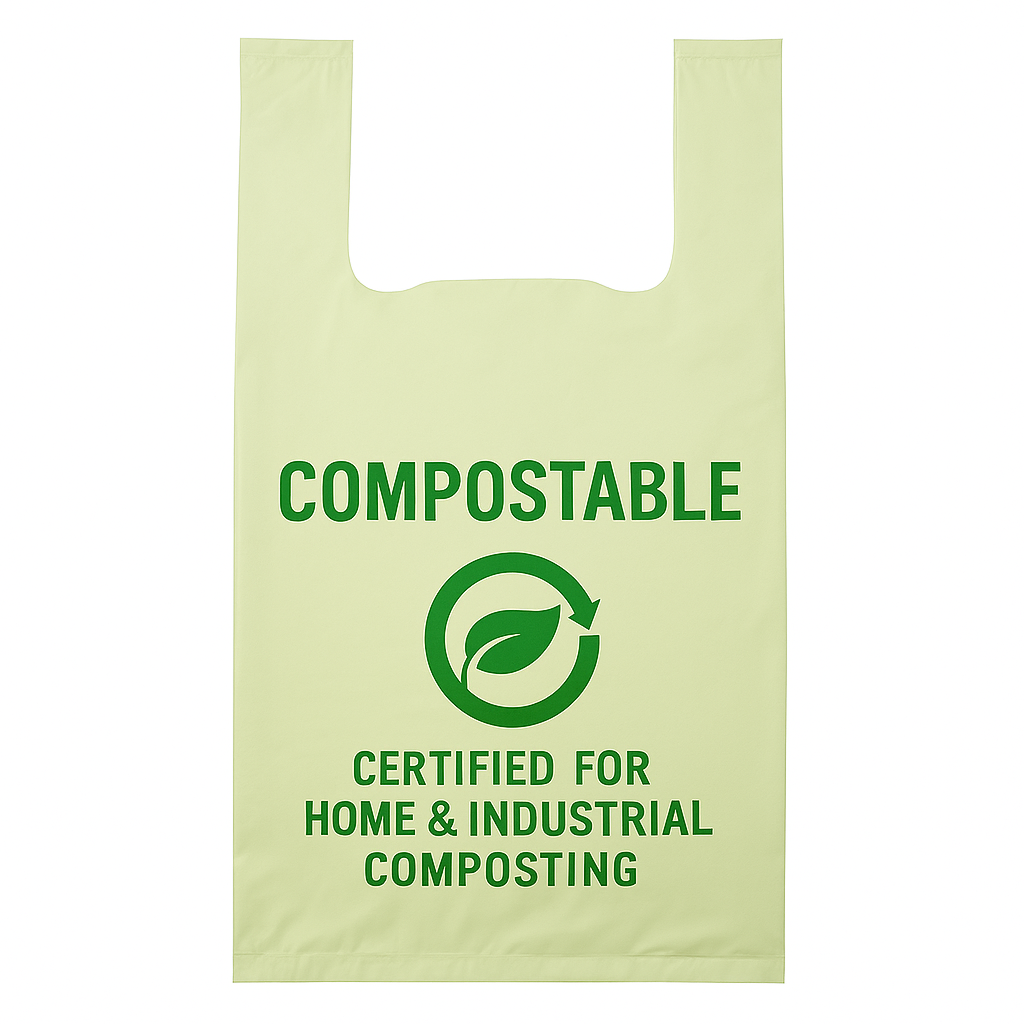
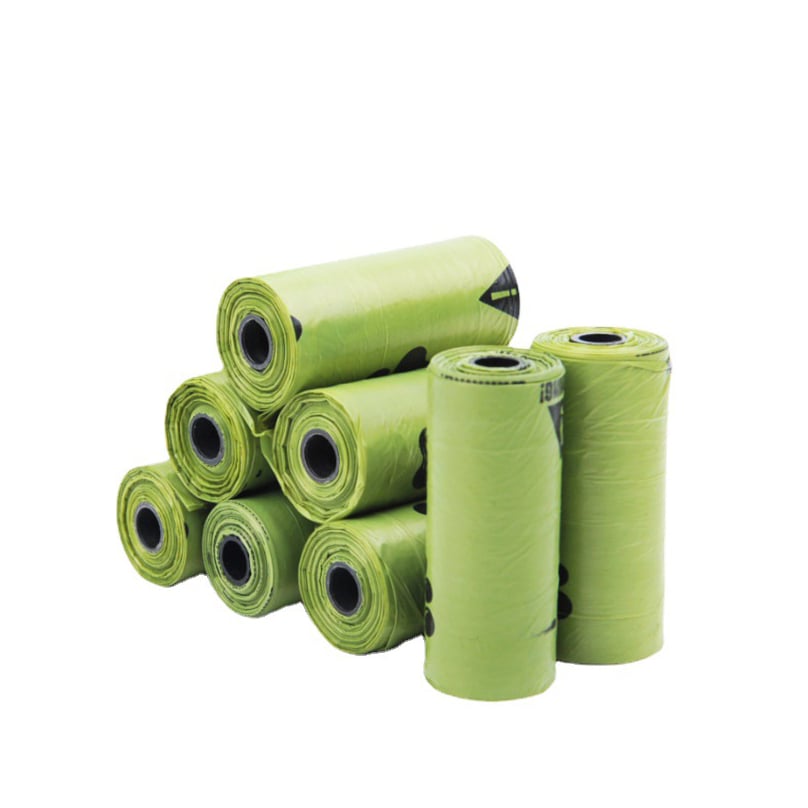
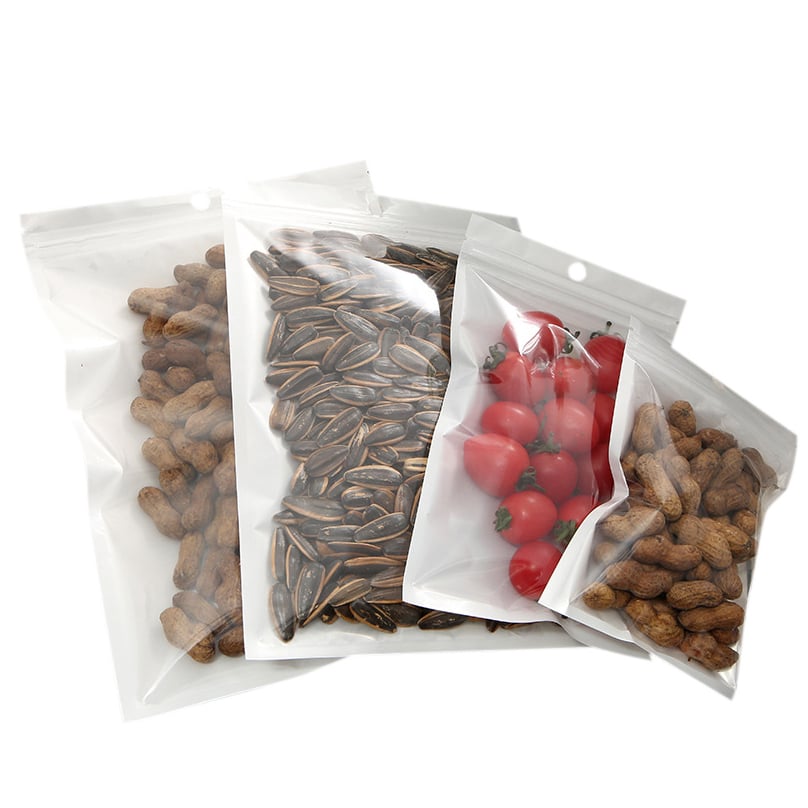
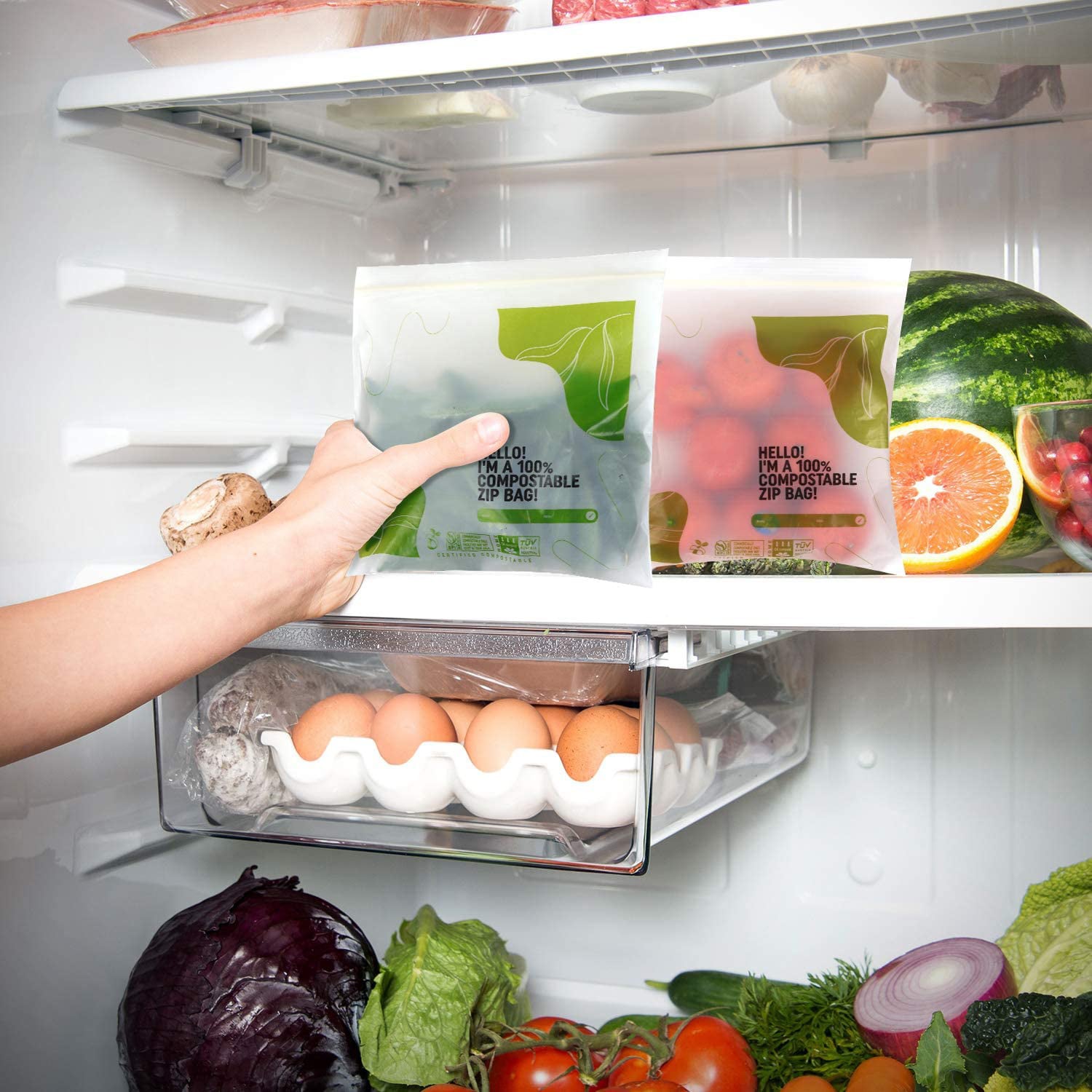
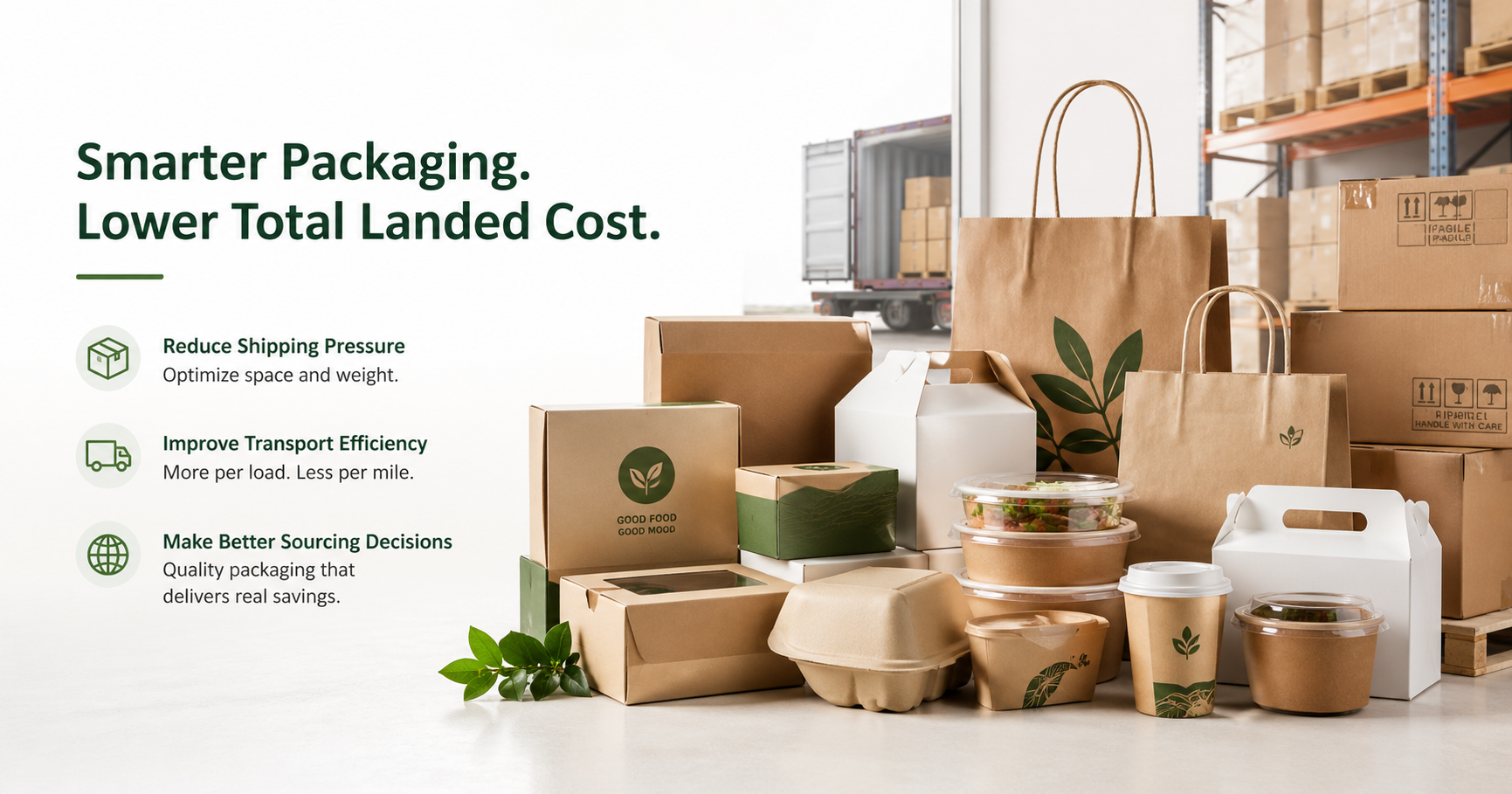
Per categorie di imballaggio come quelli per alimenti, per asporto, in carta e quelli personalizzati con stampa, l'efficienza dei costi è influenzata da fattori che vanno oltre il prezzo del materiale. Le dimensioni dell’imballaggio, la capacità di impilamento, il peso, le prestazioni protettive e l’utilizzo ottimale del cartone possono tutti incidere sui costi di trasporto, sull’occupazione degli spazi di stoccaggio e sul rischio di rottura. In altre parole, la progettazione dell’imballaggio può influenzare direttamente il costo complessivo del trasferimento di un prodotto dalla fabbrica all’acquirente. Ciò risulta particolarmente rilevante per prodotti di imballaggio ad alto volume e basso valore unitario, dove l’efficienza del trasporto riveste un ruolo fondamentale. La conclusione qui riportata è un’inferenza aziendale basata sugli attuali segnali relativi ai costi commerciali e alla volatilità delle tariffe di trasporto.
La volatilità delle tariffe di trasporto rimane ancora un elemento rilevante
I dati recenti sulle tariffe di trasporto indicano che le condizioni logistiche restano disomogenee. Freightos ha riferito che le tariffe settimanali per il traffico Asia–Costa Ovest USA sono aumentate del 7% a 2.653 USD/FEU , mentre le tariffe per il traffico Asia–Costa Est USA sono aumentate del 4% a 3.810 USD/FEU . In un aggiornamento separato, si è riferito che le tariffe marittime transatlantiche hanno subito un forte aumento 50% in una settimana , passando da 1.400 USD/FEU a oltre 2.100 USD/FEU dopo l’entrata in vigore dei sovrapprezzi. Sebbene i prezzi del trasporto marittimo possano variare rapidamente, questi aggiornamenti confermano che il costo della logistica rimane un tema attuale per gli importatori.
Un’opportunità concreta per i fornitori di imballaggi
Per i fornitori di imballaggi, si tratta non solo di una questione macroeconomica legata al commercio internazionale, ma anche di un’opportunità commerciale. Gli acquirenti potrebbero apprezzare sempre di più i fornitori in grado di migliorare l’efficienza degli imballaggi grazie a dimensionamenti ottimizzati, strutture più funzionali, imballaggi secondari razionalizzati e una comunicazione più chiara riguardo all’idoneità al trasporto. Per le aziende che operano nei settori alimentare, da asporto e della grande distribuzione, ciò offre la possibilità di posizionare gli imballaggi come parte integrante di una soluzione più ampia finalizzata al controllo dei costi e all’ottimizzazione della catena di approvvigionamento, anziché limitarsi a considerarli semplici articoli di prodotto. Questa conclusione deriva dai dati sul commercio e sui costi di trasporto sopra riportati; tuttavia, le priorità effettive degli acquirenti varieranno in base al mercato e alla categoria di riferimento.
Conclusione
Mentre il commercio globale entra in una fase più cauta nel 2026, gli importatori presteranno probabilmente maggiore attenzione al costo totale di approdo, non solo al prezzo di fabbrica. Per gli acquirenti di imballaggi, ciò rende l’efficienza degli imballaggi, la praticità del trasporto e l'affidabilità dei fornitori più importanti che in passato. Per i produttori di imballaggi, questa situazione offre un utile spunto di contenuto e vendita: aiutare i clienti a ridurre le pressioni sui costi nascosti attraverso scelte più intelligenti in materia di imballaggio.
Per le aziende che stanno valutando imballaggi per alimenti o imballaggi per asporto destinati ai mercati di esportazione, questo è un buon momento per analizzare non solo l’aspetto estetico degli imballaggi, ma anche l’efficienza del trasporto, le prestazioni di carico e la coerenza complessiva con la strategia di approvvigionamento.
 Ultime notizie
2026-07-29
2026-07-22
2026-07-15
2026-07-08
2026-06-17
2026-06-10

Richer EcoPack (Xiamen) Co., Ltd. offre la produzione personalizzata di parti in plastica e lo stampaggio a iniezione per applicazioni industriali. I nostri componenti plastici di precisione e la produzione sostenibile di plastica garantiscono affidabilità e qualità. Fornitore B2B di plastica affidabile in Cina. Richiedi un preventivo oggi stesso.
4F, Bldg 3 Aviation Free Trade Plaza, No.422 Gaoqi North Rd., Huli District, Xiamen, 361011, Cina
Diritti d'autore © 2025 di Richer EcoPack (Xiamen) Co., Ltd. Informativa sulla privacy
 EN
EN