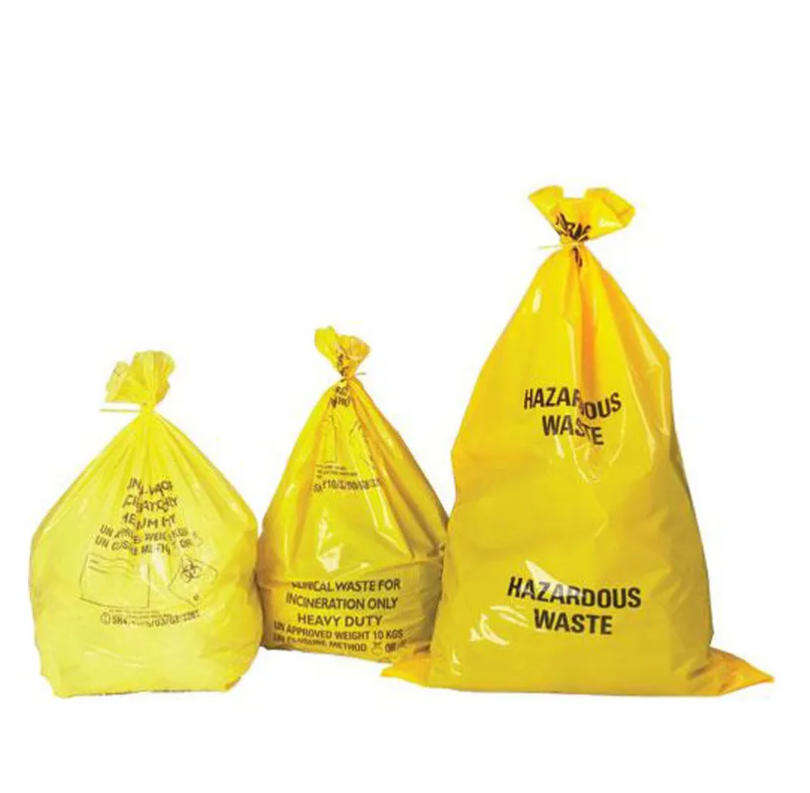
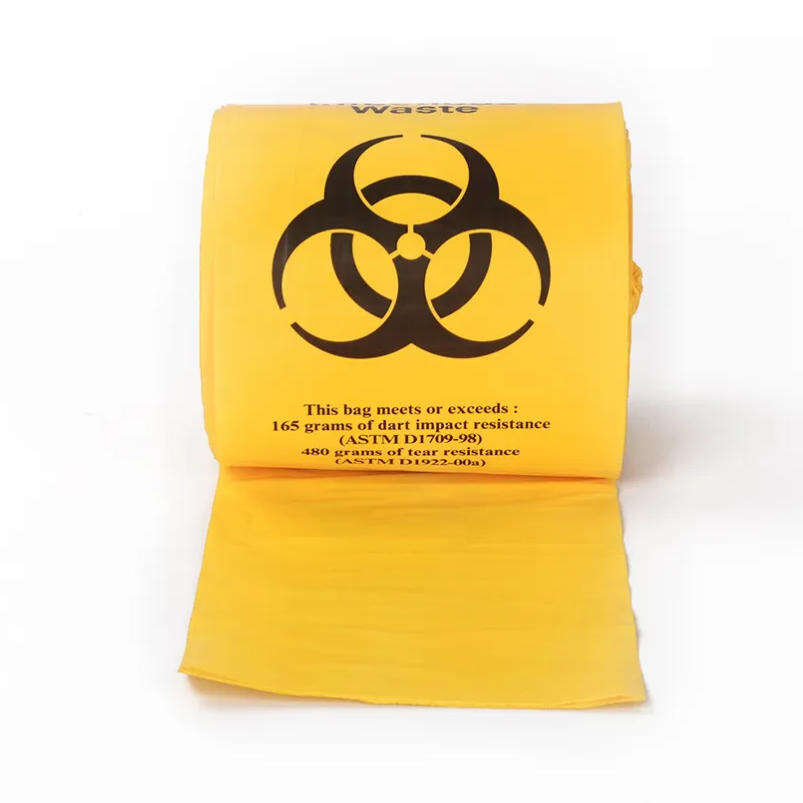
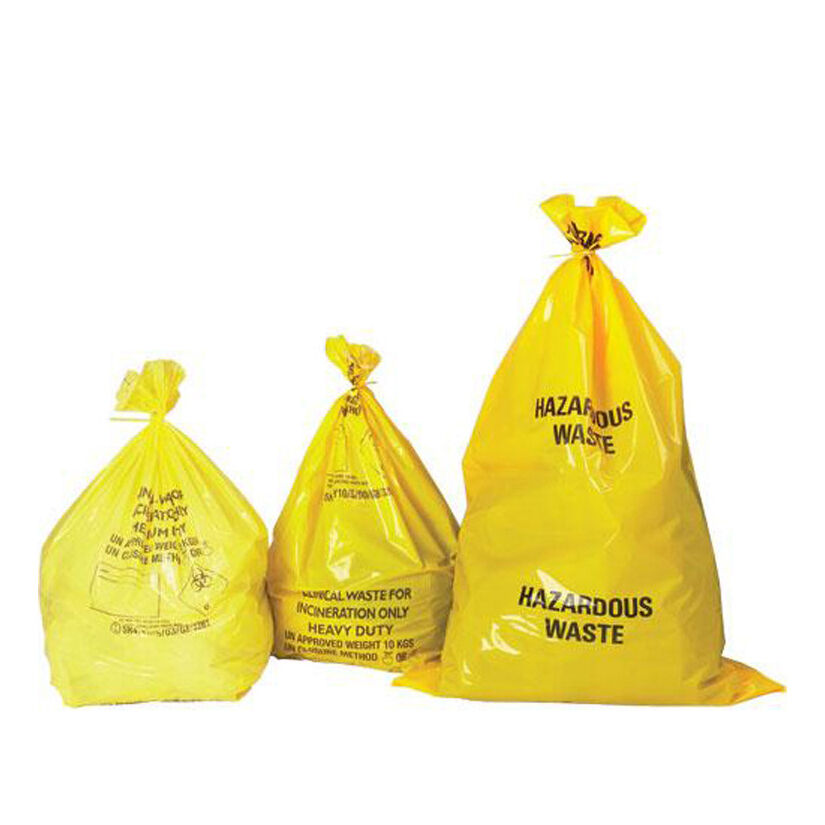
95kpa biohazard bag is a specialized type of biohazard packaging engineered to withstand a pressure of 95 kilopascals (kPa), making it suitable for applications where the bag may be exposed to high pressure conditions during storage, transportation, or disposal. This pressure resistance is achieved through a combination of material selection and structural design: the base material is typically a high strength HDPE or a HDPE PP copolymer, which has a tensile strength of at least 20 MPa and a flexural modulus of 1.2 GPa—these mechanical properties allow the material to resist deformation under pressure. The bags also feature reinforced seams, created by heat sealing the material with a double or triple seam configuration, which prevents the seams from splitting when pressure is applied. Additionally, the bag’s bottom is often designed with a gusset (a folded section of material) that expands to distribute pressure evenly across the bag’s surface, reducing stress on any single point. The 95kPa pressure rating is critical for specific biohazard waste management scenarios. One key application is in vacuum waste collection systems, which are used in large hospitals to transport biohazard waste from patient rooms to a central storage area. These systems use negative pressure (suction) to move waste through tubes, and the 95kPa biohazard bags must withstand this negative pressure without collapsing, ensuring that waste remains contained. Another application is in high altitude transportation—when biohazard waste is transported by air, the cabin pressure can drop to as low as 50 kPa, creating a pressure difference between the inside and outside of the bag. The 95kPa rating ensures that the bag does not burst due to this pressure difference. A third application is in bulk waste storage, where multiple bags are stacked in a storage container—the 95kPa bag can withstand the pressure from the weight of the bags above it, preventing leakage or damage. Design features of 95kPa biohazard bags include a secure closure system that maintains pressure resistance—common closures are heat seals (which create a permanent, pressure tight seal) or heavy duty zip locks with a rubber gasket (which can be reopened and resealed while maintaining pressure resistance). The bags are printed with the biohazard symbol and a pressure rating label (e.g., “95kPa PRESSURE RESISTANT”) to inform users of their capabilities. They are available in sizes ranging from 30x40 cm (for vacuum tube systems) to 50x60 cm (for bulk storage), and may include a transparent window to inspect contents without opening the bag. A practical case study is a large hospital in a mountainous region that adopted 95kPa biohazard bags for its air transportation of biohazard waste to a regional disposal facility. The high altitude (over 2000 meters) caused significant pressure changes during flight, and the hospital previously experienced issues with standard biohazard bags bursting. After switching to 95kPa bags, all instances of bag failure ceased, ensuring compliance with aviation safety regulations. Another example is a research facility with a vacuum waste collection system that uses 95kPa bags— the bags maintain their shape under suction, allowing for efficient waste transport without clogs or leaks. When specifying 95kPa biohazard bags, it is important to verify that the pressure rating is tested and certified (e.g., in accordance with ASTM D3078, a standard for testing the burst strength of plastic films). For detailed information on certification, material testing reports, and available sizes of 95kPa biohazard bags, please contact us—our team can help you determine if these bags are suitable for your pressure related biohazard waste management needs.

19
Jul
10
Oct
10
Oct
10
Oct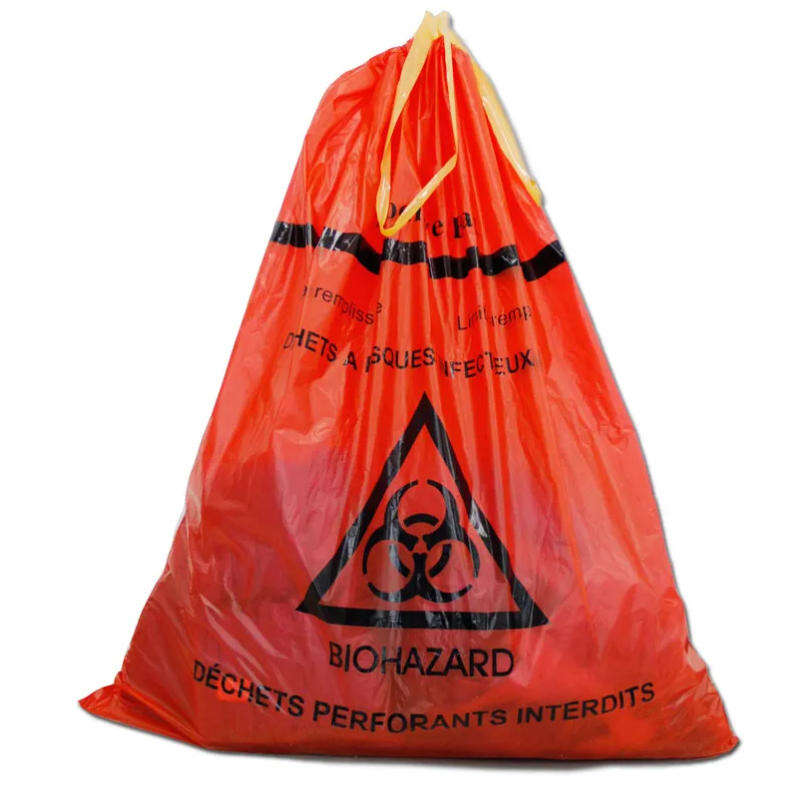

Xiamen Richer Plastic Co.,Ltd. provides custom plastic manufacturing solutions for industrial applications. Our precision molding and sustainable processes deliver high-quality components. Trusted by global partners. Contact us today.
4F,Bldg 3 Aviation Free Trade Plaza,No.422 Gaoqi North Rd.,Huli District,Xiamen,361011,China
Copyright © 2025 by Xiamen Richer Plastic Co.,Ltd. Privacy Policy
 EN
EN