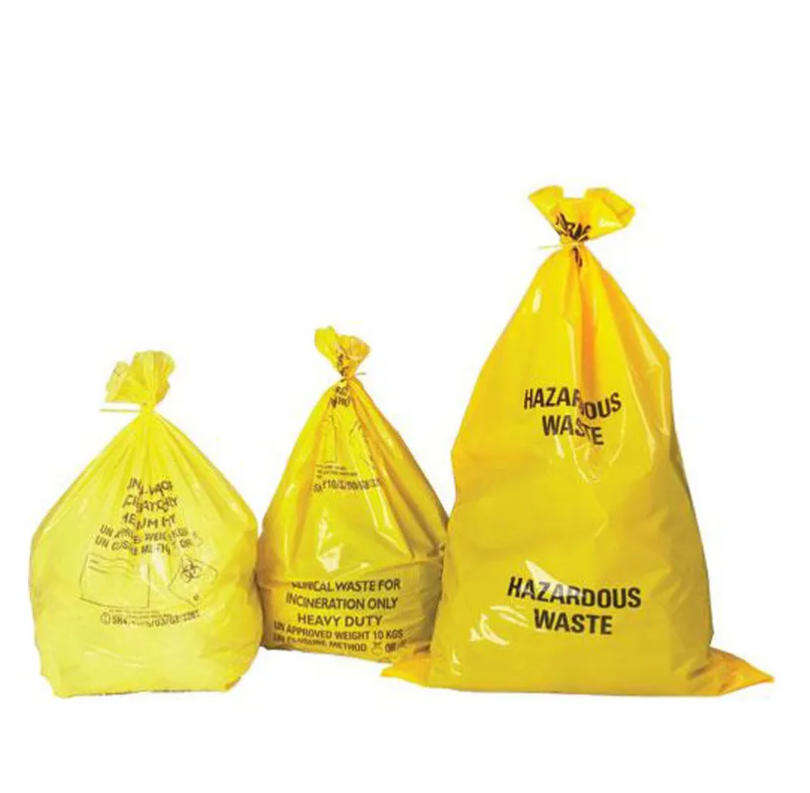
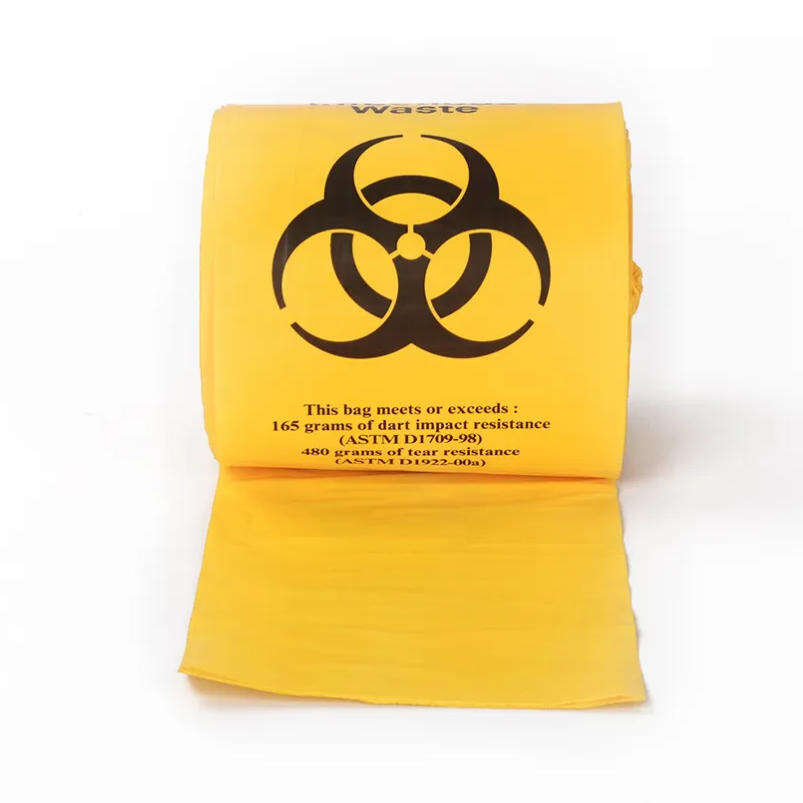
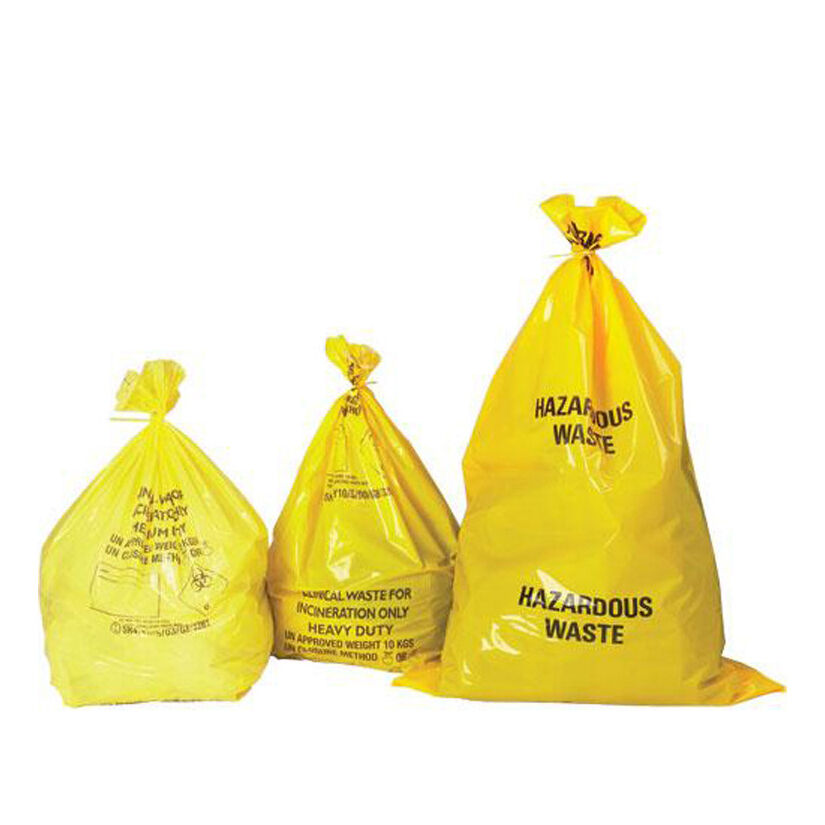
Autoclavable biohazard bags are specialized packaging designed to withstand the high temperature and pressure conditions of autoclaving (steam sterilization), a common method for treating biohazard waste before disposal or reuse of non disposable items. These bags are made from heat resistant materials, typically polypropylene (PP) or a PP HDPE blend, which can tolerate temperatures up to 134°C (the standard temperature for autoclaving) and pressures up to 103.4 kPa (15 psi) without melting, tearing, or releasing toxic fumes. The material also maintains its structural integrity after autoclaving, ensuring that the sterilized waste remains contained during transport to final disposal. Key features of autoclavable biohazard bags include a heat sealable closure—this allows the bag to be sealed before autoclaving, preventing the escape of steam or contaminated aerosols during the sterilization process. Many bags also have a built in “sterilization indicator” patch, which changes color (e.g., from white to black) when exposed to the correct temperature and pressure for the required time (usually 15 20 minutes), providing visual confirmation that sterilization is complete. The bags are available in various sizes, from small 10x15 cm bags for laboratory pipettes to large 40x50 cm bags for hospital bed linens contaminated with infectious material, and may include reinforced seams to prevent splitting under pressure. Application scenarios for autoclavable biohazard bags are primarily in settings where waste can be sterilized and then disposed of as non hazardous waste, reducing the volume of waste sent to incineration. In research laboratories, they are used to contain contaminated glassware (e.g., beakers, test tubes) that is autoclaved before cleaning and reuse. In dental clinics, they hold used dental instruments (e.g., forceps, scalers) that are sterilized in the bag before being transferred to the clean instrument storage area. In veterinary hospitals, they contain animal cages soiled with infectious waste (e.g., feces from a sick animal) that is autoclaved to kill pathogens before the cage is cleaned. A practical example is a university research lab that uses autoclavable biohazard bags for its cell culture waste. By autoclaving the bags containing contaminated flasks and pipettes, the lab reduces its incineration costs by 25% and minimizes its environmental impact. Another example is a small animal clinic that uses the bags to sterilize cages used for dogs with parvovirus, ensuring that the virus is completely destroyed before the cages are reused for other animals. When considering autoclavable biohazard bags, factors such as material thickness (typically 5 7 mil for PP), size, closure type, and compatibility with specific autoclave models are important to evaluate. For information on product specifications, compatibility testing, and to obtain a detailed price quote based on your organization’s volume and requirements, please contact us directly—our team can provide personalized recommendations to meet your autoclaving and biohazard waste management needs.

19
Jul
19
Jul
10
Oct
10
Oct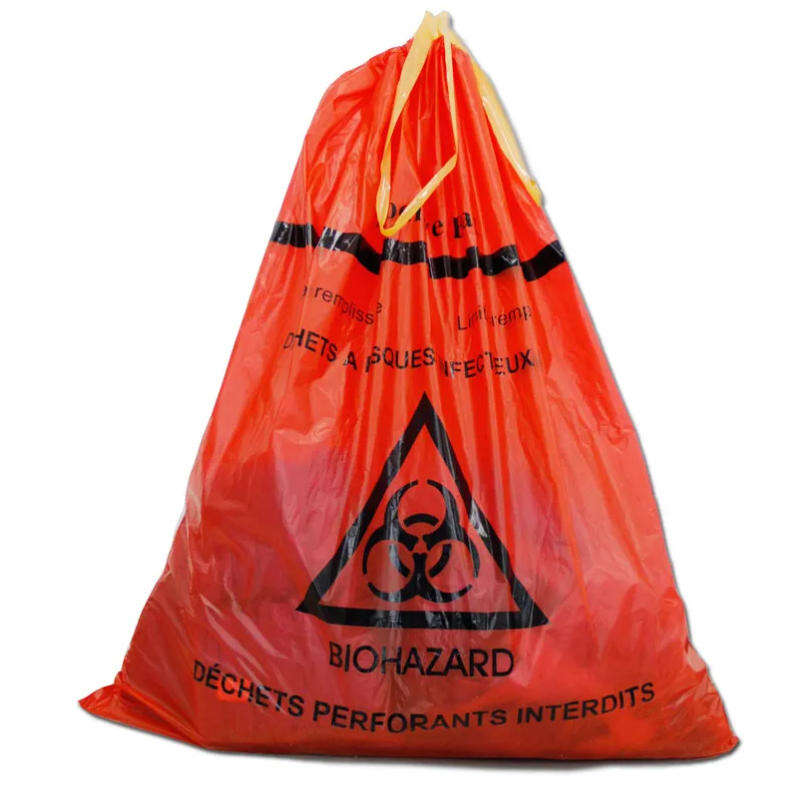

Xiamen Richer Plastic Co.,Ltd. provides custom plastic manufacturing solutions for industrial applications. Our precision molding and sustainable processes deliver high-quality components. Trusted by global partners. Contact us today.
4F,Bldg 3 Aviation Free Trade Plaza,No.422 Gaoqi North Rd.,Huli District,Xiamen,361011,China
Copyright © 2025 by Xiamen Richer Plastic Co.,Ltd. Privacy Policy
 EN
EN