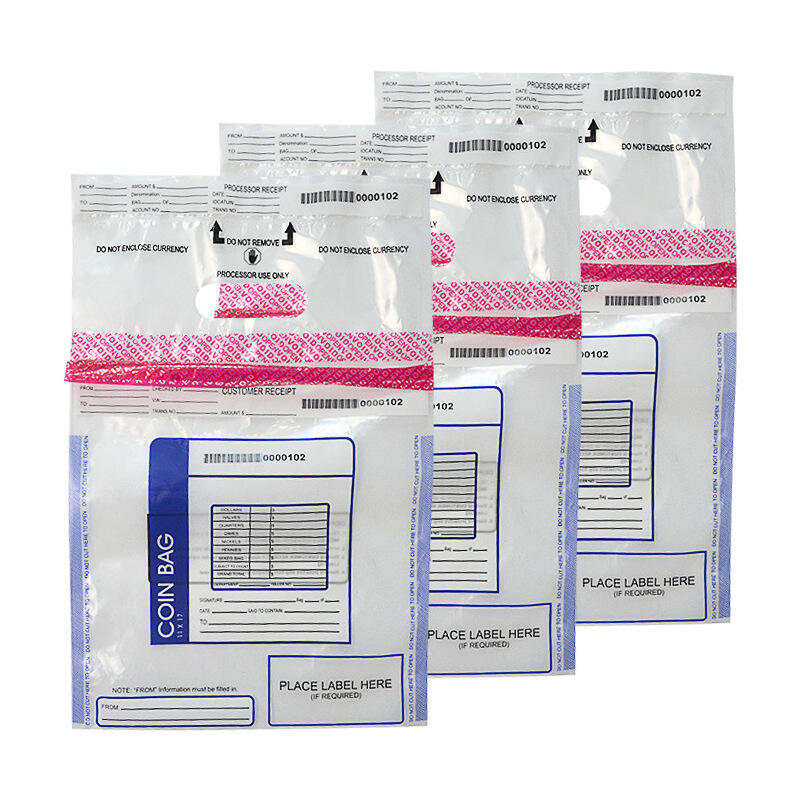
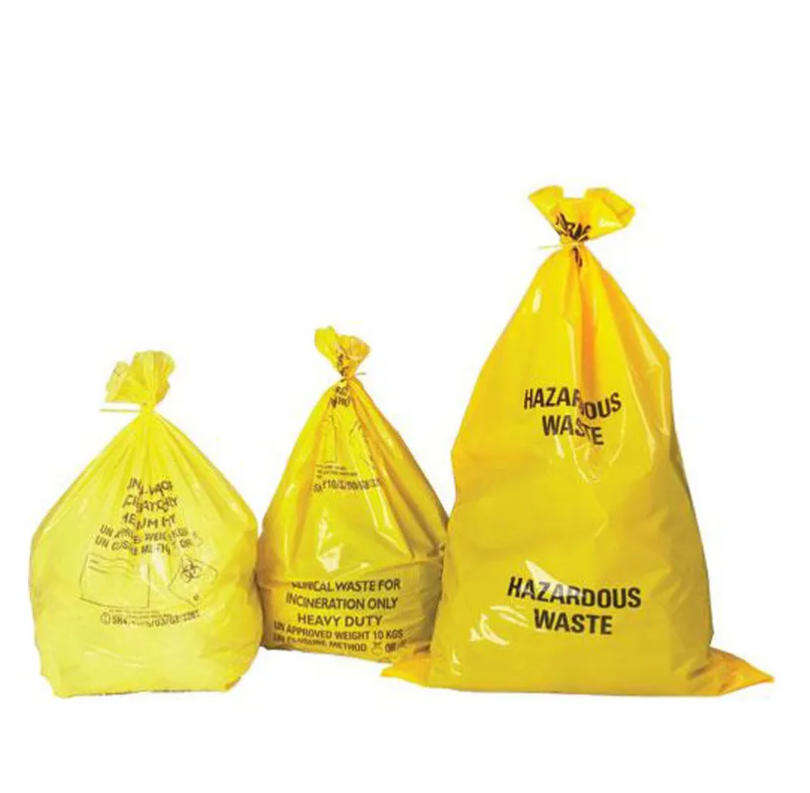
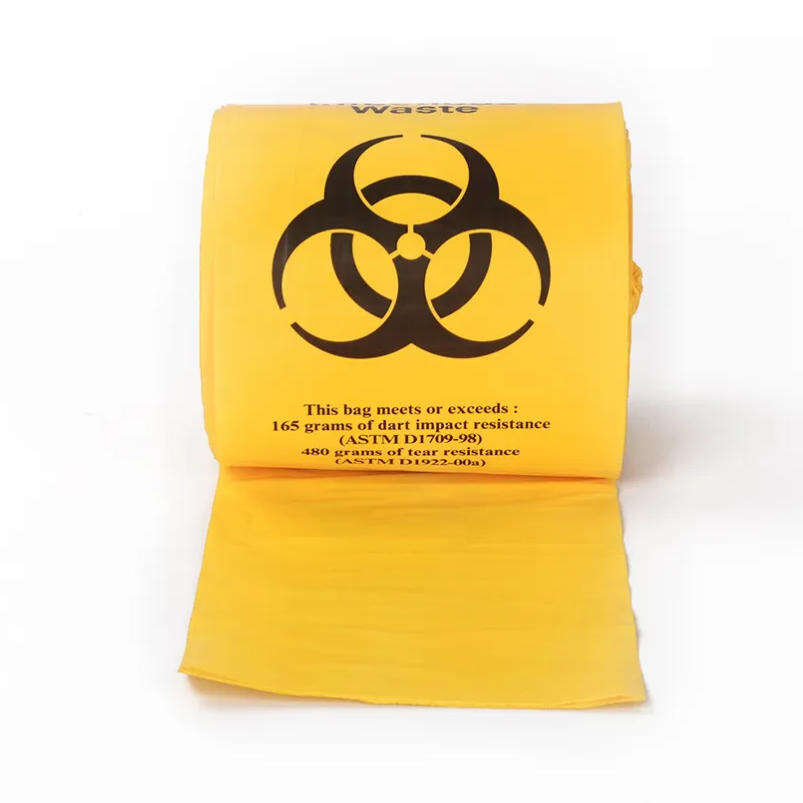
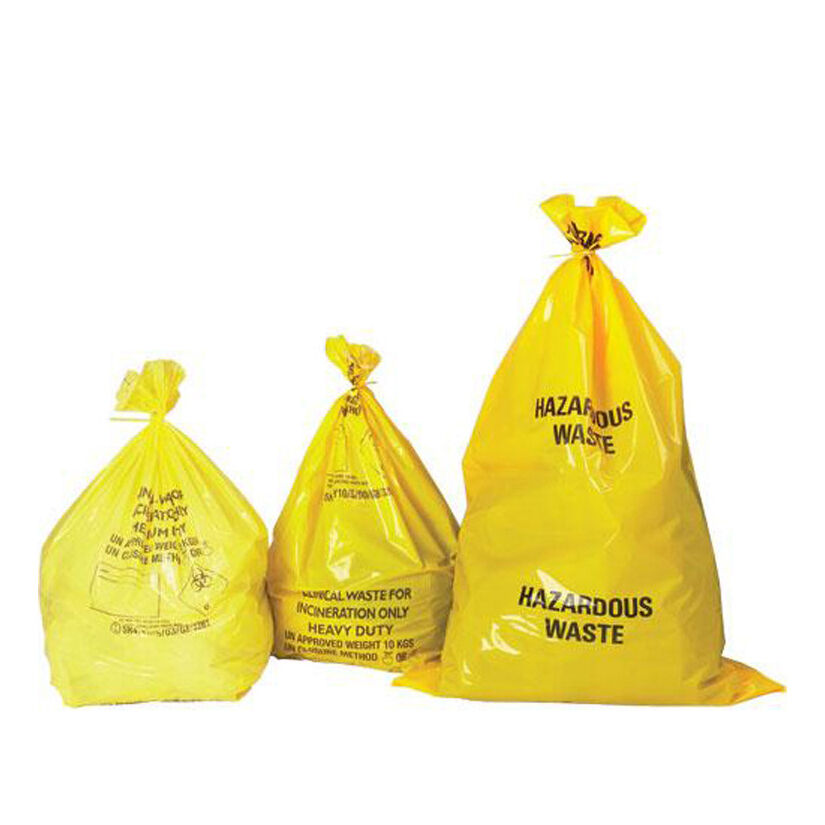
Biohazard trash bags are a specialized subset of biohazard packaging designed for the temporary collection and storage of small to medium volume biohazardous waste in settings with moderate waste generation, such as clinics, small hospitals, and research labs. Unlike large scale biohazard disposal bags used in industrial healthcare facilities, these trash bags are sized to fit standard trash bins (typically 12 to 20 gallon capacity) and feature user friendly designs for easy handling. They are made from durable HDPE with a thickness of 3 to 5 mil, providing sufficient resistance to punctures from items like small sharps (e.g., lancets) and preventing leakage of bodily fluids. The material is also treated to resist degradation from common disinfectants like ethanol and bleach, ensuring the bag maintains integrity during cleaning routines. Design features include drawstring closures or tie flaps, which allow for quick and secure sealing after filling—reducing the risk of exposure to hazardous contents. The bags are printed with the international biohazard symbol in a high contrast color (often red or orange) and basic handling instructions, making them recognizable even to staff with minimal training. Application scenarios include: in dental clinics, they collect used dental burs and contaminated saliva ejectors; in urgent care centers, they hold used syringes and wound dressings from minor procedures; in school science labs, they contain small amounts of biological waste like frog dissection remains. A real world example is a chain of family clinics with 15 locations that standardized on these biohazard trash bags. The drawstring design simplified waste sealing for nurses, and the 4 mil HDPE material reduced instances of bag tears during transport to the central waste collection area. Over six months, the clinics reported a 30% decrease in staff complaints related to biohazard waste handling. For organizations with moderate biohazard waste needs, selecting bags that fit existing trash infrastructure and comply with local regulations is key. Interested parties can contact us to discuss size compatibility, material durability, and how these bags can integrate into daily waste management workflows.
19
Jul
30
Sep
10
Oct
10
Oct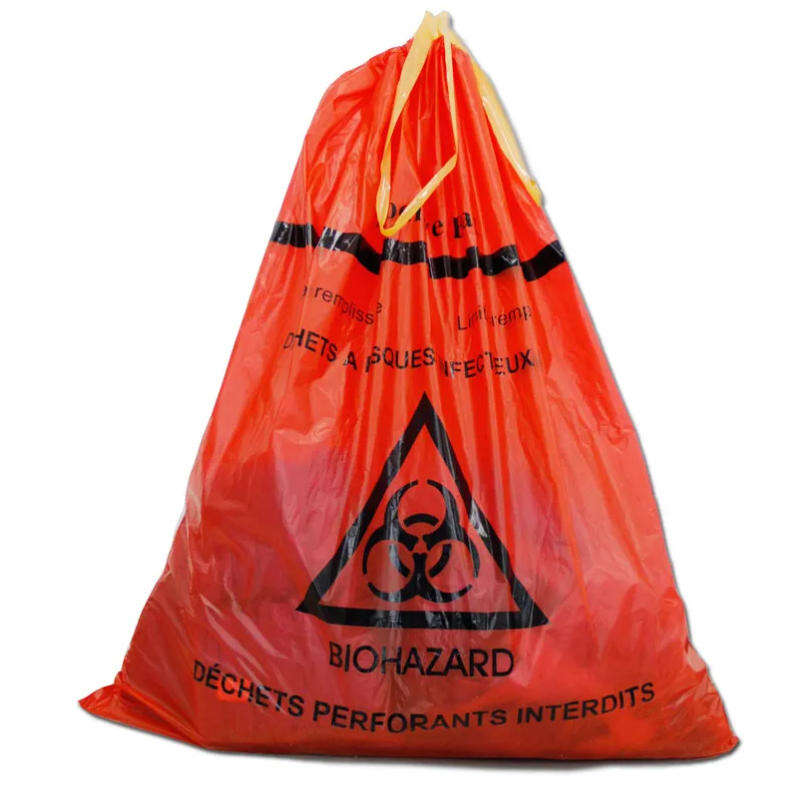

Xiamen Richer Plastic Co.,Ltd. provides custom plastic manufacturing solutions for industrial applications. Our precision molding and sustainable processes deliver high-quality components. Trusted by global partners. Contact us today.
4F,Bldg 3 Aviation Free Trade Plaza,No.422 Gaoqi North Rd.,Huli District,Xiamen,361011,China
Copyright © 2025 by Xiamen Richer Plastic Co.,Ltd. Privacy Policy
 EN
EN