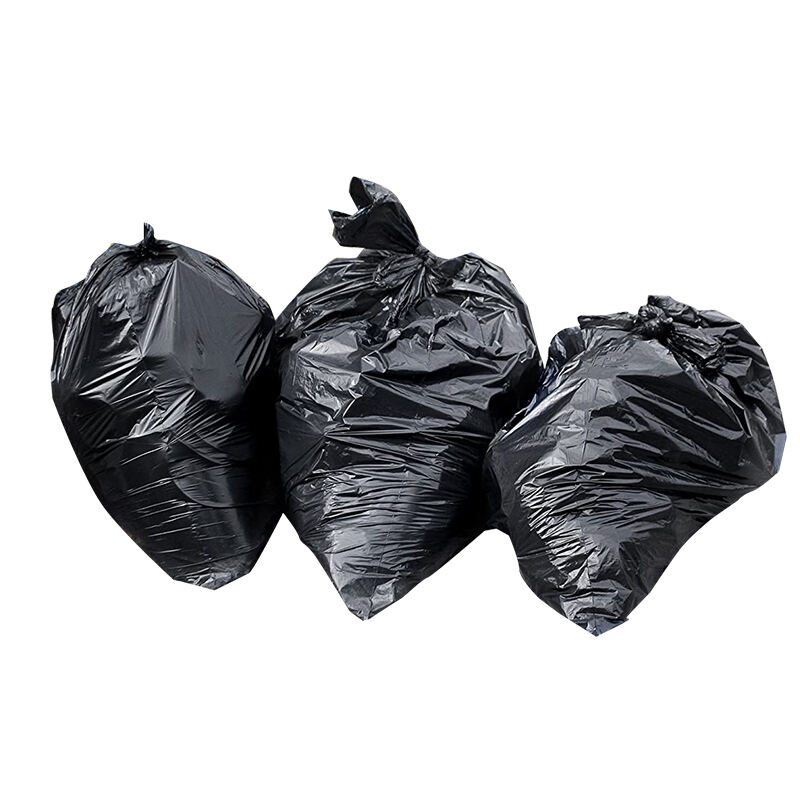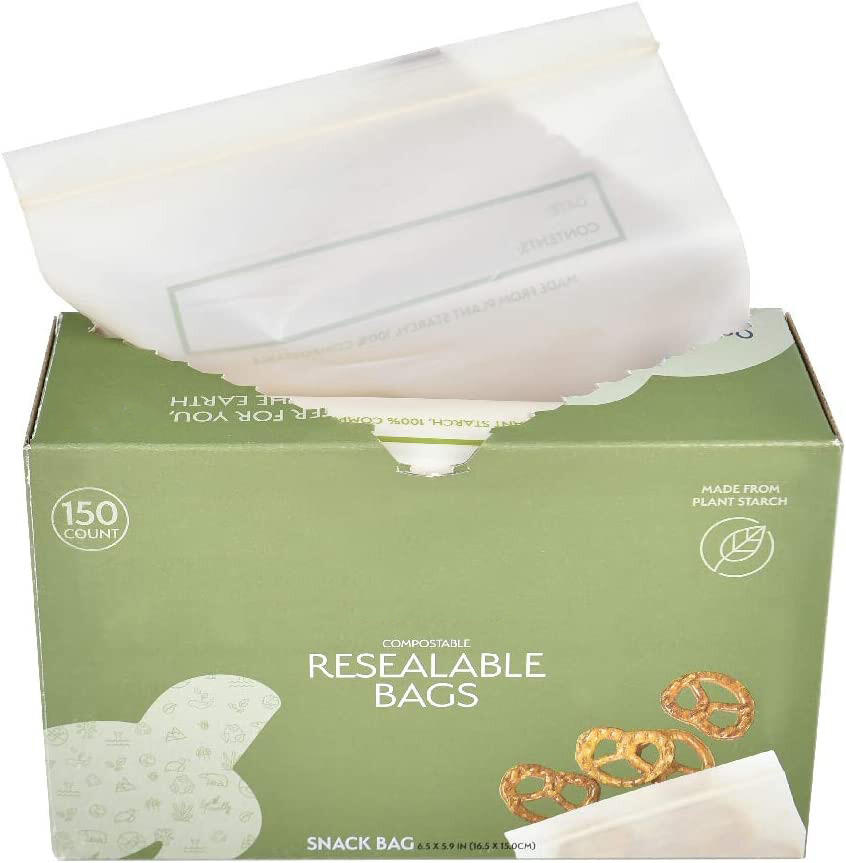
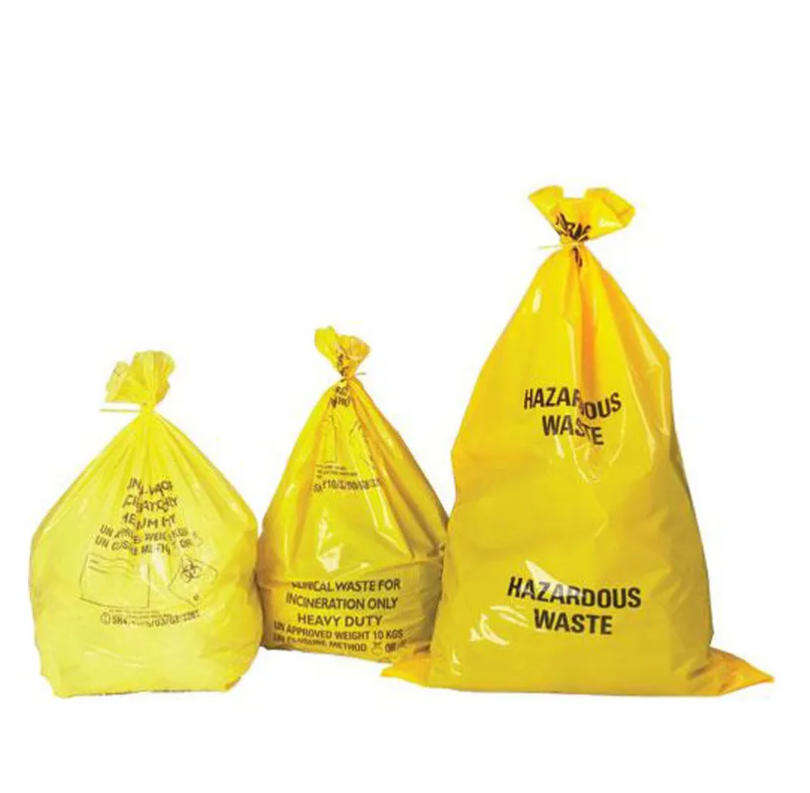
Bread bags are fundamental packaging solutions designed to protect bread during transportation, storage, and display, while maintaining its freshness, texture, and quality from production to consumption. These versatile bags are available in a diverse range of materials, each selected to address specific bread types and functional requirements. Common materials include polyethylene (PE) films, valued for their durability, moisture resistance, and clarity; polypropylene (PP) with micro-perforations, which balances breathability and moisture retention for crusty breads; and kraft paper, offering natural ventilation and a sustainable aesthetic. Emerging eco-friendly options include biodegradable blends of PLA, PBAT, and corn starch, which provide functionality while minimizing environmental impact. The design of bread bags incorporates features that enhance both preservation and usability. Resealable closures, such as zip-tops or adhesive strips, allow for multiple openings while maintaining freshness, extending the bread's shelf life after initial use. Transparent or windowed panels enable product visibility, important for retail display and consumer appeal, while opaque options may be used for light-sensitive bread varieties. For artisanal or specialty breads, customizable features like printed branding, ingredient information, and decorative finishes help communicate product value and brand identity. Safety is paramount, with all bread bag materials complying with strict food contact regulations, including FDA 21 CFR requirements and EU Regulation 10/2011. These standards ensure that no harmful substances migrate into the bread, even with prolonged contact. Bread bags serve essential roles across the supply chain, from bakeries and distribution centers to retail stores and home kitchens. Their versatility extends to various bread types, including sliced bread, rolls, baguettes, and artisanal loaves. For detailed information on material options, sizes, and customization possibilities to meet specific product needs, interested parties are encouraged to seek further consultation.

19
Jul
19
Jul
10
Oct
10
Oct

Xiamen Richer Plastic Co.,Ltd. provides custom plastic manufacturing solutions for industrial applications. Our precision molding and sustainable processes deliver high-quality components. Trusted by global partners. Contact us today.
4F,Bldg 3 Aviation Free Trade Plaza,No.422 Gaoqi North Rd.,Huli District,Xiamen,361011,China
Copyright © 2025 by Xiamen Richer Plastic Co.,Ltd. Privacy Policy
 EN
EN