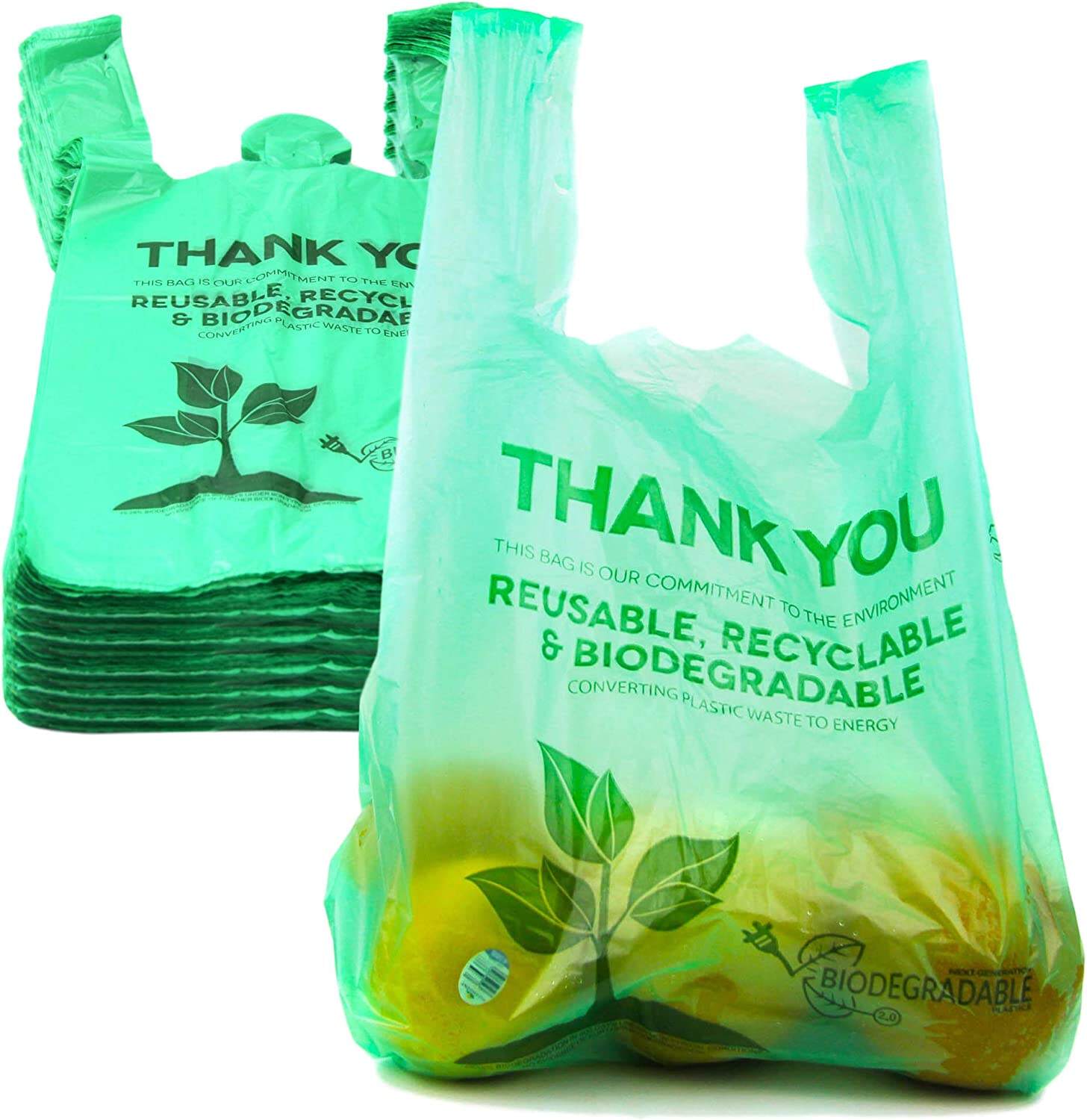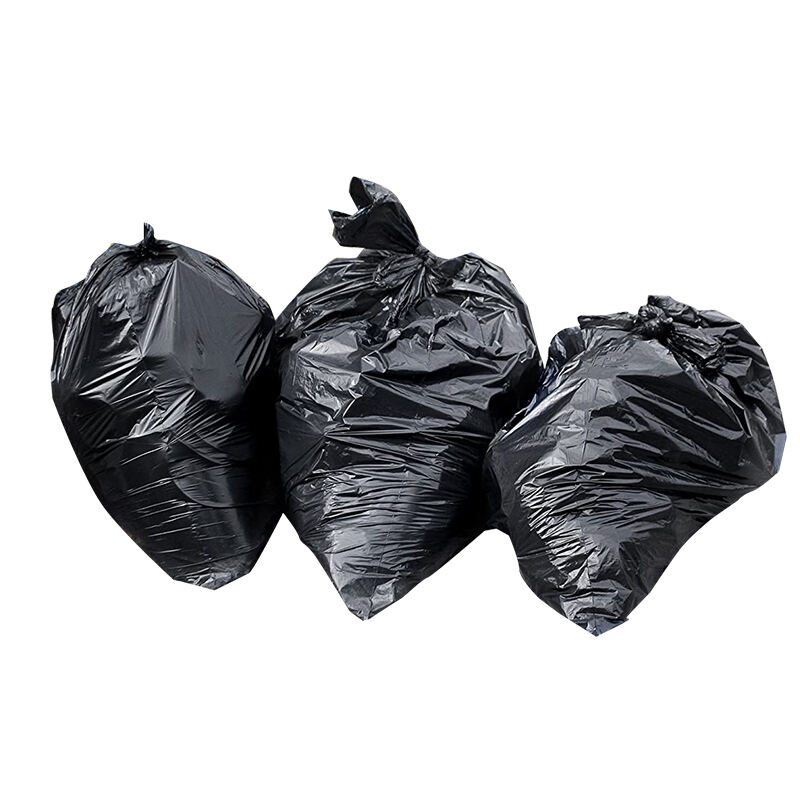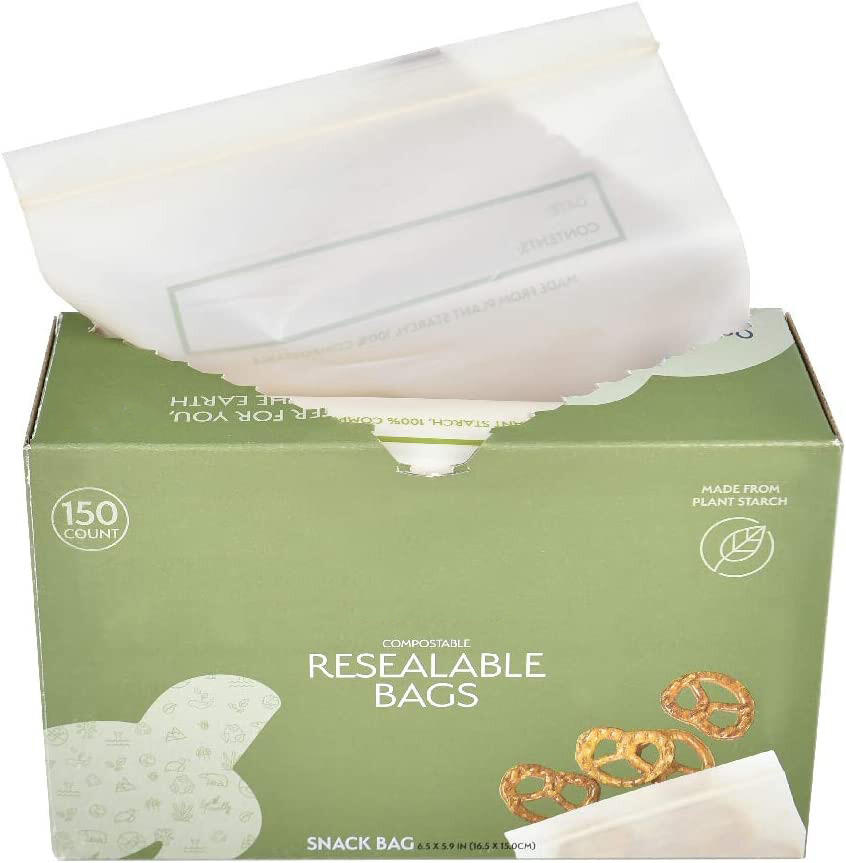
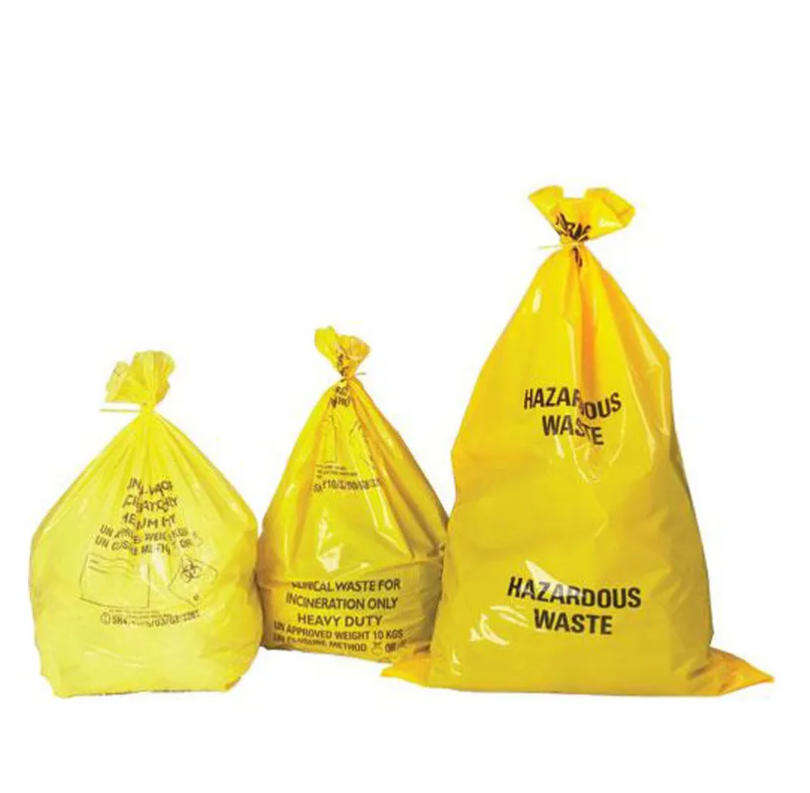
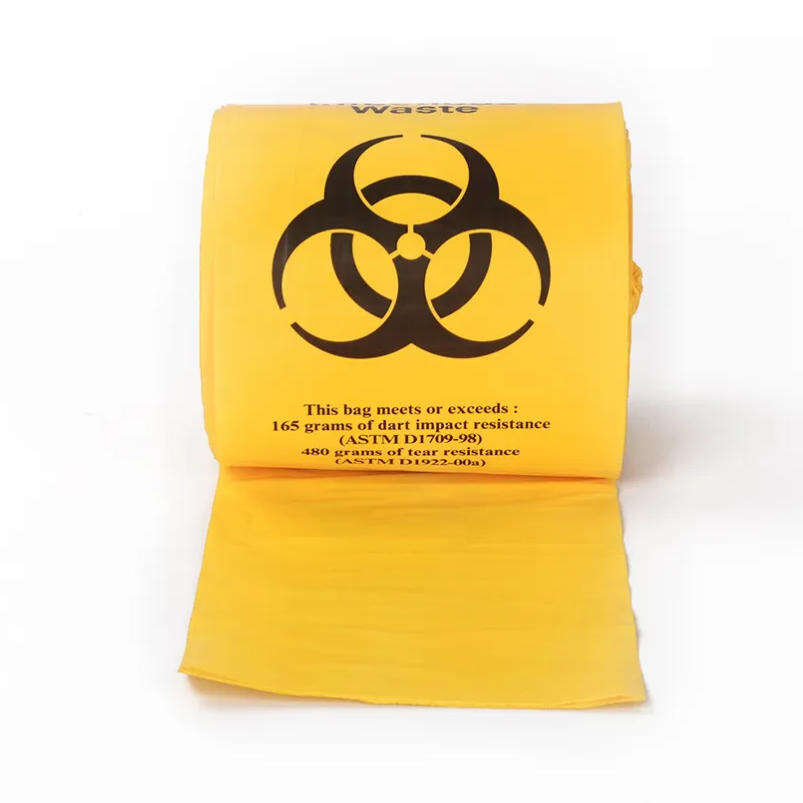
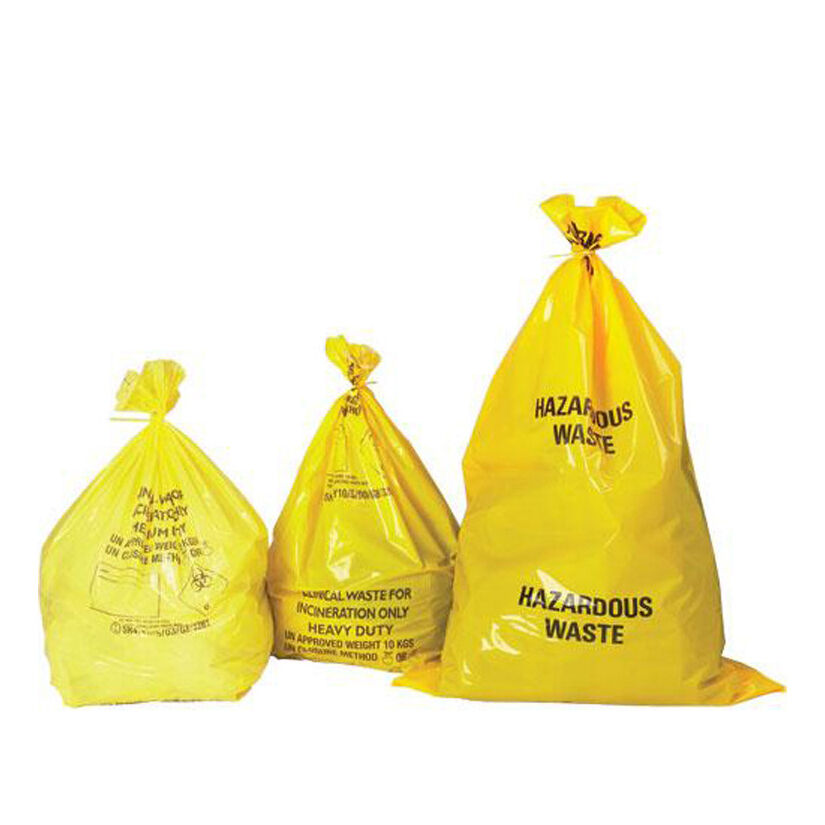
Bio medical waste disposal bags are specialized packaging designed exclusively for the containment and disposal of biomedical waste—a broad category that includes infectious waste (e.g., contaminated medical devices), pathological waste (e.g., human tissue), sharps waste (e.g., needles), pharmaceutical waste (e.g., expired drugs), and chemical waste (e.g., disinfectants). These bags are manufactured to meet stringent industry standards to ensure safety throughout the waste lifecycle, from generation in healthcare facilities to final treatment. Key standards include the US FDA’s 21 CFR Part 177 (for food contact materials, applicable to bags that may come into contact with biological fluids), the European Committee for Standardization’s EN 14126 (for protective clothing and equipment, including waste bags), and India’s Biomedical Waste Management Rules, 2016 (which specify color coding and material requirements for different waste types). Material selection for bio medical waste disposal bags is based on the type of waste they will contain. For infectious and pathological waste, HDPE bags with a thickness of 5 mil are commonly used, as they offer good puncture resistance and can withstand the weight of solid waste. For sharps waste, thicker bags (6 8 mil) made from cross linked HDPE are preferred—cross linking enhances the material’s tensile strength, making it more resistant to puncture by sharp objects. For pharmaceutical and chemical waste, bags made from LDPE are suitable, as LDPE has better chemical resistance to drugs and solvents compared to HDPE. All materials are non toxic and do not release harmful substances when in contact with biological fluids or during disposal (e.g., incineration). Design features of these bags are tailored to improve safety and usability. Many include a “tamper evident” closure system, such as a zip lock with a tear tab that shows if the bag has been opened after sealing—this is critical for waste that may contain sensitive or regulated materials. Some bags have a transparent window (made from food grade PP) that allows staff to visually inspect the contents without opening the bag, reducing the risk of exposure. Color coding is also a key design element: in addition to red for infectious waste, bio medical waste disposal bags may be yellow (for sharps), blue (for pharmaceutical waste), or green (for non infectious biomedical waste), depending on local regulations. This color coding simplifies waste sorting and ensures that each waste type is sent to the correct treatment facility. Application examples include a large teaching hospital that uses yellow bio medical waste disposal bags for sharps collection in its nursing units. The 7 mil cross linked HDPE material has reduced sharps related injuries among staff by 35% compared to previous thinner bags. Another example is a community pharmacy that uses blue bags for expired prescription drugs, ensuring compliance with the DEA’s (Drug Enforcement Administration) regulations for controlled substance disposal. For healthcare facilities, laboratories, or pharmacies seeking to select the right bio medical waste disposal bags, evaluating waste type, local regulatory requirements, and handling procedures is essential, and interested parties are encouraged to contact us for a comprehensive needs assessment and product recommendations.

19
Jul
10
Oct
10
Oct
10
Oct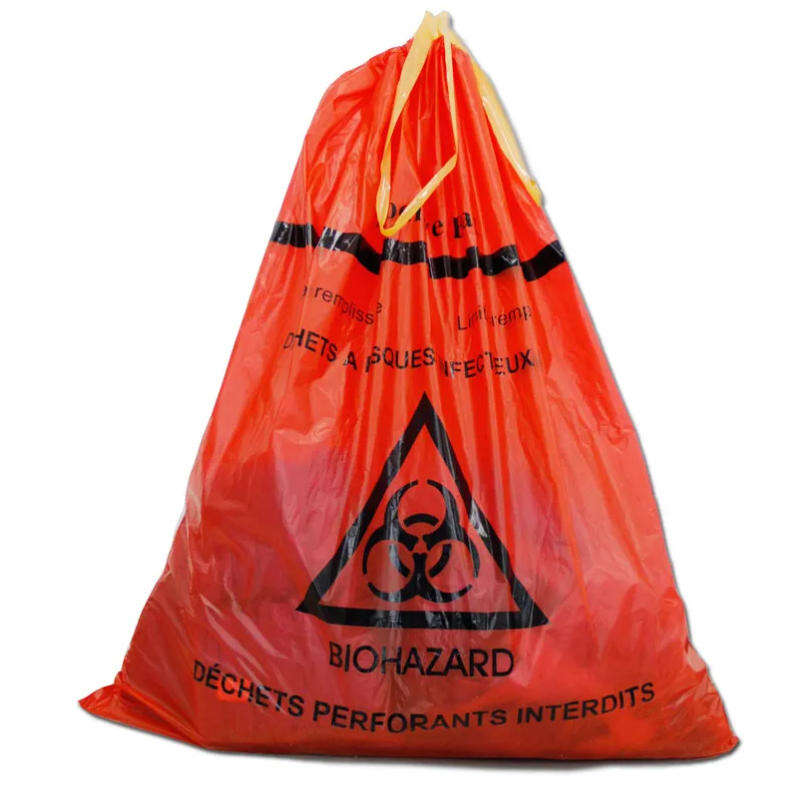

Xiamen Richer Plastic Co.,Ltd. provides custom plastic manufacturing solutions for industrial applications. Our precision molding and sustainable processes deliver high-quality components. Trusted by global partners. Contact us today.
4F,Bldg 3 Aviation Free Trade Plaza,No.422 Gaoqi North Rd.,Huli District,Xiamen,361011,China
Copyright © 2025 by Xiamen Richer Plastic Co.,Ltd. Privacy Policy
 EN
EN