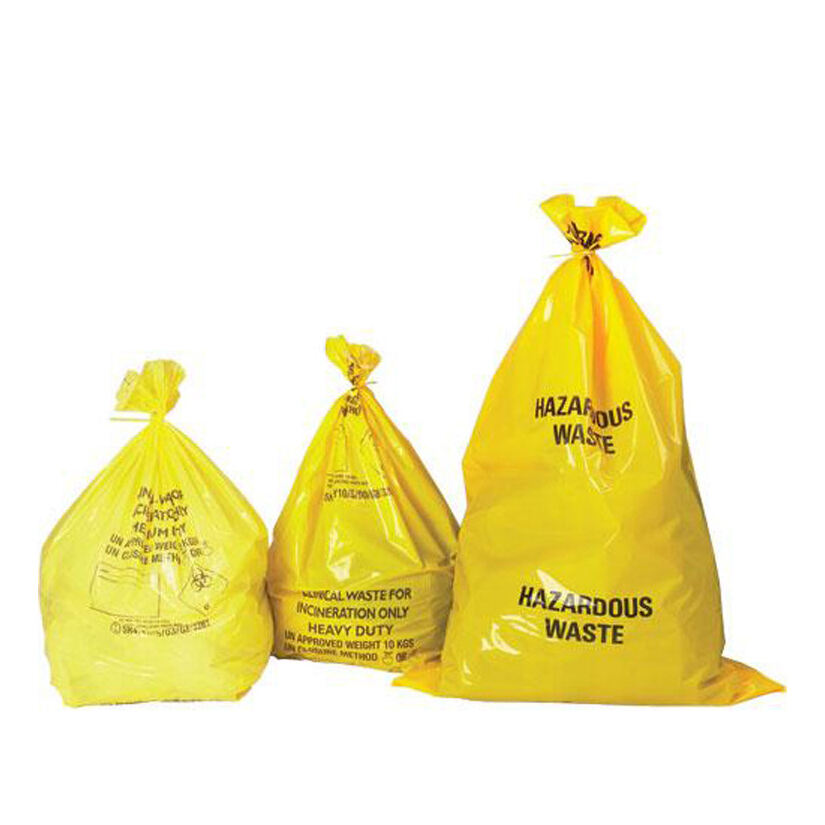
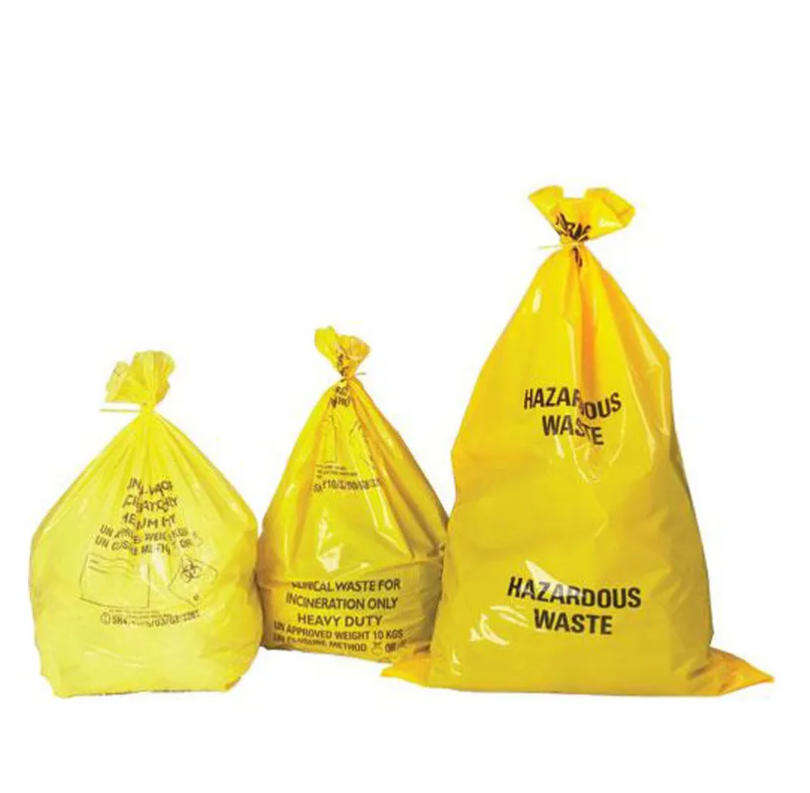
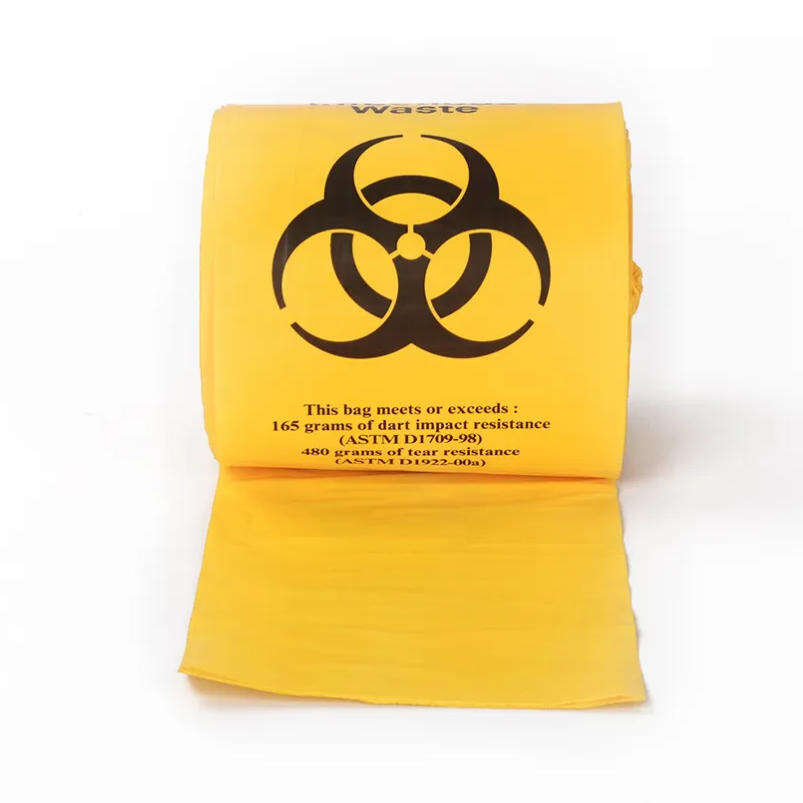
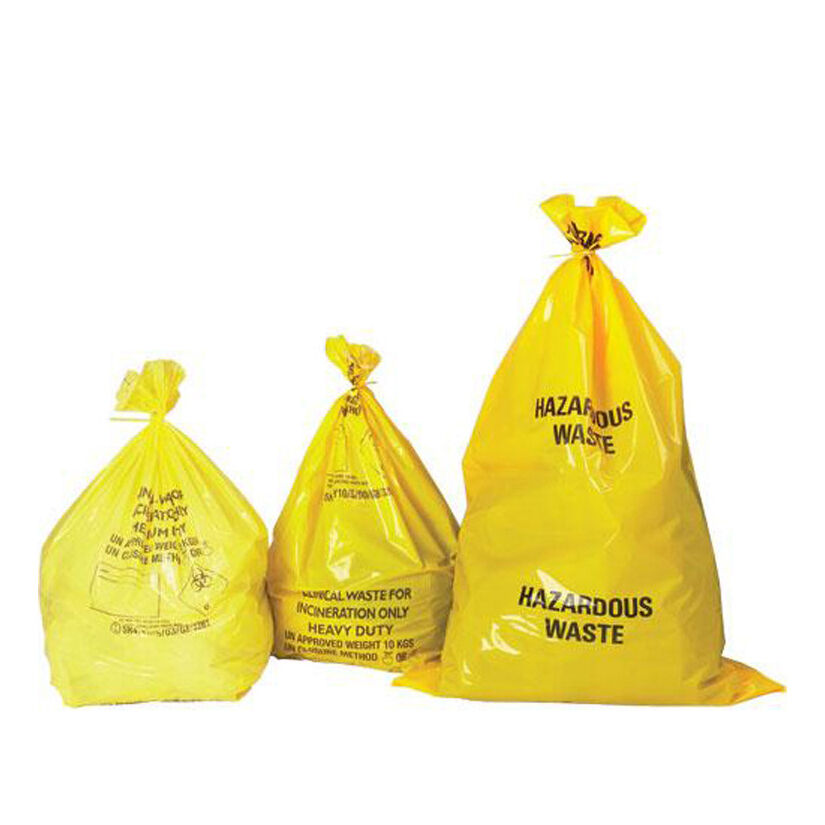
Biohazard bag is a broad term referring to any packaging designed to contain biohazardous waste—materials that pose a risk to human health or the environment due to contamination with infectious agents, bodily fluids, or pathogenic substances. These bags are manufactured to strict safety standards and are available in various materials, sizes, and designs to meet diverse application needs. The most common base material is HDPE, chosen for its durability, puncture resistance, and compatibility with biological waste—HDPE does not react with blood, tissue, or common disinfectants. Thickness varies by use: 3 to 4 mil for small volume waste (e.g., clinic swabs), 5 to 7 mil for sharps or heavy waste (e.g., hospital dressings), and 8 mil for high risk waste (e.g., pathological tissue). Design features include high contrast biohazard symbols (printed in red, orange, or black) and mandatory safety labels such as “BIOHAZARD – FOR AUTHORIZED DISPOSAL ONLY” to ensure universal recognition. Closure systems range from tie flaps for single use to zip locks for repeated access (e.g., in labs where waste is added incrementally). Color coding is also a key design element, with red for general infectious waste, yellow for sharps, and brown for pathological waste—aligning with global regulatory standards. Application scenarios span multiple industries: in healthcare, they collect used medical devices and contaminated supplies; in research, they contain biological samples and lab waste; in veterinary care, they handle animal tissue and vaccination waste. A notable example is a global healthcare chain that standardized on biohazard bags across 50+ facilities. By using consistent material thickness and color coding, the chain simplified staff training and improved compliance with local regulations, reducing waste handling errors by 32%. For organizations seeking biohazard bags, matching the bag’s material, thickness, and design to the specific waste type and regulatory requirements is essential. Interested parties can contact us to discuss needs assessment, product specifications, and how to select the right biohazard bag for their operations.
19
Jul
10
Oct
10
Oct
10
Oct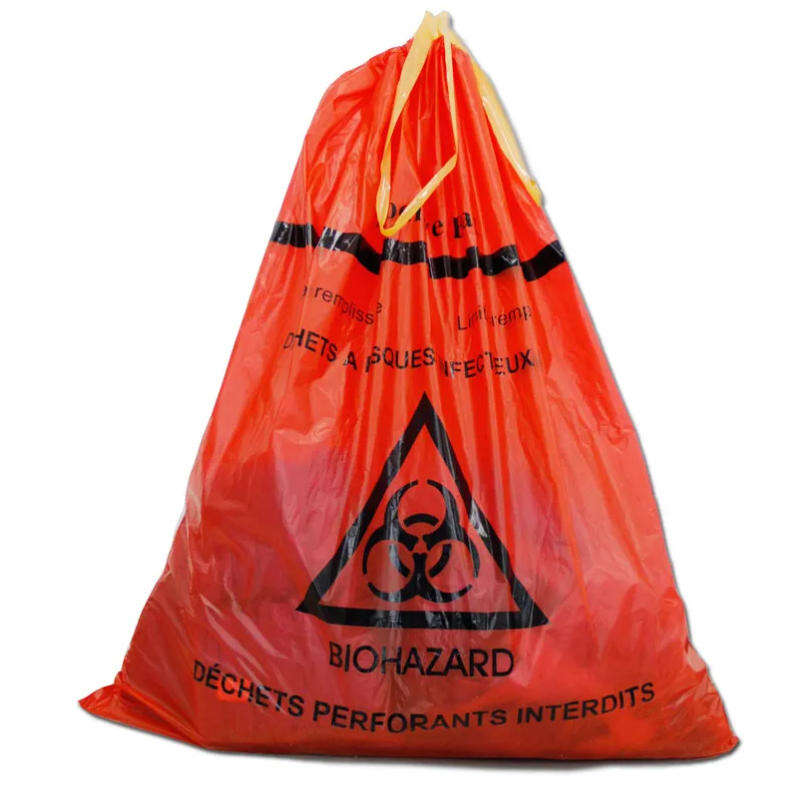

Xiamen Richer Plastic Co.,Ltd. provides custom plastic manufacturing solutions for industrial applications. Our precision molding and sustainable processes deliver high-quality components. Trusted by global partners. Contact us today.
4F,Bldg 3 Aviation Free Trade Plaza,No.422 Gaoqi North Rd.,Huli District,Xiamen,361011,China
Copyright © 2025 by Xiamen Richer Plastic Co.,Ltd. Privacy Policy
 EN
EN