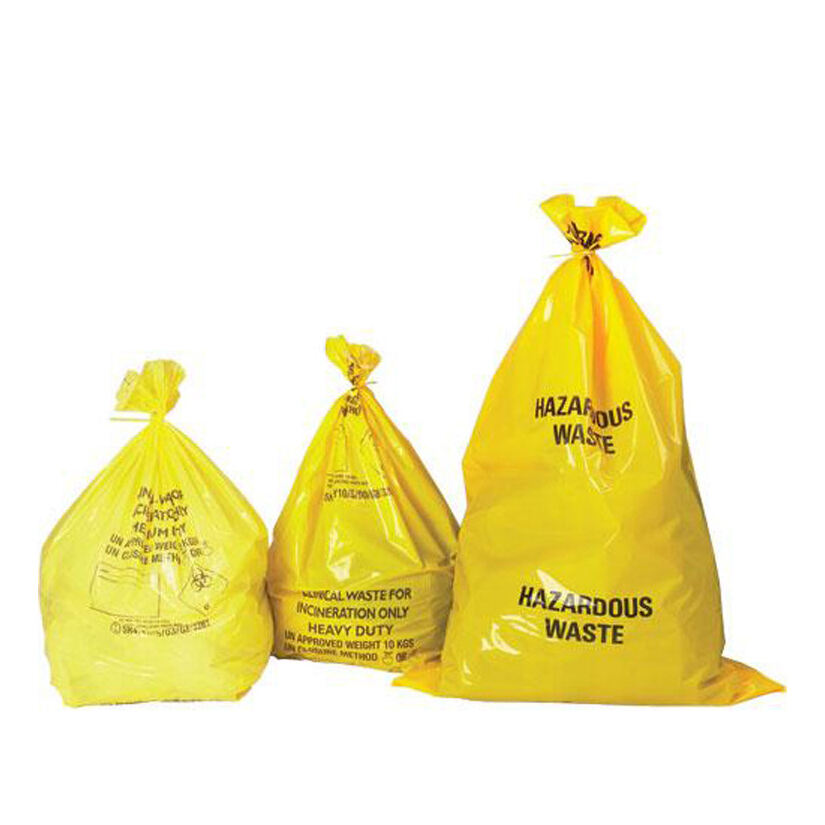
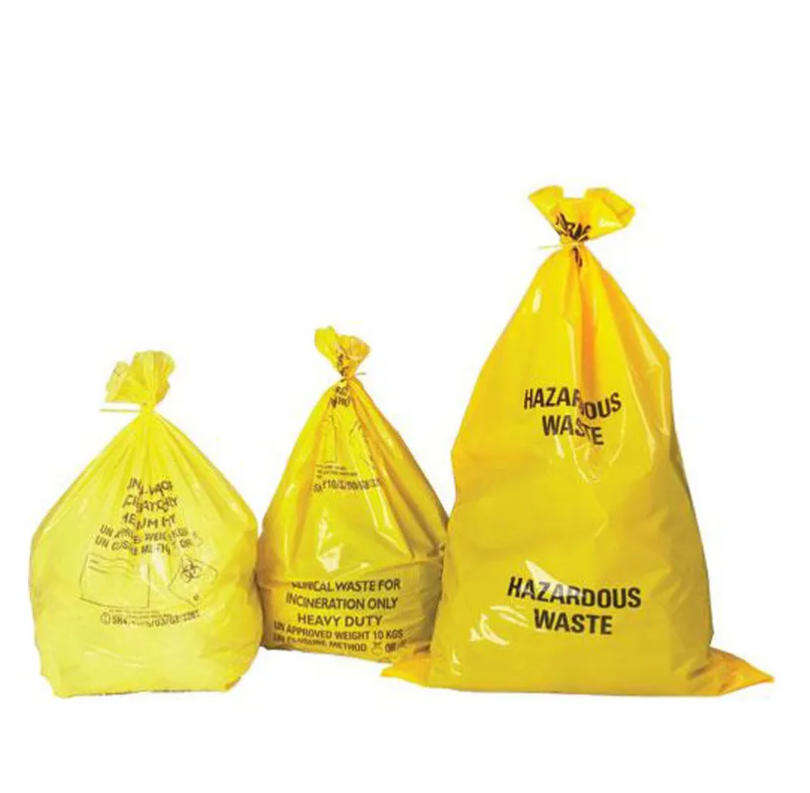
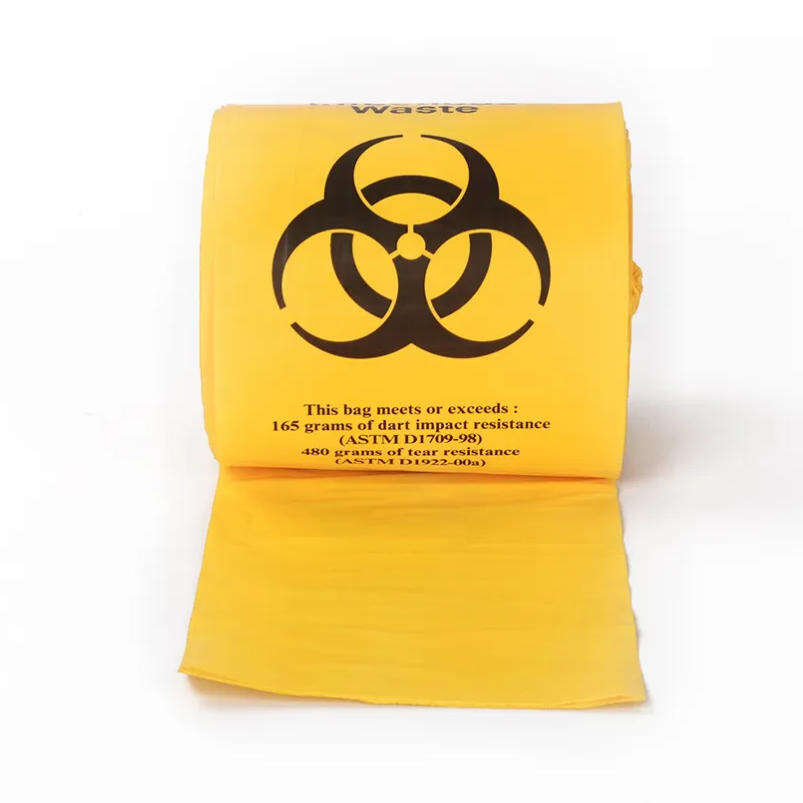
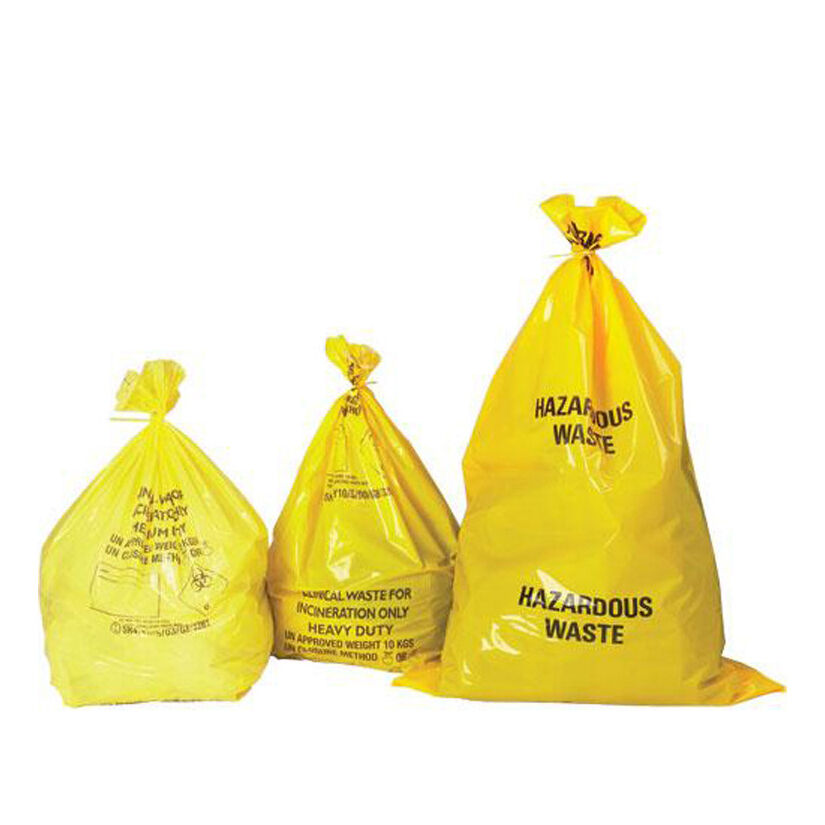
Biohazard plastic bag is a broad term referring to any plastic bag designed for the containment of biohazard waste, encompassing a wide range of types, materials, and sizes tailored to different applications. The primary characteristic that distinguishes these bags from standard plastic bags is their compliance with biohazard safety standards, which ensure they provide adequate protection against leakage, puncture, and the release of hazardous contents. The base material for most biohazard plastic bags is polyethylene (PE), which is chosen for its durability, flexibility, and compatibility with biological waste—PE does not react with blood, tissue, or common disinfectants, making it safe for direct contact with biohazard materials. There are several subtypes of biohazard plastic bags based on material variation: high density polyethylene (HDPE) bags are the most common, offering good puncture resistance and strength, and are used for solid biohazard waste (e.g., contaminated gloves, swabs); low density polyethylene (LDPE) bags are more flexible and have better chemical resistance, making them suitable for liquid or semi liquid waste (e.g., blood, cell culture media); polypropylene (PP) bags are heat resistant and autoclavable, used for waste that requires sterilization before disposal; and composite plastic bags (e.g., HDPE LDPE blends) combine the properties of multiple materials, offering enhanced performance for mixed waste types (e.g., solid waste with small amounts of liquid). Thickness varies by subtype: HDPE bags range from 4 to 8 mil, LDPE bags from 3 to 5 mil, and PP bags from 5 to 7 mil. Design elements of biohazard plastic bags are standardized to ensure global recognition and safe use. The international biohazard symbol (a red or orange circle with a white symbol) is printed on at least one side of the bag, along with mandatory safety text such as “BIOHAZARD” and “PROPER DISPOSAL REQUIRED.” The bags may also include additional design features based on application: resealable zippers for repeated access (e.g., in labs where waste is added incrementally), reinforced bottoms to prevent splitting under weight (e.g., for large hospital waste bags), and transparent panels to inspect contents (e.g., in clinics to verify waste type). Sizes range from micro bags (10x12 cm) for small lab samples to industrial sized bags (100x120 cm) for bulk waste collection in hospitals. Application scenarios for biohazard plastic bags are found in nearly all sectors that generate biohazard waste. In emergency medical services (EMS), paramedics use small HDPE biohazard plastic bags to collect used endotracheal tubes and defibrillator pads at accident scenes. In food testing labs, LDPE bags contain food samples contaminated with pathogens (e.g., Salmonella, E. coli) after testing. In mortuaries, thick HDPE bags (8 mil) are used to contain human remains that may pose a biological risk (e.g., deaths from infectious diseases). A notable example is a disaster response team that used biohazard plastic bags during a flood relief effort to collect contaminated water samples and dispose of used medical supplies, preventing the spread of waterborne diseases. For organizations seeking to select biohazard plastic bags, it is important to match the bag’s material, thickness, and design to the specific type of biohazard waste and local regulatory requirements. Interested parties are welcome to contact us for product samples and technical specifications to ensure the selected bags meet their safety and operational needs.

19
Jul
10
Oct
10
Oct
10
Oct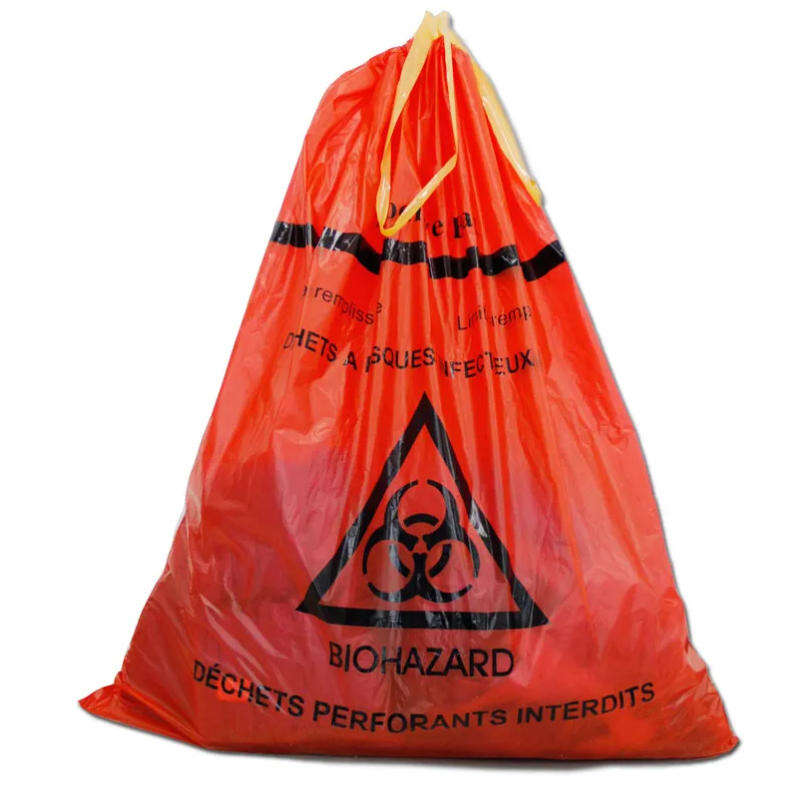

Xiamen Richer Plastic Co.,Ltd. provides custom plastic manufacturing solutions for industrial applications. Our precision molding and sustainable processes deliver high-quality components. Trusted by global partners. Contact us today.
4F,Bldg 3 Aviation Free Trade Plaza,No.422 Gaoqi North Rd.,Huli District,Xiamen,361011,China
Copyright © 2025 by Xiamen Richer Plastic Co.,Ltd. Privacy Policy
 EN
EN