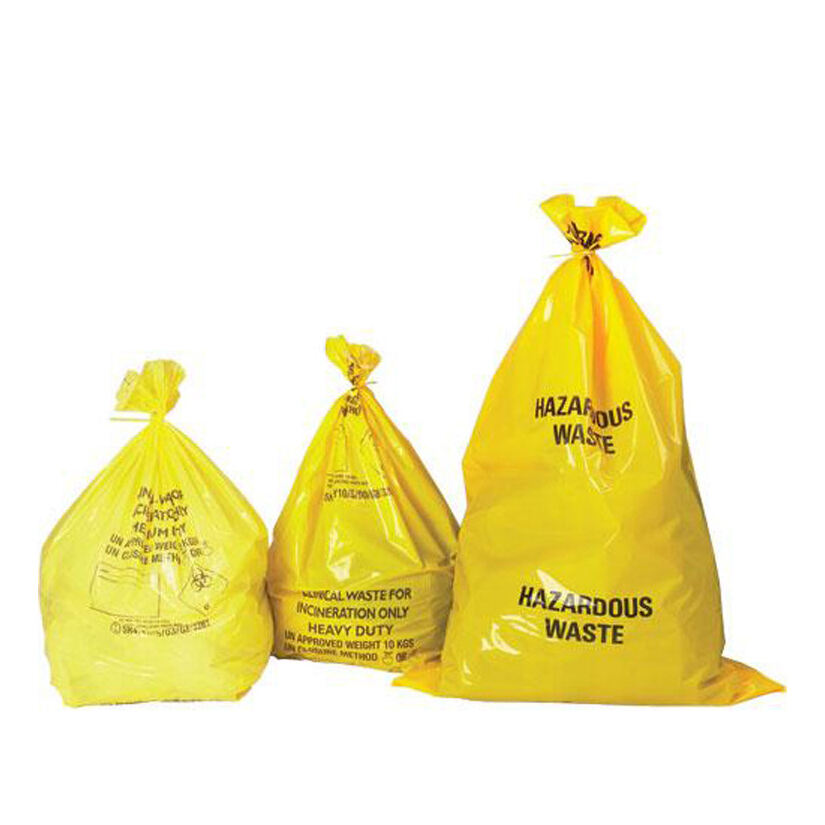
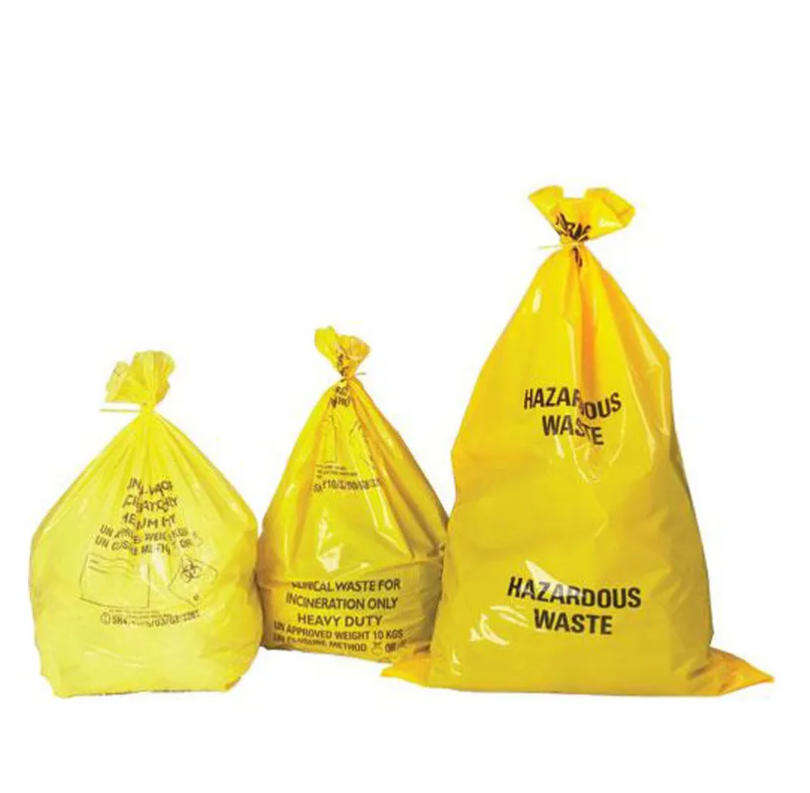
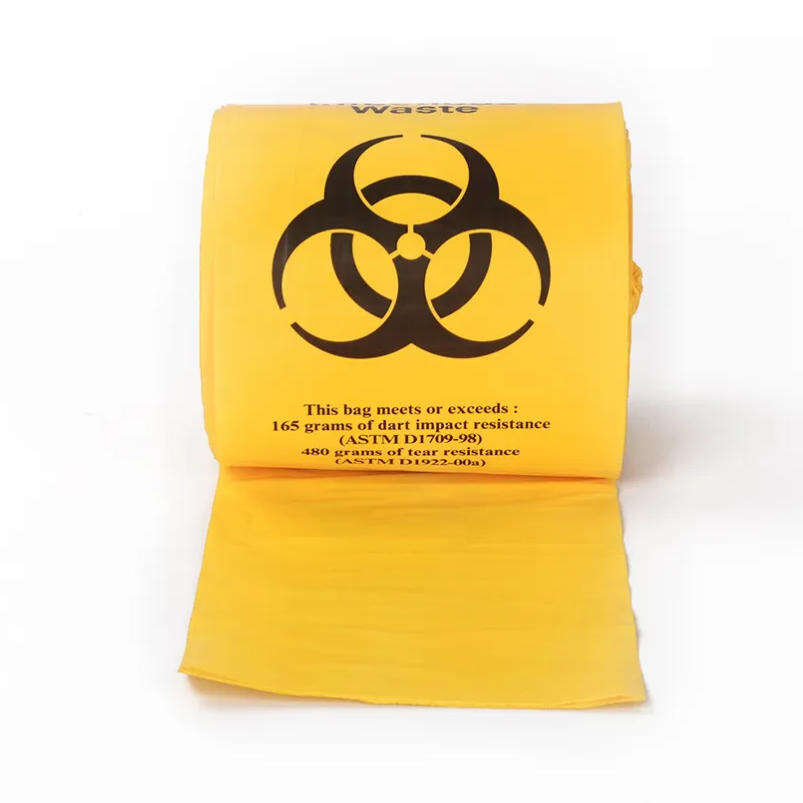
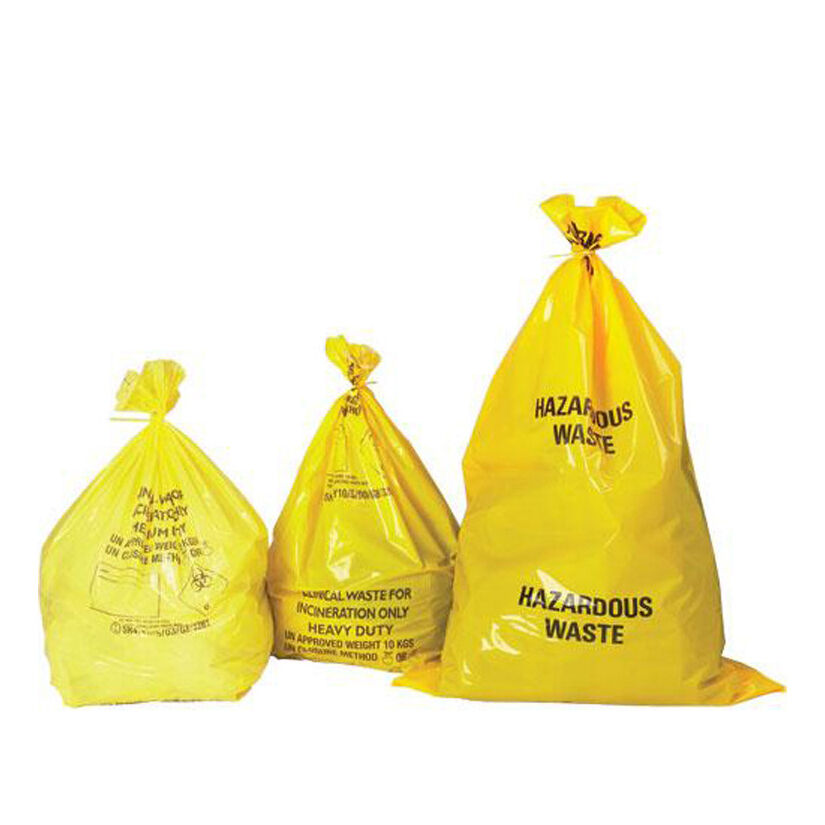
Biohazard bag red is a globally recognized color standard for biohazard waste packaging, chosen for its high visibility and universal association with danger, making it easy to distinguish from general waste bags and reducing the risk of accidental mishandling. The red color is achieved through the addition of food grade, non toxic colorants during the plastic extrusion process, ensuring that the color remains stable and does not fade even when exposed to UV light (for bags stored outdoors) or common disinfectants such as ethanol and bleach. This color stability is critical for maintaining visibility throughout the waste management chain, from collection in healthcare facilities to final disposal at licensed sites. Beyond color, these red biohazard bags are engineered with material properties tailored to biohazard waste containment. Most are made from HDPE with a thickness of 4 to 7 mil, providing a balance of flexibility and durability. The HDPE material offers excellent puncture resistance, which is essential for containing sharps like needles and broken glass, and good chemical resistance, protecting the bag from degradation when in contact with biological fluids (e.g., blood, urine) or cleaning agents. Some red biohazard bags also feature a multi layer construction, with an inner layer of LDPE (low density polyethylene) for enhanced leak proofing and an outer layer of HDPE for structural strength—this design is particularly effective for liquid or semi liquid waste. Design elements specific to red biohazard bags include the mandatory printing of the international biohazard symbol (a circular symbol with four pointed “protrusions”) in white, which provides high contrast against the red background and is recognizable across different cultures and languages. Many bags also include additional printed information, such as “DO NOT AUTOCLAVE” (for non autoclavable variants) or “INCINERATION ONLY” (for waste that requires high temperature disposal), to guide proper handling. Sizes range from small 15x25 cm bags for point of care waste (e.g., doctor’s office exam rooms) to large 60x80 cm bags for hospital ward waste collection. Application scenarios are widespread: in emergency departments, red biohazard bags collect contaminated trauma dressings and used IV catheters; in dental clinics, they contain extracted teeth and used dental burs; in forensic laboratories, they hold biological evidence waste (e.g., tissue samples, blood stains) that is no longer needed for analysis. A notable case is a multinational healthcare chain that standardized on red biohazard bags across all its facilities worldwide. This standardization simplified waste management training for staff (who often move between locations) and improved compliance with local regulations, as the red color and biohazard symbol are universally understood. For organizations looking to adopt red biohazard bags or confirm that their current bags meet global standards, verifying material specifications, color fastness, and print clarity is important, and interested parties are invited to contact us for detailed product testing reports and samples.

19
Jul
19
Jul
10
Oct
10
Oct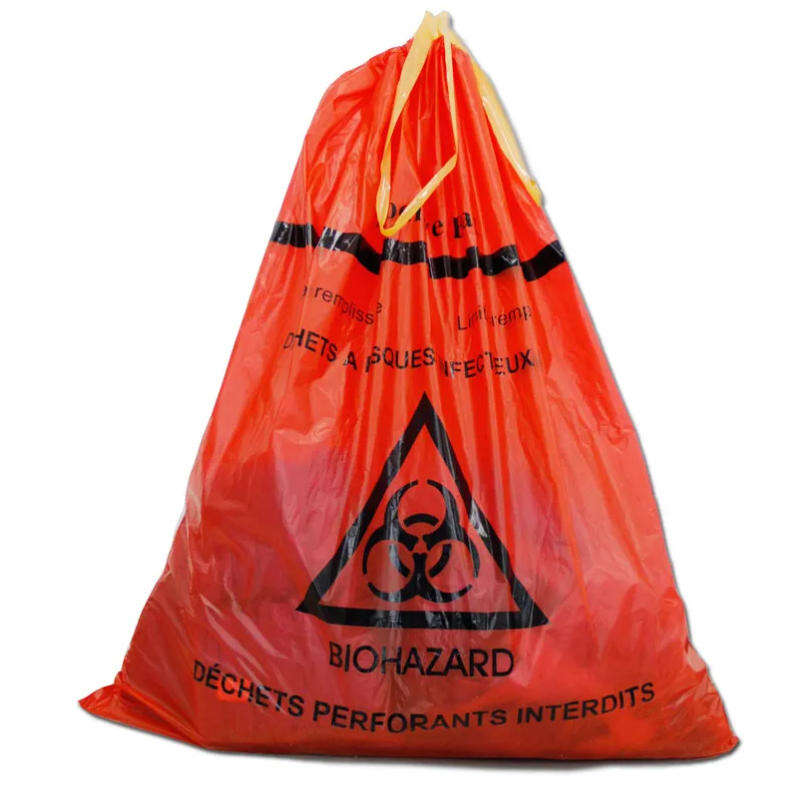

Xiamen Richer Plastic Co.,Ltd. provides custom plastic manufacturing solutions for industrial applications. Our precision molding and sustainable processes deliver high-quality components. Trusted by global partners. Contact us today.
4F,Bldg 3 Aviation Free Trade Plaza,No.422 Gaoqi North Rd.,Huli District,Xiamen,361011,China
Copyright © 2025 by Xiamen Richer Plastic Co.,Ltd. Privacy Policy
 EN
EN