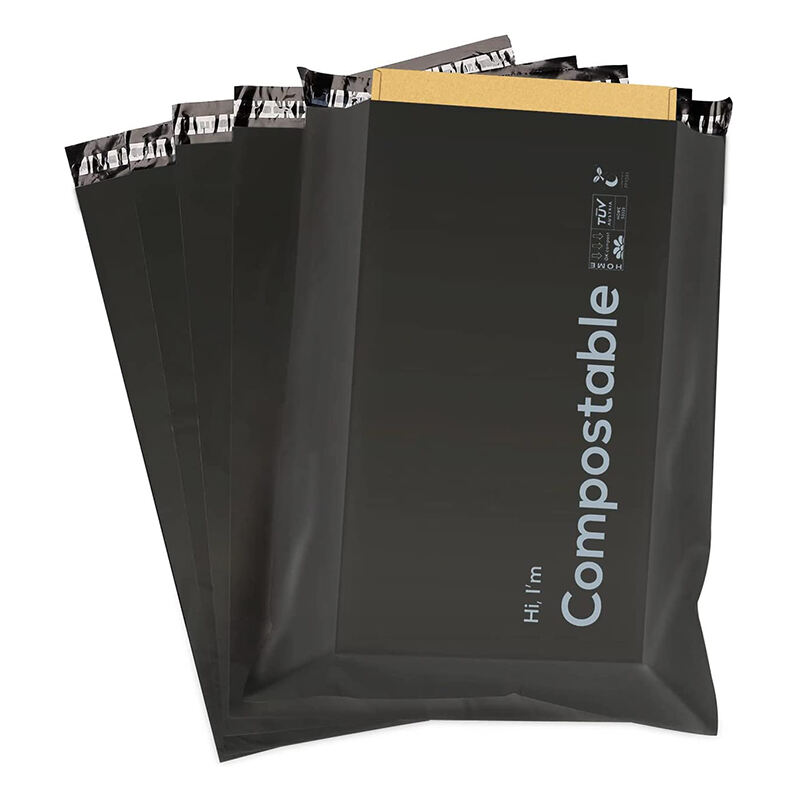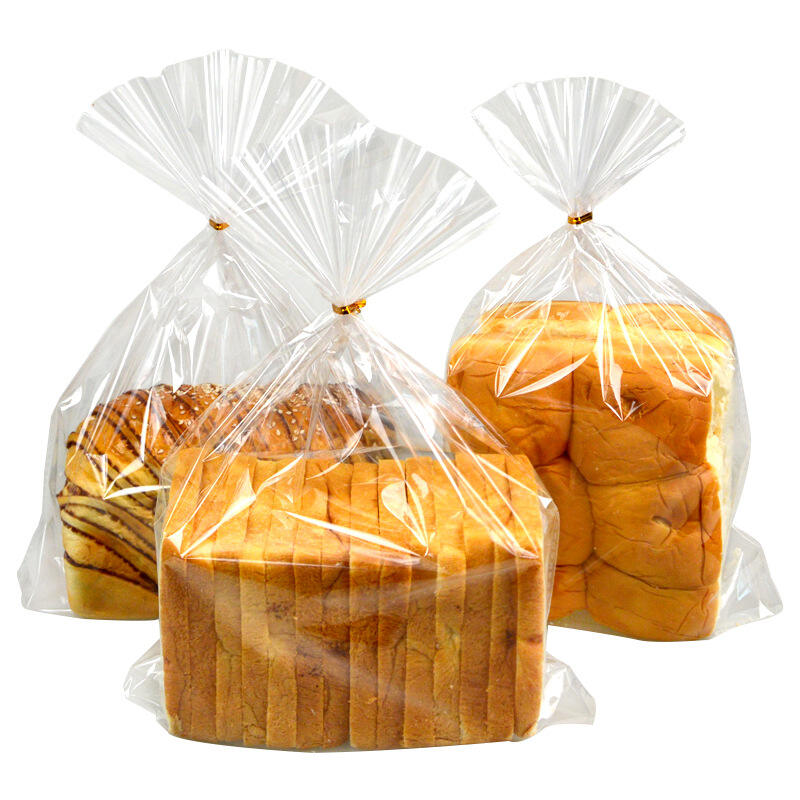
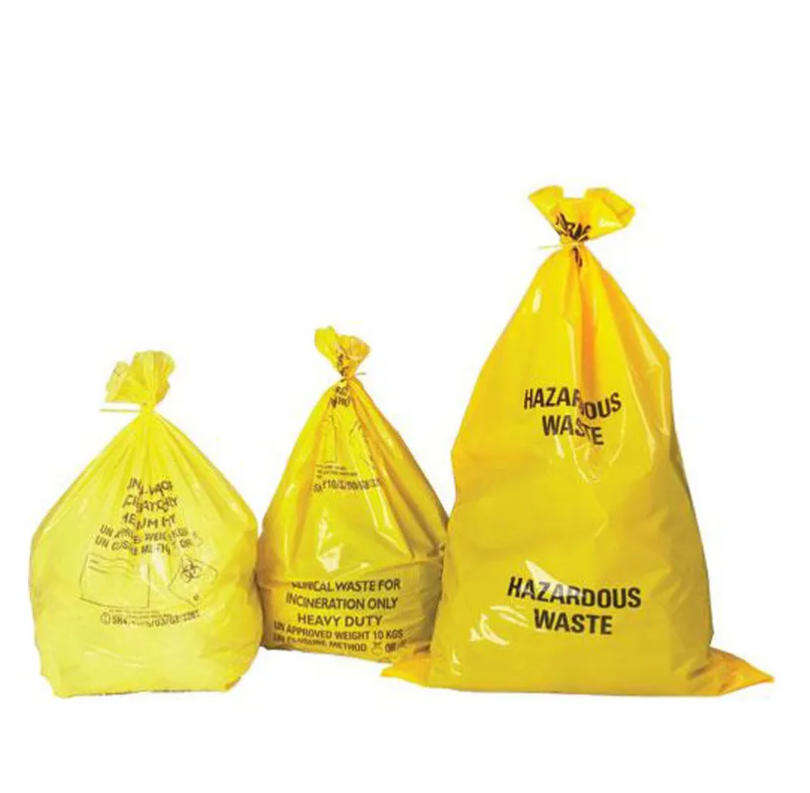
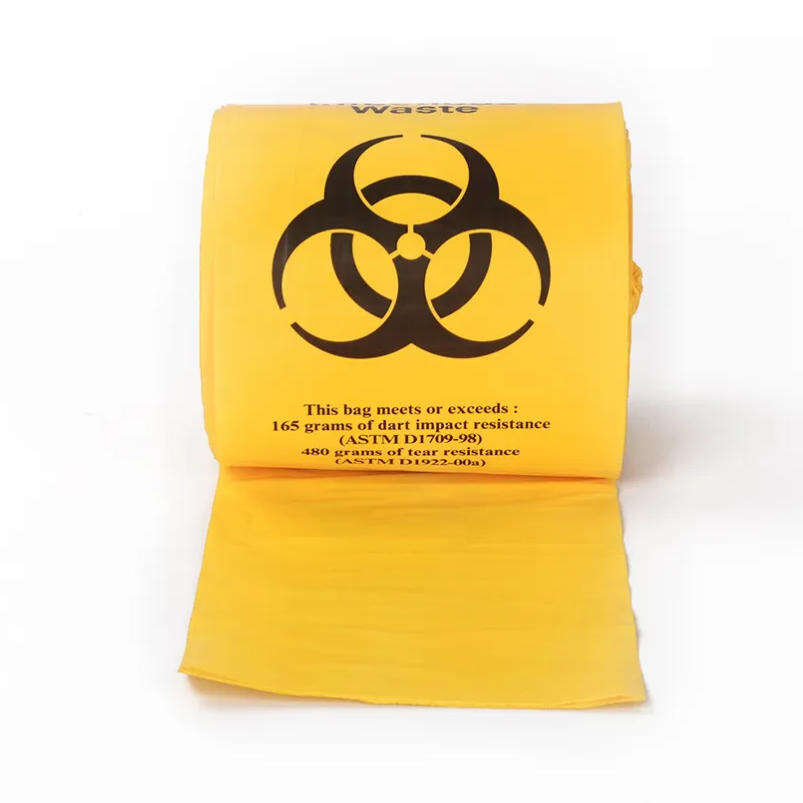
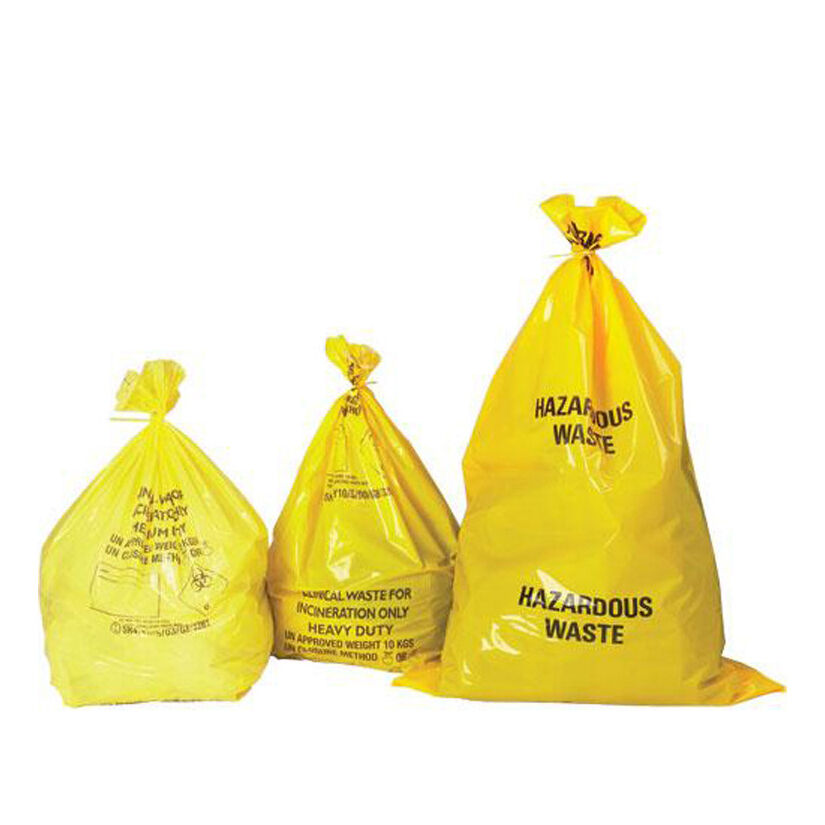
Bio waste bags are specialized packaging solutions designed for the containment and disposal of bio waste—organic waste that contains or may contain biological organisms, including microorganisms, plant matter, animal tissue, or human biological material. Unlike biohazard bags (which are limited to hazardous bio waste), bio waste bags cover a broader range of applications, including non hazardous bio waste (e.g., plant trimmings from a biology lab) and hazardous bio waste (e.g., infectious animal waste from a veterinary clinic). These bags are manufactured from a variety of materials to match the waste type and disposal method, with a focus on sustainability, safety, and compliance with local waste management regulations. Material options for bio waste bags include both traditional plastics and eco friendly alternatives. For non hazardous bio waste (e.g., food scraps from a hospital cafeteria, plant waste from a school lab), biodegradable materials such as PLA (polylactic acid, made from corn starch) or PBAT (polybutylene adipate terephthalate, a petroleum based biodegradable polymer) are commonly used. These materials break down into natural components (carbon dioxide, water) within 180 365 days in industrial composting facilities, reducing environmental impact. For hazardous bio waste (e.g., infectious animal tissue, contaminated lab samples), HDPE or LDPE is used—these materials provide the necessary puncture and leak resistance to contain pathogens, and can be incinerated without releasing toxic byproducts. Some bio waste bags also use recycled plastic, which reduces reliance on virgin materials and lowers carbon footprint. Design features of bio waste bags are tailored to their specific application. For compostable bio waste bags, the design is simple—typically flat top or drawstring closures, with minimal printing (using water based inks that are also compostable) to avoid contaminating the compost. For hazardous bio waste bags, design features include the biohazard symbol, printed safety instructions, and secure closures (tie, zip lock, or heat seal) to prevent leakage. Sizes range from small 20x25 cm bags for lab samples to large 80x100 cm bags for bulk agricultural bio waste (e.g., animal manure from a farm). Some bio waste bags are also designed for specific disposal methods: for example, bags used in anaerobic digestion facilities are made from materials that are resistant to the high temperatures and acidic conditions of the digestion process. Application scenarios for bio waste bags are diverse across industries. In agriculture, they are used to collect animal manure for composting or anaerobic digestion, converting the waste into fertilizer or biogas. In food processing plants, they contain food waste (e.g., vegetable peels, meat trimmings) that is sent to compost facilities. In environmental science labs, they collect soil samples containing microorganisms for testing, and then the bags (if biodegradable) are composted along with the samples after testing. In zoos, they contain animal waste from exhibits, with hazardous waste (e.g., waste from sick animals) in HDPE bags and non hazardous waste (e.g., waste from healthy herbivores) in compostable bags. A real world example is a large vegetable processing plant that switched to compostable bio waste bags for its food waste. The bags are filled with vegetable trimmings and sent to a local compost facility, where they break down completely, and the resulting compost is used to fertilize the plant’s own fields—creating a closed loop waste system. Another example is a wildlife rehabilitation center that uses HDPE bio waste bags for waste from animals with contagious diseases (e.g., avian influenza) and compostable bags for waste from healthy animals, ensuring both safety and environmental responsibility. When selecting bio waste bags, it is important to consider the waste type (hazardous vs. non hazardous), disposal method (composting, incineration, anaerobic digestion), and local regulations (e.g., compostable bag standards). For guidance on choosing the right bio waste bags for your industry and to learn about available sustainable options, please contact us—we can provide tailored solutions to meet your bio waste management goals.

19
Jul
19
Jul
10
Oct
10
Oct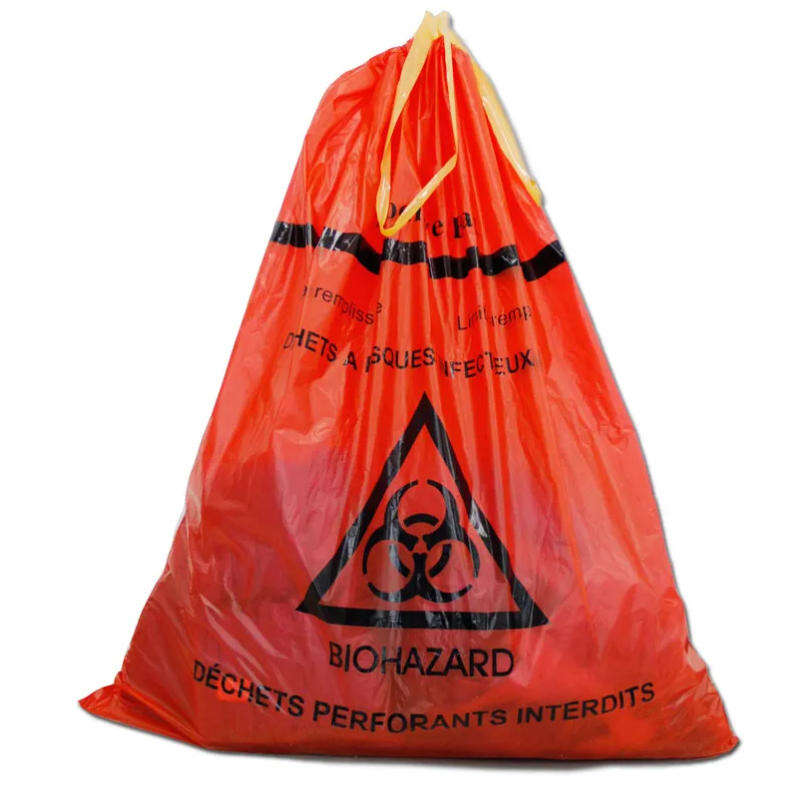

Xiamen Richer Plastic Co.,Ltd. provides custom plastic manufacturing solutions for industrial applications. Our precision molding and sustainable processes deliver high-quality components. Trusted by global partners. Contact us today.
4F,Bldg 3 Aviation Free Trade Plaza,No.422 Gaoqi North Rd.,Huli District,Xiamen,361011,China
Copyright © 2025 by Xiamen Richer Plastic Co.,Ltd. Privacy Policy
 EN
EN