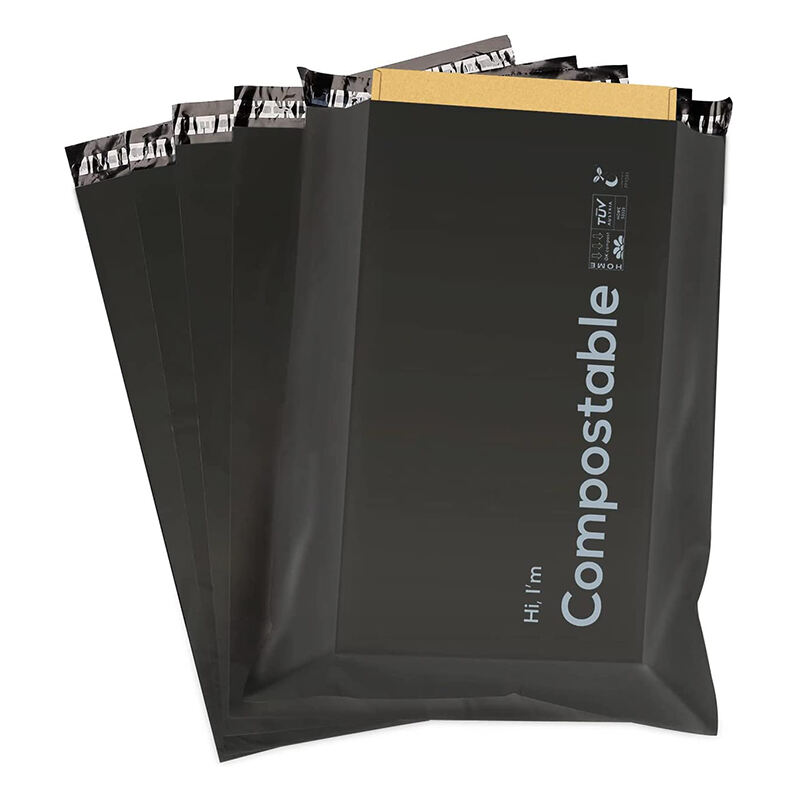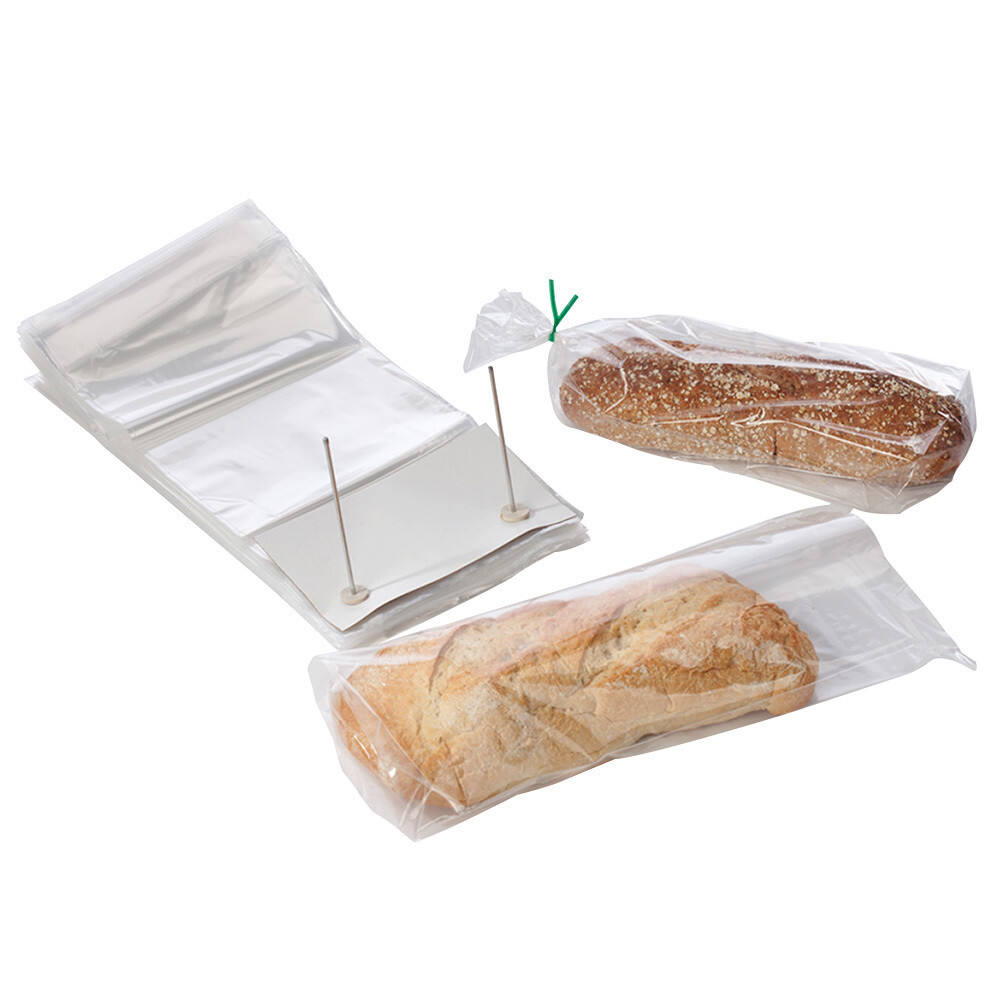
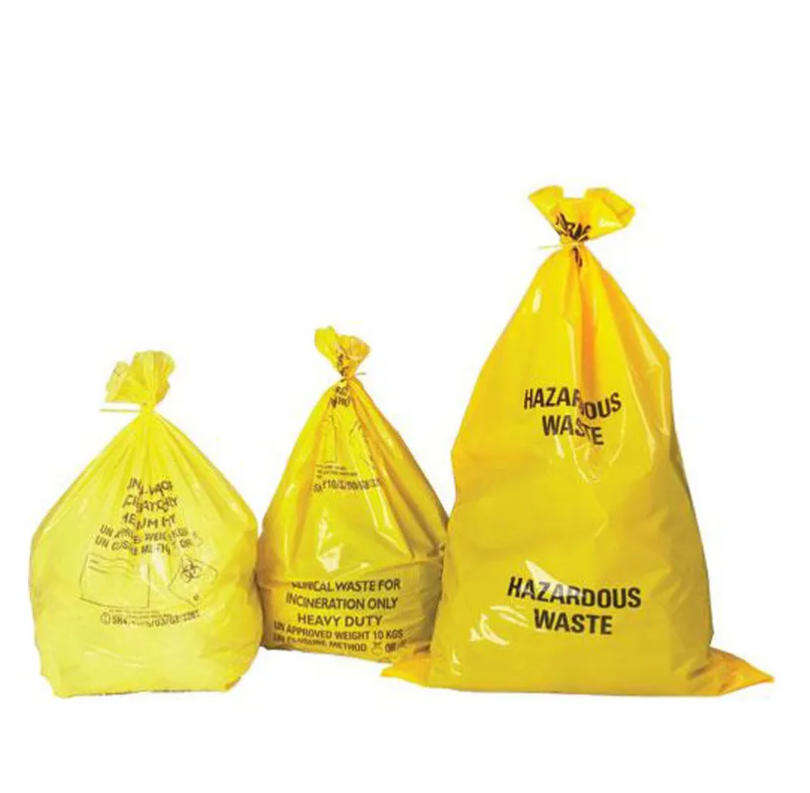
Bags for storing bread are essential tools for maintaining the freshness and quality of various bread types, from artisanal loaves to sliced sandwich bread, by regulating moisture, preventing mold growth, and protecting against external contaminants. These bags are available in a wide range of materials, each offering distinct benefits tailored to different storage needs and environmental preferences. Common materials include polyethylene (PE) films, which provide excellent moisture resistance and durability; polypropylene (PP) with micro-perforations, designed to balance breathability and moisture retention; and kraft paper, which offers natural ventilation and a sustainable image. Emerging options include biodegradable blends of PLA, PBAT, and corn starch, which combine functionality with environmental compatibility. The design of bread storage bags focuses on optimizing freshness retention through features like resealable closures, which allow for multiple openings while maintaining a secure seal, and specialized barrier layers that slow down staling processes. For crusty breads like sourdough, breathable materials or perforated designs are preferred to prevent moisture buildup that can soften the crust. For softer breads or sliced varieties, airtight seals help retain moisture and prevent drying out. Some bags incorporate active packaging technologies, such as oxygen absorbers or moisture-regulating sachets, which can extend shelf life by up to 50% compared to basic storage methods. Compliance with food safety standards is paramount, with all materials meeting FDA 21 CFR requirements and EU regulations for food contact. These standards ensure that no harmful substances migrate into the bread, even during extended storage. Application scenarios include home kitchens, bakeries, and food retail settings, where proper storage directly impacts product quality and customer satisfaction. Customization options, such as size variations, printed usage instructions, and branding elements, cater to both consumer and commercial needs. To explore specific solutions that best match individual bread types and storage requirements, further consultation is recommended.

19
Jul
19
Jul
10
Oct
10
Oct

Xiamen Richer Plastic Co.,Ltd. provides custom plastic manufacturing solutions for industrial applications. Our precision molding and sustainable processes deliver high-quality components. Trusted by global partners. Contact us today.
4F,Bldg 3 Aviation Free Trade Plaza,No.422 Gaoqi North Rd.,Huli District,Xiamen,361011,China
Copyright © 2025 by Xiamen Richer Plastic Co.,Ltd. Privacy Policy
 EN
EN