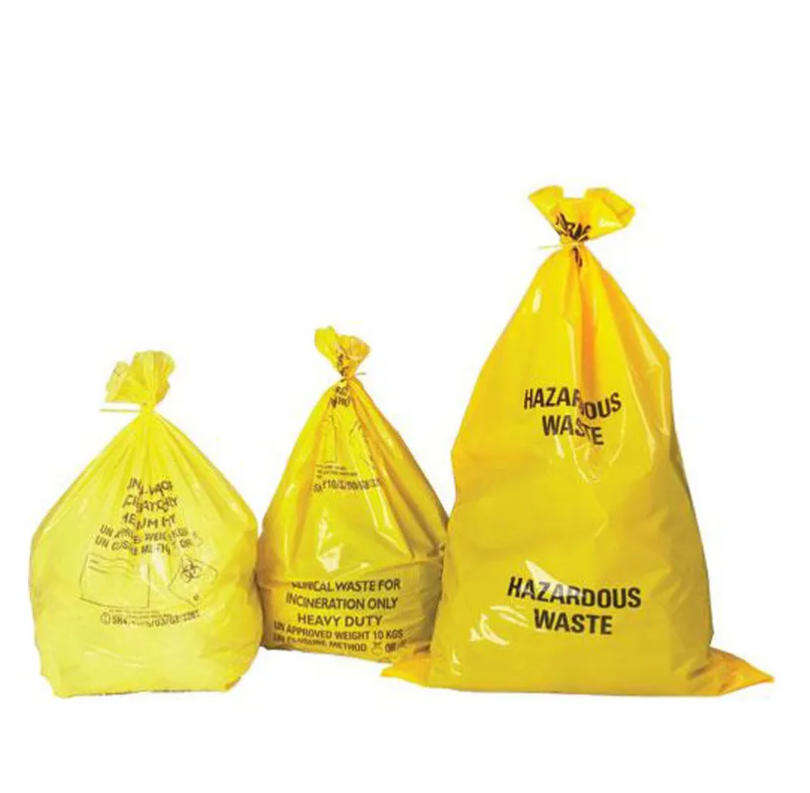
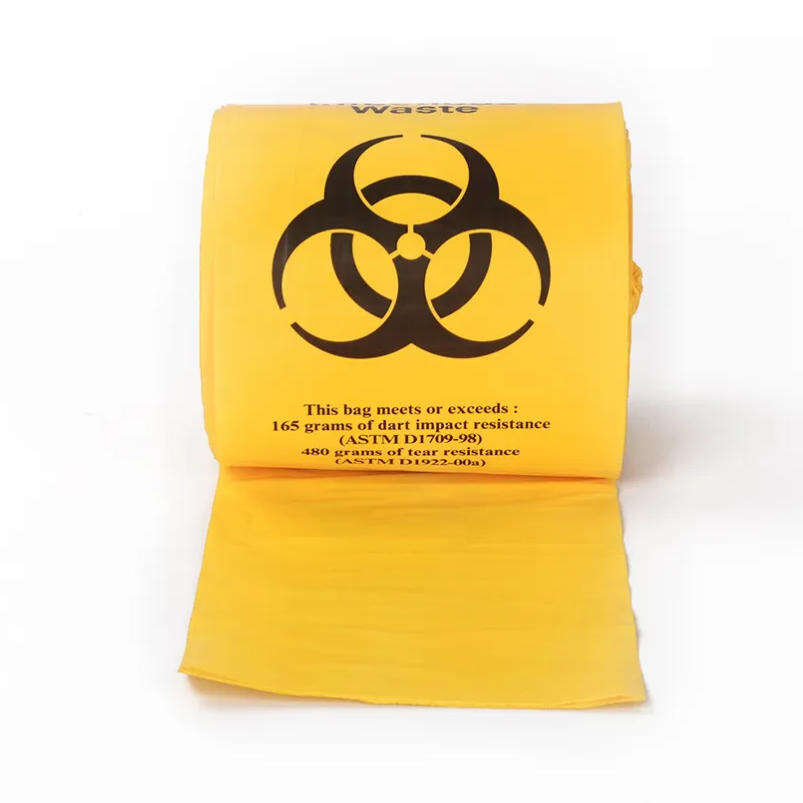
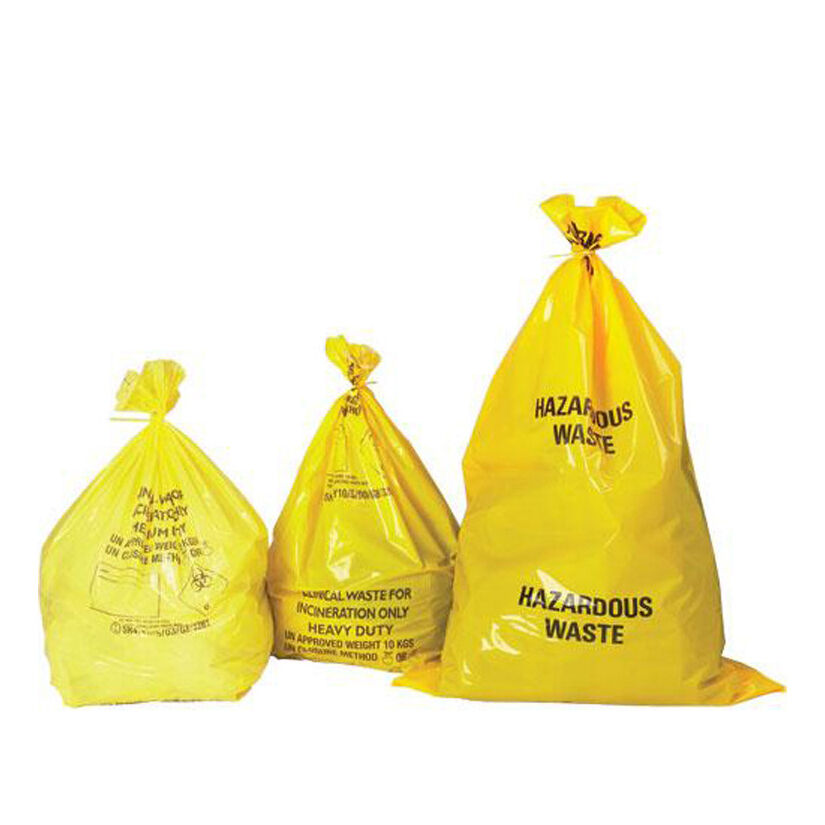
Biohazard bag use encompasses a set of standardized procedures and best practices aimed at ensuring the safe containment, handling, and disposal of biological hazardous waste, minimizing risks to human health and the environment. The first step in proper use is selecting the appropriate bag type based on the waste category: for infectious waste (e.g., contaminated gloves, swabs), a standard 4 mil HDPE biohazard bag is sufficient; for sharps (e.g., needles, scalpels), a thicker 6 mil puncture resistant bag with a reinforced bottom is required; for liquid or semi liquid waste (e.g., blood, cell culture media), a leak proof bag with a secure heat seal closure is necessary. Before use, users must inspect the bag for any defects such as tears, holes, or weak spots—damaged bags should be discarded immediately to avoid leakage. When filling the bag, it is critical to avoid overloading, as this can compromise the bag’s structural integrity. The recommended fill level is no more than two thirds of the bag’s capacity, which allows for easy sealing without stretching the material. During filling, users should wear appropriate personal protective equipment (PPE), including nitrile gloves, a face mask, and a lab coat, to prevent direct contact with hazardous contents. After filling, the bag must be sealed properly: for tie closure bags, use a secure knot and add a second tie 5 cm above the first to create a double seal; for zipper closure bags, ensure the zipper is fully closed and press along the length to confirm a tight seal; for heat seal bags, use a heat sealer set to the manufacturer’s recommended temperature (typically 180 200°C) to create a permanent, leak proof seal. Once sealed, the bag must be labeled with essential information, including the date of collection, the type of waste (e.g., “Infectious Waste”), the department or facility name, and the name of the person responsible for collection. The labeled bags should then be transported to a designated biohazard waste storage area—this area must be well ventilated, locked, and marked with biohazard signs, and should be kept separate from general waste storage. Storage time should not exceed 72 hours in temperate climates to prevent the growth of microorganisms. Final disposal depends on local regulations: common methods include incineration at a licensed facility (for infectious and pathological waste) or autoclaving (for waste that can be sterilized before disposal). A real world application is a diagnostic laboratory that implemented a strict biohazard bag use protocol for handling COVID 19 test samples. By training staff on proper bag selection, filling, sealing, and labeling, the laboratory eliminated all instances of sample leakage during transport to the waste disposal facility, ensuring compliance with CDC guidelines. For organizations seeking to establish or refine their biohazard bag use procedures, accessing detailed training materials and product guidelines is crucial, and interested parties are welcome to contact us for personalized support and resources.

19
Jul
30
Sep
10
Oct
10
Oct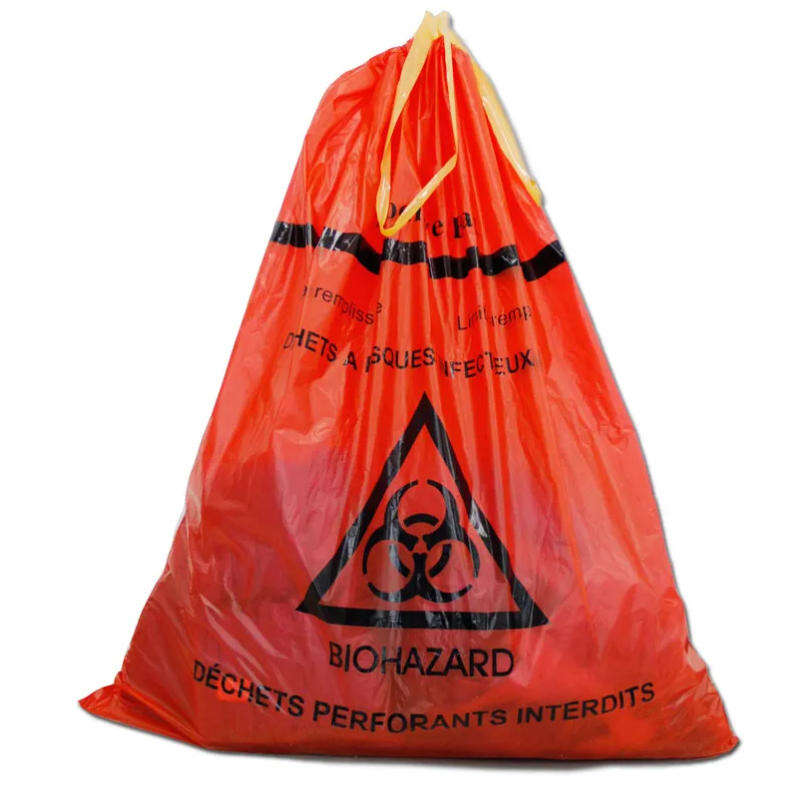

Xiamen Richer Plastic Co.,Ltd. provides custom plastic manufacturing solutions for industrial applications. Our precision molding and sustainable processes deliver high-quality components. Trusted by global partners. Contact us today.
4F,Bldg 3 Aviation Free Trade Plaza,No.422 Gaoqi North Rd.,Huli District,Xiamen,361011,China
Copyright © 2025 by Xiamen Richer Plastic Co.,Ltd. Privacy Policy
 EN
EN