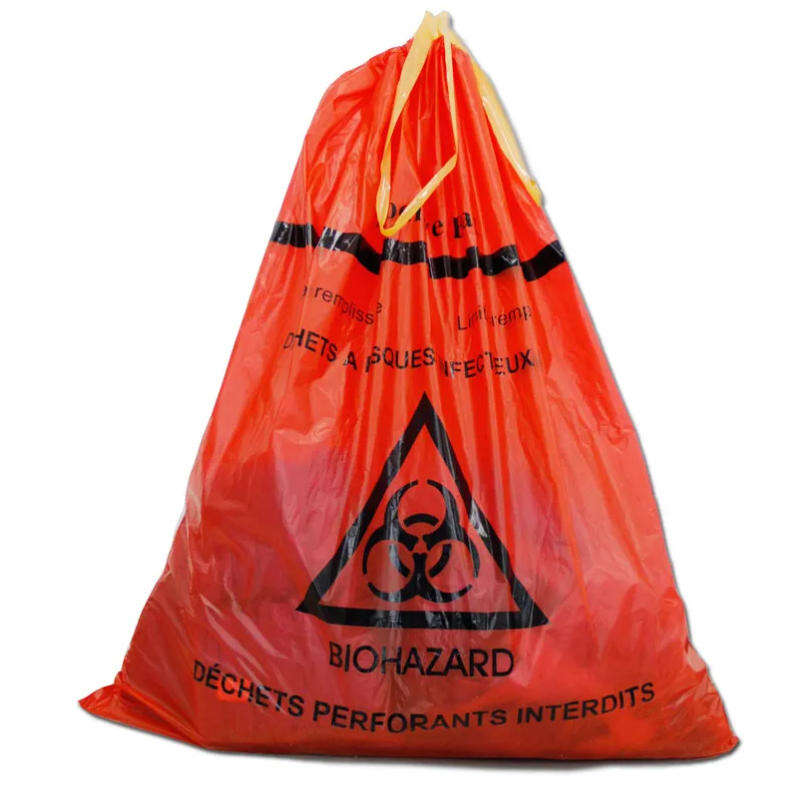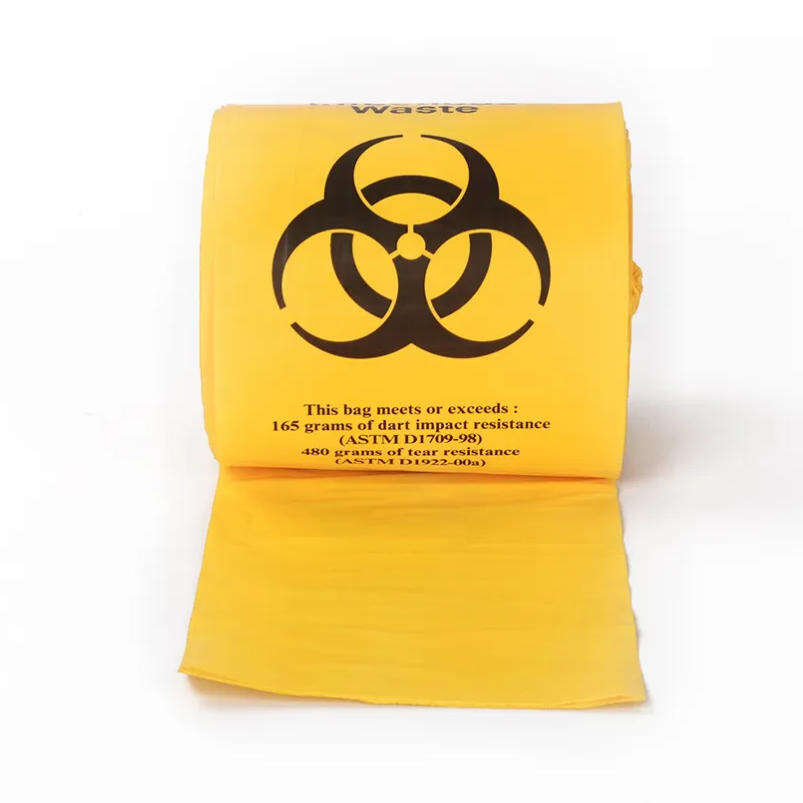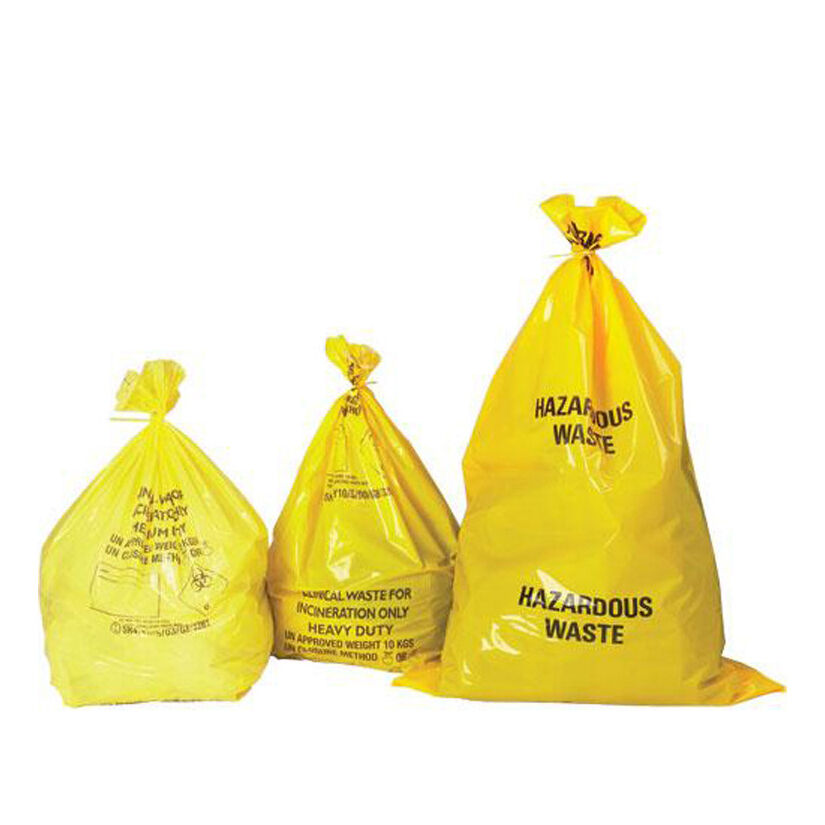

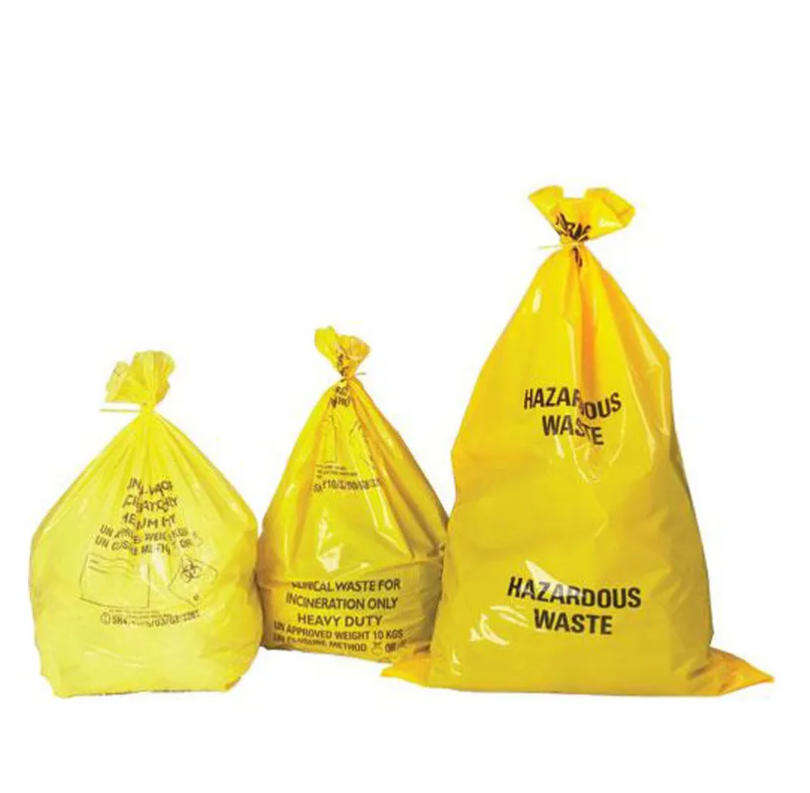
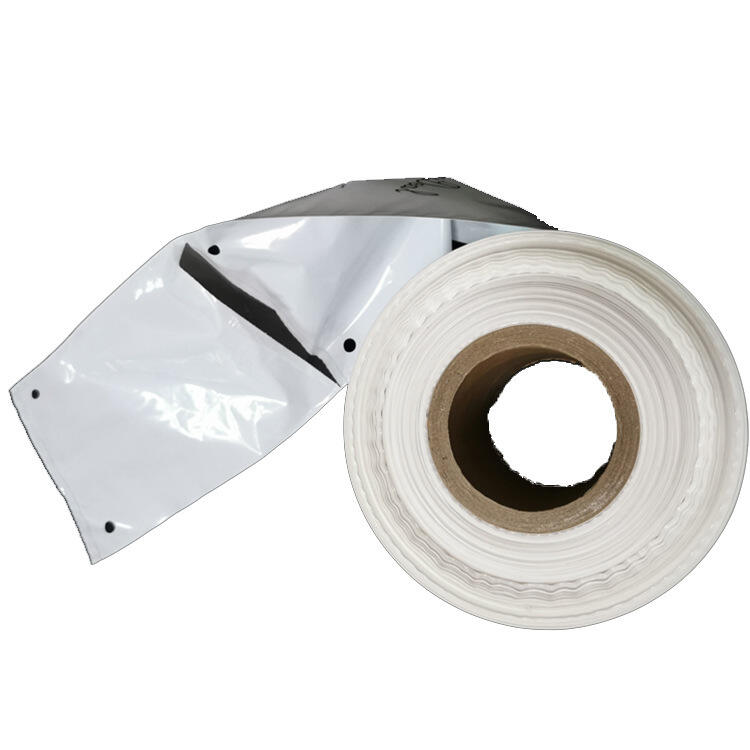

Biohazard disposal bags are specialized packaging engineered to safely contain, transport, and facilitate the proper disposal of biohazardous waste, which includes materials contaminated with infectious agents, bodily fluids, or potentially pathogenic substances. These bags are constructed from high performance materials, primarily high density polyethylene (HDPE) or linear low density polyethylene (LLDPE), with a thickness ranging from 4 to 7 mil. This material selection ensures exceptional puncture resistance and leak proof performance, preventing the release of hazardous contents during handling—critical for protecting waste management staff, healthcare workers, and the environment. To meet global safety regulations, they comply with standards such as the US Occupational Safety and Health Administration (OSHA) Bloodborne Pathogens Standard, the European Union’s EN 13432 for biodegradable packaging (when applicable), and the World Health Organization (WHO) guidelines for biomedical waste classification. Key design elements include prominent biohazard symbols (typically printed in high contrast colors like black or red) and clear safety labels such as “BIOHAZARD – DISPOSE OF PER LOCAL REGULATIONS” to ensure immediate identification. Sizes vary to accommodate different waste volumes, from small 20x30 cm bags for laboratory pipettes to large 60x80 cm bags for hospital ward waste. Application scenarios are extensive: in hospitals, they collect used surgical gauze, contaminated gloves, and blood soaked bandages from operating rooms and patient wards; in diagnostic labs, they contain COVID 19 test kits and viral culture samples post analysis; in veterinary clinics, they handle animal tissue waste and used vaccination needles. A practical case involves a mid sized hospital in Europe that adopted these biohazard disposal bags for its daily waste management. By using the 6 mil HDPE variant with reinforced seams, the hospital reduced incidents of waste leakage by 45% over three months, minimizing the risk of cross infection among staff. Another example is a research lab focused on infectious disease studies, which used the bags to dispose of waste from E coli research, ensuring compliance with biosafety level 2 (BSL 2) requirements. For organizations seeking to implement or upgrade their biohazard waste disposal systems, evaluating factors like waste type (solid vs liquid), local disposal regulations, and handling frequency is essential. Interested parties are encouraged to contact us to learn more about material specifications, size options, and how these bags can align with specific waste management protocols.